
Reviewed · PRIVATE DRIVERS
Antequera: Dolmens and El Torcal Tour with Transfer
Megaliths and limestone weirdness, half-day magic. This tour pairs Antequera dolmens with El Torcal’s fossil-rich karst rock and keeps everything moving with a guided van loop. I love the chance to stand in real neolithic spaces like Menga, Viera, and the Tholos of El Romera, and I love the small group size, which makes the guide’s explanations easy to hear. One possible drawback: it runs rain or shine, so you’ll want comfortable shoes and warm layers, and you should be ready for outdoor walking.
What makes it feel worth your time is the way the guide connects big time scales. You’ll hear how these places link to ritual and funerary traditions, then shift to the geology story, with the region’s limestone and the long-ago Tethys Sea details, plus fossils you can spot as you walk.
In This Review
- Key highlights worth circling
- Why this Antequera and El Torcal mix fits in 4 hours
- Puerta de Estepa pickup and the van loop that keeps it simple
- Entering the neolithic world: Menga, Viera, and El Romera
- Menga: the big one and why you should pay attention
- Viera: another ritual chamber with a different vibe
- Tholos of El Romera: the change in shape and the “why” behind it
- El Torcal de Antequera: fossil limestone and the Tethys Sea story
- What your guided walk really gives you
- Views depend on the weather, but the experience holds
- Walking sticks, shoes, and staying comfortable outdoors
- Guides, languages, and how the small group keeps it personal
- Price and value: what $41 buys you for a half-day in the mountains
- Who should book this tour, and who might want to choose differently
- Should you book this tour? My quick verdict
- FAQ
- What is the tour duration?
- Where does the tour start and end?
- How does pickup work?
- What sites are included?
- How much guided time do I get at each main site?
- Is this tour walking-heavy?
- Do I need to bring walking sticks?
- What should I wear or bring?
- What languages is the tour guide available in?
- What is the weather policy?
Key highlights worth circling
- Three neolithic dolmens in one outing: Menga, Viera, and the Tholos of El Romera, all with lintelled roofs and chamber interiors.
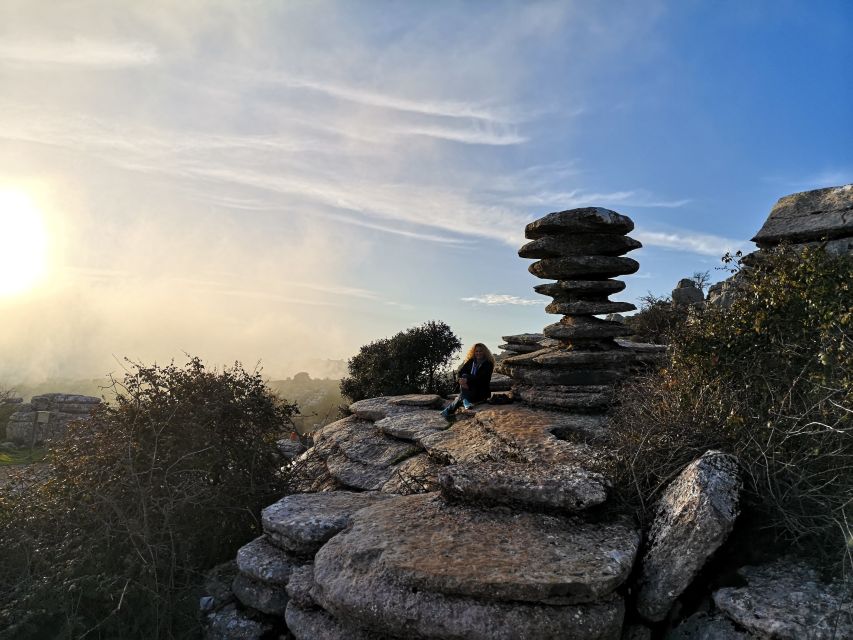
- El Torcal at about 1,200 meters: you’ll be up in mountain air as you explore dramatic rock formations and fossil clues.
- The fossils story is part of the route: you’ll walk where fish swam in the deep Tethys Sea, in a very readable way.
- Small group, big clarity: limited to 8 participants, so Q and A actually happen.
- Walking sticks are included: helpful for uneven ground at El Torcal and steady footing during longer stretches.
- Guides bring more than facts: names you may hear include Natacha, Justine, and Antonio, and they focus on both history and natural details.
Why this Antequera and El Torcal mix fits in 4 hours
You get two headline sites that often get booked separately. The value here is the tight pacing: you’re not spending half the day organizing transportation, or losing time bouncing between car parks and ticket lines. Instead, the tour strings together dolmens plus the El Torcal walk, with guided time at each stop.
I also like that the time on site is long enough to matter. You’ll get about 1.5 hours at the Archaeological Dolmens of Antequera, then another 1.5 hours at El Torcal de Antequera. In a half-day window, that’s enough time to notice details, not just rush past them.
Puerta de Estepa pickup and the van loop that keeps it simple
The experience starts at Puerta de Estepa. From there, you ride in a van between the sites, with short transfer breaks that help you stay focused instead of worn out.
Here’s what that rhythm looks like: a quick ride of about 10 minutes to the dolmens area, then a longer stretch of around 30 minutes to reach El Torcal. After your guided walk at El Torcal, you’re back in the van for roughly 20 minutes to return to Puerta de Estepa.
That transfer structure matters if you’re visiting without a car. You avoid the stress of driving on your own and you don’t have to figure out where to stop and wait. Plus, it’s built for a small group, so the whole thing feels coordinated without turning into a big bus circus.
Entering the neolithic world: Menga, Viera, and El Romera
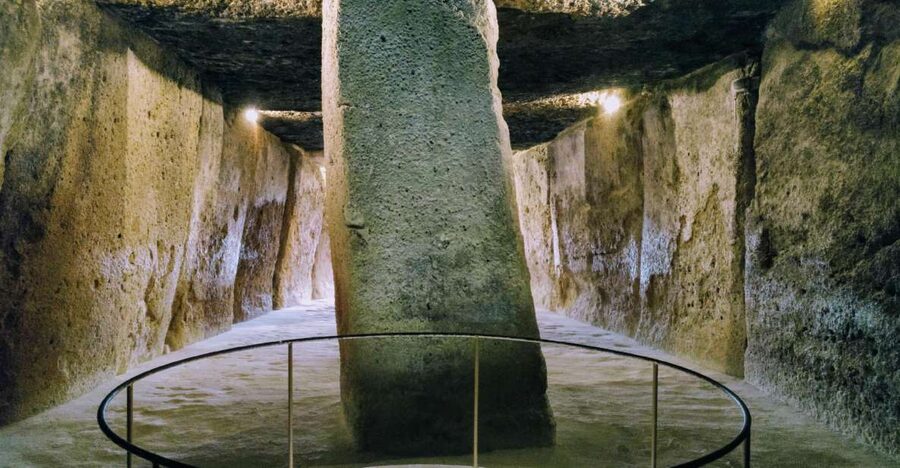
The dolmens visit is the anchor of the tour. You’ll explore three neolithic graves: Menga, Viera, and the Tholos of El Romera. The key idea your guide will focus on is how these were not treated as an ending. They were part of a transition, a different way of being tied to nature.
Each dolmen formed a rock chamber with a lintelled roof. That matters because it helps you understand what you’re seeing. These aren’t just piles of stone. They’re enclosed spaces, built for ritual and funerary use, designed to create a specific kind of atmosphere and movement.
Menga: the big one and why you should pay attention
Menga is often the headline because it’s described here as the biggest dolmen in Europe, and it sits around 1,200 meters above sea level. That elevation is more than a trivia fact. It changes how the site feels, with mountain air and a wide sense of space around you.
When you’re inside, look for how the chamber structure guides your eye. I like that the tour doesn’t treat the dolmens like museum displays. You’re encouraged to take in how the architecture frames darkness, sound, and the sense of passage from the outside world into a stone-lined interior.
Viera: another ritual chamber with a different vibe
Viera is the second dolmen you’ll see on this half-day route. With a guide, you’ll get help putting it in context, not only as a monument but as part of a set, alongside Menga and the Tholos of El Romera.
I’d approach Viera slowly. Don’t just photograph and move on. Let the guide’s explanations sink in, then look again at the chamber feel, the roof structure, and the way the site sits in its setting.
Tholos of El Romera: the change in shape and the “why” behind it
The Tholos of El Romera is your third neolithic grave stop. A tholos typically signals a different structural style than a simple chamber, and even without getting lost in technicalities, you can feel that shift when you’re standing there.
This is where I like the tour’s emphasis on symbolism. You’re learning how these structures connect ritual, funerary practice, and nature. It’s a “how humans made meaning” story as much as an “ancient stones” story.
El Torcal de Antequera: fossil limestone and the Tethys Sea story
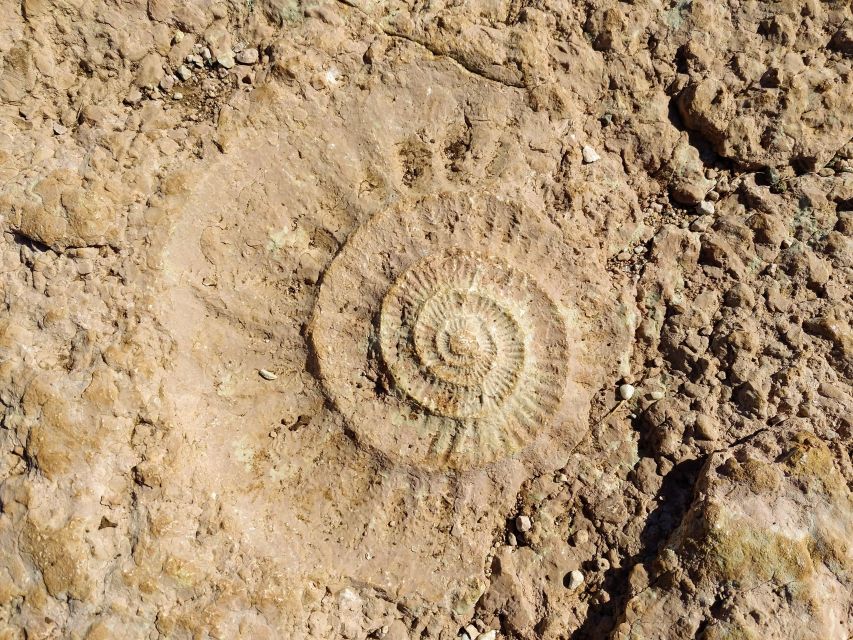
After the dolmens, the tour moves from human-built stone to nature’s stone sculpture. El Torcal de Antequera is famous for its rock formations, and the guide will steer you toward what’s special here: the limestone formations and fossils embedded in the geology.
The tour’s description of the region includes a big picture idea. You’re walking through a landscape that grew from the sea, connected to the deep Tethys Sea, where creatures once lived. You’ll even get directed to look for signs of that ancient life, described as fish from long ago.
What your guided walk really gives you
The guided time at El Torcal is about 1.5 hours, which is a sweet spot. You can move between viewpoints and still stop often enough to connect the dots between what you see and what the rocks mean.
If you’re the type who likes a reason for every stop, you’ll appreciate the way the guide ties the formations to time and transformation. It turns the rocks from random shapes into a readable history.
Views depend on the weather, but the experience holds
This tour runs rain or shine, so you should assume conditions can change. The good news is that even in foggy or less-than-perfect weather, the guide can still help you focus on the formations you’re walking through.
If you do get clear skies, you’ll have the chance to see wide views across the area. If it’s misty, you’ll trade distance for mood, and the rocks still do their job.
Walking sticks, shoes, and staying comfortable outdoors
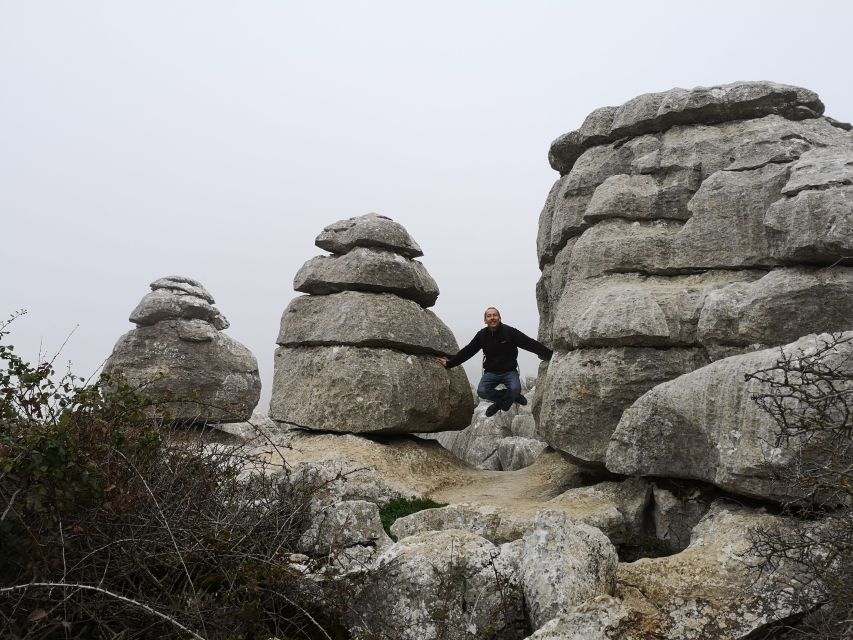
This is not a sit-and-watch tour. There’s walking at both stops, especially at El Torcal. That’s why I like that walking sticks are included. Even if you’re a confident walker, they can help with uneven ground and keep you steadier during stops.
For what to bring, stick to the basics that actually matter:
- Comfortable shoes
- Warm clothing
Because it’s rain or shine, bring layers you can adjust. If it’s chilly, you’ll be glad you can add a layer instead of hoping your jacket is enough.
Guides, languages, and how the small group keeps it personal
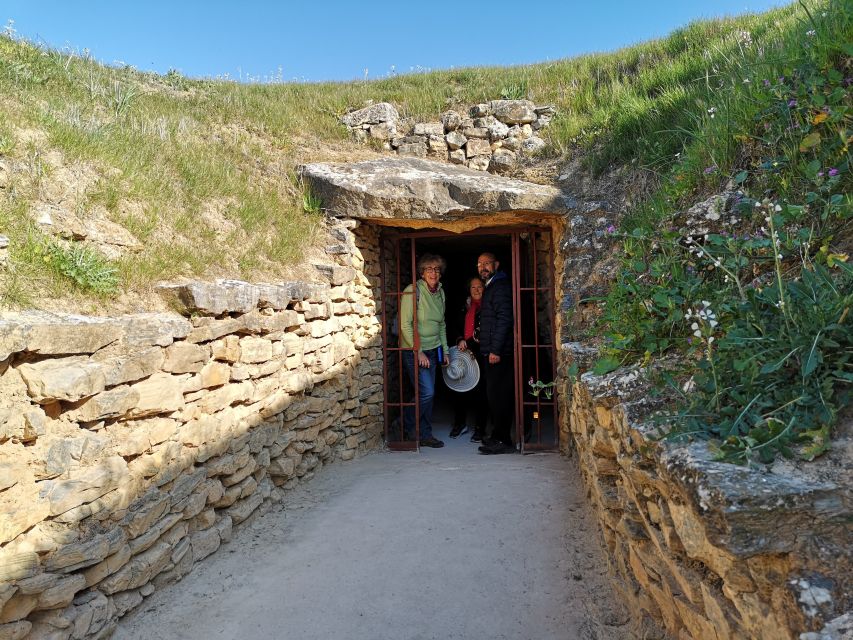
What consistently pops in the guide feedback is clarity. Guides like Natacha and Justine are mentioned for explaining history alongside geology and even local flora and fauna. That mix is exactly what makes a tour like this click, because El Torcal isn’t just “rocks,” and the dolmens aren’t just “old stones.”
Small group size also changes the feel. When you’re limited to 8 participants, the tour doesn’t sound like a lecture pushed over background noise. You can ask questions and actually get answers that match what you’re curious about.
Language support is also a practical win. The live guide can work in Spanish, English, and French. In mixed-language settings, the guide’s communication style can make or break your experience, and the structure here is designed to keep you included.
One more detail I like: the tour is described as very organized, with punctual pickup and strong care for safety. That doesn’t sound exciting, but it is. It means you spend your energy on the sites instead of worrying about timing.
Price and value: what $41 buys you for a half-day in the mountains
At about $41 per person for a 4-hour tour, the value comes from three things working together.
First, you get a transfer. If you’re without a car, that alone can make the price feel reasonable fast.
Second, you get guided time at two major sites. The dolmens visit is about 1.5 hours, and the El Torcal walk is about 1.5 hours, with a guide leading the story at each.
Third, you’re not doing it with a crowd. A small group of up to 8 participants means more attention and more chance to hear explanations clearly.
So yes, the price is modest for what you’re covering. I’d call it a practical way to see the key sights without turning your day into logistics.
Who should book this tour, and who might want to choose differently
This works best if you want:
- A guided connection between neolithic graves and geology
- A half-day plan that’s easy to fit around other activities in the area
- A small-group experience without stress about driving
It’s also a good pick if you’re into “big time” thinking. You start with human rituals tied to stone, then shift to the idea of mountains forming from ancient sea conditions, with fossils and limestone clues you can follow on the walk.
I’d hesitate if you hate outdoor walking in mixed weather. Since it runs rain or shine and includes walking time at El Torcal, you’ll want to feel comfortable on uneven ground.
Should you book this tour? My quick verdict
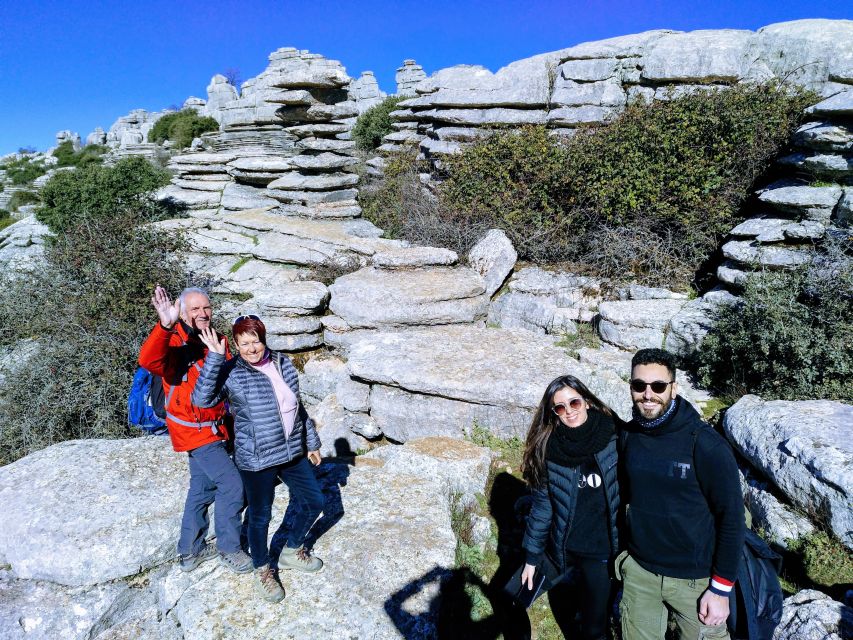
If you’re in Andalusia and you want a smart half-day that connects dolmens and El Torcal without the hassle of driving, I’d book it. The small-group size, guided time at each stop, and included walking sticks make it feel thoughtfully set up for most people.
Pick a time of day that matches your comfort. One useful tip from guide-style experiences is that later in the day can feel calmer for viewing and listening, but if that’s not an option, don’t stress. The guide can still help you make sense of what you’re seeing in any weather.
If you can handle a 1.5-hour walk outdoors, this is one of those tours that teaches you how to look, not just what to look at.
FAQ
What is the tour duration?
The total duration is about 4 hours.
Where does the tour start and end?
It starts and ends at Puerta de Estepa.
How does pickup work?
The van stops between the kiosk and the bus shelter.
What sites are included?
You’ll visit the Archaeological Dolmens of Antequera, including Menga, Viera, and the Tholos of El Romera, and then you’ll explore El Torcal de Antequera.
How much guided time do I get at each main site?
You’ll have about 1.5 hours for the dolmens and about 1.5 hours for the El Torcal visit.
Is this tour walking-heavy?
You’ll do guided walking at both locations, especially during the El Torcal part.
Do I need to bring walking sticks?
No. Walking sticks are included.
What should I wear or bring?
Wear comfortable shoes and bring warm clothing.
What languages is the tour guide available in?
The live guide works in Spanish, English, and French.
What is the weather policy?
The tour runs rain or shine.
More Private Drivers in Antequera
- Tenerife: Mount Teide Tour with Cable Car Ticket & Transfer★ 4.3 · 5,094 reviews
- Barcelona: Montserrat Tour, Transfers & Basilica Entry★ 4.7 · 3,230 reviews
- Whale and Dolphin Watching Catamaran with Transfer and Buffet★ 5.0 · 2,712 reviews
- From South Tenerife: Loro Park Zoo Ticket & Hotel Transfers★ 4.4 · 2,672 reviews
- Lanzarote: Dolphin-Watching Sunset Cruise with Transfers★ 4.2 · 2,435 reviews
Private Drivers, compared.
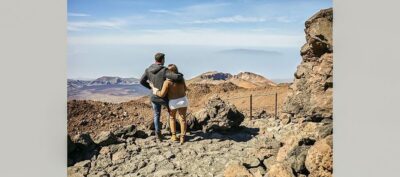
Mount Teide Tour with Cable Car Ticket & Transfer
Read our review →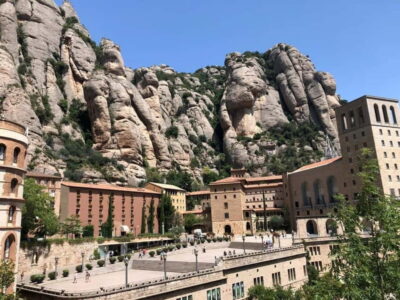
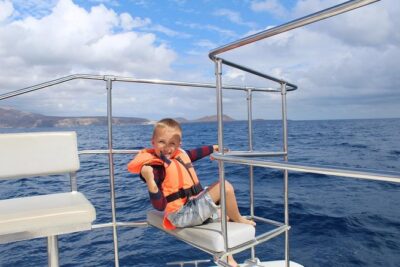
Whale and Dolphin Watching Catamaran with Transfer and Buffet
Read our review →
From South Tenerife: Loro Park Zoo Ticket & Hotel Transfers
Read our review →
Dolphin-Watching Sunset Cruise with Transfers
Read our review →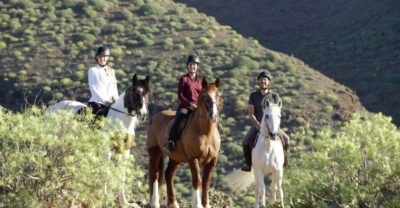
El Salobre: Horse Riding Adventure with Transfer Options
Read our review →
Marine-Life Tour with Transfer, Buffet and Drinks
Read our review →
Cova des Coloms Caving Trip with Hotel Transfer
Read our review →Browse the lists this tour appears in