
Reviewed · HISTORICAL TOURS
Barcelona: Skip-the-Line to History Museum of Catalonia
Barcelona history hits at street level. This skip-the-line ticket gets you into the Museu d’Història de Catalunya, where Catalonia’s story plays out through permanent and temporary exhibits plus big views from the terrace.
I like that the museum focuses on how Catalonia changed over time, not just memorized dates. I also love the fact that the visit ends where Barcelona does best, with panoramic city scenery from the terrace and a fourth-floor restaurant and rooftop bar.
One drawback to plan for: this ticket is entry-focused. There’s no audio guide and no included guide, so if you want more hand-holding, you’ll need to rely on the exhibits and the brochures.
In This Review
- Key things you’ll notice right away
- What makes the Museu d’Història de Catalunya worth your $9
- Finding the museum at Plaça Pau Vila, 3 (and why the address helps)
- Skip-the-line entry, then plan your flow inside
- The Memory of a Country: your interactive spine for Catalonia’s story
- The special exhibition until Oct 26, 2025: We Are and the transition years
- How the museum uses films, drawings, and interactive backgrounds
- Terrace time: Port, Montjuic, and the city view that turns learning into a break
- Fourth-floor restaurant and rooftop bar: where the day becomes yours
- Price and value: $9 for entry, context, and viewpoint time
- Timing your day with Barcelona museum hours
- Who should book this ticket (and who might want a different plan)
- Before you go: practical rules that affect your visit
- Should you book the Skip-the-Line Catalonia Museum ticket?
- FAQ
- Where is the meeting point?
- How much does the ticket cost?
- How long is the experience?
- What does the ticket include?
- Is an audio guide included?
- Is a guide included?
- What about food and drinks?
- What are the opening hours?
- Is the terrace included?
- Is it wheelchair accessible?
Key things you’ll notice right away
- Skip-the-line entrance that saves you time when you’re on a tight Barcelona schedule
- The Memory of a Country interactive permanent exhibition, built around people and periods
- Permanent + temporary exhibits in one visit, including We Are: The Homosexual Movement during Spain’s Transition to Democracy (1976-1979) until Oct 26, 2025
- Terrace access with wide views toward the Port, Montjuic Mountain, and the city
- Fourth-floor restaurant and rooftop bar so you can turn the museum break into a real meal stop
- Self-paced design with interactive backgrounds, films, and drawings, plus brochures
What makes the Museu d’Història de Catalunya worth your $9
For $9, this isn’t a “quick stop” museum. It’s a ticket that gives you real museum time to trace Catalonia’s story as it’s presented in one building, with both permanent and temporary exhibitions. That matters, because Catalonia is not a side note in Spanish history. It’s a region with its own political pressure points, identity debates, and cultural moments.
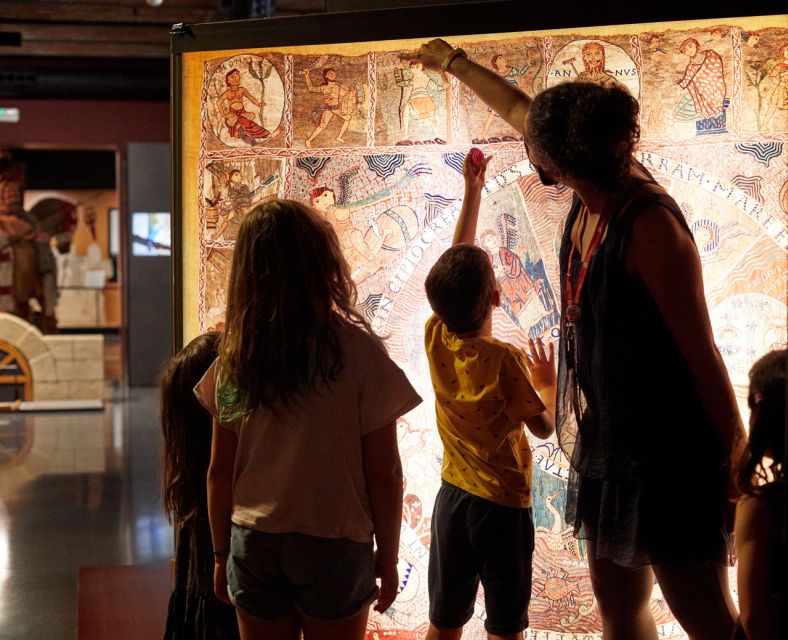
What I appreciate is how the museum’s approach is practical for your visit. You’re not just walking past glass cases. The permanent exhibition is designed as an interactive record of periods and characters, which helps you connect what you’re seeing to what you’re trying to understand. And the temporary show on the late 1970s adds a more specific slice of social history, so your day feels like more than a textbook.
There’s also the location factor. Barcelona is a city where views are part of daily life, not just sightseeing. Having terrace access means you get a payoff that’s not locked behind another ticket or another neighborhood detour.
Finding the museum at Plaça Pau Vila, 3 (and why the address helps)
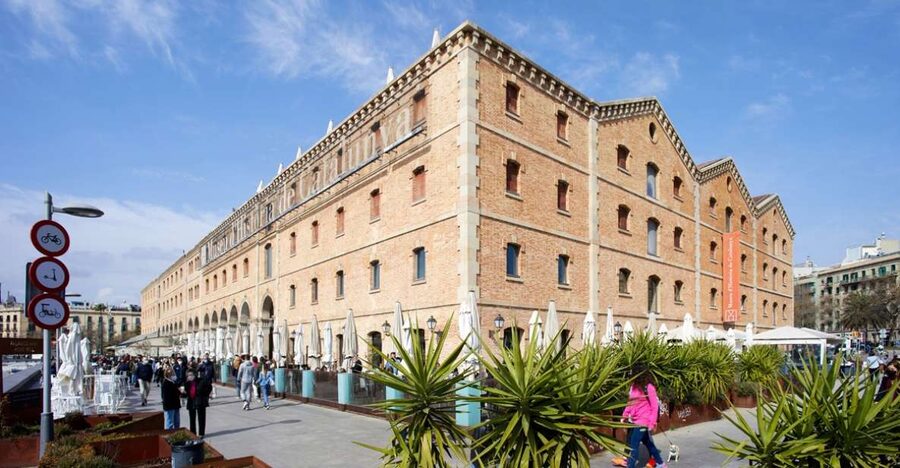
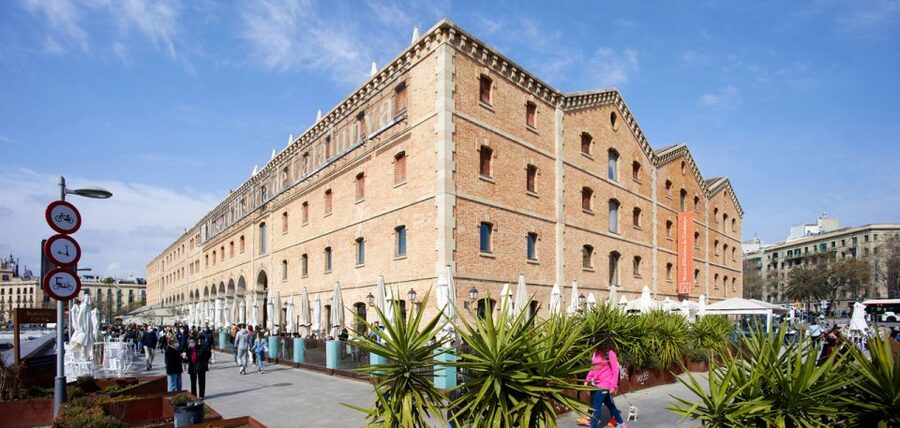
Your meeting point is Plaça Pau Vila, 3, 08039 Barcelona. Having the exact square name is handy because this area isn’t the biggest tourist maze, but it is busy enough that you’ll want to be certain you’re at the right entrance before you start hunting.
When you arrive, I’d suggest doing two things fast:
1) Check where the skip-the-line entrance is for your day and time slot.
2) Give yourself a short buffer to settle in, since the museum hours vary by day.
This is not a tour where you need to “keep up” with a group. It’s more like you’re buying time to think, watch, and connect the dots on your own pace.
Skip-the-line entry, then plan your flow inside

The big win here is simple: you get a skip-the-line entrance ticket. You’re still going to do the work of reading, looking, and learning, but you’re not wasting energy standing in the slow part of the process.
Because there’s no included guide and no audio guide, I recommend you treat your visit like a self-guided route with a couple of anchor targets. Here’s a solid approach:
- Start with the permanent exhibition that gives you the museum’s backbone.
- Add the temporary exhibition next, once your background context is set.
- Finish with the terrace, so your last hour feels like Barcelona instead of history facts.
That sequence matters. If you walk into the temporary show first, you may miss some context. If you save it until later, you can connect the social themes to the broader story you’ve already built.
The Memory of a Country: your interactive spine for Catalonia’s story
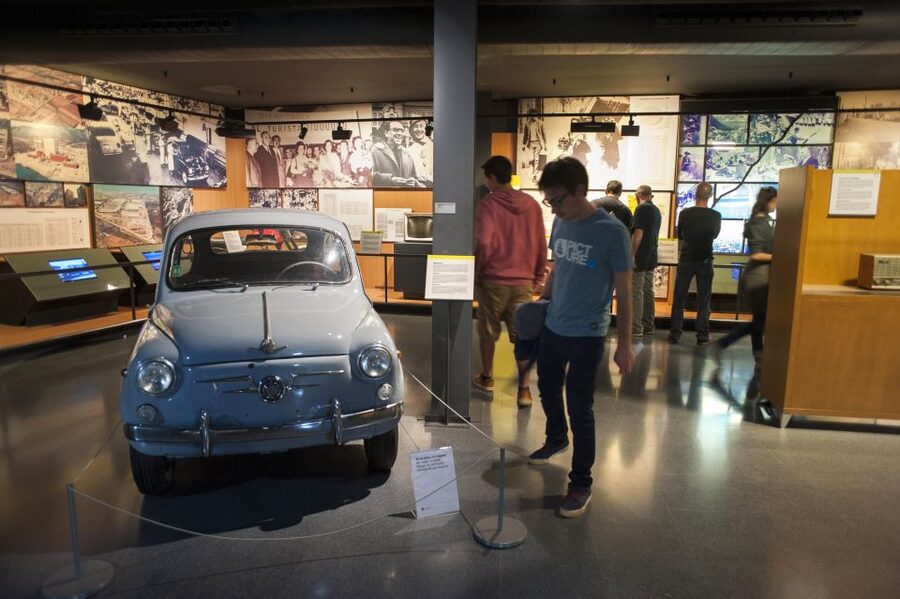
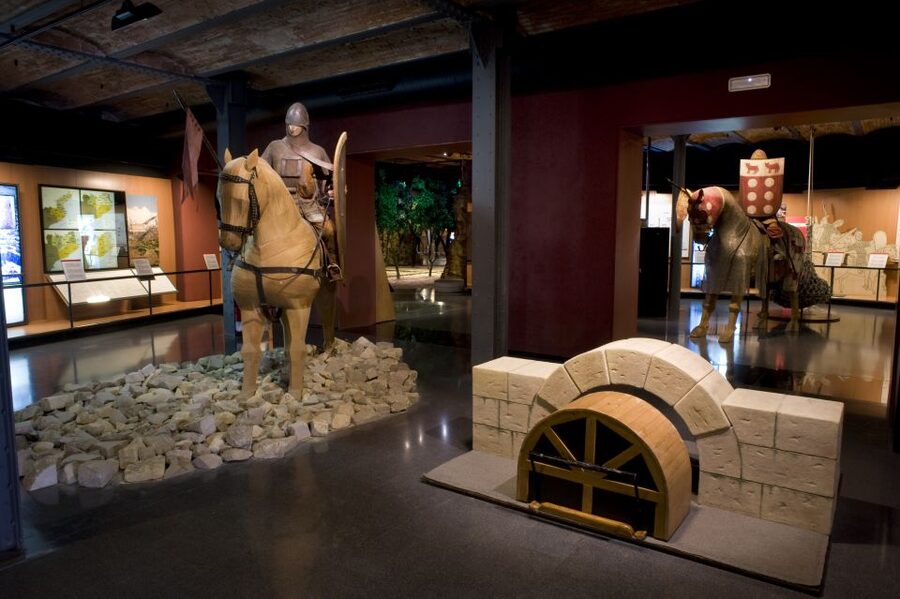
The museum’s permanent exhibition, The Memory of a Country, is built to act like an interactive timeline driven by people and periods. It’s not just a “look at artifacts” experience. It uses interactive records that help you track change, pressure, and identity over time.
When a museum does this well, you end up understanding the shape of history, not just individual moments. That’s the value for you if you’ve been bouncing between Gaudí stops all week. You get a different kind of Barcelona context, one that explains why Catalonia thinks the way it does and why its history is so tied to language, institutions, and politics.
I also like that the museum doesn’t pretend the story is tidy. One of the strongest themes you’ll encounter in how the exhibits frame events is the conflict between Catalan identity and outside control over time. You’ll see that the museum gives attention to periods when Catalan culture faced serious pushback, including the era after 1714 and the upheavals around the Spanish Civil War years of 1936 to 1939. If that topic resonates, you’re in the right place.
Practical tip: allow extra time at the interactive sections. When an exhibit is designed as a record with interactive elements, it usually rewards slowing down just a bit.
The special exhibition until Oct 26, 2025: We Are and the transition years
Until October 26, 2025, you can see We Are: The Homosexual Movement during Spain’s Transition to Democracy (1976-1979). Even if this isn’t your usual museum focus, it’s a valuable add-on because it connects Catalonia to Spain’s broader democratic shift, while showing how social movements shape everyday life.
This is the kind of exhibition that can change how you read a region’s history. Instead of focusing only on governments and borders, it highlights organizing, visibility, and identity during a key transition period. If you care about human rights history, politics with real people behind it, or how movements grow under pressure, this exhibition is likely to be one of the strongest parts of your day.
Because you’re going self-paced with no audio guide, do one small thing to get the most out of it: pause at the start and scan the exhibit’s structure. That way, as you move through sections, you can tell whether you’re following a timeline, themes, or both.
How the museum uses films, drawings, and interactive backgrounds
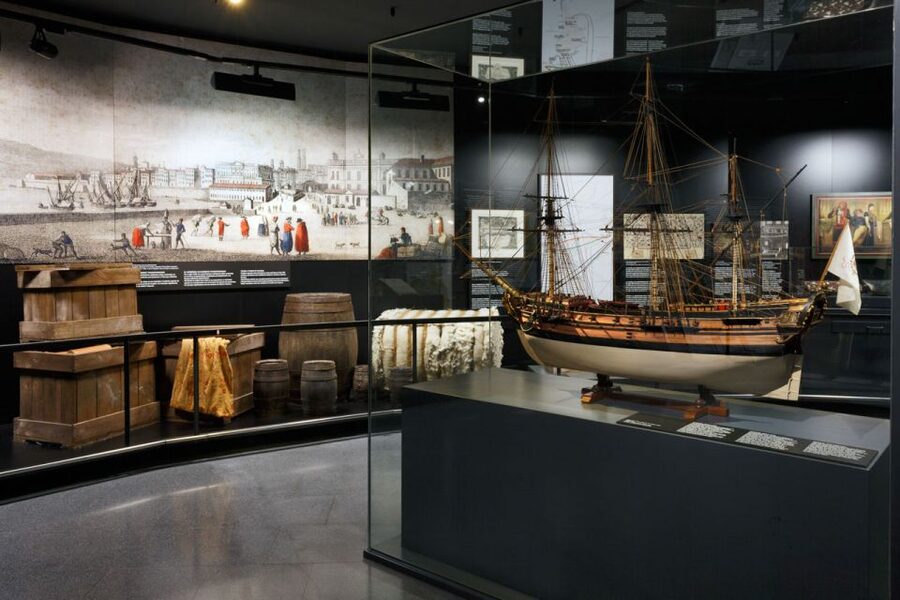
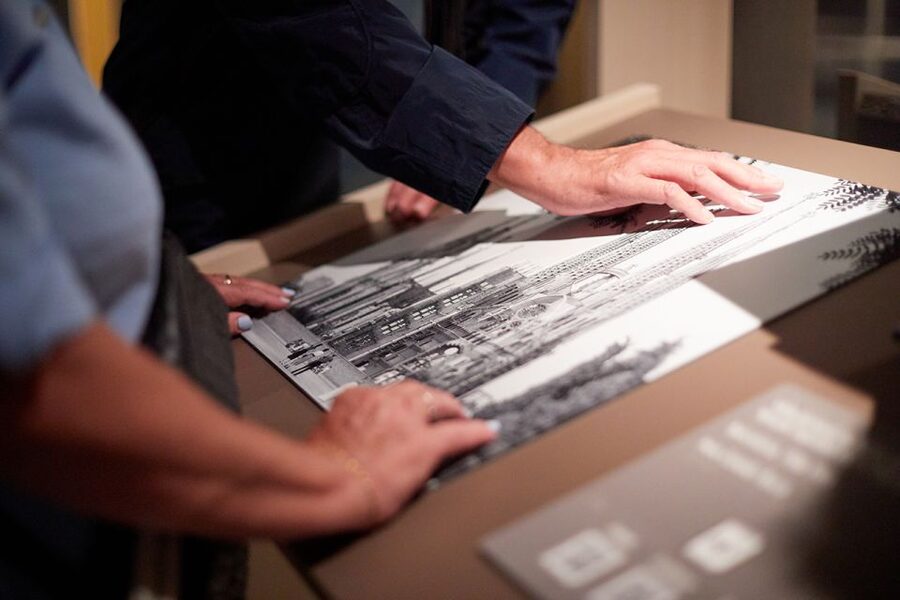
A lot of history museums use one style, text-heavy panels. This one mixes formats: interactive backgrounds, films, and drawings all show up as learning tools. That matters because it gives your brain a break. You’re not stuck reading for hours.
Here’s what that means for you during the visit:
- You can swap between reading and watching, which keeps the day from getting monotonous.
- The interactive backgrounds are useful if you’re the kind of traveler who needs “something to do” while learning.
- The films can help bridge gaps when you feel like you missed a detail earlier.
If you like museum variety, this format is a plus. If you prefer pure text, you’ll still find enough story scaffolding, but the experience may feel more “designed” than “academic.”
Terrace time: Port, Montjuic, and the city view that turns learning into a break
The terrace is included, and that’s not a throwaway add-on. It’s part of the experience design. Once you’ve done the heavy lifting of history inside, you can step out and see Barcelona from a new angle, with the Port, Montjuic Mountain, and the city in view.
I always think terrace access is underrated. It gives you a natural reset, and it helps you remember what you’re learning by anchoring it to place. When you look out across the city, you start imagining where events would have played out, how communities moved, and why certain parts of Barcelona became important.
Plan for this like a mini event:
- Bring layers if it’s breezy. Terraces can feel cooler than expected.
- If you’re planning to stay for a meal, time it so you’re not rushing out the moment you finish inside.
Fourth-floor restaurant and rooftop bar: where the day becomes yours
On the fourth floor, there’s a restaurant and rooftop bar. You’re not buying a guided food stop here, and food and drinks are not included in the ticket. But the point is that you don’t have to scramble for lunch right after the museum.
The museum’s dining option focuses on Mediterranean cuisine, which is a solid match for Barcelona days. Even if you only stop for a drink, the payoff is that you get views paired with a break from museum corridors.
If you’re choosing what to do with your time, I’d treat lunch or a drink here as part of the museum experience, not an afterthought. It makes sense because you’re already at a viewpoint, and you’re already in the mindset of slowing down.
Price and value: $9 for entry, context, and viewpoint time
At $9 per person for a 1-day visit, the value comes from what’s actually included:
- Skip-the-line entrance
- Permanent and temporary exhibitions
- Terrace access
- Brochures
Not included: audio guide, guide, and food and drinks. So you are paying mostly for entry and access to the curated spaces, not for spoken storytelling.
Is it good value? For most travelers, yes, because you’re getting:
- Two layers of museum content (permanent plus temporary)
- A payoff location (terrace views)
- A built-in “rest stop” option (restaurant and rooftop bar nearby)
If you’re someone who always depends on audio narration to understand exhibits, you may need to budget extra time for reading labels and brochures. If you enjoy learning by looking and using the written guidance on-site, this ticket is a smart buy.
Timing your day with Barcelona museum hours
Museum opening times vary, so check your plan before you commit to a day. Here’s the schedule:
- Tuesday to Saturday: 10:00 AM to 7:00 PM
- Wednesday: 10:00 AM to 8:00 PM
- Sunday and holidays: 10:00 AM to 2:30 PM
- Monday: closed
This matters because you only have 1 day, and the museum experience includes both exhibitions and terrace time. If you go on a Sunday or holiday, you’ll need to move faster and prioritize. If you visit on a weekday, you can take your time, especially with the interactive permanent exhibition.
My suggestion: if you want the terrace and the rooftop break to feel relaxed, aim for Tuesday through Saturday, or Wednesday if you’re trying to stretch your day.
Who should book this ticket (and who might want a different plan)
This museum fits best if you want Catalonia framed as a living story, not just architecture and art. It’s also a great match if you enjoy exhibitions that use different formats, like films and interactive backgrounds.
Book it if:
- You want a self-paced history experience you can handle at your own speed
- You’re interested in how Catalan identity and social movements show up in the late modern period, including the transition years topic
- You like museum days that end with views instead of a rushed exit
Consider a different option if:
- You strongly prefer a guided tour or an audio guide for your history context
- You are traveling with the expectation that food is included, since it isn’t
For families, kids must be accompanied by an adult. If you’re traveling with teens or older kids who like story-based learning, the interactive setup can work well.
Before you go: practical rules that affect your visit
A few “small” rules can help your day go smoothly:
- Bring your passport or ID card.
- Oversize luggage is not allowed.
- Unaccompanied minors are not allowed.
These sound like routine museum policies, but they can affect your morning. If you’re carrying a lot of stuff, it’s worth sorting it before you arrive so you don’t deal with restrictions at the door.
Should you book the Skip-the-Line Catalonia Museum ticket?
Yes, I think you should book it if you want a focused history stop that still feels like Barcelona at the end of the day. The skip-the-line entry removes friction, the permanent exhibition The Memory of a Country gives you a strong foundation, and the terrace plus fourth-floor dining turns the visit into a full outing.
You might skip booking only if you know you need a guided explanation to stay interested in museum exhibits. Since this ticket does not include an audio guide or guide, you’re relying on the exhibits and brochures.
If you want a single-day plan that connects place, politics, and people, this is a smart way to do it.
FAQ
Where is the meeting point?
The meeting point is Plaça Pau Vila, 3, 08039 Barcelona.
How much does the ticket cost?
The price is listed as $9 per person.
How long is the experience?
The experience is valid for 1 day.
What does the ticket include?
It includes permanent and temporary exhibitions, terrace access, a skip-the-line entrance ticket, and brochures.
Is an audio guide included?
No, the audio guide is not included.
Is a guide included?
No, a guide is not included.
What about food and drinks?
Food and drinks are not included in the ticket, even though the museum has a restaurant and rooftop bar.
What are the opening hours?
Tuesday to Saturday: 10:00 AM to 7:00 PM.
Wednesday: 10:00 AM to 8:00 PM.
Sunday and holidays: 10:00 AM to 2:30 PM.
Monday: closed.
Is the terrace included?
Yes, access to the terrace is included, with panoramic views.
Is it wheelchair accessible?
Yes, it is wheelchair accessible. Kids must be accompanied by an adult, and oversize luggage is not allowed.
More Historical Tours in Museo D Historia De Catalunya
- Madrid Essential: Historic Center, Plaza Mayor & Royal Palace★ 5.0 · 6,416 reviews
- Barcelona: Tapas Walking Tour with Food, Wine, and History★ 4.8 · 4,261 reviews
- Sevilla Food Tour: Tapas, Wine, History & Traditions★ 5.0 · 3,468 reviews
- Valencia Old Town Tour with Wine & Tapas in 11th Century Historic Monument★ 5.0 · 3,234 reviews
- Madrid Tapas & Taverns Small Group Food & History Tour★ 5.0 · 2,664 reviews
Paint & Armour
- Madrid: Prado Museum Entry Ticket★ 4.6 · 20,699 reviews
- Málaga: Museo Picasso Málaga Entry Ticket★ 4.4 · 11,138 reviews
- Barcelona: FC Barcelona Museum “Barça Immersive Tour” Ticket★ 4.4 · 10,944 reviews
- Madrid: Reina Sofía Museum Entrance Ticket★ 4.5 · 8,788 reviews
- Barcelona: Park Güell and Gaudí House Museum Entry Ticket★ 4.5 · 6,326 reviews
Historical Tours, compared.
Madrid Essential: Historic Center, Plaza Mayor & Royal Palace
Read our review →
Tapas Walking Tour with Food, Wine, and History
Read our review →
Sevilla Food Tour: Tapas, Wine, History & Traditions
Read our review →
Valencia Old Town Tour with Wine & Tapas in 11th Century Historic Monument
Read our review →
Madrid Tapas & Taverns Small Group Food & History Tour
Read our review →
Barcelona Tapas Walking Tour: Food, Wine & History
Read our review →
Ultimate Seville Tapas, Wine & History Small Group Tour
Read our review →
Skip-the-Line Great Mosque-Cathedral History Tour
Read our review →Browse the lists this tour appears in