
Reviewed · WORKSHOPS
Bean to Bar Chocolate Workshop in Barcelona
Chocolate starts with dirt and patience. This bean-to-bar workshop at Kina Chocolates turns you into a mini-chocolate maker, from cocoa beans to your own bar. I love the hands-on roast, peel, grind workflow, and I love that you actually leave with one chocolate bar you made yourself. The main drawback is that cocoa work can get a little messy, so expect some cocoa dust on your hands even with the apron.
In Barcelona, this kind of small-group class is rare. You’re in a group of up to 8, guided in Spanish or English, and staff like Oscar and Renée keep the session lively with clear, step-by-step explanations. It’s adults-and-teens friendly, and it also works well for kids around age 10 and up who are ready to try something hands-on.
In This Review
- Key points before you go
- Where this workshop happens: Kina Chocolates, central and practical
- The 2-hour flow, and how the time stays fun
- From cocoa pod to cocoa beans: what you learn before you make
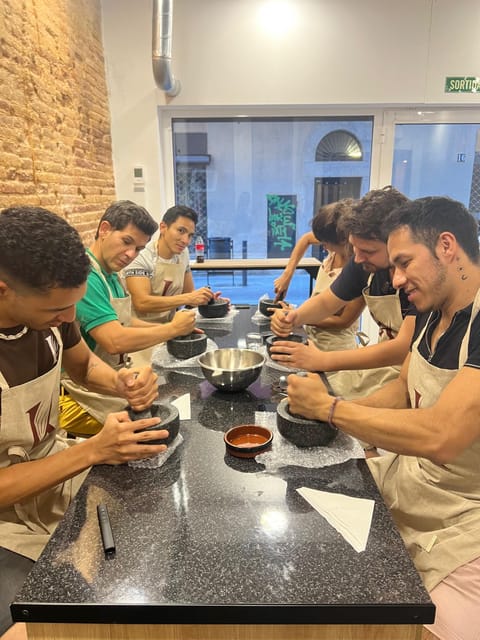
- Hands-on roasting, peeling, and grinding: the part you’ll remember
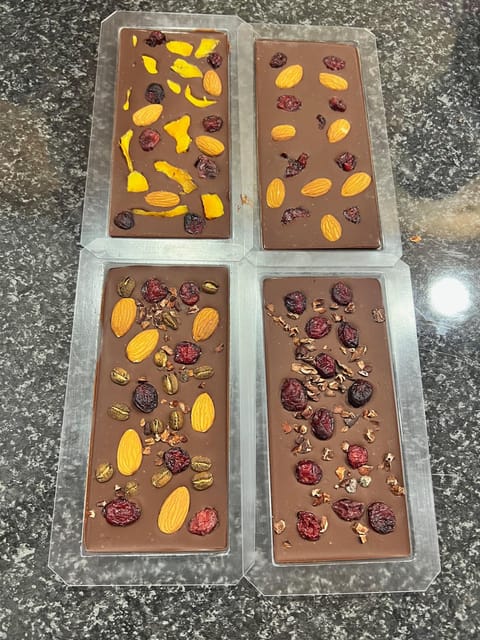
- Making cocoa paste and your own chocolate bar to take home
- Tasting cocoa drinks and chocolate: how flavor gets taught
- The history and the bean-to-bar mindset: why it’s not just science
- Price and value: is $47 worth two hours in Barcelona?
- Who this workshop fits best (and who might want to skip it)
- Practical tips for a smoother workshop day
- Should you book this bean-to-bar workshop at Kina Chocolates?
- FAQ
- How much does the Barcelona bean-to-bar chocolate workshop cost?
- How long is the workshop?
- How many people are in the group?
- Where is the meeting point?
- What do I make during the workshop?
- What languages are the workshop instructions offered in?
- Is the workshop wheelchair accessible?
- What should I do if I have allergies or intolerances?
- What is the cancellation and booking policy?
Key points before you go
- Hands-on bean-to-bar process: Roast, peel, grind, and make cocoa paste with your own hands
- You take something real home: One finished chocolate bar, made during the workshop
- Cocoa pod lesson included: You’ll observe a cocoa pod and learn what happens in the fields
- Tastings built in: You’ll make cocoa-based drinks and try chocolate from different origins
- Small group pace: Limited to 8 participants, with time for questions
Where this workshop happens: Kina Chocolates, central and practical
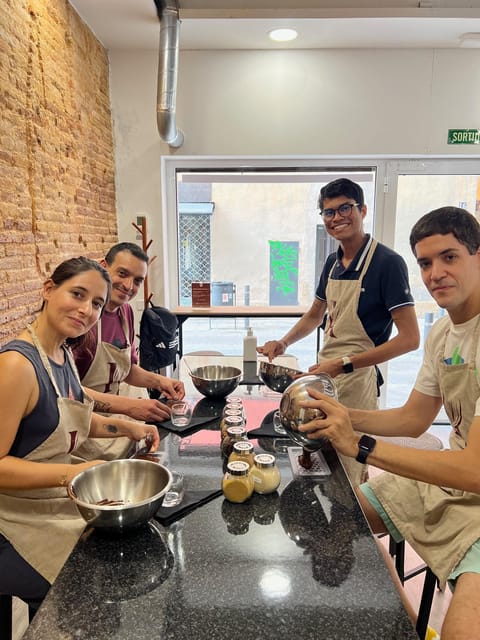
The workshop meets at Local Kina Chocolates, which keeps things simple. No long transfer. No hunting for an obscure workshop space in the middle of nowhere.
The setting matters here because bean-to-bar work is tactile. You’ll be handling real cocoa beans and doing real steps, not just watching from a chair. In a small shop environment, you feel the craft vibe fast.
A few more Barcelona verdicts worth reading
- Barcelona: Midday or Sunset Sailing with Open Bar and Snacks
★ 4.9 · 2,044 reviews - Barcelona: Unique Sunset Sailing Tour with Tapas & Open Bar
★ 4.7 · 959 reviews - Barcelona Sailing: Light Snacks & Open Bar with Private Option
★ 5.0 · 874 reviews - Barcelona Sensational Sunset Tour with Open Bar and Snacks
★ 5.0 · 681 reviews
The 2-hour flow, and how the time stays fun
This is a 2-hour experience, so it doesn’t sprawl. The rhythm is part education, part making, part tasting. That mix is exactly why it works for both adults and teenagers.
Expect the session to move through key phases:
- First, context (what cocoa is and where it comes from)
- Then hands-on production steps (the parts you can feel)
- Then tasting and finishing (so it ends with something you enjoy)
The workshop also includes a personalized certificate and a summary you can take home, which is a nice way to lock in what you learned.
From cocoa pod to cocoa beans: what you learn before you make
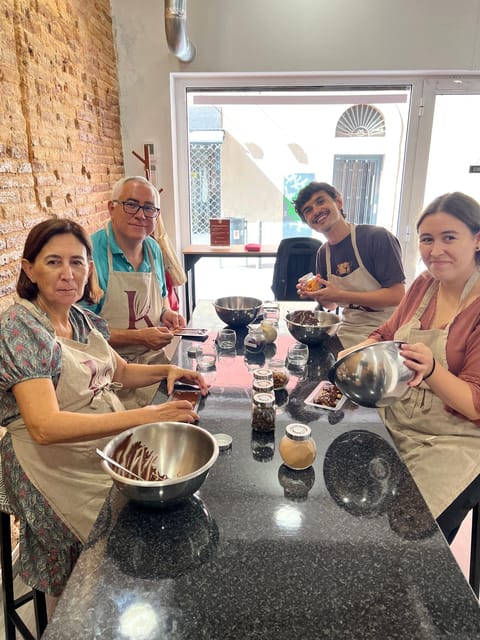
One of the best early moments is seeing a cocoa pod. You get a visual link between the plant and the beans you end up roasting and grinding.
Then you connect that to the real process in the fields. You’ll learn what happens to cocoa beans after harvesting and how those steps affect what becomes chocolate. It’s not just trivia, it’s useful context for tasting.
This is where staff like Oscar, Oskar, and Renée tend to shine in the way they explain the chain of work. The goal is that you leave understanding that chocolate is not a single ingredient. It’s a sequence.
Hands-on roasting, peeling, and grinding: the part you’ll remember
This workshop earns its reputation with the hands-on work. You’ll go through the main stages of making chocolate yourself, including roasting, peeling, and grinding cocoa.
That hands-on sequence is more than a gimmick. Roasting changes aroma. Peeling is a messy step that shows you what you’re really working with. Grinding is where you start to see how cocoa becomes paste instead of “chunks.”
People often come in thinking they just want to eat better chocolate. You leave understanding how the texture and flavor start forming along the way.
And yes, cocoa work can feel a little greasy or dusty. Even with an apron and hat, you may end up smelling faintly like cocoa for the rest of the day. Plan accordingly, especially if you’re going out for dinner right after.
Barcelona, continued down the scoresheet:
- Barcelona: Sagrada Familia Entry Ticket with Audio Guide★ 4.6 · 105,312 reviews
- Barcelona: Park Güell Admission Ticket★ 4.4 · 76,534 reviews
- Barcelona: Casa Batlló Entry with Self-Audioguide Tour★ 4.7 · 25,359 reviews
Making cocoa paste and your own chocolate bar to take home
After the initial stages, you’ll create cocoa paste. That’s one of those “now it makes sense” steps, because you can watch the process turn raw material into something workable.
Then comes the payoff: you make a chocolate bar you can take home. This is a big part of the value for the $47 price. You’re not just sampling. You’re producing something finished that you can share, snack on later, or wrap up as a gift.
A small practical note for the Barcelona walk back: if it’s warm, chocolate can soften. Keep it out of direct sun, and store it so it stays in one piece until you’re ready to eat.
Tasting cocoa drinks and chocolate: how flavor gets taught
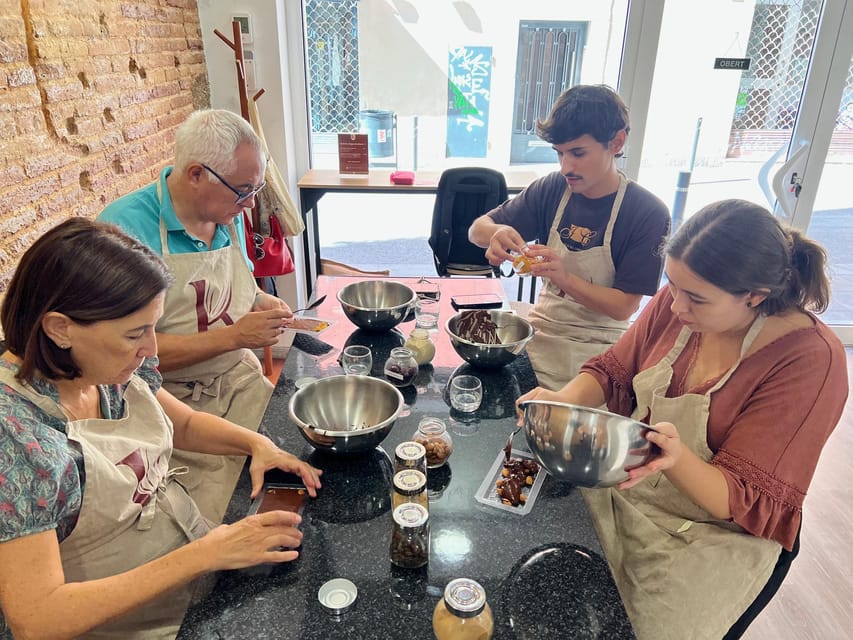
The workshop includes preparing various cocoa-based drinks along the way. This is a smart move, because it broadens your idea of cocoa beyond a candy bar.
You also get tastings that help you notice differences in cocoa elements. Some tastings focus on cocoa from different climates, which trains your palate to pick up subtle variations rather than just “sweet” versus “not sweet.”
The best part is that tastings support the hands-on steps. When you roast and grind, the aromas you smell stop being abstract. They become evidence.
The history and the bean-to-bar mindset: why it’s not just science
You’ll get a history of chocolate as part of the experience, tied to how people have used it over time. It’s not delivered like a lecture. It’s woven into the process so the story feels connected to what you’re doing.
Then you shift into the bean-to-bar mindset: how cocoa-producing communities live and why their work matters. The workshop frames the connection between quality chocolate and the people behind it, so you understand the “why” behind craft.
This is also where the tone from guides like Franklin and Oscar tends to matter. They keep the conversation moving and they make space for questions, so the group leaves with more than one takeaway.
Price and value: is $47 worth two hours in Barcelona?
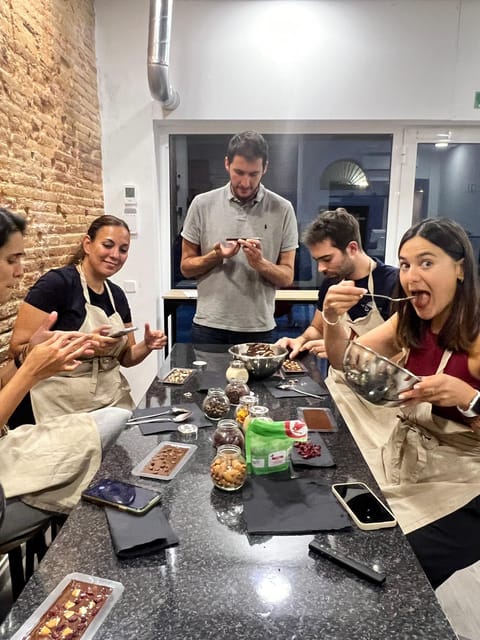
$47 for 2 hours in Barcelona sounds straightforward, but here’s what actually makes it feel like good value.
You get:
- Materials and utensils
- An apron and hat
- Step-by-step hands-on making (roast, peel, grind, cocoa paste)
- Cocoa-based drinks
- Tastings
- One finished chocolate bar to take home
- A personalized certificate and a summary
Most chocolate tastings in the city are mostly about sampling. This is different because you get production time and a take-home result. For chocolate lovers, that’s the key. You’re paying for an experience that changes how you understand and judge chocolate afterward.
The small group size, limited to 8, is another value factor. When it’s not crowded, you don’t feel rushed through the steps.
Who this workshop fits best (and who might want to skip it)
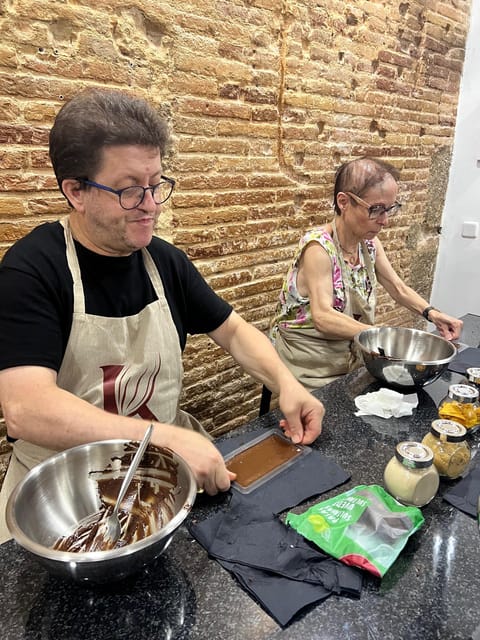
This class fits best if you:
- Want a hands-on activity that’s different from standard sightseeing
- Enjoy food education, especially when it’s practical
- Are traveling with teenagers who still like structured fun
- Appreciate craft and want to understand why bean-to-bar is a real category
It also works for families. One recurring theme from the experience is that it’s a strong choice for kids around 10 and up. Younger kids might be excited, but this is still real food-making work, so the age sweet spot is the point where kids can follow steps and stay curious.
If your idea of a vacation activity is mostly passive, quiet, and low-touch, this might not be your style. You’ll be doing the work with your hands.
Practical tips for a smoother workshop day
Bring a curious mindset, not just an appetite. The more questions you ask during tastings and process explanations, the more you’ll get out of it.
Wear clothes you can tolerate. You’re handling cocoa beans and doing multiple production steps, so think “mess-friendly” even with the apron.
If you have allergies or intolerances, let the team know ahead of time so they can adapt the workshop. The workshop is designed to work with different participants, and they ask for that info so the experience stays safe.
Should you book this bean-to-bar workshop at Kina Chocolates?
If you like chocolate enough to want more than tasting, I’d book it. The combination of real hands-on bean-to-bar steps and the finished bar you take home makes the $47 price feel earned.
I’d especially choose it if you’re in Barcelona for only a few days and you want one activity that teaches you how to think differently about your favorite snack. It’s also a solid rainy-day plan, because it’s fully indoors and built around interactive making.
If you hate mess and you only want a quick, light experience, pick a different food stop. But if you want a memorable, educational, very edible class, this one hits the sweet spot.
FAQ
How much does the Barcelona bean-to-bar chocolate workshop cost?
It costs $47 per person.
How long is the workshop?
The workshop lasts 2 hours.
How many people are in the group?
It is a small group limited to 8 participants.
Where is the meeting point?
The meeting point is Local Kina Chocolates.
What do I make during the workshop?
You make 1 chocolate bar to take home, and you also work on main stages like roasting, peeling, and grinding cocoa beans and making cocoa paste.
What languages are the workshop instructions offered in?
The instructor speaks Spanish and English.
Is the workshop wheelchair accessible?
Yes, it is listed as wheelchair accessible.
What should I do if I have allergies or intolerances?
Let the workshop organizers know about your allergies or intolerances so they can adapt the workshop.
What is the cancellation and booking policy?
There is free cancellation up to 24 hours in advance for a full refund, and you can reserve now and pay later (book your spot and pay nothing today).
Latest Barcelona reviews into the ledger




Workshops, compared.
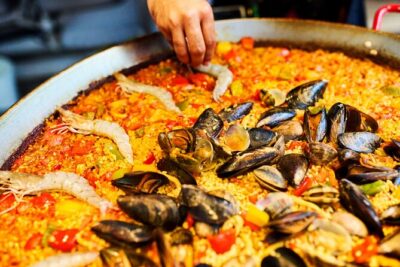
Barcelona Paella Cooking Class with Market Visit, Tapas & Sangria
Read our review →
Spanish Cooking Class Paella Tapas and Sangria in Madrid
Read our review →
Surfing Lesson for All Levels, Photos included
Read our review →
Paella and Sangria Workshop in the City Center
Read our review →
Paella Cooking Class, Wine Tasting & Central Market in Valencia
Read our review →
Group Surfing Lesson at Playa de las Américas, Tenerife
Read our review →
Paella Cooking Class in Madrid with Bottomless Wine Pairing
Read our review →Browse the lists this tour appears in