
Reviewed · MUSEUMS
Bilbao: San Mamés Museum and Stadium Tour
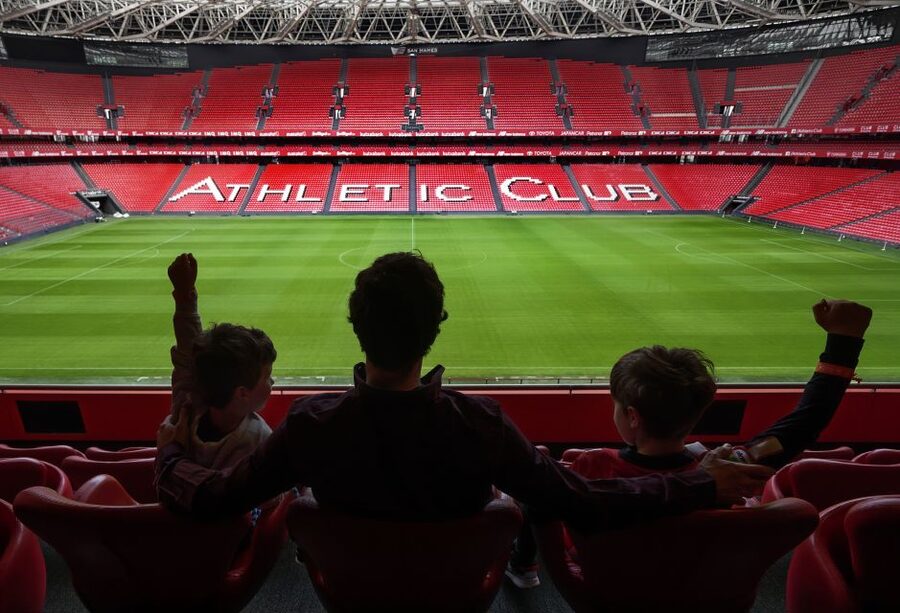
San Mamés is football, built like a real building. This 1-day visit pairs the Athletic Club Museoa with an audio-guided walk through the stadium, including the changing room, tunnel, and the dugout. I particularly liked the smart museum design and the fact that you get pitch-side access without needing a match ticket. One thing to plan around is that the audio experience depends on having your own smartphone plus headphones, and a few people found it a bit confusing.
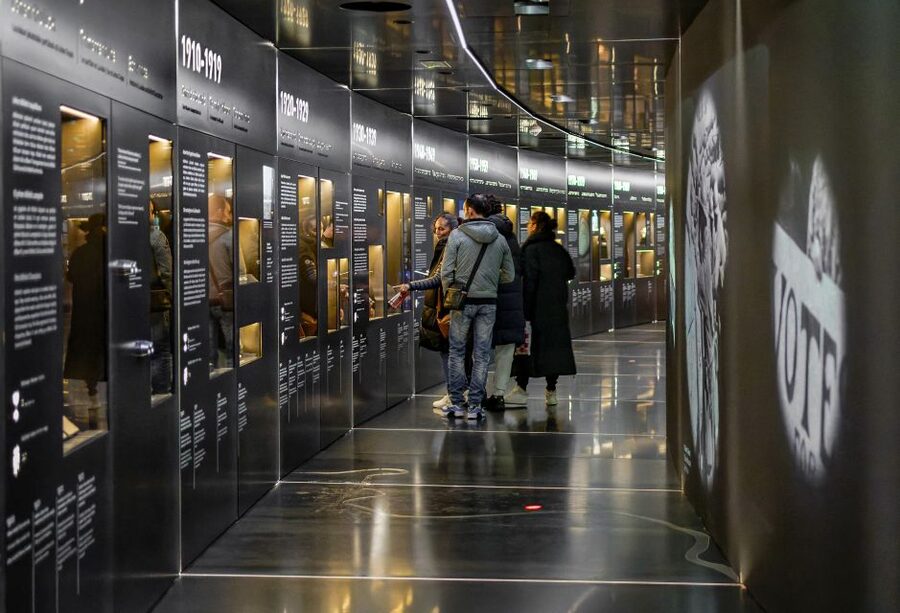
The museum portion is where you get Basque football context, not just trophies in glass. You move through thematic areas with hands-on stations and a lot of multimedia, plus a serious collection of Athletic Club artifacts. My second favorite part was the chance to picture game day from the inside, walking the route that players do, including the tunnel run-out feeling. The possible drawback is practical: there’s some walking and climbing, so wear shoes you trust.
If you’re the type who enjoys sports culture as much as the sport itself, this is a strong pick. The price is also hard to argue with for what you access, especially compared to the cost of many stadium tours elsewhere in Europe. Just note that San Mamés schedules can change for training, other events, or match days.
In This Review
- Quick hits, San Mamés style
- Getting into San Mamés through the museum entrance (Gates 19 and 20)
- The audio guide setup: your smartphone is the ticket to the story
- Athletic Club Museoa: interactive football storytelling, not just displays
- The stadium tour inside San Mamés: locker rooms, tunnel, and dugout
- Pitch-side perspective: the value of being on the field
- Time your visit for museum hours and match-day changes
- Price and value: about $19 for museum plus stadium access
- Who should book (and who might skip it)
- Should you book the San Mamés Museum and Stadium tour?
Quick hits, San Mamés style

- Audio guide you control: you follow the story at your pace, using your phone and headphones
- Real inside-the-club stops: locker rooms, tunnel, press area, and the dugout
- Athletic Club Museoa is built for interaction: multiple video and interactive systems, plus a kids’ playroom
- A serious collection: 500 original football-related objects spanning more than a century
- Great value for the access level: around $19 for museum plus stadium areas
- Plan for match-day disruption: opening times and route access can tighten around kick-off
Getting into San Mamés through the museum entrance (Gates 19 and 20)

Your visit starts at San Mamés Stadium, specifically between gates 19 and 20. That detail matters. Give yourself a few extra minutes to orient, because once you’re inside, the whole experience runs smoother when you’re calm and not hunting for the right corridor.
After you enter, the experience quickly shifts from the outside world to grass-level football. You’re not just staring at stadium photos. You’re moving through spaces designed to make you understand how the club thinks, trains, and performs.
Also, this is a place where rules can shift with the day. San Mamés can adjust access for match days, training, or behind-closed-doors sessions. If your schedule is tight, it’s worth choosing a time that gives you a cushion.
More turns through the two great stadiums:
- Madrid: Tour Bernabéu Entry Ticket
★ 4.5 · 21,573 reviews - Madrid: Atlético de Madrid Stadium Entry
★ 4.7 · 2,022 reviews - Madrid: Guided Tour of Bernabéu Stadium
★ 4.1 · 1,445 reviews - Camp Nou Immersive Tour F.C.Barcelona Museum: Open Date Ticket
★ 4.0 · 1,307 reviews
The audio guide setup: your smartphone is the ticket to the story
This tour is built around an audio guide. It’s available in English, Spanish, Basque, and French, and it’s included with your museum and stadium tour ticket.
Here’s the practical part: the tour requires you to bring your own smartphone and headphones/earphones. So before you leave your hotel, do two things. First, charge your phone to full. Second, bring the wired or wireless headphones you already know work well.
One thing I’d plan for is the possibility of confusion with the audio flow. A few visitors reported the audio being a bit unclear. Another practical complaint was more specific: at least one visitor needed to scan a QR code on a phone and said there was no free Wi-Fi available at the stadium. That doesn’t mean it will happen to you, but it does mean you should not rely on downloading anything at the last minute.
My suggestion: arrive with everything ready. If the audio depends on QR scanning, have your phone camera working, screen brightness comfortable, and battery life to spare.
Athletic Club Museoa: interactive football storytelling, not just displays

The Athletic Club Museum is modern and intentionally designed to keep you moving. You’re guided by the audio, but you also have the freedom to look, pause, and replay parts that catch your interest.
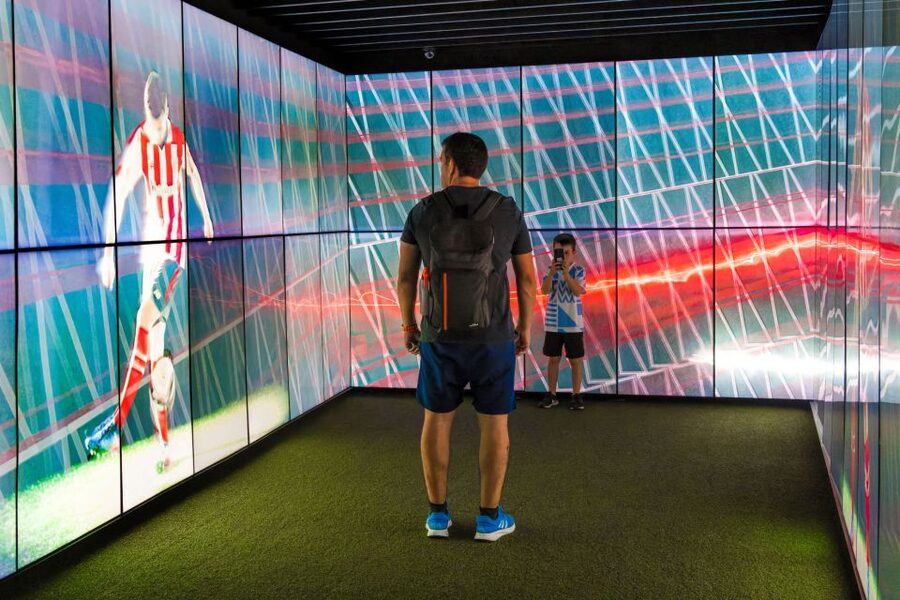
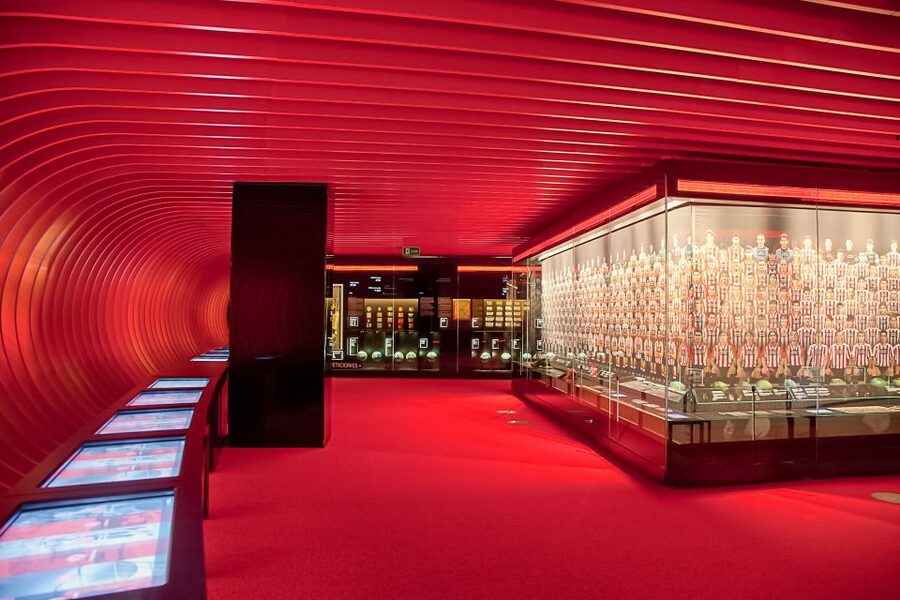
What’s impressive is how the museum balances big club narrative with hands-on, small-scale attention. The museum includes thematic areas plus multimedia. The museum also features 4 audiovisual productions, 13 interactive systems, 600 videos, and a video wall that adds motion to the club story. There’s also a playroom for younger visitors, which helps if you’re traveling with kids who might otherwise tap out after 20 minutes of glass cases.
The club’s identity comes through in the collection itself. You’re looking at 500 original football-related objects collected over more than a century. That scope matters because it turns Athletic Club from a modern team into a long-running cultural institution.
As you walk through, you’ll see trophies, costumes, graphics, and audiovisual material tied to the club’s Red and Whites identity. The point is not only to know what they won. It’s to understand how Athletic Club has presented itself over generations, and how that presentation connects to people in the Basque Country.
If you love museums that give you a reason to stand still and read something, you’ll be happy here. If you mostly want the story told fast, the interactive systems help you keep momentum.
The stadium tour inside San Mamés: locker rooms, tunnel, and dugout
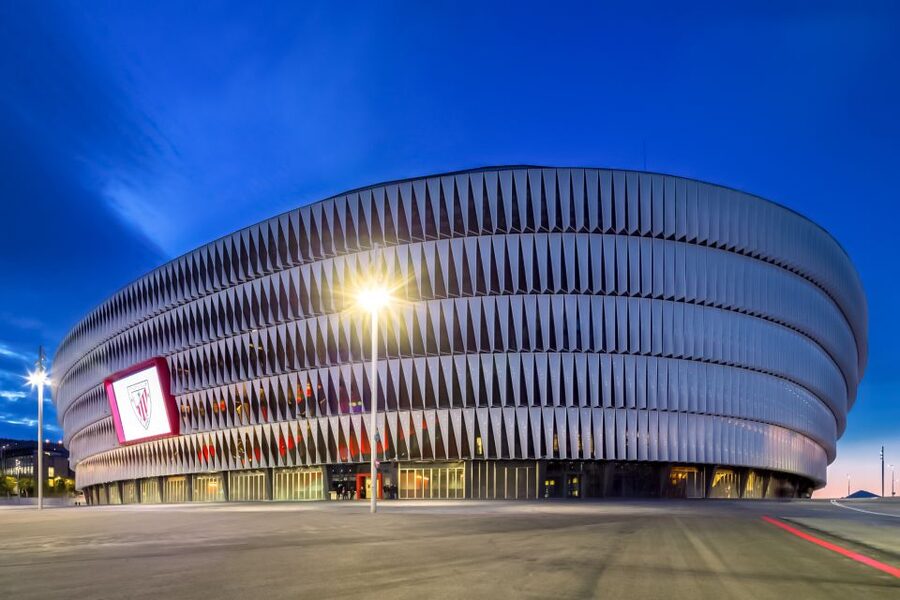
After the museum, you shift into stadium mode. This is where the experience feels most like the inside of a match day.
The tour takes you to the club’s home spaces: the changing room, the players’ tunnel, and the dugout where you can imagine match decisions being made. Then you go one step further, down to the grass-level feeling, where the audio and the setting are trying to put you in a player’s head.
Walking through the locker room is a good reality check. You see how much of football is routine, not just drama. The tunnel experience hits differently too, because you’re not just looking at a pitch. You’re standing on the path that leads to it, and the stadium geometry does the storytelling for you.
Then comes the press-room feeling. The tour includes time to imagine that buzz, with the route designed around the idea that you’re stepping into multiple roles: player, staff, and media.
The biggest caution here is physical. Multiple reviews mention lots of walking and climbing steps. San Mamés is a stadium, and stadium tours are rarely flat. Wear supportive shoes. If you’re sensitive to stairs, go slower through the route and plan a short pause after the locker rooms.
More Spanish halls of paint and armour:
- Bilbao: Private & Exclusive Guggenheim Museum Guided Tour★ 4.8 · 296 reviews
- Madrid: Prado Museum Entry Ticket★ 4.6 · 20,699 reviews
- Málaga: Museo Picasso Málaga Entry Ticket★ 4.4 · 11,138 reviews
Pitch-side perspective: the value of being on the field
The most memorable part for many people is that you actually get to sit in the dugout and see the pitch from close range. Even if you’re not a diehard football fan, being on the field helps you understand scale. Stadiums can look big from the street. They feel different when you stand where the crowd’s energy lands.
This is also one of those experiences where your own imagination fills in the blanks. The stadium gives you the blank canvas: you can picture warmups, pre-match tension, and the noise you’d hear at kick-off.
If you are a football fan, this is the part you’ll appreciate most. If you’re not, it’s still the payoff moment, because you get the atmosphere of a professional venue, not a staged set.
One small extra note from experience feedback: on at least one visit, people noticed other sport activity around the grounds, like cycling teams. That’s not guaranteed, but it hints at how often stadium areas host more than football on the side.
Time your visit for museum hours and match-day changes
Timing is a real factor at San Mamés because match days and event days can reshape access.
The museum closes at 7:00 PM in winter (November to February) and 8:00 PM in summer (March to October). If you go late, you may feel rushed, especially because you’ll want time to work through interactive parts.
Match days can also adjust the rules. If a match happens within museum opening hours, the museum closes 2 hours before kick-off, and the stadium cannot be visited 4 hours before kick-off. There are also schedule modifications possible for training sessions and other events.
So my practical advice is simple: check the day’s schedule before committing to a late slot. If you’re visiting during a match week, consider going earlier in the day so you’re not forced into a tight window.
Price and value: about $19 for museum plus stadium access
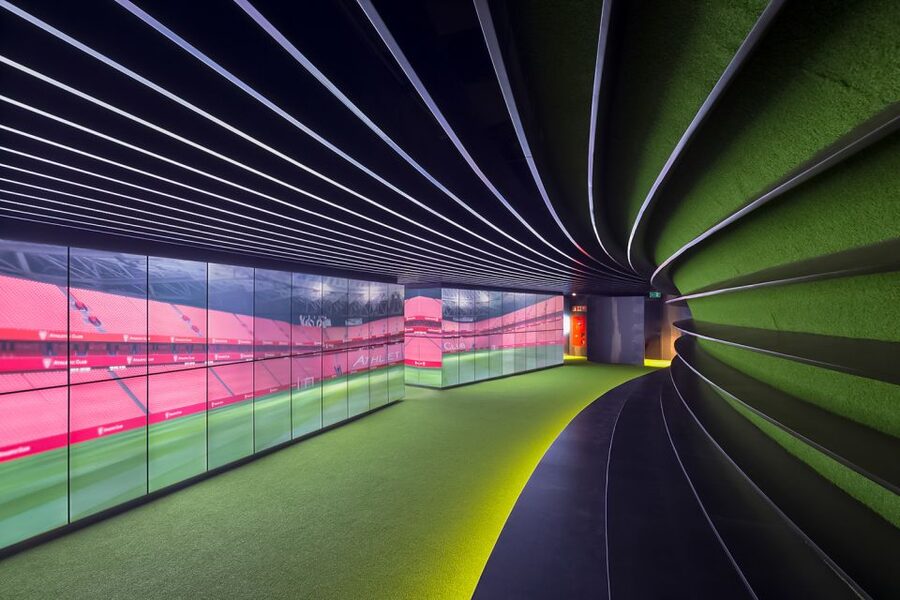
At around $19 per person, this is strong value for what you get. Many stadium tours elsewhere focus mainly on views and a quick walk. Here you get the museum plus stadium route, and the museum itself is content-heavy: hundreds of videos, multiple interactive systems, and a large set of original objects.
The pitch-side areas are the big deal. The changing room and tunnel access make the visit feel like more than a photo stop. And because you’re using an audio guide, you can revisit sections you care about, instead of being trapped behind a fast-moving group.
Is it perfect value for everyone? If you absolutely hate audio-based navigation, you might feel less satisfied. And if you’re expecting a narrated guided tour with a live guide holding your hand, this is not that. It’s a self-paced audio structure.
But for the price, the access level is the main reason this feels worth it.
Who should book (and who might skip it)
You should book if:
- You like football culture as a whole, not only match results
- You want insider access to a major Spanish stadium
- You enjoy interactive museums with video and hands-on elements
- You’re traveling with a mix of football fans and curious non-fans, because the museum works even without deep knowledge
You might consider other options if:
- You rely on strong live interpretation and feel frustrated by audio-only guidance
- You struggle with stairs and long walking routes
- You are visiting right before or during a match, and you need guaranteed access without schedule changes
This is also a good pick for families. Reviews mention kids enjoying the experience and the fact that the museum has a playroom helps reduce the usual museum boredom.
Should you book the San Mamés Museum and Stadium tour?

I think you should book if your goal is a real inside-the-stadium experience at a price that doesn’t make you think twice. The combination of Athletic Club Museoa plus the locker room, tunnel, press-room atmosphere, and dugout access is the selling point, and it’s something you simply can’t get from a quick stadium photo loop.
Just be smart about preparation. Bring your smartphone and headphones, charge your phone, and wear comfortable shoes. If you want the smoothest experience, choose a time that avoids the most likely match-day access complications.
Latest Bilbao reviews into the ledger






Museums, compared.

FC Barcelona Museum “Barça Immersive Tour” Ticket
Read our review →
Park Güell and Gaudí House Museum Entry Ticket
Read our review →
Puro Flamenco Show with Optional Museum Ticket
Read our review →
Moco Museum Barcelona: Modern & Contemporary Art
Read our review →Browse the lists this tour appears in