Reviewed · TICKETS
Calasparra: Cueva del Puerto Entry Ticket with Guided Tour
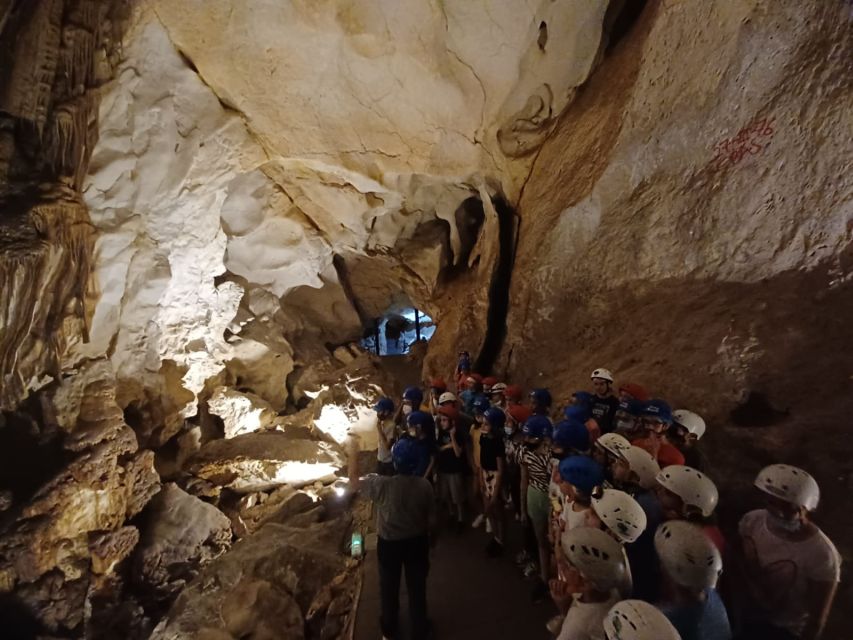
50 meters down, Calasparra changes mood. The Cueva del Puerto guided tour takes you into a rock cavity where LED-lit galleries reveal natural shapes and a 15-million-year story.
I especially like the guided geology focus, with a real sense of how water shaped the ceilings and walls over thousands of years. The one drawback to consider is that this walk can feel tight in places, and it is not suitable for claustrophobia, plus there’s a short flight of stairs on the route.
In This Review
- Key Highlights You Should Plan Around
- Calasparra’s Cueva del Puerto: What You’re Really Walking Into
- Meeting Point and How the 1.5-Hour Cave Walk Flows
- Going 50 Meters Underground: The Start of the Indiana Jones Feeling
- The 700-Meter Route: How LED Lighting Makes Cave Shapes Readable
- Bridges Around 20 Meters High: The Adrenaline Moment
- The Antoni Gaudí Gallery: When Cave Rock Imitates Art
- The 1966 Discovery Story and Why It Matters
- The Luminescent Minerals Room: Where the Lighting Takes Over
- What the Tour Feels Like in Practice (Not Just on Paper)
- Price and Value: Is $22 Worth It?
- Who Should Book This Cave Tour (And Who Might Not)
- Tips for a Smoother Visit
- Should You Book the Cueva del Puerto Guided Entry Ticket?
- FAQ
- How long is the guided tour of Cueva del Puerto?
- Where do I meet the guide?
- How far underground do you go?
- How much of the cave system do you walk through?
- What will I see during the tour?
- Are there bridges, and how high are they?
- What should I bring, and what shoes should I wear?
- Is the tour suitable for claustrophobia?
- Is free cancellation available?
Key Highlights You Should Plan Around
- Descend 50 meters into a cave system estimated to be 15 million years old
- Cross bridges about 20 meters high, where your view drops straight down
- Guides like Manolo, Ana, and Mavi are praised for clear explanations and a full, well-paced tour
- See formations like root-like stalactites and popcorn-like bumps along well-illuminated paths
- Spot the gallery named after Antoni Gaudí, a favorite moment on this route
- Visit the luminescent minerals room, where the lighting makes minerals look alive
Calasparra’s Cueva del Puerto: What You’re Really Walking Into
Calasparra is in Spain’s Murcia region, and the Cueva del Puerto is the kind of place that makes your brain go quiet in the best way. You start at ground level, then you’re led underground into a natural network of galleries stretching about 700 meters.
This is not a quick peek. The tour is designed like a guided walk through a living geology museum, with plenty of time to look up and notice patterns. Expect stalactites, sculpted ceilings, and shadows that shift as the LED lights hit the rock walls.
Meeting Point and How the 1.5-Hour Cave Walk Flows
You meet your guide at the main entrance of the caves, then the group sets off with entry ticket included. The tour lasts about 1.5 hours, and the route is planned around walking paths, bridges, and a few small changes in level.
There’s a short flight of stairs on the route. It’s not described as huge, but it matters if you’re traveling with anyone who doesn’t do stairs well. The good news is the cave is set up with walkways and bridges, so you are not navigating in the dark.
This is also a Spanish-language tour with a live guide. If your Spanish is basic, you can still enjoy the visuals, but the explanations are part of the value here.
Going 50 Meters Underground: The Start of the Indiana Jones Feeling
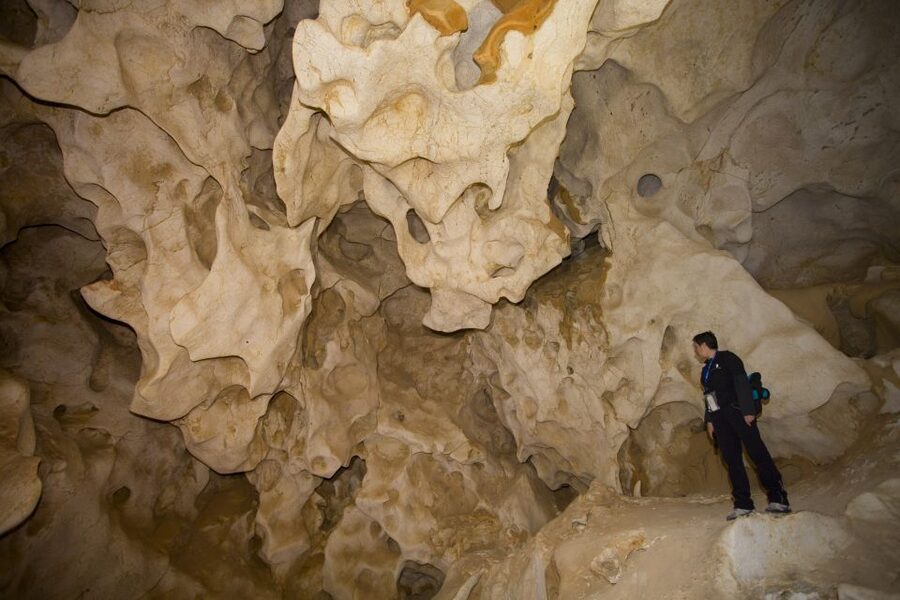
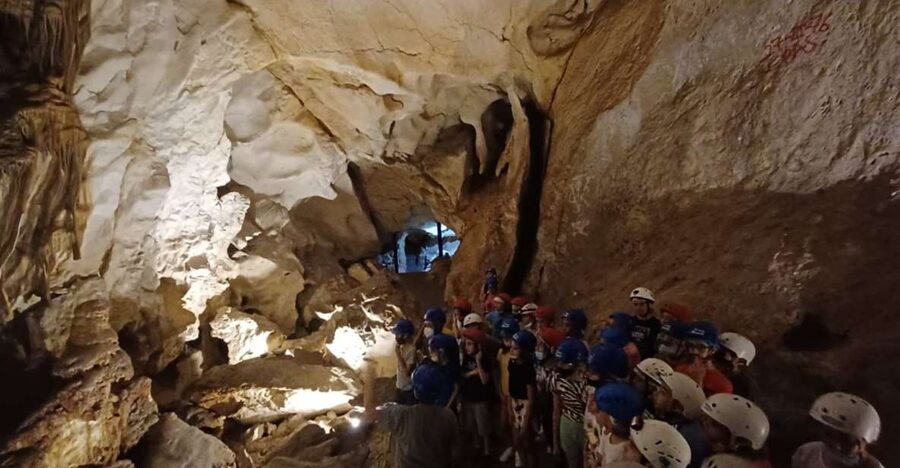
The first big moment is the descent, described as going 50 meters underground. That depth changes your sense of temperature and sound fast. Even if you’re not worried about heights, just being inside that rock cavity is the start of the adrenaline.
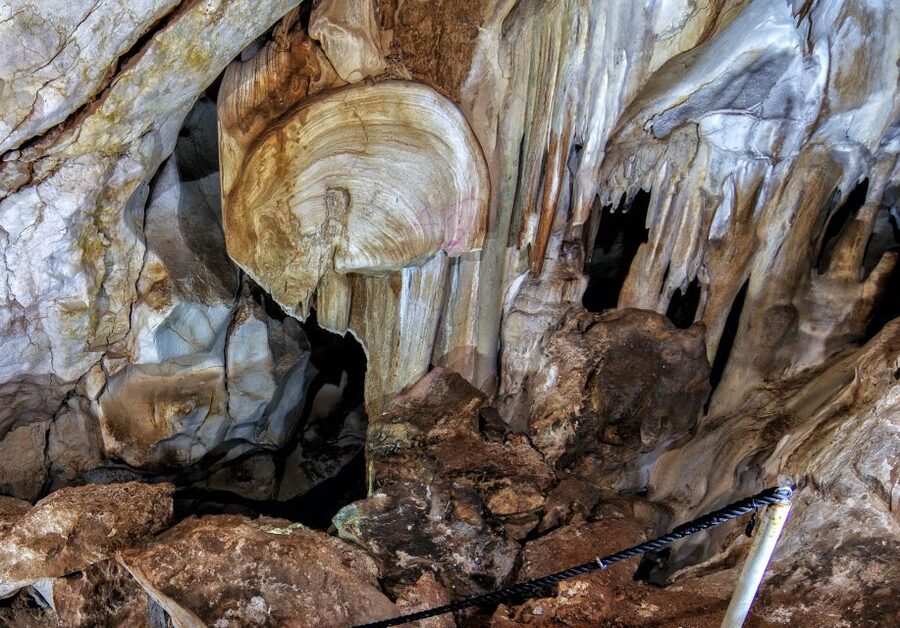
You’ll move through multiple galleries and see natural ceiling and wall shapes formed over an incredibly long time. The guide explains how water formed these patterns over thousands of years, and you start noticing the difference between simple rock texture and true cave formations.
Along the way, you may see stalactites that resemble roots, plus smaller formations that look like popcorn. That might sound playful, but it’s actually useful. When you can compare shapes to something familiar, you spot more detail in seconds.
The 700-Meter Route: How LED Lighting Makes Cave Shapes Readable
One reason this tour feels smooth is the lighting. The walkways and bridges are well illuminated, and LED lights are used to highlight shapes and shadows on the cave walls.
Without that illumination, cave rock can turn into one big gray mass. With it, you start seeing edges, ridges, and layered mineral deposits. The shadows become part of the experience, almost like the cave is drawing with light.
As you keep walking, the guide ties the visuals to the formation process. That’s where this kind of tour pays off. You’re not just looking at pretty rocks. You’re learning how the cave network works and how slow water movement can build dramatic structures.
Bridges Around 20 Meters High: The Adrenaline Moment
Then comes the moment that gets people talking: some of the bridges sit about 20 meters above the cave floor. If you’re fine with heights, you’ll likely enjoy this part because it adds a very real jolt of energy.
If you’re not great with heights, don’t panic. The bridges are part of a guided route with set paths, so you’re not choosing your own way through. Still, I recommend taking it slow, keeping your focus on the walkway, and letting the guide set the pace.
This is one of those experiences where your body reacts before your mind catches up. The best strategy is simple: look ahead at the route, breathe, and don’t rush the photos in your head. The cave will still be there when you reach the next lit gallery.
The Antoni Gaudí Gallery: When Cave Rock Imitates Art
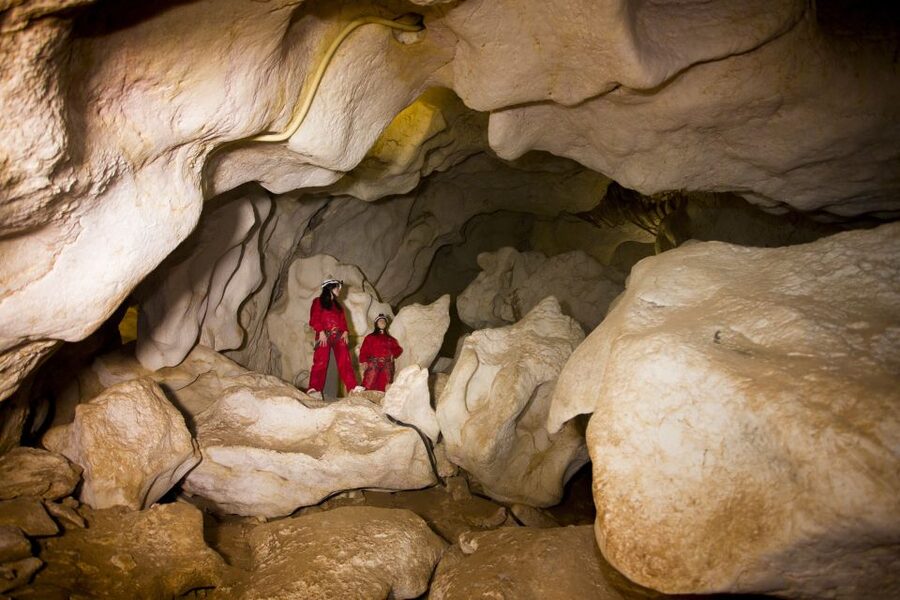
At some point on the walk, you’ll visit the gallery named after Antoni Gaudí. The point of this stop is not that the cave was made by a famous architect. It’s that the formations create shapes people associate with Gaudí’s style, with flowing, textured forms that feel almost designed.
This stop works for two types of travelers. If you love architecture, you’ll enjoy the comparison. If you’re more into geology, you’ll focus on the way water and mineral deposition create curves and protrusions that resemble sculpture.
It’s also a good place to pause mentally. Early on, the cave is about scale and depth. Later, you start noticing how individual features form a connected scene.
The 1966 Discovery Story and Why It Matters
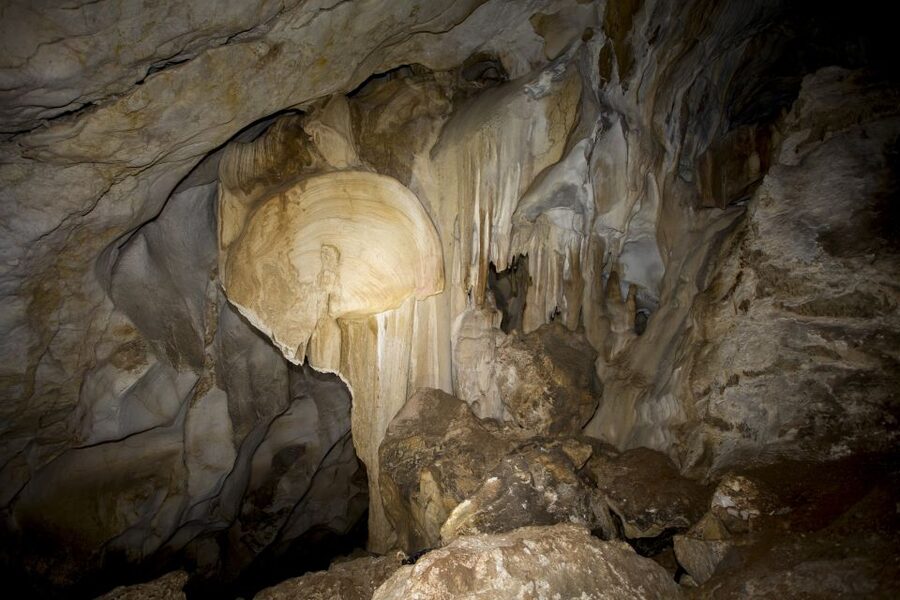
About halfway through the tour, you’ll hear the story of how this underground network was discovered in 1966. This kind of detail does more than add trivia. It gives you context for why the cave route is the way it is and why guided access matters.
Caves like this are living systems, even when they are mostly dry to the eye. Finding them, mapping them, and deciding how to share them safely is part of the story. The guide’s explanation helps you connect the present walking route with the past moment when people first realized what was underground.
Discovery stories also change how you look around. Instead of seeing only what’s illuminated, you start imagining what the surrounding rock might be like beyond the walkway.
The Luminescent Minerals Room: Where the Lighting Takes Over
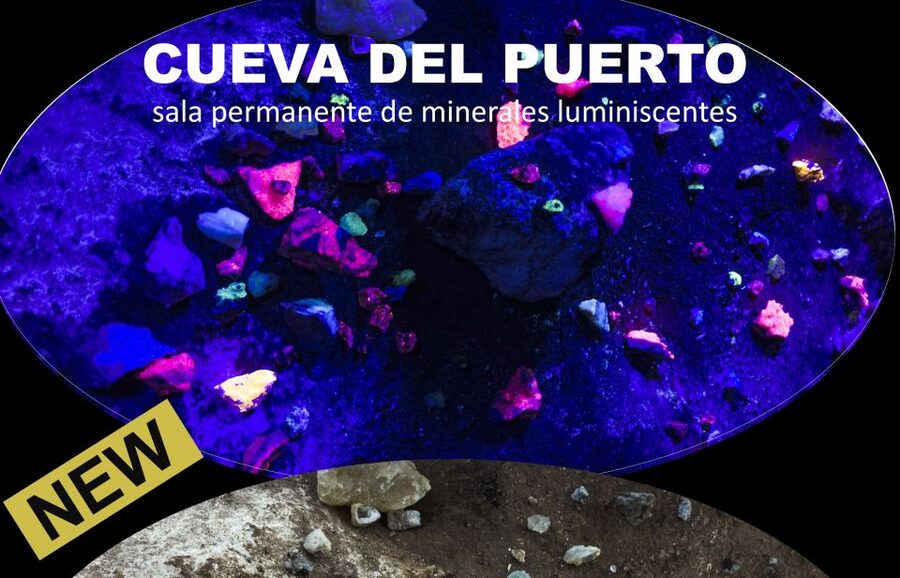
Near the later part of the tour, you’ll visit the luminescent minerals room. This is a highlight because it’s not just shapes you’re studying. It’s how light interacts with minerals.
Even if you’ve seen glowing stones in a museum, the cave setting changes the impact. There’s a sense of scale and closeness that makes the minerals feel more intense, like you’re standing inside a natural experiment.
This is the kind of room where the guide’s pacing matters. Don’t rush through it. Take a few minutes, let your eyes adjust, and watch how the mineral shine changes as you move.
What the Tour Feels Like in Practice (Not Just on Paper)
The tour is built around walking, looking up, and listening. It’s not the kind of experience where you just follow a group and nod. The route is long enough to feel like a real cave journey, about 700 meters total, and the age of the cave system, estimated around 15 million years, gives you a strong sense of scale.
The well-illuminated walkways help you stay oriented. But you still move through a true underground environment, with naturally damp air and rock surfaces that look different depending on lighting angles.
One detail I love about guided cave tours is that they remove guesswork. Your brain stops trying to identify everything, and instead you learn a few key explanations that unlock the rest. Here, that includes water-driven formation, plus the way the LED lighting reveals features.
Price and Value: Is $22 Worth It?
At about $22 per person, this ticket plus guided tour can feel like good value, especially if you’re the type who likes understanding what you’re seeing. You’re paying for three things at once: entry, a walking route, and a live guide who explains cave formation and the site’s features.
A self-guided visit might let you see the basics. But in a cave like this, the details are what make it memorable, like root-like stalactites, popcorn-like formations, the Gaudí gallery, and the luminescent minerals room. The guide helps you notice those items as more than shapes.
Also, the 1.5-hour duration is a practical sweet spot. Long enough to feel like you did something real underground, short enough that it works as a focused half of your day in Murcia.
Who Should Book This Cave Tour (And Who Might Not)
This tour is best for you if you enjoy geology, natural formations, and stories that connect the rock to real human discovery. It’s also great if you like a little controlled adventure, since those bridges add energy to the walk.
You should think twice if any of these apply:
- You have claustrophobia (this tour is not suitable)
- Heights make you panic, because some bridges are about 20 meters high
- You’re worried about stairs, since there’s a short flight on the route
Pets are not allowed, so plan accordingly if you’re traveling with animals. Also, wear closed-toe shoes. The cave environment means footing and comfort matter more than style.
Tips for a Smoother Visit
Even though the cave ticket info says to bring warm clothing, real-world comfort can surprise you. One person noted the cave temperature feels good, and humidity can make it feel warm, despite the general advice to stay warm. My practical recommendation is to bring layers you can adjust, like a light warm layer plus something breathable underneath.
Closed-toe shoes are non-negotiable. You’ll be walking on cave paths and bridges where stability matters.
If you want a break during your day in Calasparra, keep in mind that some visitors mention a bar service on site. It’s not listed as part of the tour itself, so treat it as a possible extra rather than a guaranteed feature.
Should You Book the Cueva del Puerto Guided Entry Ticket?
I’d book this tour if you want a real underground experience with guided explanations and set moments that deliver. The combination of LED-lit galleries, the adrenaline of 20-meter-high bridges, and the luminescent minerals room gives you variety within the 1.5 hours.
Skip it if you’re uncomfortable with enclosed spaces or if heights trigger anxiety. This isn’t a gentle walk through a showroom. It’s a structured cave adventure with real drops and real stairs.
If you want value, choose it when you can focus on details. This is the kind of experience where you get more out of it when you look up and listen closely, because the formations are the main event.
FAQ
How long is the guided tour of Cueva del Puerto?
The tour duration is about 1.5 hours.
Where do I meet the guide?
Meet your guide at the main entrance of the caves.
How far underground do you go?
You descend 50 meters underground.
How much of the cave system do you walk through?
The caves are spread over about 700 meters along the route.
What will I see during the tour?
You’ll see natural galleries, sculpted formations on the ceilings and walls, stalactites with shapes like roots and popcorn, the gallery named after Antoni Gaudí, and a luminescent minerals room.
Are there bridges, and how high are they?
Yes, the route includes bridges, with some bridges about 20 meters above the cave floor.
What should I bring, and what shoes should I wear?
Bring warm clothing and wear closed-toe shoes.
Is the tour suitable for claustrophobia?
No. The tour is not suitable for people with claustrophobia.
Is free cancellation available?
Yes, you can cancel up to 24 hours in advance for a full refund.
Tickets, compared.
Sagrada Familia Entry Ticket with Audio Guide
Read our review →