
Reviewed · THINGS TO DO IN CORDOBA
Cordoba Mosque-Cathedral: Skip-the-Line Guided Tour
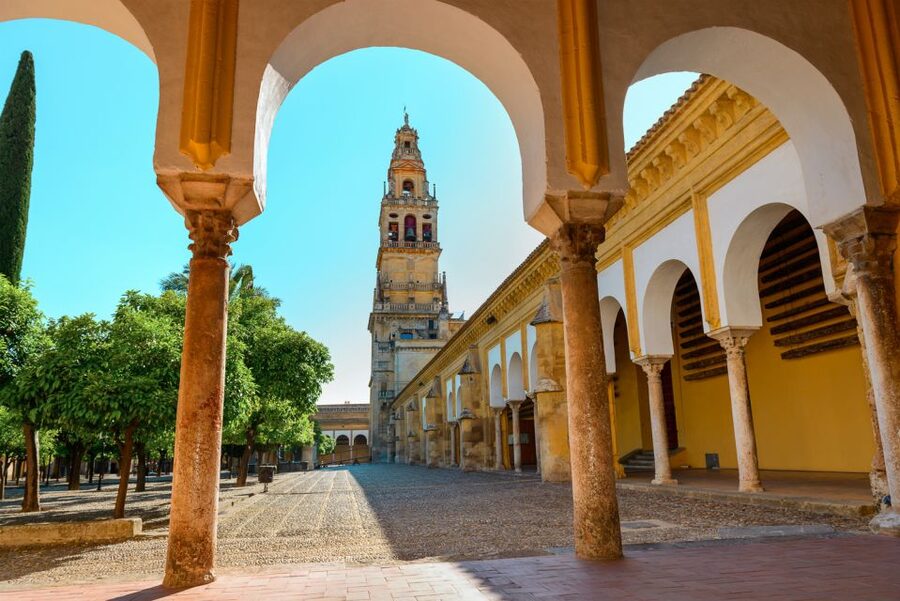
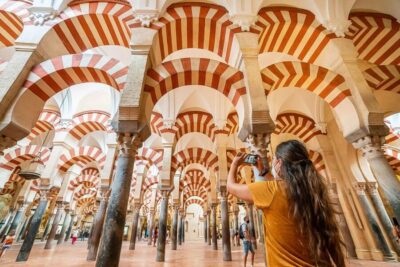
Those double arches can stop you cold. This skip-the-line guided tour gives you a clear path through one of Spain’s strangest, most powerful buildings, and it ties the changes in stone to the people who made them. I like how the art historian guide turns what looks like a maze of arches into a readable timeline, from Abd al-Rahman to the later Christian conversion.
Two things I especially like: first, you get your bearings fast, with the key phases explained as you walk. Second, the guide points out design choices, like the famous double-arcades, so you understand why the building felt revolutionary in its time. One drawback to think about is that 1.5 hours moves quickly. If you want long, slow contemplation at every corner, plan extra time afterward.
In This Review
- Key highlights to look for on this tour
- The Mosque-Cathedral of Cordoba, why it’s not just pretty
- Skip-the-line and the 1.5-hour rhythm you’ll want
- Abd al-Rahman I, the first mosque layers you can actually spot
- Almanzor extensions, why the Mezquita grew into something bigger
- Reconquista conversion under Christian rule, what changes and what stays
- Architecture that mixes East and West, and how a guide helps you notice it
- The art historian guide, how names like Fatima, Maria, and Patricia fit in
- Price and value, is $35 worth it?
- Practical tips for your visit inside La Mezquita
- Who should book this skip-the-line guided tour?
- Should you book it?
- FAQ
- How long is the Cordoba Mosque-Cathedral skip-the-line guided tour?
- How much does the tour cost?
- What is included with the ticket?
- Is hotel pickup included?
- What languages are offered for the live guide?
- Is the Mosque-Cathedral tour wheelchair accessible?
Key highlights to look for on this tour
- Skip-the-line entry that saves you time in a monument where crowds can slow everything down
- Art historian narration that links construction phases to real rulers, not just dates
- Abd al-Rahman I’s early mosque presented as a starting point you can still spot
- Almanzor-era growth explained so extensions make sense instead of feeling random
- Reconquista conversion to a cathedral, framed so you can see what changed and why
- Short independent time at the end, usually enough to re-spot your favorite details
The Mosque-Cathedral of Cordoba, why it’s not just pretty
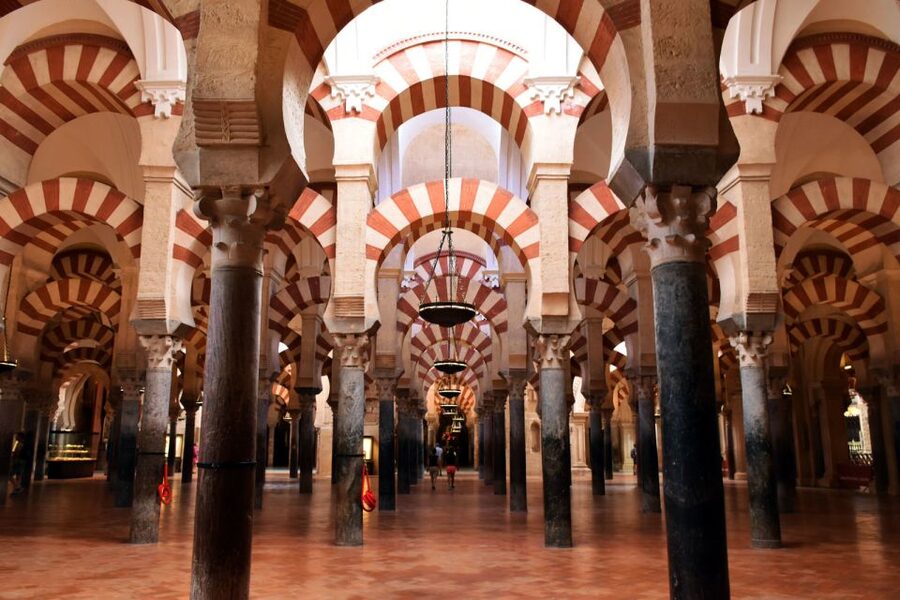
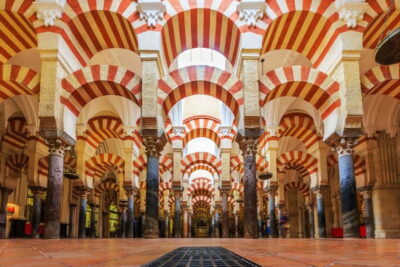
The Mosque-Cathedral of Cordoba, often called La Mezquita, is the kind of place where the first impression is visual, then the second impression is intellectual. At a glance, it’s an ocean of arches and columns, all patterned repetition and engineered rhythm. Then a guide helps you notice the building’s layers, how each era kept building on top of the last one.
What makes this tour worth it is that it treats the monument like a document. You’re not just being shown artwork. You’re being taught how to read construction stages in real time. The result is that you walk away with a mental map, so the building stops being confusing and becomes meaningful.
If you care about cultural contact, religion, power, and art together, this is a rare combo in Spain. You see how eastern forms and local building traditions could live inside the same space, and you also see how conquest and conversion left physical marks you can still point to.
More Things to Do in Cordoba
- Córdoba: Skip-the-Ticket-Line Mosque-Cathedral Guided Tour
★ 4.6 · 9,634 reviews - Córdoba: Jewish Quarter, Mosque, and Alcázar Tour
★ 4.6 · 5,143 reviews - Cordoba: Mosque-Cathedral E-Ticket with Audio Guide
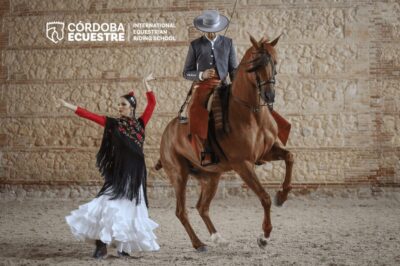
★ 4.1 · 2,895 reviews - Cordoba: Equestrian Show General Entry
★ 4.5 · 2,333 reviews
Skip-the-line and the 1.5-hour rhythm you’ll want
This is a 1.5-hour guided visit with an entry ticket included. That length matters because the Mosque-Cathedral is big, and it’s easy to spend your time wandering and re-wandering. With a guide, you get a sequence: where to start, what to look for first, and which details connect to the bigger story.
You’ll also likely appreciate the skip-the-line element more than you think. Cordoba gets busy, and the monument can feel like a slow moving crowd scene unless you know where to stand, where to turn, and what the guide will ask you to notice next. Guides often keep groups together even when it’s hectic, and the pacing is usually designed to prevent you from missing key stops.
One practical note: there’s no hotel pickup, and the meeting point can vary depending on the option you book. So plan to be at the designated spot a bit early, with comfortable shoes. This is a walk-through of a monument, not a sit-and-watch history lecture.
Abd al-Rahman I, the first mosque layers you can actually spot
A major value of this tour is that it starts at the beginning: the caliphate period of Abd al-Rahman I. Instead of treating the Mezquita as one finished object, your guide frames it as a sequence of decisions.
You’ll hear about the earlier site context, including the old Basilica of San Vicente tied to the Spanish Visigoth era. That matters because it explains why the location mattered before the mosque even took shape.
Then comes the key shift: Abd al-Rahman I’s early mosque. The guide helps you understand what the first building would have been like and why it set the tone for later expansion. Standing inside, it’s easy to feel like every arch is part of the same visual field. The historian-led part helps you see how the structure and style reflect the priorities of its era.
If you like being able to point and say, I see why they did that, you’ll enjoy this section. The best guides keep things visual: you’re not just memorizing rulers, you’re linking those names to design choices you’re standing next to.
Almanzor extensions, why the Mezquita grew into something bigger
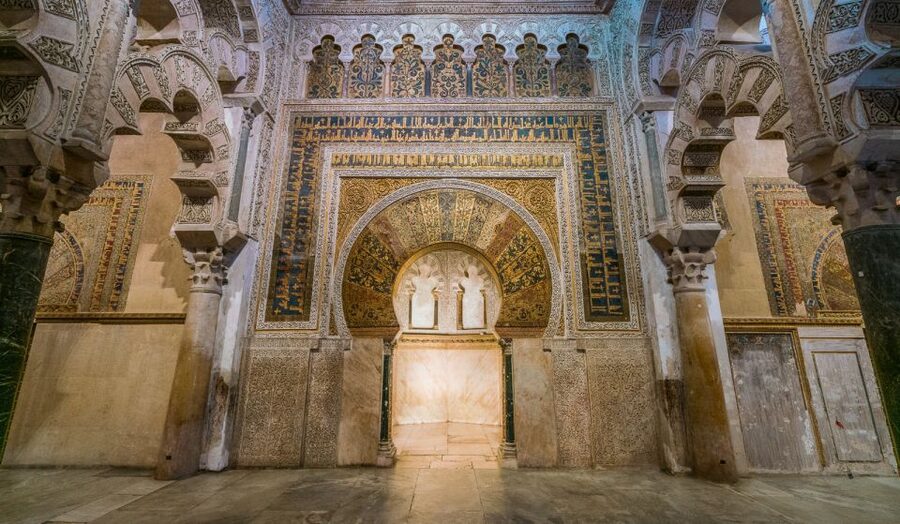
After the early mosque, the story continues with later additions under Muslim Iberia, including the time associated with Almanzor. This is where a guide earns their paycheck, because without context, expansions can feel like random patchwork.
Your guide explains successive extensions and what those changes meant as the monument gained status. You’ll hear about the Umayyad Caliphate context in Cordoba, including how the building’s reputation compared itself to the great mosques of the East.
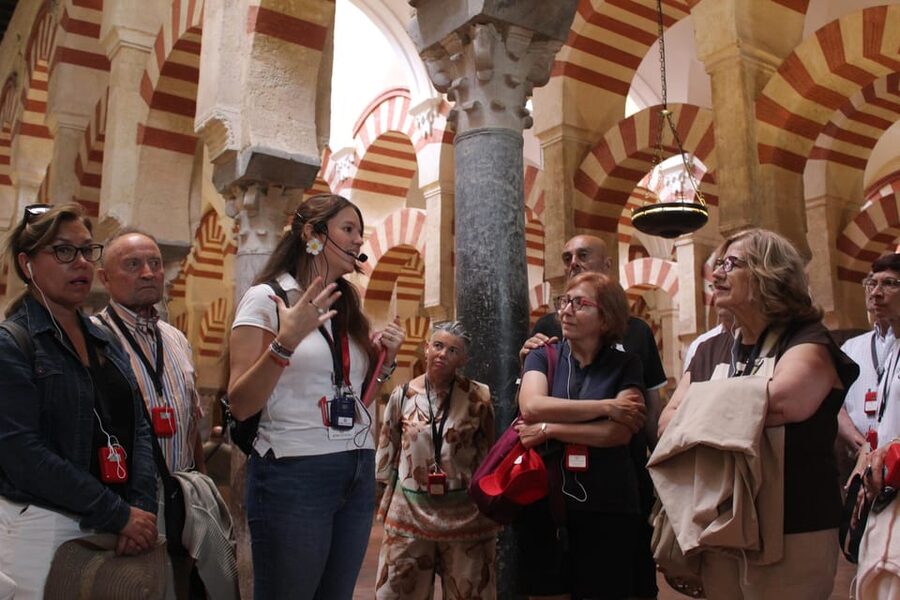
The most famous design feature you’ll likely spend time on is the set of double arches. This is one of those details that sounds technical until you’re standing in front of it. The guide helps you understand why it made the interior feel higher and more dramatic for its time, and why the repetition of arches becomes more than decoration. It’s structure, perspective, and visual rhythm all working together.
Think of it like this: the Mezquita isn’t just built from materials, it’s built from perception. When you learn how those arches guide your eyes, the space starts doing more than looking impressive. It starts making emotional sense.
A few more Cordoba verdicts worth reading
- Cordoba: Alcazar Guided Tour and Skip-the-Line Ticket★ 4.2 · 1,792 reviews
- Córdoba: Skip-the-Line Great Mosque-Cathedral History Tour★ 4.7 · 1,690 reviews
- Barcelona: Park Guell Guided Tour with Skip The Line Entry★ 4.7 · 17,563 reviews
Reconquista conversion under Christian rule, what changes and what stays
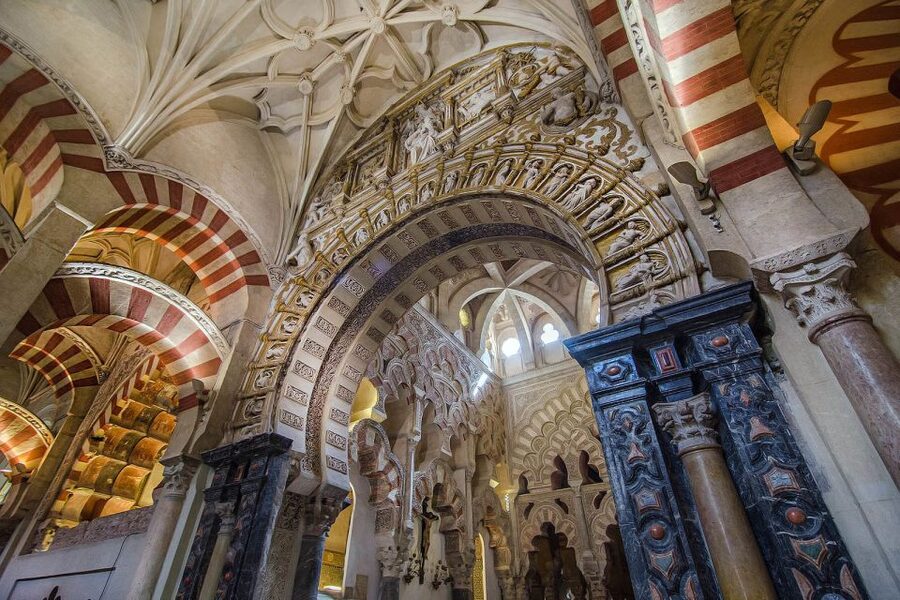
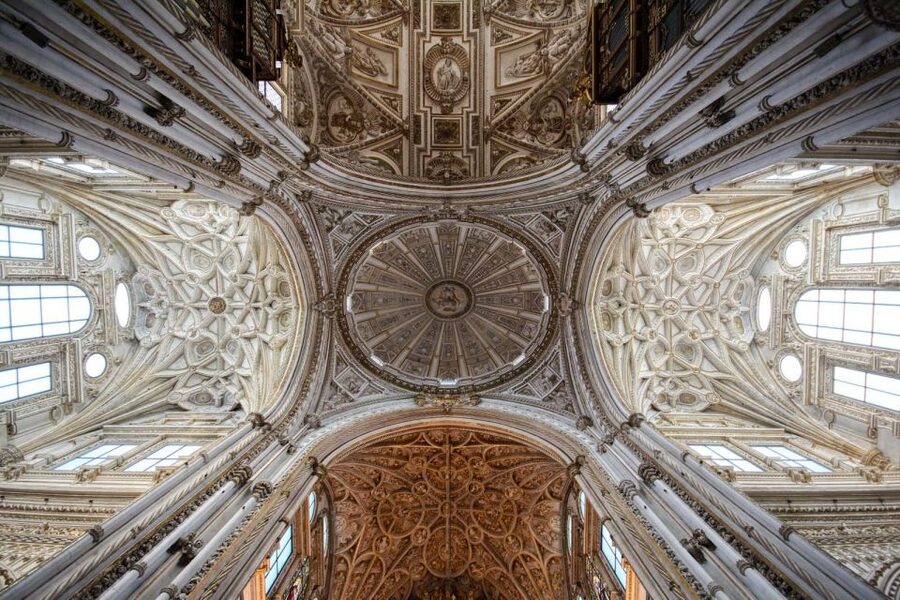
Eventually, the Mezquita story turns into a different kind of history. You’ll hear about the Reconquista of Cordoba by the Christian armies led by Fernando III, when the mosque was converted into a cathedral.
This part can feel sensitive, but a strong guide handles it with respect. The goal is not to reduce one period to a villain and another to a hero. It’s to show what happened, then explain what physical changes resulted.
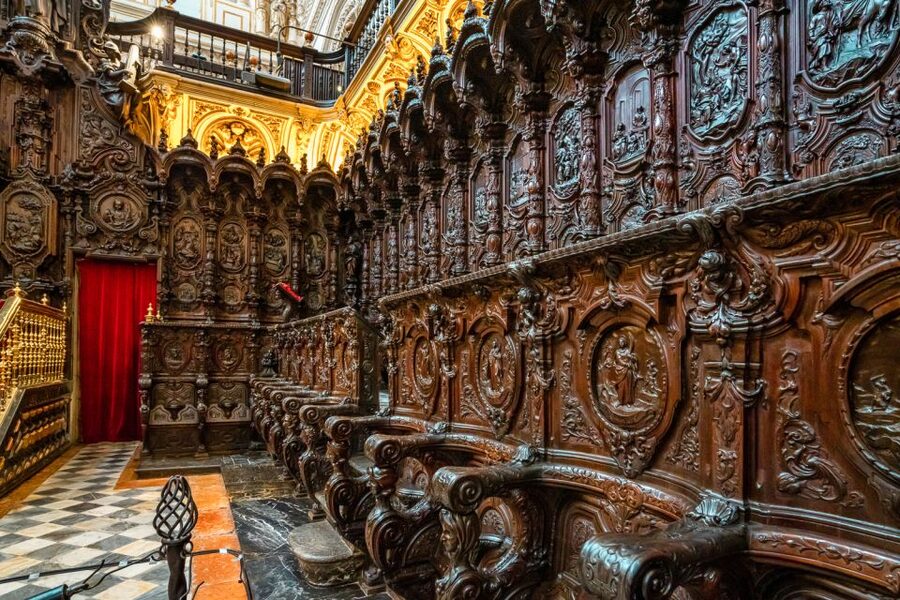
In practical terms, you’ll likely be guided through areas where you can see how the cathedral function reshaped the interior. The value is that the guide helps you keep your interpretation grounded. You’re not staring at differences and guessing. You’re understanding the logic behind them, and you’re learning to recognize the architectural and ceremonial shifts tied to conversion.
One of the clearest takeaways from this kind of guided approach is that the building doesn’t erase history. It compresses it. You walk through an argument in stone, one that different communities kept revising long after the first foundation was laid.
Architecture that mixes East and West, and how a guide helps you notice it
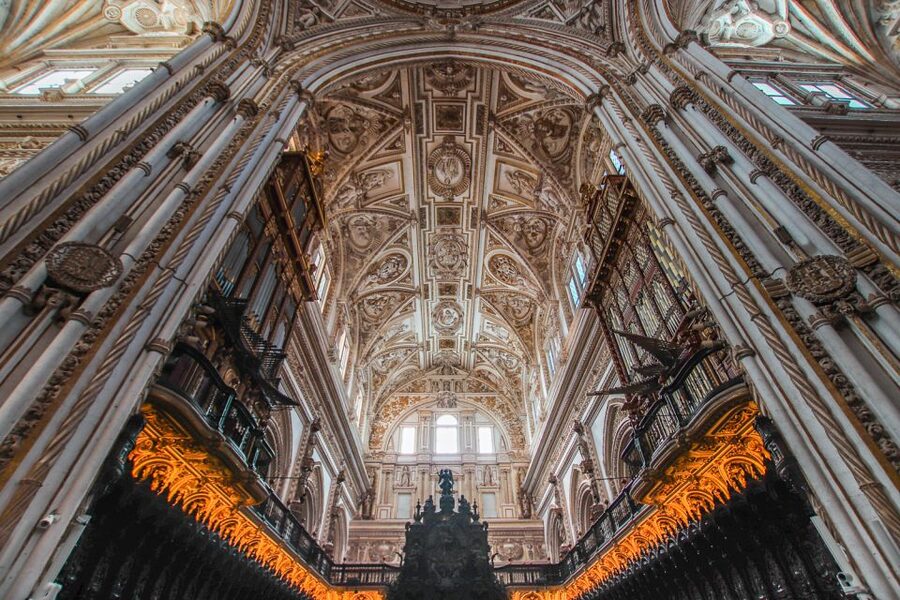
Even if you know the basics, the Mezquita can overwhelm you at first. The whole interior is built around a repeating grammar, so your eyes need help. That’s where the historian approach pays off.
On this tour, you’re guided through architectural motifs and taught what to look for, like:
- how arch proportions and repetition shape the space
- where expansion phases make the building feel like it grew rather than replaced
- how eastern-inspired forms and western context can occupy the same visual world
What I like most is the way the guide teaches attention. Instead of telling you everything, the better guides point you toward the next detail so you feel like you’re discovering the building yourself.
And yes, the Mosque-Cathedral is also the kind of place that draws comparisons. One guest ranked it alongside places like Hagia Sophia, and that’s not random. The Mezquita has that same power to feel both engineered and spiritual, like a constructed atmosphere rather than just a monument.
The art historian guide, how names like Fatima, Maria, and Patricia fit in
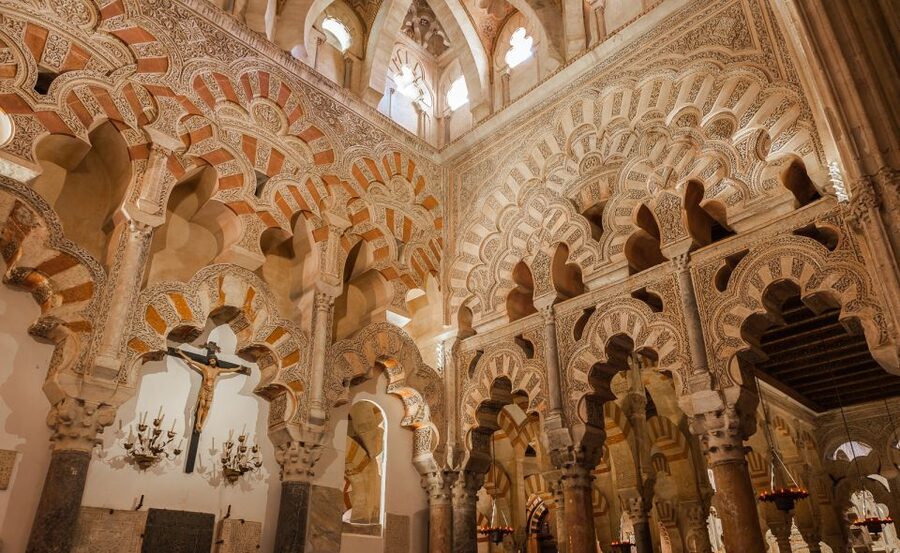
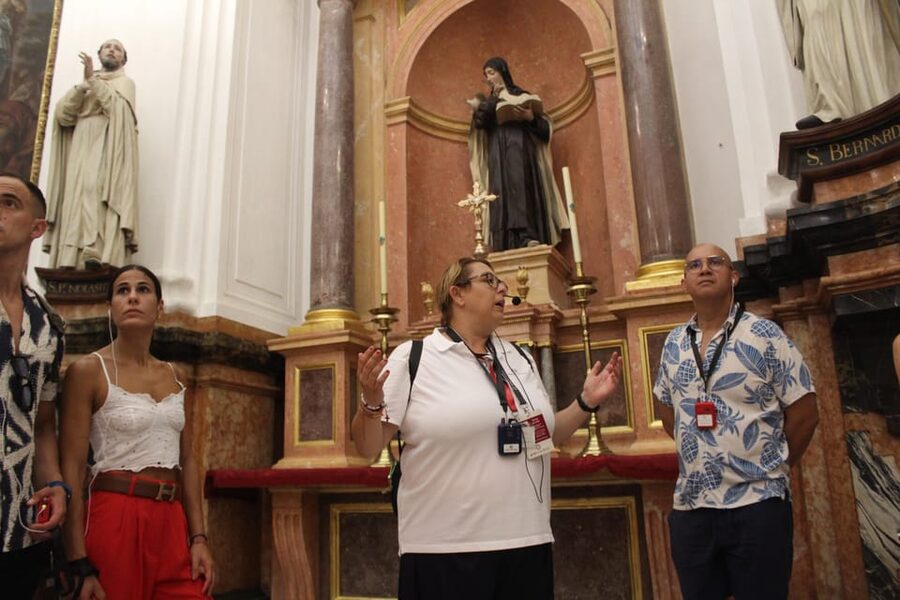
This tour is led by an art historian guide, and it shows in the feedback you’ll see from past participants. Guides such as Fatima, Patricia, and Maria have been praised for making the timeline clear and structured, especially the transitions between eras.
That matters because the Mosque-Cathedral’s biggest challenge is coherence. You can walk in and feel impressed. You can also walk in and leave with only feelings, not understanding. The best art historian guides do something practical: they give you a story you can follow while you’re still inside.
For example, guides have also been praised for:
- explaining historical details in a way that’s easy to track
- keeping pacing under control when crowds build
- maintaining a respectful tone toward Islamic design, engineering, and art
Group experience can vary by day. One group was reported at around 12 people, which is the sweet spot for this kind of tour, because you hear the story and still get to look closely.
Price and value, is $35 worth it?
At about $35 per person for a 1.5-hour tour, the value depends on what you want from Cordoba.
If you’re the type who likes to read on your own and wander slowly, you can do this without a guide and still enjoy the architecture. But here’s the catch: the Mezquita is layered. Those layers are the point. Without an art historian explaining what each period did and why, you may enjoy it more as a visual experience and less as a historical one.
This ticket includes two big value pieces: the guided tour and the entry ticket. So you’re not paying separately for admission and interpretation. For many people, that’s the cleanest way to pay for a high-demand sight.
Also, the skip-the-line factor adds real value. Time saved inside crowded moments is time you can use to see the monument properly, not just wait for a slow-moving queue.
The only time I’d hesitate is if you’re allergic to structured tours and prefer long independent exploration. Then you might feel rushed, especially in peak hours.
Practical tips for your visit inside La Mezquita
Here’s how to get the most from the time you’re given.
First, wear shoes you can stand in. The tour is designed to walk and stop. Second, listen for the guide’s callouts about what you’re seeing. The double arches and other motifs only become meaningful when you know what role they played in each construction phase.
Third, don’t try to photograph everything. The guide’s pacing is built around key sightlines and explanations. If you take too many photos, you can miss the moment when a design choice becomes clear.
Finally, arrive prepared to be respectful. This is a working religious and cultural site. The guides you’ll encounter tend to emphasize respectful viewing of Islamic design and art while still explaining the Reconquista changes directly.
Who should book this skip-the-line guided tour?
This tour is a great fit if you want:
- a fast, clear orientation in a complex monument
- historical context tied to what you’re physically seeing
- an art historian to explain design choices like the double arches
- a structured visit that works well for day trips in Cordoba
It’s also a good choice if you’re short on time. At 1.5 hours, you can still enjoy other parts of Cordoba without feeling like you spent your whole day inside one building.
Should you book it?
Yes, I’d book it if your goal is to understand the Mosque-Cathedral of Cordoba, not just look at it. The mix of skip-the-line access, a structured 90-minute narrative, and an art historian guide makes the monument’s layers easier to grasp on the spot.
If your priority is slow wandering, quiet worship, and staying longer in one area, consider adding extra time after the tour so you’re not forced to rush your favorite section.
If you want, tell me your travel dates and whether you prefer morning or afternoon. I can help you plan what else to pair with this visit in Cordoba so your day flows.
FAQ
How long is the Cordoba Mosque-Cathedral skip-the-line guided tour?
The tour lasts 1.5 hours.
How much does the tour cost?
It costs $35 per person.
What is included with the ticket?
You get an art historian guide, the guided tour, and an entry ticket to the Mosque-Cathedral of Cordoba.
Is hotel pickup included?
No. Hotel pickup and drop-off are not included.
What languages are offered for the live guide?
The live tour guide is available in English, French, and Spanish.
Is the Mosque-Cathedral tour wheelchair accessible?
Yes, the tour is wheelchair accessible.
Latest Cordoba reviews into the ledger



Things to Do in Cordoba, compared.
Skip-the-Ticket-Line Mosque-Cathedral Guided Tour
Read our review →
Cordoba Mosque & Jewish Quarter Tour with Tickets
Read our review →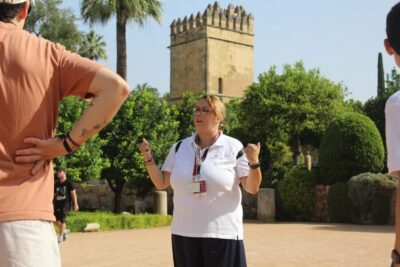
Mosque-Cathedral, Jewish Quarter and Alcázar Tour
Read our review →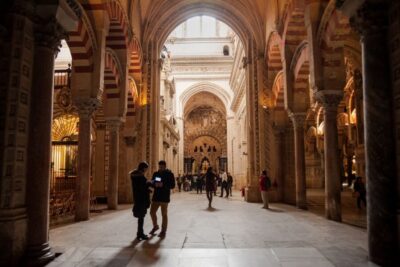
Skip-the-Line Great Mosque-Cathedral History Tour
Read our review →Browse the lists this tour appears in