
Reviewed · THINGS TO DO IN TENERIFE
Costa Adeje | Cetacean sighting in Tenerife South
Ten passengers, and you hear the whales. I love the small-group feel with marine biologist David and captain Mirna, and I love that they use a hydrophone and switch off the engines during sightings. One thing to consider is that this is weather-dependent, so rougher seas can change comfort.
This is whale watching in Costa Adeje, but done the careful way. You cruise the coast on the boat Papacho 2, look for cetaceans and other marine life, and you stay respectful of animal space so the day feels more like observing behavior than chasing a photo.
You are also in a spot that feels connected to the living ocean. With the engine off, the sound carries, and the biologist explains what you are seeing and why conservation matters in Tenerife’s marine waters.
In This Review
- Key points before you book
- Costa Adeje whale watching, done with restraint
- Meet Papacho 2 and get ready for a quiet ocean
- What happens during the cruise, step by step
- Before you hit open water
- The searching phase
- The sighting moment
- Listening with the hydrophone
- The return
- The animals you might see off Tenerife South
- Why the engine-off rule and the small boat matter
- Switching off engines
- Limits on group size
- Respectful approach instead of chasing
- The science angle: what David tends to explain
- Value for the money: what you are actually paying for
- Practical tips so your day stays smooth
- Sun and heat
- Seasickness, just in case
- What to wear
- Photos and sound
- Who should book this tour, and who should skip it
- Should you book Atlantic Eco Experience in Costa Adeje?
- FAQ
- How long is the cetacean sighting tour in Costa Adeje?
- Where does the tour start and end?
- What boat do you use for the trip?
- How many people are on the boat?
- Do you use a hydrophone during the tour?
- Are the boat engines turned off?
- What animals might you see?
- Is the tour offered in English?
- Is the experience suitable for most travelers, and are service animals allowed?
- What if the tour is canceled due to weather or low demand?
- Is free cancellation available?
Key points before you book
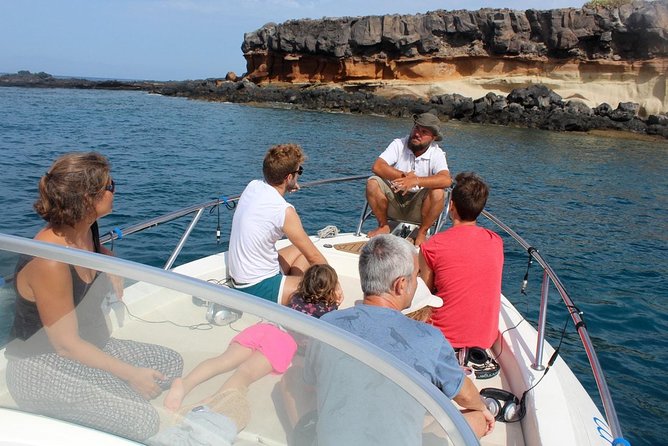
- Max 10 passengers on Papacho 2, so you can actually track what the animals are doing (not just aim at a distant spout).
- Hydrophone listening while the engines are off, so you get the sound side of whale watching, not only the sight side.
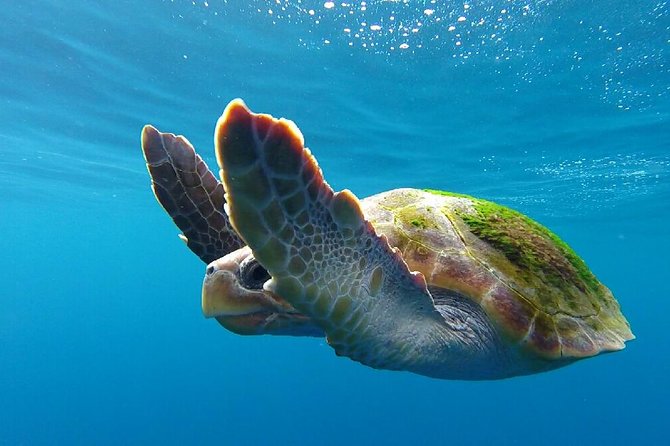
- Respect-first approach, with the team approaching groups of cetaceans, plus sea turtles and seabirds, without interfering.
- Marine science storytelling from biologist David, including how pilot whales hunt and what adaptations help them live offshore.
- Practical small extras like a cold drink on board, plus easy photo sharing mentioned in some guide follow-ups.
Costa Adeje whale watching, done with restraint
If you have ever done the big-boat version of whale watching, you know the pattern. A crowd piles on one side, you watch other boats in traffic, and the animals decide how close they want to come. This trip takes the opposite approach. It is set up for fewer bodies on board, so your crew can focus on where the animals are, not where the group can stand.
The value is not only in seeing whales, dolphins, and porpoises. It is in understanding them in real time. The biologist on board, David, talks you through what you are looking at and why it matters for conservation around Tenerife South. That context changes your whole experience, because you stop thinking only about sightings and start paying attention to behavior, breathing, group dynamics, and how the animals use sound.
And the other big reason I like this format is simple. When engines go silent, the ocean stops being a machine sound and starts being a place with voices. The hydrophone makes that tangible.
More Things to Do in Tenerife
- Siam Park Entry Tickets
★ 4.5 · 15,710 reviews - Tenerife: Eco-Yacht Whale and Dolphin Watching and Swimming
★ 4.7 · 15,619 reviews - Los Cristianos Respectful No-Chase Whale and Dolphin Safari
★ 4.6 · 12,782 reviews - Tenerife: Loro Parque Entry Ticket
★ 4.8 · 12,411 reviews
Meet Papacho 2 and get ready for a quiet ocean
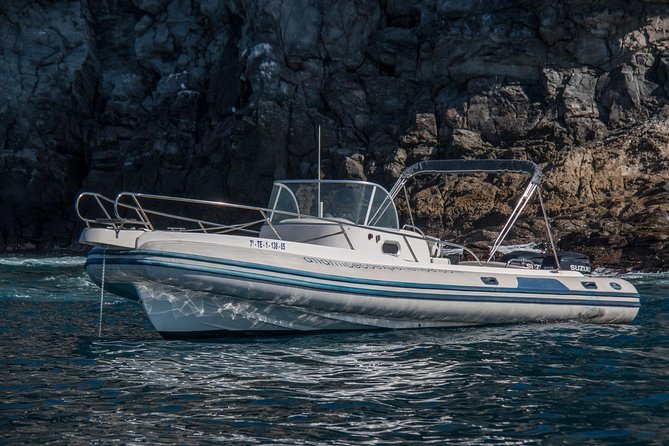
Your tour starts and ends back at the meeting point at Av. de Colón, 4, 38660 Costa Adeje, Santa Cruz de Tenerife, Spain. From there, you head out at the agreed time on the boat Papacho 2, which caps passengers at ten.
That small capacity is not just a comfort perk. It also affects how the crew can position the boat. With fewer passengers and fewer boats around your activity, you tend to get clearer views and better chances to follow what a pod is doing, like surfacing in a pattern or changing direction. A couple of reviews also note that the ride feels more intimate than the large tourist boats that swarm the same waters.
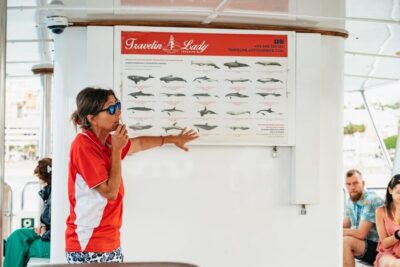
Then comes the most memorable tech moment: the hydrophone. The team launches it during the sighting, after switching off the boat’s engines so you disturb wildlife as little as possible. The result is that you hear whale communication and hunting sounds, and it makes the whole thing feel more real, not just visible.
What happens during the cruise, step by step
Here is how the 2.5-hour experience usually plays out, in a way that helps you know where your attention should go.
Before you hit open water
You gather at the meeting point, then the crew briefs you before departure. Even if you are not a total marine-life nerd, the explanations make a difference because you understand what the team is trying to find and how they will act when they do.
Tenerife, continued down the scoresheet:
- Loro Parque and Siam Park Combined Admission Tickets★ 4.7 · 7,307 reviews
- Costa Adeje: Whale & Dolphin Eco-Cruise with Snacks & Drinks★ 4.6 · 5,096 reviews
- Tenerife: Mount Teide Tour with Cable Car Ticket & Transfer★ 4.3 · 5,094 reviews
The searching phase
Out on the water, the group cruises Tenerife’s coast looking for marine life. You are not in a frantic drive across the whole sea. The idea is to find animals while respecting their space, and then adjust as sightings come in.
This is where a marine biologist guide earns their spot. David can tell you what you should look for visually, but also what it could mean in terms of feeding, social behavior, or movement. In at least one detailed account, the guide also shared background about Tenerife’s deep ocean geography and why pilot whales can be so active in these waters.
The sighting moment
When the crew finds a group, the behavior matters. The boat approaches different groups of cetaceans, sea turtles, and seabirds in a way designed not to interfere with natural actions.
A key operational choice here is that the boat’s engines are switched off during the sighting. That helps in two ways. It reduces disturbance, and it improves sound clarity when they drop in the hydrophone.
Listening with the hydrophone
The hydrophone changes whale watching from a one-sense experience to a two-sense one. You get the haunting, layered calls and sounds that whales use to communicate, and what you hear helps you imagine what the animals are doing below the surface.
It also makes the time feel longer in a good way. Even when you are not staring at a blow, you are still involved because the sound keeps pulling you in.
The return
After the sighting and the learning time onboard, the tour ends back at the meeting point in Costa Adeje. Since the duration is about 2 hours 30 minutes, this is a half-day plan that does not swallow your whole day.
The animals you might see off Tenerife South
Tenerife South is a strong area for cetacean spotting, and this tour is built around that. The operator looks for whales, dolphins, and porpoises, and they also keep an eye out for sea turtles and seabirds.
From the accounts tied to this experience, you may see:
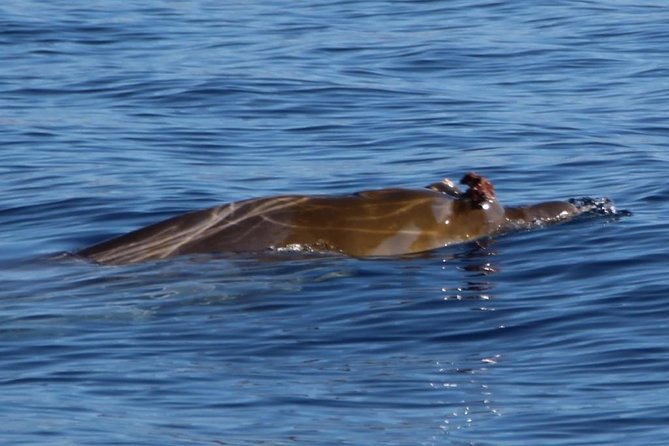
- Pilot whales, including family groups
- Dolphins, including striped dolphins mentioned in some reports
- Sea turtles, including loggerhead turtles
- Seabirds, with Cory’s shearwater cited
- Sometimes other larger whale species, depending on what is in the area
Two details worth paying attention to:
1) The crew does not treat proximity as the goal. The goal is respectful watching, so animals may come close if conditions and behavior line up.
2) In some experiences, the team identifies individual pods through a photo catalogue. That means you might hear names for “families” or “clans,” not only general species labels.
Why the engine-off rule and the small boat matter
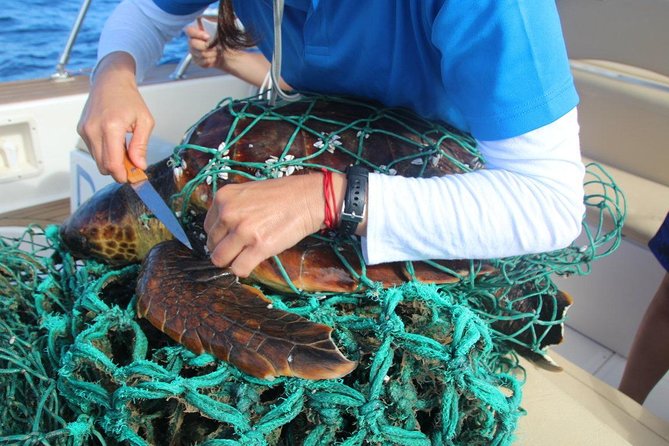
This trip’s eco feel is not only marketing language. The practical choices support it.
Switching off engines
When engines are off, you are giving the animals a quieter environment while they are doing their thing. It also makes the hydrophone moment work better. If you have ever heard how loud boats can be on open water, you get why that silence matters.
Limits on group size
With a maximum of ten passengers, the crew can manage positioning and spacing more thoughtfully. You also get more back-and-forth with the biologist. When you are not packed in like sardines, your questions come through, and the guide can tailor explanations to what you are actually seeing.
Respectful approach instead of chasing
In several accounts, the crew is described as moving away from areas if other boats are already there. The point is to avoid piling in and stressing animals. It is a good reminder that the “best viewing” is not always the “closest viewing.”
The science angle: what David tends to explain
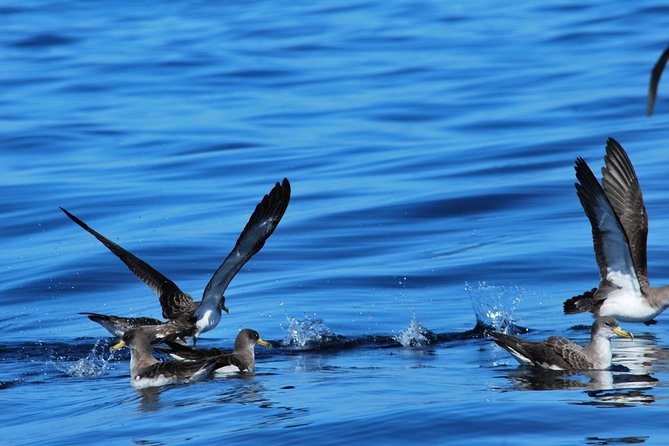
The biological talk is one of the reasons people rate this tour so highly. David’s style, based on what is described, is part science, part storytelling, and part “watch this, you’ll notice it next time.”
A couple of specific topics that have come up:
- Pilot whales hunting behavior, including references to deep foraging
- Why Tenerife’s volcanic setup helps create conditions for deep-diving cetaceans
- How whales use sound to communicate or locate food
- The idea of recognizing families and pods through dorsal fin features in crew research photo catalogues
If you like nature guides who can explain without turning the boat into a classroom, this is the kind of tour that should click with you.
Value for the money: what you are actually paying for
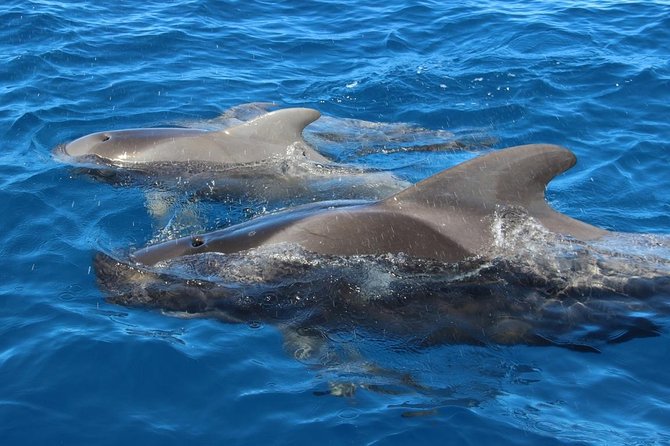
At $71.35 per person for about 2.5 hours, the price sits in the mid-range for boat-based whale watching in this area. The key is what is included in that cost.
You get:
- A small-group format (max ten)
- A marine biologist guide on board
- Hydrophone listening, timed with an engine-off sighting
- A crew that prioritizes conservation behavior
- The chance to see not only whales, but also dolphins, porpoises, sea turtles, and seabirds
You are not paying for an all-day party boat, and you are not paying for a huge volume tour that moves a crowd from one spot to another. You are paying for a more careful, science-forward viewing experience.
Also, the tour is offered in English, and confirmation is received within 48 hours of booking, subject to availability.
Practical tips so your day stays smooth
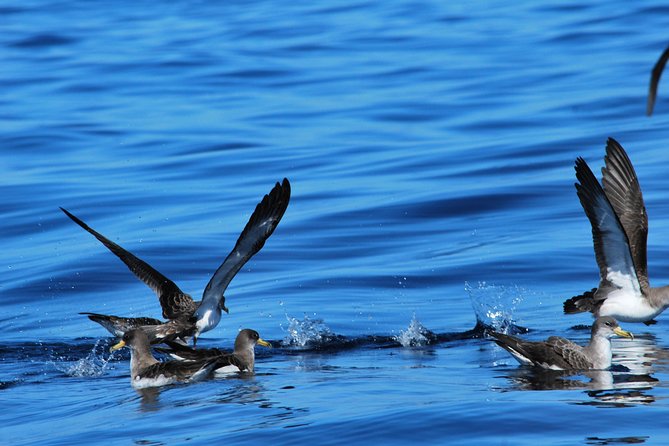
A few small prep items can make or break a sea day, and they line up with what people highlight in their own write-ups.
Sun and heat
Tenerife sun is strong even when you are on the water. Bring sun protection you can handle outdoors: a hat, sunglasses, and sunscreen. Also pack water, even if you might be served a cold drink onboard, just so you stay comfortable in the sun.
Seasickness, just in case
Some people mention taking travel sickness tablets, and still having issues. If you know you are sensitive, take it seriously. Bring your preferred remedy, and consider sitting where movement feels least intense for you.
What to wear
Wear light layers you can move in, plus something that covers your head. The boat is small, and you will spend a lot of time looking, so comfort matters.
Photos and sound
If you care about documentation, listen as much as you look. The hydrophone is the star for sound. For photos, the crew’s identification approach and potential post-tour sharing is mentioned in some experiences, so it helps to be ready with a phone that can accept WhatsApp messages if you use that.
Who should book this tour, and who should skip it
This is a great match if you want:
- Small-group wildlife time, not a packed party boat
- Hydrophone whale sounds, with engines switched off during sightings
- A marine biologist-led experience
- A conservation-minded approach that does not chase animals
It is a weaker match if you:
- Hate boat time even on calm days (because you still have 2.5 hours on open water)
- Want a high-energy spectacle, because the most powerful moments tend to be quiet listening and watching
Families can do well here too, since the group is small and the guide explanations can hold attention across ages, but that depends on how your child handles being out on the sea.
Should you book Atlantic Eco Experience in Costa Adeje?
I think you should book if you care about how animals are treated, not just whether you can check whales off a list. This tour is built around quiet observation, hydrophone sound, and a crew that works within conservation rules. The small group size helps a lot, and it turns the day into something more personal than mass whale watching.
Book it early if your dates are fixed. On average, this type of tour gets booked about 17 days in advance. Also keep an eye on weather, since good conditions are required. If the day is canceled due to poor weather, you will be offered a different date or a full refund, so you still have options.
If you want the experience that feels most like being in the ocean’s conversation, not just watching from a distance, this is the one to choose.
FAQ
How long is the cetacean sighting tour in Costa Adeje?
It lasts about 2 hours 30 minutes.
Where does the tour start and end?
It starts at Av. de Colón, 4, 38660 Costa Adeje, Santa Cruz de Tenerife, Spain, and it ends back at the same meeting point.
What boat do you use for the trip?
The tour uses a boat called Papacho 2.
How many people are on the boat?
The maximum is ten travelers.
Do you use a hydrophone during the tour?
Yes. The hydrophone is launched during the sighting so you can listen to whale communication and hunting sounds.
Are the boat engines turned off?
During the sighting, the boat’s engines are switched off so as not to disturb the animals.
What animals might you see?
The tour focuses on cetaceans like whales, dolphins, and porpoises, and it may also include sea turtles and seabirds.
Is the tour offered in English?
Yes, it is offered in English.
Is the experience suitable for most travelers, and are service animals allowed?
Most travelers can participate, and service animals are allowed. Accessibility depends on reduced mobility needs and sea conditions, so it is recommended to contact the company for details.
What if the tour is canceled due to weather or low demand?
If it is canceled due to poor weather, you will be offered a different date or a full refund. If it is canceled because a minimum number of travelers is not met, you will also be offered a different date or a full refund.
Is free cancellation available?
Yes. You can cancel for a full refund up to 24 hours before the experience starts. Cancellation cutoff is based on local time.
Latest Tenerife reviews into the ledger


Things to Do in Tenerife, compared.
Eco-Yacht Whale and Dolphin Watching and Swimming
Read our review →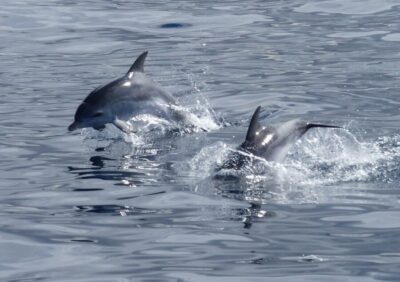
Los Cristianos Respectful No-Chase Whale and Dolphin Safari
Read our review →
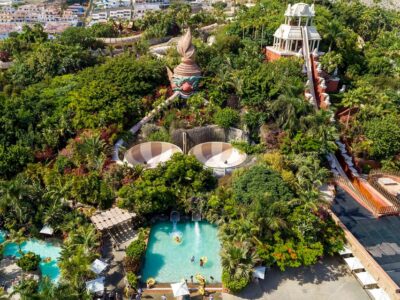
Loro Parque and Siam Park Combined Admission Tickets
Read our review →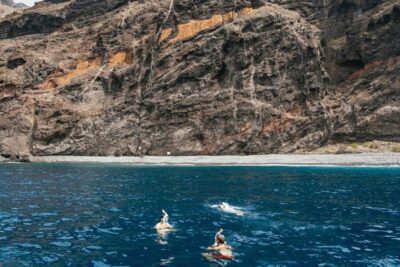
Costa Adeje: Whale & Dolphin Eco-Cruise with Snacks & Drinks
Read our review →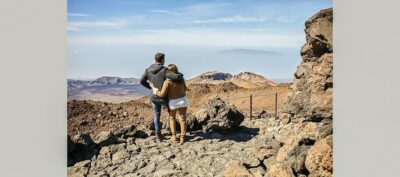
Mount Teide Tour with Cable Car Ticket & Transfer
Read our review →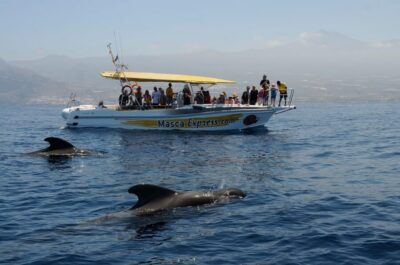
Los Gigantes: Dolphin & Whale Watching Cruise with Swim Stop
Read our review →Browse the lists this tour appears in