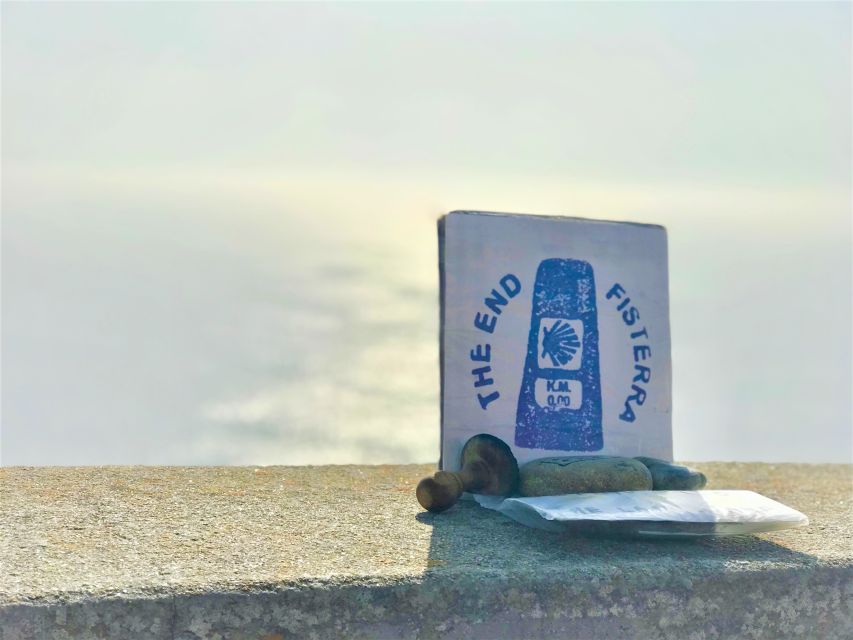
Reviewed · TOURS
From A Coruña: Costa da Morte & Cape Finisterre Day Tour
Lighthouses and legends, all in one long day. On this 10-hour trip from A Coruña, I love the cliffy drama at Cabo Vilán, and I love the sea-sailor pull around the Santuario de la Virgen de la Barca in Muxía. It’s a coast-hopping route built around lighthouses, shipwreck stories, and Galician beliefs that feel old and strangely still alive.
The big tradeoff is that once you arrive at several spots, you are on your own for part of the time. You get free time in Finisterre, and you should also expect to manage your own meals and wandering.
In This Review
- Key things you’ll notice on this Costa da Morte and Finisterre day tour
- Costa da Morte: the coast where shipwreck stories feel personal
- From A Coruña: how the day is paced before you ever reach the cliffs
- Cabo Vilán lighthouse area: steep cape views with shipwreck context
- Muxía’s Santuario de la Virgen de la Barca: the stop sailors actually cared about
- Finisterre town free time: where the end-of-the-world idea turns into lunch
- Cape Finisterre lighthouse visit: the iconic look, done at a human pace
- Ézaro (Fervenza do Xallas) waterfall stop: worth it for photos, not a hike day
- Price and value: what you pay for, and what you still handle yourself
- Guide style and what to expect on the ground
- Who should book this day trip from A Coruña
- Should you book this Costa da Morte and Finisterre tour?
- FAQ
- How long is the Costa da Morte and Cape Finisterre day tour?
- Where do I meet the guide in A Coruña?
- What’s included in the $58 price?
- Is lunch or any food included?
- What languages is the live guide available in?
- Is the tour suitable for people with mobility impairments?
- What should I bring for the day?
Key things you’ll notice on this Costa da Morte and Finisterre day tour
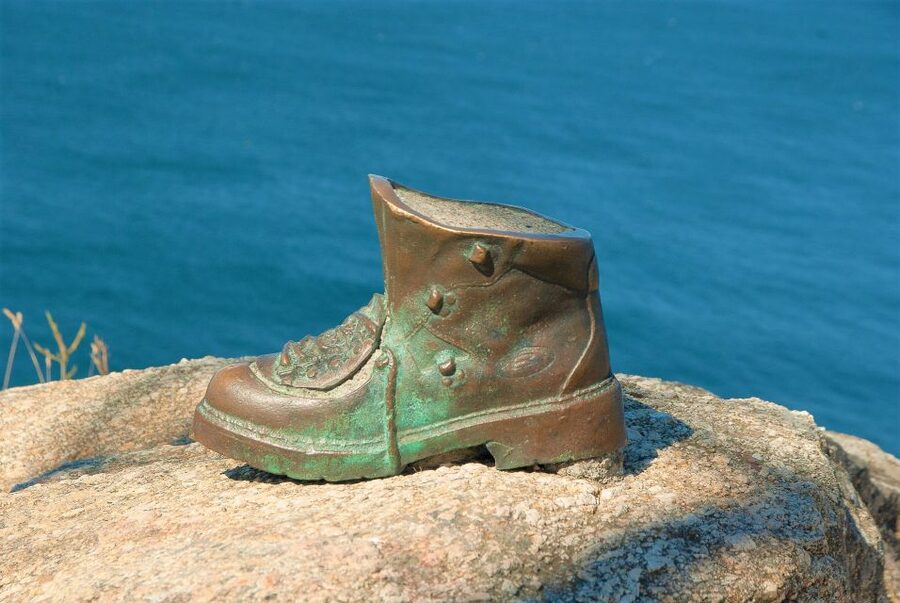
- Cabo Vilán is all sharp angles and steep cape vibes, plus the guide’s shipwreck context makes the views hit harder.
- Muxía’s Virgen de la Barca sanctuary is the spiritual center of the route, tied to sailors, the sea, and local Celtic-era legends.
- Finisterre town time is real (not just a quick photo stop), so you can actually eat and walk around.
- Cape Finisterre lighthouse time is built in, giving you a proper look at the iconic end-of-the-world feeling.
- Ézaro Waterfall is brief, so set your expectations for photos and viewpoints over a long hike.
- The whole day is about transportation plus guided framing, not a nonstop guided stroll at every stop.
Costa da Morte: the coast where shipwreck stories feel personal
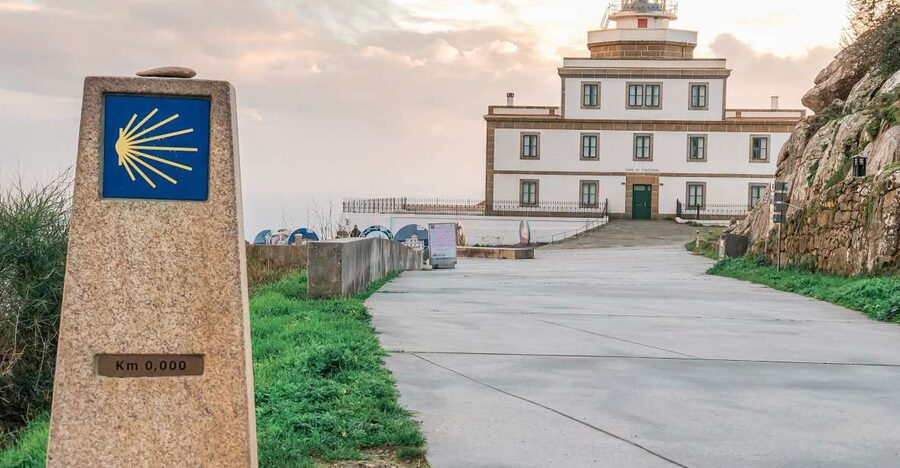
Costa da Morte means the land of death, and even if you ignore the spooky name, the coastline earns its reputation. This is Galicia going raw at the edge, with steep capes and water that looks like it has opinions. The best part of this tour is that it doesn’t treat the coast like a postcard. The guide frames what you see with legends, shipwreck lore, and the kind of local history that helps you understand why these places became pilgrimage stops for centuries.
I like how the itinerary moves in a line from lighthouse to sanctuary to the end-of-the-world town. Instead of bouncing randomly, it builds a story: the hazards of sea travel, the spiritual answer locals turned to, then the symbolic finish at Finisterre. If you’ve got limited time in A Coruña, this route is a practical way to experience the region’s themes in one day.
And yes, you’ll spend a lot of time looking outward. Bring sunglasses, wear comfortable shoes, and accept that the coast here is best appreciated with your feet planted and your eyes up.
Already tallied for A Coruna — the next entries:
- Full-Day Excursion from A Coruña to Santiago – Cruisers Only
★ 4.8 · 123 reviews
From A Coruña: how the day is paced before you ever reach the cliffs
You meet at Rúa Payo Gómez, 18 and you’re told to arrive about 15 minutes early. From there, the day is driven by coach time. Expect roughly 1.5 hours on the bus before the first major viewpoint at Cabo Vilán, then several shorter hops between stops.
This pacing matters. It means you can relax into the day and let the guide set the context on the ride. It also means you should plan your energy, because the total day is 10 hours. You’ll likely want to eat something before pickup, then plan a full lunch in Finisterre later, since food isn’t included.
The coach is air-conditioned, which is a relief during warmer months. If you’re sensitive to motion, try to sit toward the front or where you feel most comfortable. The route is coastal, and the turns add up.
Cabo Vilán lighthouse area: steep cape views with shipwreck context
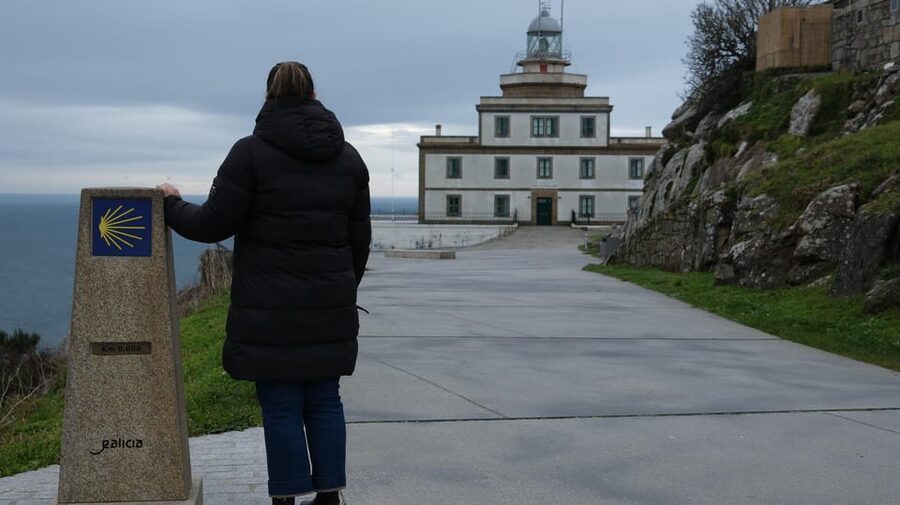
Cabo Vilán is the first big wow, and it’s not subtle. The cape is steep, the coast looks dramatic from every angle, and it has that “how is anything surviving out there” feeling. You get about 30 minutes at the lighthouse area, so this is not the stop where you wander for a long time. It is a stop for orientation, photos, and taking in the wind-battered geometry of the cape.
What makes this visit better than a basic lookout is the explanation you get while you’re there. The guide connects Cabo Vilán’s mystical reputation with the shipwrecks and maritime hazards that have made this coastline infamous. That background matters because you’re not just sightseeing. You’re watching the natural features that shaped local fate.
Practical tip: wear shoes you trust on uneven ground. At these coastal points, the surface can be rocky or irregular. Also, don’t assume you can stand comfortably everywhere. I’d rather have a quick, sharp view than a slow one where you’re fighting footing or wind.
Muxía’s Santuario de la Virgen de la Barca: the stop sailors actually cared about
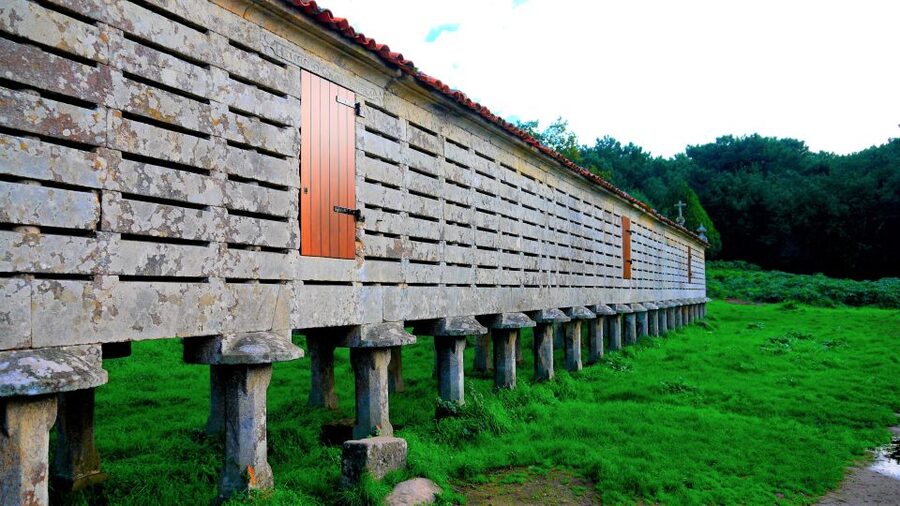
After Cabo Vilán, the tour heads to Muxía and the Santuario de la Virgen de la Barca. You’re given about 45 minutes here. This is one of the most meaningful stops on the day because it shifts the focus from “danger out at sea” to “what people did about it.”
The sanctuary is closely linked to Galician sea culture and sailors. The tour also ties it to older legends connected with the sea and Celtic influence. Even if you aren’t religious, you can still appreciate why this place became a magnet for devotion. It’s a spiritual anchor built on the daily reality of living with the ocean.
What I like about this stop is the way it connects people, not just scenery. The sanctuary feels like a lived-in landmark, the kind of place locals return to for hope, gratitude, or comfort. If you’re the type who enjoys history you can feel in your walking pace, you’ll appreciate the time set aside to explore the sanctuary grounds.
Also, consider what this means for you as a visitor. This is where the tour’s title earns its weight. The coast isn’t only dramatic here. It’s also culturally loaded.
Finisterre town free time: where the end-of-the-world idea turns into lunch
Then comes Fisterra, often described as the end of the world. You get about 1.5 hours of free time here. That is enough to do three important things: walk around at a comfortable pace, take the key views, and eat without rushing.
The tour frames why people came to this area for thousands of years, mentioning Celts, Romans, and pilgrims, plus the legends and even naval battles tied to local memory. You can feel the symbolic weight in the way the town is oriented, but the free time is what turns that symbolism into something human. You get to move at your own speed and decide how much you want to focus on the story versus the vibe.
Lunch is not included, so this is your meal moment. You’ll want to choose a place close to where you’re walking so you don’t waste time. One practical detail I’d plan around: the dining options tend to cluster around the town center area, so you won’t be hunting all over the map.
If you’re trying to keep costs under control, treat lunch as your budgeting lever. The tour price covers transport, the guide, and entrance fees, but food is on you. Bring a bit of cash or a card you trust, then enjoy a proper sit-down meal rather than a snack.
Cape Finisterre lighthouse visit: the iconic look, done at a human pace
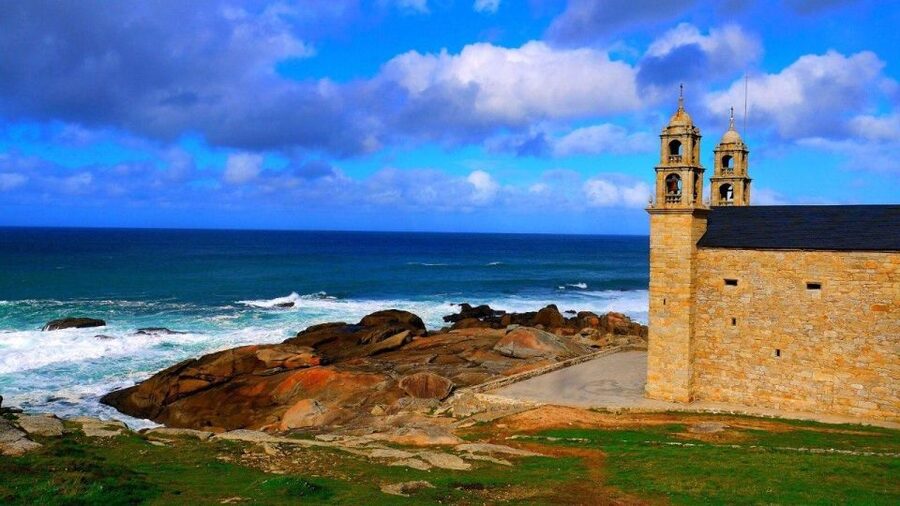
After Finisterre town time, you head to Cape Finisterre for the lighthouse visit. This stop is about 50 minutes, which is a generous window for this kind of photo-heavy location.
This is the part of the tour that many people came for. The lighthouse area gives you a classic end-of-the-world visual, and the guide’s context makes it more than an Instagram stop. You’re not just seeing a tower. You’re seeing a modern maritime marker placed on land that has held meaning for centuries.
What I appreciate here is the timing. You’re not rushed from bus to platform. You get enough time to find your preferred viewpoint, take a few photos, and still have a moment to just look out over the sea.
Practical tip: if it’s breezy, keep your phone or camera strap secure. Wind can be strong at capes, and the day is long enough that you don’t want to spend it chasing equipment.
Ézaro (Fervenza do Xallas) waterfall stop: worth it for photos, not a hike day
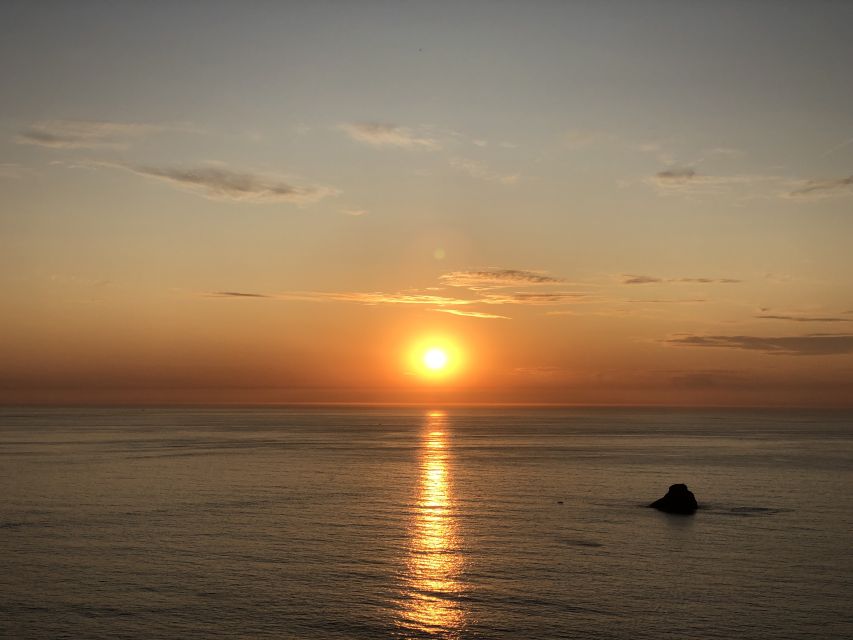
Next is Fervenza do Xallas at Ézaro. You get a photo stop and visit for about 30 minutes. This is the shortest stop where the scenery is more about quick viewpoints than extended walking.
Here’s the honest expectation-setting part. Some people find the waterfall less dramatic than they hoped, especially compared to big-name waterfalls in other parts of Spain. That doesn’t mean it’s useless. It can still be a nice break in the day, a chance to cool off a bit, and a scenic punctuation mark after lighthouse and town time.
So how should you use this stop? Arrive, take your photos, then look for the angles that show the fall and the surrounding area clearly. If you’re expecting a full-on walking adventure, you might feel disappointed. If you want a scenic stop that keeps you moving and lets you recharge your brain, it works.
Also, keep your shoes and jacket ready. Coastal days can swing quickly from sun to wind chill.
Price and value: what you pay for, and what you still handle yourself
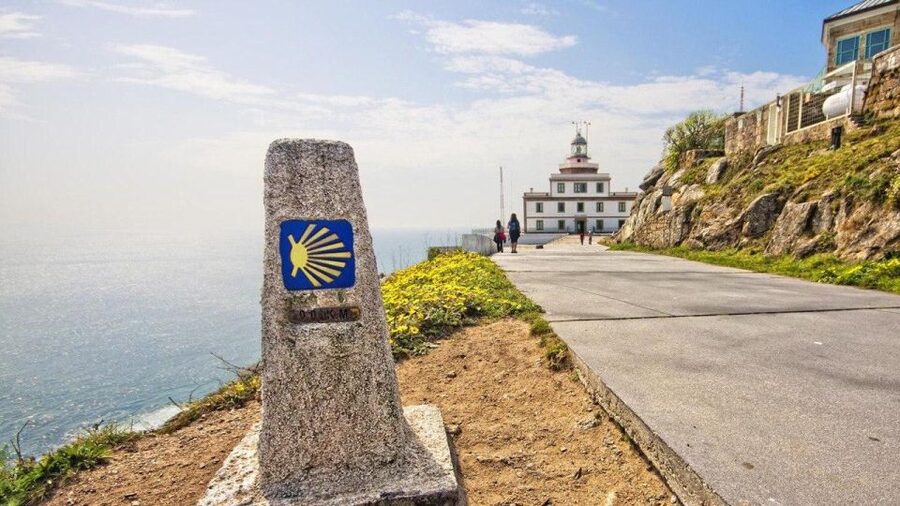
The tour runs about 10 hours and costs $58 per person. That price is less about “entrances and snacks” and more about logistics. You’re paying for coach transport from A Coruña, a live guide, and entrance fees.
Food and drinks are not included. That’s normal for day trips, but it matters for value. If you plan for a sit-down lunch in Finisterre, you can balance the overall cost by choosing a simple meal rather than the most touristy option.
The entrance-fee part is another reason this can be good value if you otherwise would pay for entry tickets one by one. But here’s where you should be realistic. If you have a car and you are comfortable driving the coastal route, you could potentially do parts of this day on your own. In that case, the tour price becomes more about the guide framing and saved driving time than about tickets.
Finally, keep your expectations aligned with how the day flows. Some stops are more guided than others. The most praised parts tend to be where you get clear context and enough time to actually enjoy the place, not just be dropped off and moved along.
Guide style and what to expect on the ground
This is a live guided experience in Spanish and English. The guide is wearing a red shirt at the meeting point, so you can quickly spot them.
From what the experience is known for, the guide plays an important role in linking the places. You should expect explanations while you travel and context as you arrive. One reason people love the tour is that the guide work feels friendly and organized, and the timing at the major stops gives you enough breathing room to look, walk, and take photos.
On the flip side, don’t assume the guide will accompany you step by step at every single location. You should be comfortable exploring on your own during the free time blocks and even during shorter visits. If you want a guided walking tour where someone is always at your shoulder explaining every corner, you may find this format a bit hands-off after the bus framing.
That doesn’t make it a bad tour. It just means you should come ready to be a proactive visitor. Ask questions if you can, then enjoy the freedom to roam.
Who should book this day trip from A Coruña
I think this tour fits best if you want a structured day that hits the region’s big themes without renting a car. If you love maritime stories, lighthouses, and places that have been meaningful for centuries, Costa da Morte and Finisterre deliver.
It’s also a good match if you only have one day to spare and you want to maximize it. Cabo Vilán, the Virgen de la Barca sanctuary in Muxía, Finisterre, the cape lighthouse stop, and Ézaro all in one loop is hard to replicate if you’re starting from A Coruña without a plan.
If you have mobility concerns, pay attention to the note that it is not suitable for people with mobility impairments. Coastal areas can involve uneven ground and walking time even when stops are short.
Should you book this Costa da Morte and Finisterre tour?
Book it if you want a guided, efficient way to see multiple signature points on Costa da Morte in a single day. I’d especially recommend it if you’re motivated by the ideas behind the places, not just the photos. The route makes sense as a story, and the time blocks are long enough to enjoy the main stops.
Skip it or consider doing parts on your own if you prefer constant guidance at every location, or if you know you hate being responsible for lunch and free-time wandering. Also, if you are only chasing waterfalls, keep your expectations modest for Ézaro since it’s brief and some visitors find it underwhelming.
For most people visiting A Coruña, this tour is a practical way to experience the coast’s legends with less stress and more context. If you show up with comfortable shoes and a realistic sense of timing, you’ll come away feeling like you actually got what this corner of Galicia is about.
FAQ
How long is the Costa da Morte and Cape Finisterre day tour?
The tour lasts 10 hours.
Where do I meet the guide in A Coruña?
You meet at Rúa Payo Gómez, 18, and you should arrive about 15 minutes early. The guide will be wearing a red shirt.
What’s included in the $58 price?
The price includes transportation by air-conditioned vehicle, a professional guide, and all entrance fees.
Is lunch or any food included?
No. Food and drinks are not included, so you’ll want to plan for lunch during the free time in Finisterre.
What languages is the live guide available in?
The live guide offers Spanish and English.
Is the tour suitable for people with mobility impairments?
No. It is not suitable for people with mobility impairments.
What should I bring for the day?
Bring comfortable shoes, sunglasses, and comfortable clothes. The stops involve walking and time outdoors by the coast.
Latest A Coruna reviews into the ledger
Tours, compared.



Park Guell Guided Tour with Skip The Line Entry
Read our review →
Caminito del Rey Guided Tour & Welcome Pack from Málaga
Read our review →
Sagrada Familia Skip-the-Line Entry Ticket & Tour
Read our review →