Reviewed · FULL-DAY
From Barcelona: Tarragona & Sitges Full Day Tour with Pickup
Roman ruins, then a sea breeze.
This full day takes you from Barcelona to Tarragona and Sitges, with a guide who turns big stones into clear stories and a smooth hotel-to-hotel ride.
What I like most is how the day mixes big-ticket sights with real walking time. I especially love the payoff at the Les Ferreres Aqueduct and the way you can actually see the engineering scale, not just read about it. I also like the pacing in Sitges, where you get time to wander the side streets at an easy rhythm instead of racing through.
One caution: expect a lot of walking and some stairs over uneven old surfaces. It is a 10-hour day, so comfortable shoes really matter.
In This Review
- Key highlights to notice before you go
- How the 10-hour rhythm works, from hotel pickup to beach time
- Les Ferreres Aqueduct, Devil’s Bridge: Roman engineering at eye level
- Tarragona’s Roman core: Circus, Forum, and the town wall layers
- The Tarragona Amphitheatre by the Mediterranean: where ruins meet the coast
- Sitges walking tour: modernist streets and the Americanos story
- San Sebastian urban beach: your wind-down that still feels special
- Logistics that actually matter: small group, skip-the-line, and return drive
- Price and value: why $116 can make sense for this route
- Who this tour is perfect for, and who should skip it
- Should you book Tarragona and Sitges from Barcelona?
- FAQ
- How long is the Tarragona and Sitges day tour?
- What is the price per person?
- What are the pickup times from Barcelona hotels?
- How big is the group?
- Which languages are offered for the live guide?
- What is included for Tarragona attractions?
- Do I need to buy ticket line entries for the sites?
- Is food included?
- Is there any free time during the day?
- What is the cancellation policy?
Key highlights to notice before you go
- Les Ferreres Aqueduct (Devil’s Bridge) with Roman engineering you can measure with your own eyes
- Roman Forum and town walls that show how Tarragona layered centuries in the same spaces
- Tarragona Amphitheatre by the sea where the coastal setting makes the ruins feel bigger
- Sitges modernist architecture including Casa Bacardi and Casa del Rellotge
- The Quiet Corner plaza moment for local music vibes
- San Sebastian urban beach time to cool down before heading back to Barcelona
How the 10-hour rhythm works, from hotel pickup to beach time
This is a true day trip, designed to get you out of Barcelona early and back before your evening plans collapse. Pickup is from your hotel between 8:00 AM and 9:00 AM in a private air-conditioned minivan, and you’ll get a message 24 hours beforehand with the exact pickup time plus your guide contact.
The group stays small, capped at up to 8 guests. That matters because you can ask questions, and your guide can keep everyone together without turning the day into a shuffle line.
Expect a steady flow of walking, viewing, and short stops. The upside is you don’t waste time hunting for directions between ruins and neighborhoods, and the guide keeps the logic of the day clear.
One more practical note: a small number of guests report needing a short walk from a hotel area to reach the pickup point. If your lodging is tucked in a narrow street, it’s smart to be ready for that possibility.
More Things to Do in Barcelona
- Barcelona: Sagrada Familia Entry Ticket with Audio Guide
★ 4.6 · 105,312 reviews - Barcelona: Park Güell Admission Ticket
★ 4.4 · 76,534 reviews - Barcelona: Casa Batlló Entry with Self-Audioguide Tour
★ 4.7 · 25,359 reviews - Barcelona: Montjuïc Cable Car Roundtrip Ticket
★ 4.5 · 22,368 reviews
Les Ferreres Aqueduct, Devil’s Bridge: Roman engineering at eye level
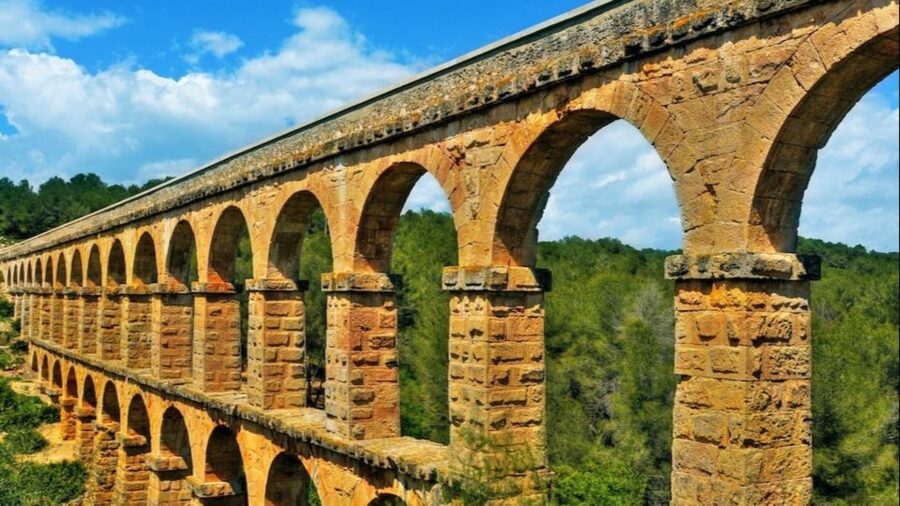
Your first major stop is the aqueduct known as Les Ferreres Aqueduct, often called the Devil’s Bridge. The Roman structure stretches about 217 meters long and rises around 26 meters high, which is exactly the kind of scale that changes your brain when you stand next to it.
I like this stop because it’s not just a photo spot. You also get walking time around the area, plus the chance to see how the aqueduct sits in the landscape and how Roman builders handled distance and elevation.
If you’re the type who thinks architecture is boring, this is the moment that usually flips your opinion. The guide can point out how it functioned and why it was such a technical achievement for its era, and your perspective makes it easier to understand.
Wear shoes with real grip. Even on good weather days, you’ll be on outdoor paths, and a few surfaces can be slick or uneven.
Tarragona’s Roman core: Circus, Forum, and the town wall layers
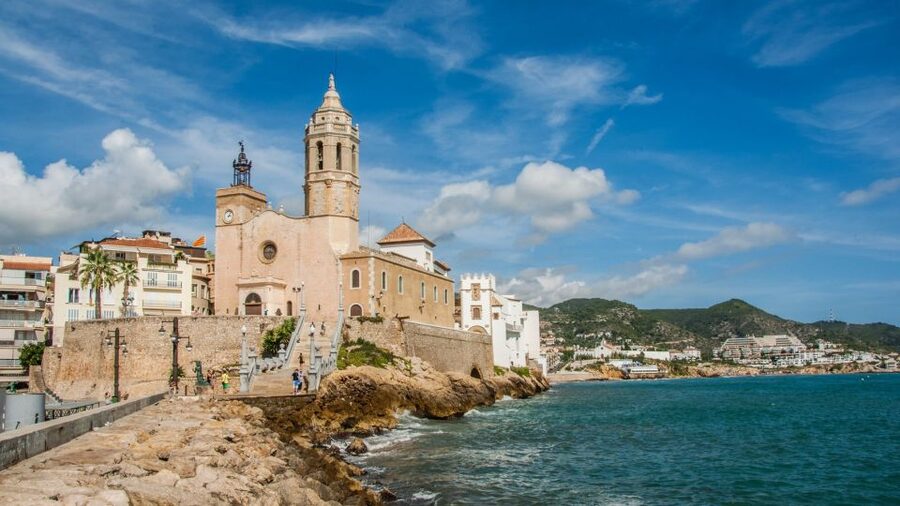
Tarragona is the kind of place where the map keeps getting older as you walk. You’ll move through the historic core tied to Tarraco, and your guide turns that title into something you can picture.
A highlight is the Roman Circus, described as one of the best-preserved structures of its kind in Europe. Even if you’ve seen Roman sites elsewhere, you’ll likely notice the comfort of this one: it’s easier to get your bearings, so you can focus on the structure instead of guessing what you’re looking at.
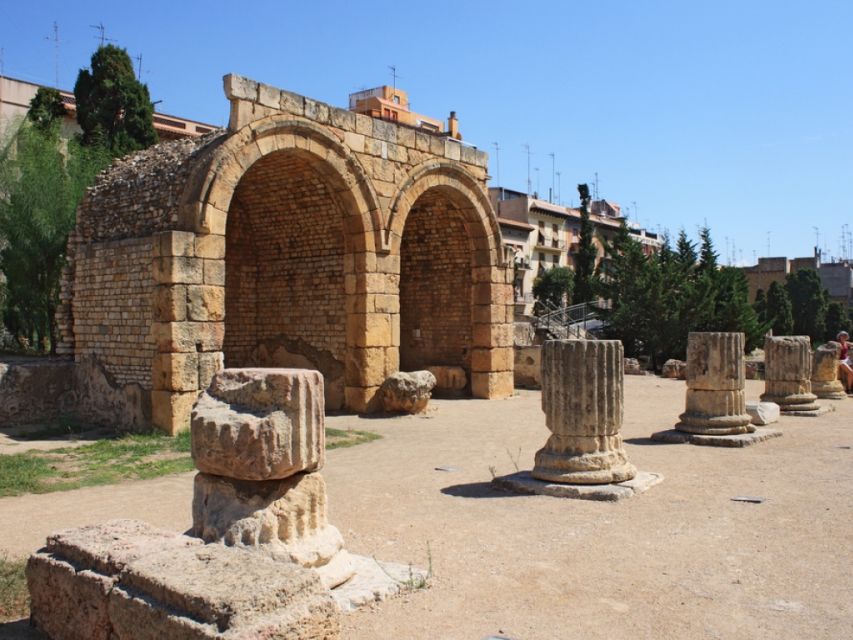
From there you step into the Roman Forum, the center of the town for roughly 2000 years. What I like here is the way it blends eras. You don’t just see ruins in isolation, you see how the area kept living, with medieval and modern pieces mixed into the Roman footprint.
You’ll also get time along the Roman wall of Tarragona, which helps you understand the city as a defended space, not just a set of monuments. For me, walls are the fastest way to grasp how big and intentional these old towns were.
Your guide’s job here is to connect the dots: what the forum did day-to-day, where people would have moved, and why the Roman city plan matters in the way the streets still feel today. If you like history with structure instead of a lecture, this format works well.
The Tarragona Amphitheatre by the Mediterranean: where ruins meet the coast
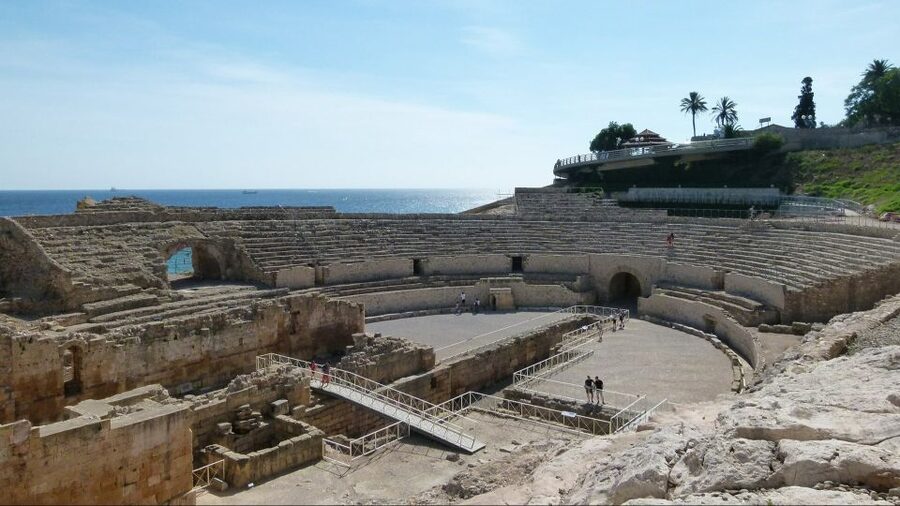
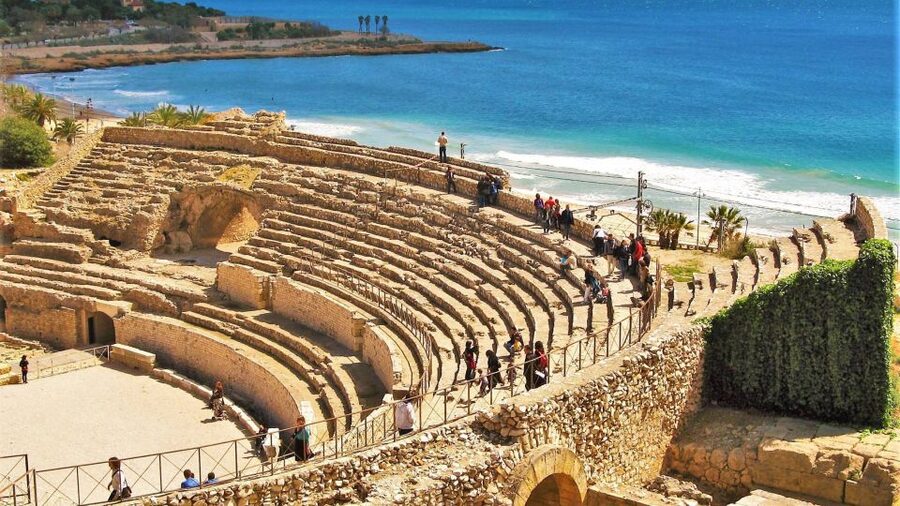
Next comes the Tarragona Amphitheatre, a guided visit tied to the Mediterranean coastline. Gladiator-style entertainment took place here in the 2nd century, and standing in that coastal setting is a big part of why the amphitheatre doesn’t feel like a dead artifact.
This is also one of those stops where the guide matters more than you might think. They’ll help you picture the space when it was active, and you’ll notice details better when someone explains how crowds would have moved and where you’re standing relative to the ancient seating.
Entrance to the amphitheatre is included, and the day is set up so you don’t get stuck in ticket lines. That keeps your time for actual looking instead of waiting.
Plan for stairs and slopes. A few reviews specifically recommend comfortable shoes, and that advice is practical here since amphitheatres tend to be tricky underfoot.
A few more Barcelona verdicts worth reading
- Montserrat Full Day Tour with Farmhouse Lunch and Winery Visit★ 5.0 · 1,068 reviews
- Girona and Dali Museum Full Day tour from Barcelona★ 4.5 · 996 reviews
- Barcelona: Full-Day Montserrat & Wine Small Group Tour★ 4.8 · 841 reviews
Sitges walking tour: modernist streets and the Americanos story
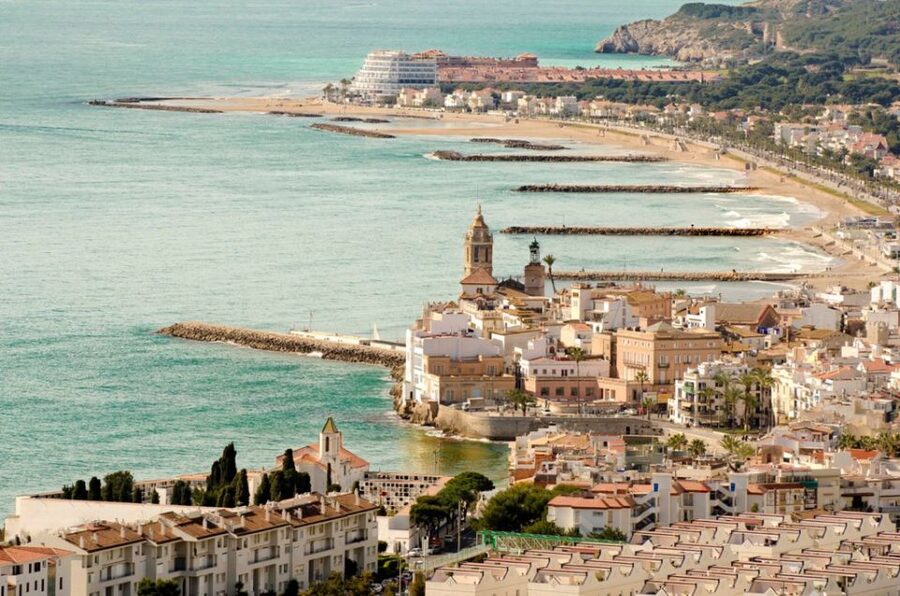
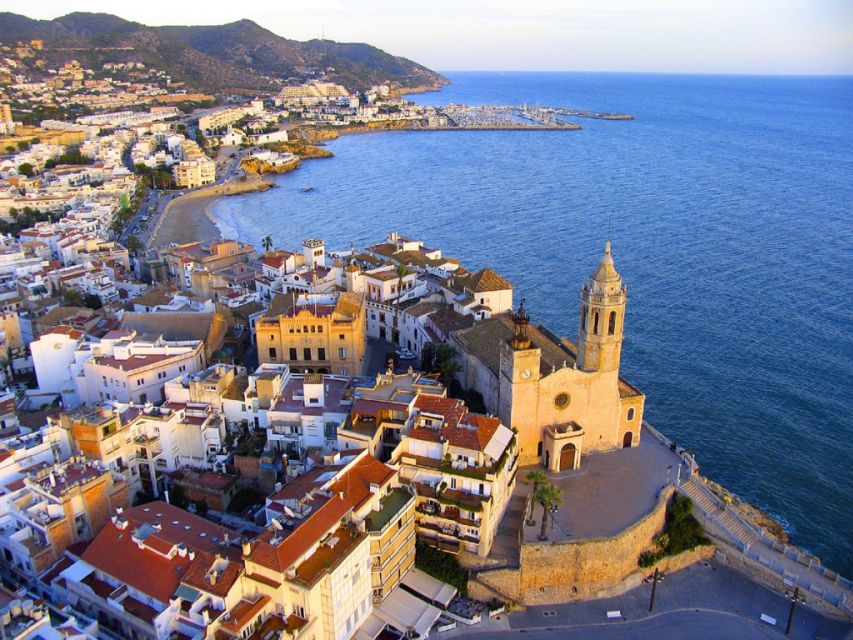
After Tarragona, the day shifts from Roman stone to Catalonia by the sea. You head to Sitges, along the Costa del Garraf, and the change of atmosphere is immediate.
Sitges has a reputation for creativity, and you see why as you walk through winding streets and side corners where buildings carry personality. On the modernist side, the tour calls out places like Casa Bacardi and Casa del Rellotge, both useful stops because they show you what modernism looks like when it’s not just a museum label.
One detail I love in this part of the story is the mention of the Americanos. These were wealthy emigrants who returned from the Americas and used their money to build impressive homes in Sitges. That explains why you’ll see certain grand, expressive architecture in a town that also kept its coastal charm.
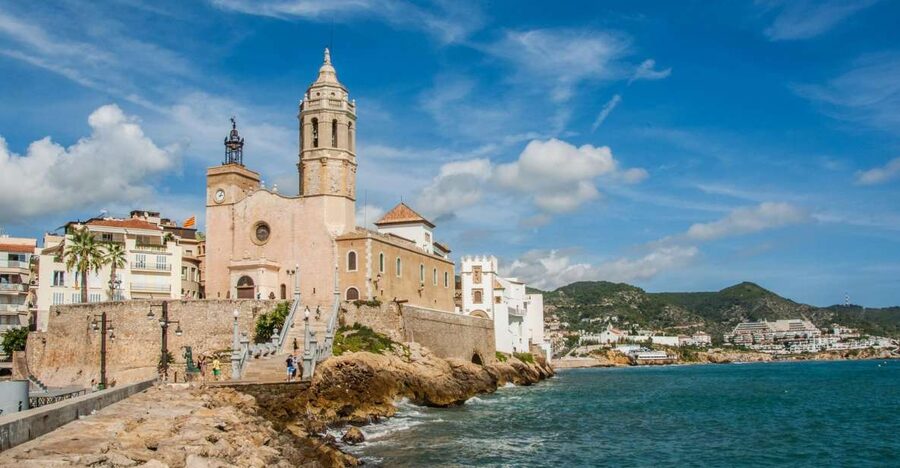
You’ll also pass by major landmarks on the walking route, including the Church of San Bartolomé and Santa Tecla and the Maricel Palace. If you like architecture, you’ll probably slow down at these spots to read the forms and feel the style differences.
A small but memorable moment is the Quiet Corner, a plaza where local musicians perform. It’s a nice pause point because it adds the human soundtrack that completes the town’s artistic identity.
San Sebastian urban beach: your wind-down that still feels special
The last chapter is relaxation at Playa de San Sebastián. This is described as one of the best urban beaches in Europe, and even if you’re not chasing rankings, the setup makes sense: you’re in town, but the water and sand give you a proper reset.
You get free time here, which is the right way to end the day. You can keep it simple, grab a snack or use the beachside terraces, and take a dip if the day’s weather is kind.
I like ending with a beach because it balances the earlier walking. Your legs have a chance to loosen up, and your mind shifts from ancient engineering to something lighter and more sensory.
Bring the usual swim-day items. The tour does not include food or beverages, so if you want a specific lunch plan, you’ll likely need to choose on the ground.
Logistics that actually matter: small group, skip-the-line, and return drive
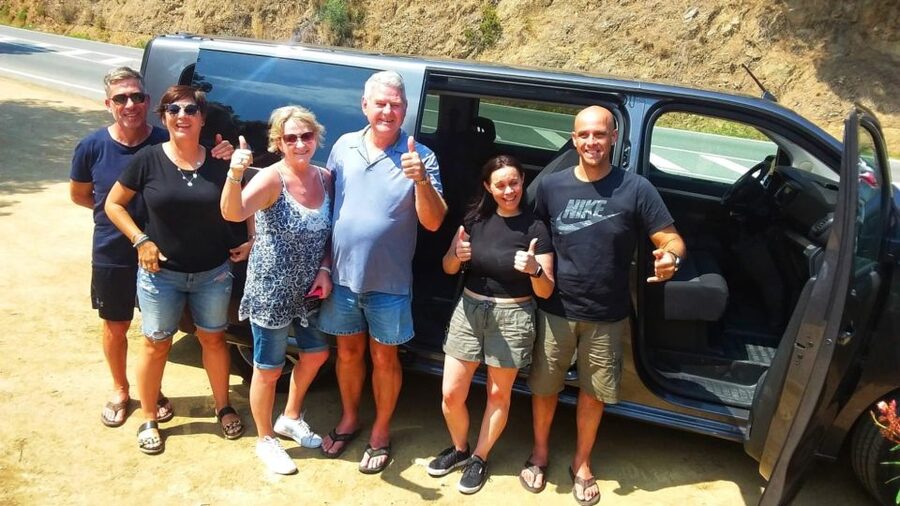
A small group is more than a comfort feature here. With up to 8 guests, the guide can manage the pace and help you with quick questions without losing time. That’s part of why reviews tend to mention guides by name, including Lluis, Miquel, Miguel, Eduardo, and Ramon, with praise for storytelling and handling the day with calm.
You’ll travel in a private air-conditioned minivan, which is a practical upgrade when it’s hot or when the day runs from morning to evening. Many guests also mention the return drive as scenic, which is exactly what you want after a long stretch of walking.
Also look at what is included, because it shapes the value. Entrance to the Tarragona Amphitheatre and Tarragona Circus is included, and the tour notes that you’ll skip the ticket line, which saves time at the moments when you’d otherwise be stuck waiting.
Some days are fun until logistics annoy you. This one is set up to keep friction low, and your guide plays a big role in that.
Price and value: why $116 can make sense for this route
At $116 per person for a 10-hour outing, the value depends on what you’d otherwise do on your own.
You’re paying for a full package: hotel pickup and drop-off, private air-conditioned transport, and a guide for both destinations. You’re also getting included entrances to two major sites in Tarragona, plus ticket line skipping.
Not included is just as important. Food and beverages are not included, so you’ll want to plan to buy lunch and any drinks yourself. If you are the kind of traveler who packs nothing and expects meals to appear, your final day cost will rise.
That said, if you’re trying to coordinate trains, local buses, timed entries, and navigation while also wanting a guided explanation at Roman sites, this becomes easier to justify. The biggest “value” is time saved and understanding gained, not just convenience.
Who this tour is perfect for, and who should skip it
This tour fits you best if you like a day that balances meaning and breathing room.
You’ll likely enjoy it if you care about:
- Roman Tarragona and seeing how Tarraco shaped the town
- Modernist Sitges and architecture that reflects Catalan identity
- A beach ending at a place you can access easily from town
You might want to choose something else if you:
- Dislike long days of walking
- Have trouble with stairs on outdoor historic sites
- Want a slow, unstructured day with no schedule at all
The tour’s strength is momentum with a guiding hand, plus a small-group size that keeps it social without turning it chaotic.
Should you book Tarragona and Sitges from Barcelona?
I’d book this if you want a single day that hits the essentials: Roman Tarragona highlights like the aqueduct and amphitheatre, then a calmer coastal finish in Sitges.
Use this as your decision shortcut:
- If you want a guide to explain what you’re looking at and you’re okay with a full 10-hour loop, book it.
- If you hate walking and stairs, or you want multiple long beach hours instead of a structured day, choose a different style of trip.
If you do book, my practical tip is simple: pack for comfort (comfortable shoes, sun protection), and plan to treat lunch and snacks as part of the day rather than expecting them to be included.
FAQ
How long is the Tarragona and Sitges day tour?
The tour lasts 10 hours.
What is the price per person?
The price is $116 per person.
What are the pickup times from Barcelona hotels?
Hotel pickup happens between 8:00 AM and 9:00 AM. You receive a message 24 hours before departure with the specific pickup time.
How big is the group?
It is a small group with up to 8 guests.
Which languages are offered for the live guide?
The live tour guide is available in Spanish and English.
What is included for Tarragona attractions?
Entrance is included for the Tarragona Amphitheatre and the Tarragona Circus.
Do I need to buy ticket line entries for the sites?
The tour includes skip-the-ticket-line service.
Is food included?
No. Food and beverages are not included.
Is there any free time during the day?
Yes. There is free time at Playa de San Sebastián.
What is the cancellation policy?
Free cancellation is available up to 24 hours in advance for a full refund.
Latest Barcelona reviews into the ledger





Full-Day, compared.
Toledo Half or Full Day Tour with Optional Lunch from Madrid
Read our review →

Timanfaya Park and Jameos del Agua Full-Day Tour
Read our review →
Teide National Park Full-Day Tour with Pickup
Read our review →