Reviewed · THINGS TO DO IN MADRID
From Madrid: Ribera del Duero Tour of 3 Wineries w/ Tastings
Ribera del Duero wines show up fast, in a well-paced full day. This trip is built around 3 different winery styles and tastings across the region, from modern architecture to the cool hush of underground caves. I especially like how the guide keeps things practical, connecting what you taste to what you see in the vineyards and cellars.
You’ll also get a lot of value for the time, because you taste at least 8 wines with local snacks at each stop. The last visit is a standout for pure atmosphere: a medieval underground cellar with 7 km of tunnels that’s still in use. One possible drawback to plan for is that this is a long day (about 10 to 11 hours), so you’ll want energy for the drive plus three tastings.
In This Review
- Key highlights you’ll feel on the day
- Why Ribera del Duero works so well as a Madrid day trip
- Entering the region: vineyards, Duero River context, and what you’re really tasting
- Stop 1 in Aranda de Duero: avant-garde architecture and the “precision” feel
- Stop 2 in Aranda de Duero: modern structures that still respect history
- The free time in Ribera del Duero: how to use your 1.5 hours well
- The 16th-century underground cellar stop: 7 km of caves, 13 meters down
- The tastings: what you actually get (and how to make the most of it)
- Group size and vibe: why small matters on a wine day
- Getting practical: timing, comfort, and what to plan for
- Who should book this Ribera del Duero day trip
- Final decision: should you book?
- FAQ
- How long is the Ribera del Duero tour from Madrid?
- How many wineries and wine tastings are included?
- Is lunch included?
- Where do I meet in Madrid?
- What are the age requirements for wine tastings?
- Is the tour suitable for wheelchair users?
- What languages are offered on the tour?
- Can I cancel and get a full refund?
Key highlights you’ll feel on the day
- 3 wineries, 3 styles: boutique avant-garde design, vineyard-connected modern buildings, and a centuries-old cellar world
- 8+ wine tastings with snacks: enough pours to compare styles and learn what changes the glass
- Vineyard and cave time: you’re not stuck indoors, even at the older sites
- Family-run history plus modern methods: the region’s evolution is part of the tour story
- Small groups (avg 8): easier conversation with the bilingual guide, Spanish and English
Why Ribera del Duero works so well as a Madrid day trip
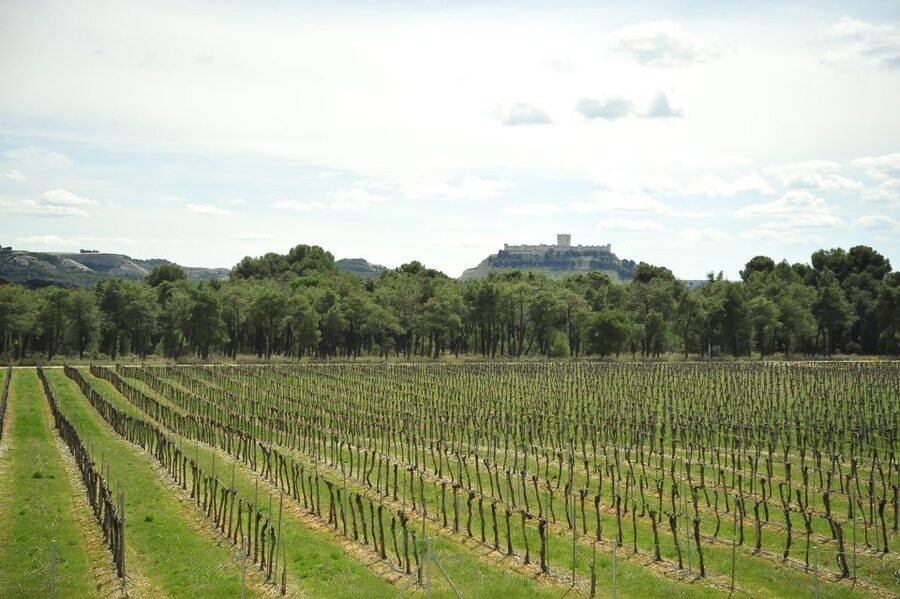
Ribera del Duero is one of Spain’s big wine names, and it makes a lot of sense as a day trip because the region gives you contrasts you can actually notice. You get vineyards shaped by the Duero River system, plus wineries that range from cutting-edge design to spaces carved into rock.
The drive is about two hours from Madrid city center each way, and the day is timed around tastings and short visits rather than long walks. That matters because a wine tour can turn into sitting and waiting, but here the format stays moving. By the time you head back to Madrid (around 20:00), you’ll have a clear sense of what makes Ribera del Duero’s reds and aging choices feel distinct.
This also helps you compare without overthinking. Instead of one winery with one point of view, you see three different approaches to the same denomination, so your palate has something to measure.
More Things to Do in Madrid
- Madrid: Tour Bernabéu Entry Ticket
★ 4.5 · 21,573 reviews - Madrid: Prado Museum Entry Ticket
★ 4.6 · 20,699 reviews - Madrid: Royal Palace Fast-Access Admission Ticket
★ 4.6 · 13,856 reviews - Madrid: “Emociones” Live Flamenco Performance
★ 4.8 · 12,866 reviews
Entering the region: vineyards, Duero River context, and what you’re really tasting
Ribera del Duero is tied to the Duero River, and that geographic thread is more than trivia. On this kind of tour, your guide uses the route to explain the “why” behind the wine, like how the region’s character shows up in the glass.
You’ll also hear about the main idea of Ribera del Duero as a production world where new tech and old traditions exist side by side. That’s not just marketing language. When you walk into a modern winery building, you’ll notice how design can support temperature control, storage, and workflow. Then, when you descend into the underground cellar at the final stop, the contrast becomes obvious fast.
If you care about wine, you’ll appreciate that the tastings aren’t random. The tour is structured so each winery adds a different layer: architecture and winemaking choices at the first two, then the deep heritage side at the third.
Stop 1 in Aranda de Duero: avant-garde architecture and the “precision” feel
Your first winery visit is built around a boutique producer with avant-garde architecture. The point of this stop is to show you how a modern facility can be designed for optimal production conditions, not just for photos.
Expect a guided visit of the facilities, then a tasting paired with local appetizers. The tasting portion is where it clicks. You’re learning to link what you see, like how storage and handling are managed, to how the wine tastes in the glass.
A detail worth noting is the reputation described for this winery’s recent performance on the Tim Atkin scale, with multiple wines rated at +95 points in 2025, plus recognition for a founder as Winemaker of the Year. You don’t need to memorize the numbers, but it signals the “serious craft” level you’re stepping into here.
What to watch for during tasting: treat this as your baseline. Take a few notes on aroma and texture, then compare later when the tour shifts styles.
Stop 2 in Aranda de Duero: modern structures that still respect history
The second winery is meant to contrast with the first. Here, you’ll see spaces that connect with the vineyards, with modern architecture blending into the surroundings. The tour approach encourages you to compare how each producer works with function and nature, and how that shows up in the wine.
This stop is also designed to show the breadth of the region. You’ll tour the facilities, then taste multiple wines with local appetizers again. It’s a smart format because tasting at two different modern-leaning wineries helps you catch differences that a single stop can hide.
In some cases, modern wineries can feel “all the same,” but this one is positioned as a different approach, including references to history and how production can be modernized while still keeping roots visible. If you’re the type who likes understanding how tradition and efficiency coexist, this is the place.
My practical advice: slow down your tasting a bit here. After the first stop, you’ll be tempted to speed-run your palate. Use the second winery to refine what you’re noticing, like fruit profile versus structure, and how aging decisions affect aroma.
Madrid, continued down the scoresheet:
- Madrid: Panoramic Route City Tour★ 4.1 · 12,259 reviews
- Madrid: Live Flamenco Show with Food and Drinks Options★ 4.5 · 9,901 reviews
- Avila & Segovia Tour with Tickets to Monuments from Madrid★ 5.0 · 9,762 reviews
The free time in Ribera del Duero: how to use your 1.5 hours well
After the first two winery visits, you get free time for lunch in the area. The tour gives you at least about 1.5 hours, and your guide provides recommendations. Lunch is on your own, which is actually a plus if you prefer choosing your meal instead of eating a set option every time.
You’ll typically find options ranging from tapas-style plates to a lighter lunch, or you might see places offering a full 3-course meal. A rough budget mentioned for tapas is around €12 to €15, while a 3-course meal can run around €30. Those numbers help you plan if you’re traveling on a set daily budget.
Here’s how to make lunch work for you: eat something that won’t kill your appetite for the final tasting. After two tasting rounds, you don’t want a heavy, slow meal that leaves you tired and stuffed. If you do go tapas, pick a few items and keep water nearby.
Also, watch timing. You want to arrive back ready to taste again, not still digesting and sleepy. This is a long day with three winery stops, so lunch should reset you, not drag you down.
The 16th-century underground cellar stop: 7 km of caves, 13 meters down
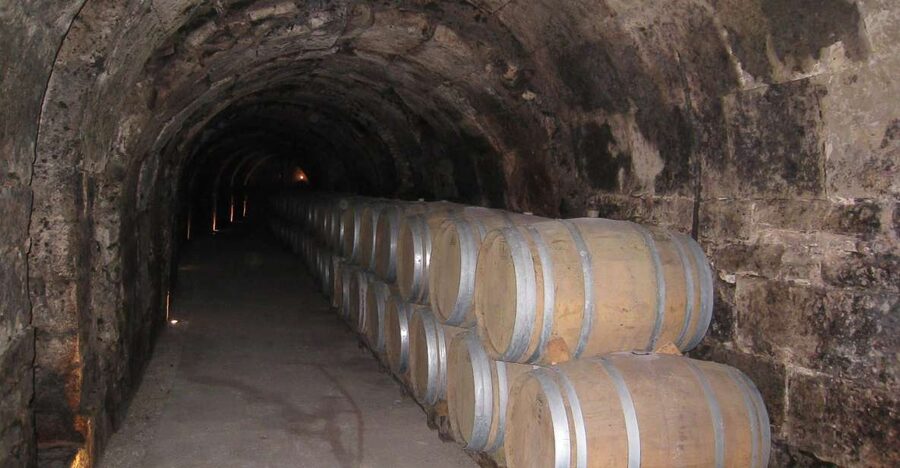
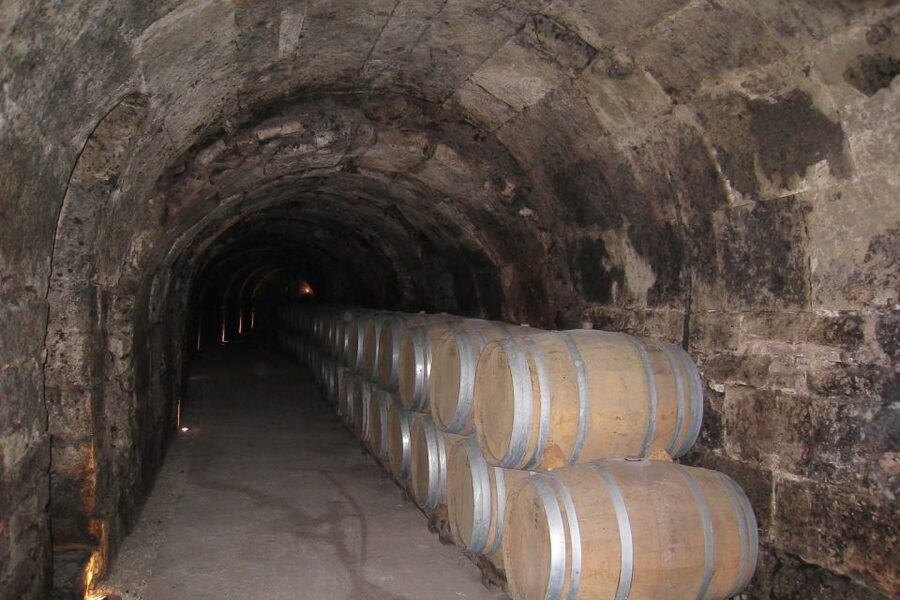
The third winery is the heritage-heavy finale, and it’s not subtle. This place has winemaking tradition passed down for 400 years and it was founded before the Denomination of Origin existed, described as a forerunner.
Then you go underground.
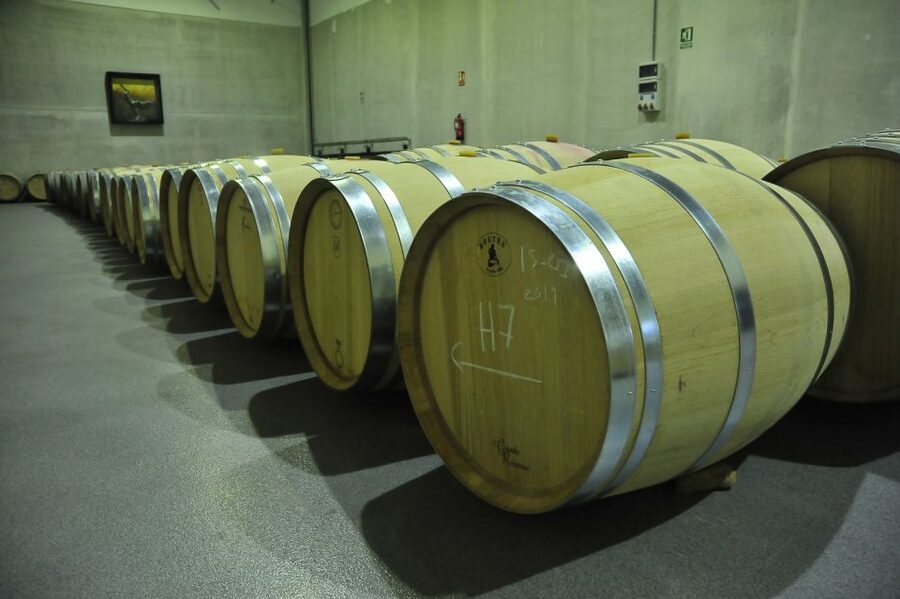
You’ll visit a medieval underground cellar from the 16th century, excavated in rock to a depth of about 13 meters. The tunnels are described as around 7 km long and still in use. Even if you’re not a “cellar person,” this kind of space changes how you experience wine. The air feels different, and the stone-and-rock setting makes the idea of aging feel very physical.
This is also where you often learn the practical side of cellar work. Underground spaces can stabilize temperature and humidity, and those factors matter for aging. Your guide helps connect the tasting back to what the cellar environment does to the wine over time.
Last winery tasting tip: pace yourself. By now you’ll have several wines in your memory, so tasting well is about comparison and recall. Take one glass at a time, and pay attention to how the wine changes from earlier stops, especially in aroma and structure.
The tastings: what you actually get (and how to make the most of it)
The tour is designed so you taste at least 8 wines total, with local appetizers at each winery. That’s a meaningful amount. Enough for variety, but not so much that everything becomes one blur.
The guide is bilingual, Spanish and English. In many cases, a guide can operate both languages in a way that keeps the group comfortable. Names you might hear in past tours include Ismael, Ismail, Muna, Kike, Raul, Antonio, and Jorge, and the common thread is strong explanation plus patience with different language levels.
If you want to get more out of the tastings, use a simple method:
- Notice aroma first, then fruit and acidity.
- Then check body and tannins (how dry or grippy the wine feels).
- Finally, think about how the finish lingers.
Also, don’t ignore the pairing. The appetizers are local and used to complement the wines, which means you can learn how food shifts perception. That’s useful even after you’re back in Madrid, when you’re choosing wine at a shop or restaurant.
Group size and vibe: why small matters on a wine day
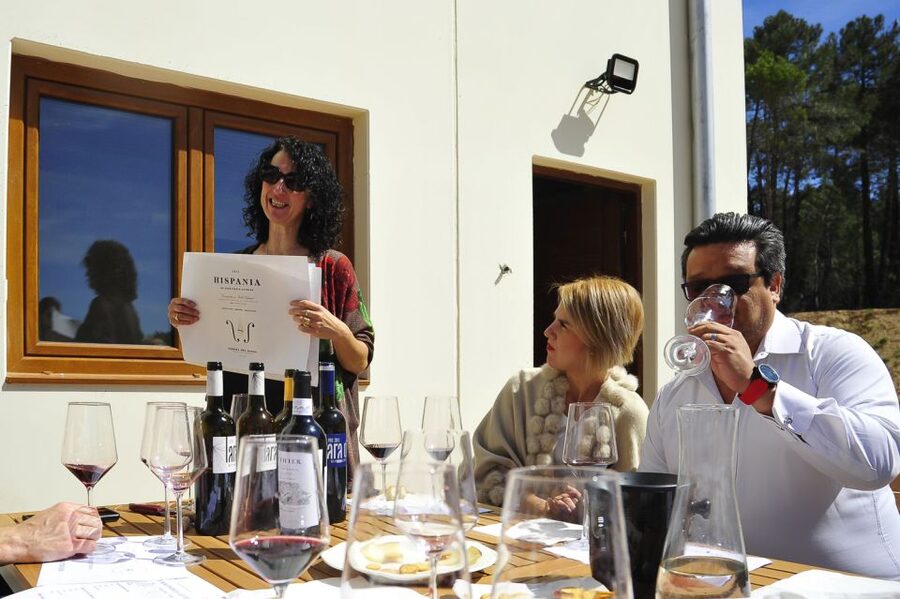
This is a small group tour. It runs with a minimum of 4 participants and a maximum of 20, with an average around 8. That average is the sweet spot for a wine tour because you can hear the guide without leaning, and questions don’t get swallowed by a crowd.
The group mix can be multicultural, and guides like Ismael have handled translation for people who did not speak Spanish fluently. That’s a good sign if you’re worried about language. Even if you’re not perfect with Spanish, the tour is set up so the tasting and explanations stay understandable.
There’s also a practical safety vibe for solo visitors. Past notes specifically describe it as a safe tour for solo female travelers, which matters if you’re traveling alone and want peace of mind.
Getting practical: timing, comfort, and what to plan for
This trip starts in Madrid at 9:15 AM. The drive to Ribera del Duero is about two hours, and the tour returns around 20:00, depending on traffic. So yes, it’s a full day, and you should treat it like one.
The meeting point is straightforward: Pl. del Conde de Casal, 6, at the front door of the cafeteria of hotel Claridge, next to the main door of the hotel. The closest metro is Conde de Casal on Line 6.
Comfort note: some past participants have mentioned that the bus experience can vary, including issues like a buzzy PA system that made announcements harder, plus air conditioning that ran too cold or too hot. That doesn’t mean it will happen to you, but it’s smart to bring a light layer and choose a seat where you can hear.
Food note: lunch is your choice, but a couple of past notes describe disappointment with the lunch spot. The fix is simple: be ready to pick a place your guide recommends and that matches your taste for tapas versus heavier meals.
And yes, one practical trade-off showed up in feedback: the day can feel long, and one suggestion was that two wineries might be enough for some people. If you love wine and education, three stops works well. If you prefer shorter days, this one may feel like a commitment.
Who should book this Ribera del Duero day trip
Book it if you want more than a sip-and-smile experience. This tour is designed for people who like seeing how the region works: vineyards, architecture, family wineries, and the contrast between modern production and centuries-old caves.
It’s also a great choice if you’re heading to Madrid and want one day that gives you real context for Spanish wine. You’ll come away with a clearer sense of what Ribera del Duero does differently, not just a few bottles to bring home.
Skip it if you want a very relaxed half-day. The schedule is full, and you’ll be tasting again near the end of the day.
Also consider fit if you have accessibility needs. The tour is not suitable for wheelchair users based on the information provided.
Final decision: should you book?
I think this is a strong pick if your priority is variety plus education in a single Madrid day. Three winery visits, at least 8 tastings with snacks, and a dramatic underground cellar stop make it feel like a full Ribera experience, not a rushed drive-by.
The main thing to weigh is the long day. If you’re energized by wine and happy to spend hours on the road, this will likely hit the right notes. If you’re the type who gets tired easily, consider that the pace is structured around tastings and you will not have a quick reset between stops.
If you’re comfortable with that, this tour is a practical, high-value way to see Ribera del Duero properly, and to leave with a palate that’s learned something, not just gotten tipsy.
FAQ
How long is the Ribera del Duero tour from Madrid?
The tour lasts about 11 hours, with total duration ranging between 10 and 11 hours depending on traffic.
How many wineries and wine tastings are included?
You visit 3 family-owned wineries, and the experience is designed so you try at least 8 wines with local appetizers across the day.
Is lunch included?
Lunch is not included. After the first two wineries, you have free time (about 1.5 hours) to eat nearby at your own expense.
Where do I meet in Madrid?
Meet at the front door of the cafeteria of hotel Claridge, next to the main door of the hotel, Plaza del Conde de Casal, 6 (Pl. del Conde de Casal, 6, 28007 Madrid). The closest metro station is Conde de Casal (Line 6).
What are the age requirements for wine tastings?
Children under 12 years cannot take part in the tour. The minimum age for wine tastings is 18.
Is the tour suitable for wheelchair users?
No. The tour is not suitable for wheelchair users.
What languages are offered on the tour?
The guide is bilingual, Spanish and English. The tour can run in both languages at the same time if necessary.
Can I cancel and get a full refund?
Yes. Free cancellation is available up to 24 hours in advance for a full refund.
Latest Madrid reviews into the ledger



Things to Do in Madrid, compared.

Live Flamenco Show with Food and Drinks Options
Read our review →
Avila & Segovia Tour with Tickets to Monuments from Madrid
Read our review →