Reviewed · CRUISES & BOAT TOURS
From Palamos: Scenic Boat Trip to Calella de Palafrugell
Costa Brava looks best from water, and this route delivers it fast. You get a classic 1903 vessel experience on a Palamós to Calella cruise, plus crew-led facts on the coast’s marine world, geology, and sea culture. It is not just scenery, it is the kind of on-board storytelling that makes the coastline feel personal.
My two favorite parts are the way the crew talks you through what you are seeing, and the chance to anchor for a swim in clear water near Calella de Palafrugell. The only real drawback to plan for is that weather can affect sailing, so if you are tight on time, build in flexibility (one cancellation story in the real world is a reminder).
In This Review
- Key highlights to care about before you book
- A 1903 Goleta Äran cruise with Costa Brava views
- The 16:00 to 18:00 rhythm, Palamós to Calella and back
- La Fosca and Platja del Castell, where the coast changes character
- Islas Hormigas, marine life lessons as you pass
- Cap Roig to Calella, the final approach before you swim
- Swimming in Calella de Palafrugell, what to bring and how to plan it
- Crew storytelling in Catalan, English, Spanish, and French
- Price and value: about $47 for 3 hours on a classic ship
- Practical logistics that affect your day more than you expect
- Who should book this Palamós to Calella boat trip?
- Should you book this cruise?
- FAQ
- How long is the Palamós to Calella de Palafrugell boat trip?
- Where do I meet the crew?
- What does the tour cost?
- What is included in the price?
- Are food and drinks included?
- Is there time to swim?
- What coves and points does the boat pass?
- What languages are offered for the live guide?
- What should I bring?
- Are there any options for flexible booking and cancellation?
Key highlights to care about before you book
- 1903 wooden ship vibe: a traditional feel that keeps the cruise from feeling like a generic sightseeing ride
- A southbound coves route: you pass La Fosca, Platja del Castell, Islas Hormigas, and Cap Roig on the way to Calella
- Crew commentary in multiple languages: Catalan, English, Spanish, and French, with live guidance throughout
- Marine and geology lessons, not just facts: the coast becomes a living classroom as you sail
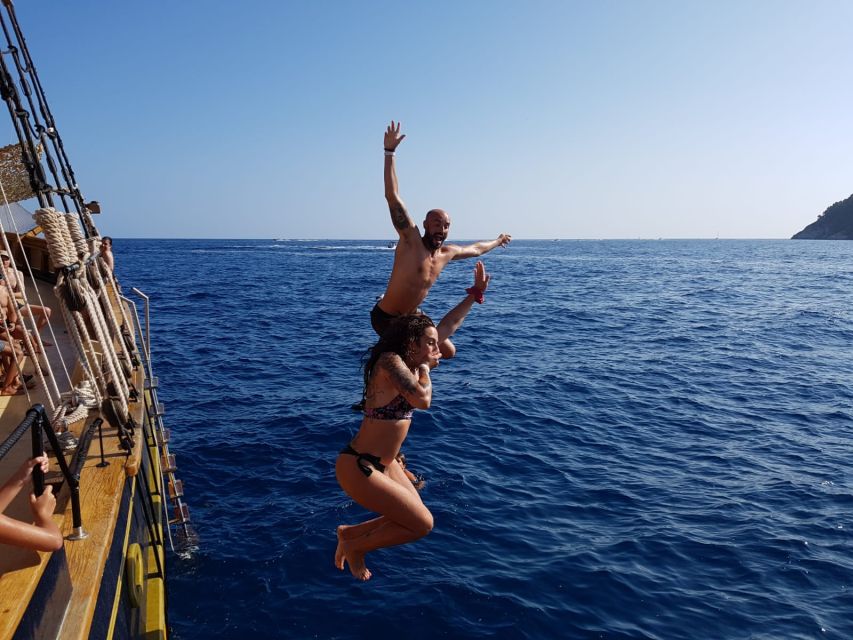
- Swim time built in: you have time to get in the water after anchoring
- Packing matters: hat, sunscreen, swimwear, and a towel make the difference on a sun-and-sea outing
A 1903 Goleta Äran cruise with Costa Brava views
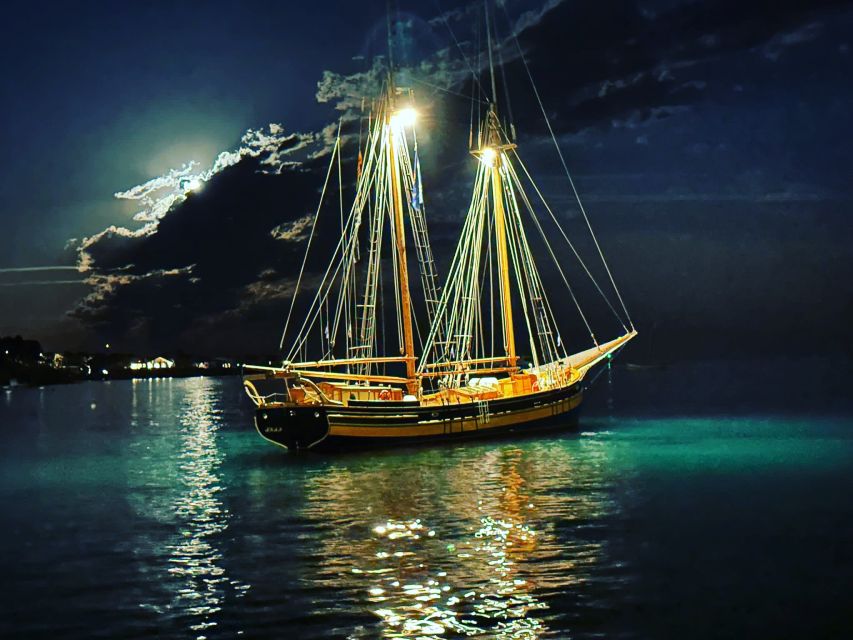
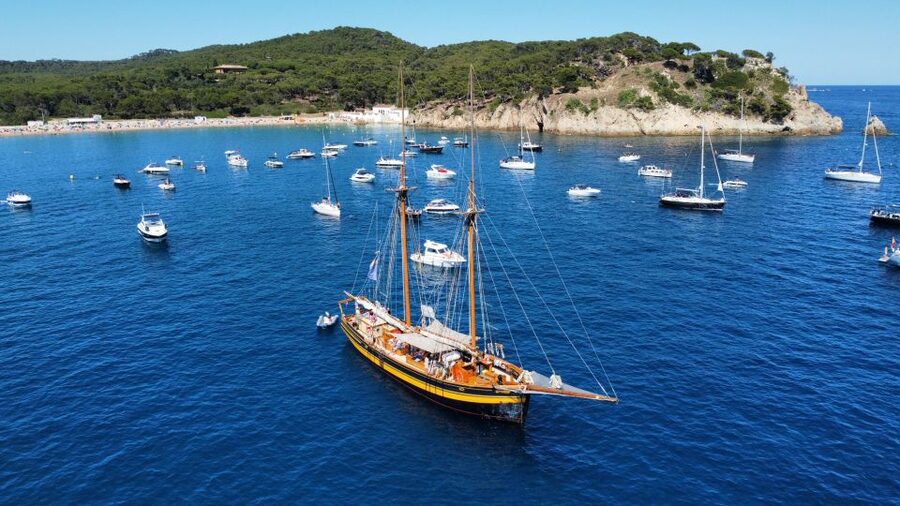
This is a 3-hour boat trip along the Costa Brava, departing from Palamós and heading south toward Calella de Palafrugell. The boat is the star of the show before you even leave the dock: a classic wooden ship, the Goleta Äran, built to give you that old-school maritime feel.
I like that the experience is designed around movement. You are not stuck staring at one section of coastline. You cruise past recognizable spots, then you reach Calella and actually use the water, with a chance to bathe in clear blue conditions when the captain anchors.
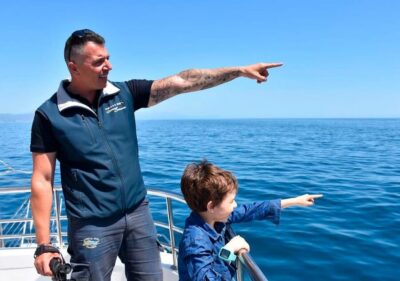
You will also get live narration from the crew, in Catalan, English, Spanish, and French. That matters more than it sounds. With the right explanations, you can look at a cove and understand what makes it work, from shoreline shapes to marine life and coastal geology. It turns your photos into something you can talk about later, not just a memory of sun.
The 16:00 to 18:00 rhythm, Palamós to Calella and back
The tour timing runs southbound from Palamós, roughly 16:00 to 18:00. That two-hour window is long enough to enjoy the drive-by coves, and short enough that you still feel fresh when you reach Calella.
Here is how the flow works, in practical terms:
1) Board at the Goleta Äran dock in Palamós. You will meet the crew there and get your place on the boat.
2) Cruise past key coastal points. As you sail south, you pass La Fosca, Platja del Castell, Islas Hormigas, and Cap Roig.
3) Arrive in Calella de Palafrugell and anchor. You stop at unique spots for bathing time.
4) Return to Palamós. After the swim window, you head back with the same general coastline in reverse.
This layout is valuable because it gives you both styles of travel in one go: the “look out the window” part and the “get in the water” part. If you only do one kind of experience on Costa Brava, the swim time is usually the one you think about afterward.
La Fosca and Platja del Castell, where the coast changes character
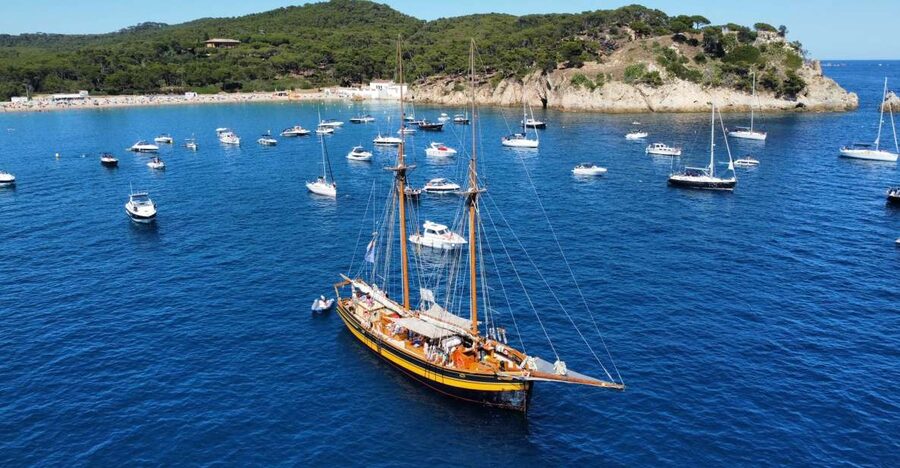
As you sail south, La Fosca is one of those coastline areas you will recognize quickly once you spot it from the boat. It is the kind of stretch where the shoreline feels dramatic because you are seeing it from the right angle, not from a road or a cliff viewpoint.
Then you slide along toward Platja del Castell. This is where the coast begins to feel more open and more varied. From the boat, you can notice how the coves sit in relation to the sea. That is useful, because it helps you understand why certain bays look calm and others look more exposed, even without reading a single sign.
A practical tip: keep your phone or camera accessible for short bursts. The best views tend to come in passes, not during long pauses. If you wait until the moment feels perfect, you might miss the best angle.
Islas Hormigas, marine life lessons as you pass
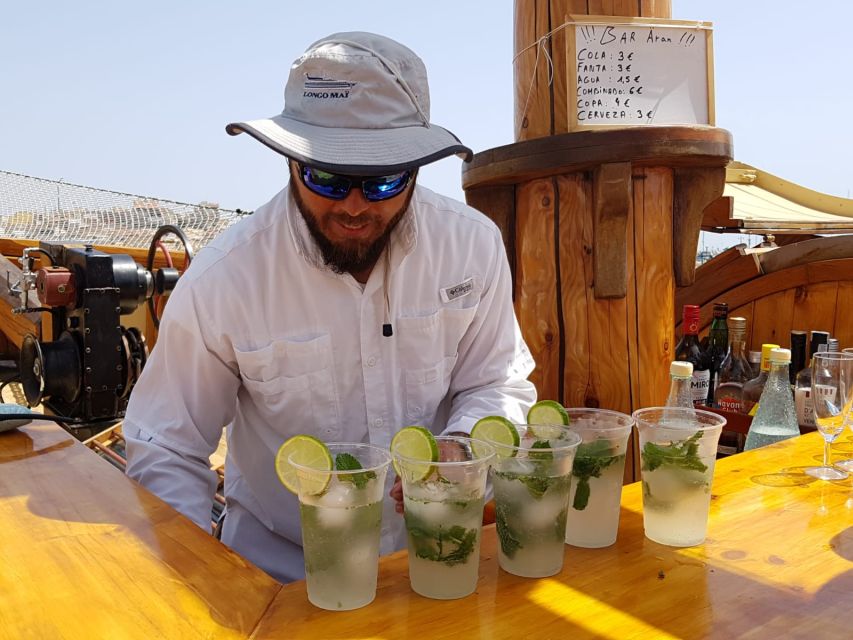
When the route includes Islas Hormigas, you are getting a specific kind of coastal experience: island-and-reef scenery with the promise of marine life talk. Even if you never see a specific animal clearly, the crew’s focus on biology helps you look harder.
What I like about this part is that it turns your senses on. Instead of just scanning for waves and cliffs, you start noticing things like how the water color can change near sheltered areas, and how the geography can create conditions that marine life prefers. It is the difference between sightseeing and real understanding.
You should come with a mindset of curiosity. The crew provides explanations about marine life, biology, and geology, and the payoff is that you can connect the story to the shapes you are seeing in front of you.
Cap Roig to Calella, the final approach before you swim
As you move toward Cap Roig, the coastline starts to feel more like a sequence of distinct settings, each one with its own mood. You can sense when the route is getting closer to Calella de Palafrugell because the scenery becomes more concentrated around the towns, coves, and sheltered water areas.
This is also when I recommend you pay attention to boat movement. Some routes through Costa Brava coves can feel smooth, but conditions can change. One past guest noted the sea state was strong enough that the boat was moving and the swim happened in a bay closer to the start point. So if you are sensitive to waves, take motion into account.
When you reach Calella de Palafrugell, the vibe shifts from cruising views to a destination feel. That transition is exactly what you want from a short tour: you are not done when you arrive, you still get an active moment.
Swimming in Calella de Palafrugell, what to bring and how to plan it
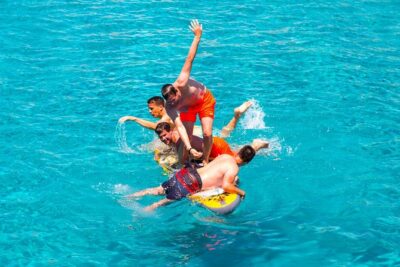
The highlight in many people’s minds is the chance to swim. This cruise includes a stop where the crew drops anchor at spots suited for bathing in crystalline waters. Even if you are not a strong swimmer, it is often a relaxed way to cool off and enjoy the setting, especially when you can step in and adjust at your own pace.
What you should bring is clearly stated, and I agree with the logic:
- Swimwear
- Towel
- Sun hat (and yes, a hat helps more than you think)
- Sunscreen
- Anything you want to stay comfortable with in the sun
One more practical note: because food and drinks are not included, plan your energy before you board. If you rely on snacks on the boat and you did not bring anything, you may feel more stressed about timing when you are ready to swim and dry off.
Also, dress with swim in mind. You want to avoid having to change into wet clothes later without a proper place to do it comfortably.
Crew storytelling in Catalan, English, Spanish, and French
This is one of those tours where the crew can make or break the experience. Here, you get a live tour guide and commentary in Catalan, English, Spanish, and French, and the content covers maritime culture, geology, biology, and even pirate stories.
That mix is smart. Coastal tours often stick to one lane, like architecture or scenery. Here, the explanations connect the sea to the people who worked it, and they connect the coast to the science of why coves look the way they do.
A good sign from real-world feedback is that guests have praised the crew as attentive and the explanations as genuinely useful. In plain terms, that means you can sit back and learn without constantly asking questions or guessing what you are looking at.
If you have kids or travel with people who get bored with long “just looking” moments, this kind of narration helps everyone stay engaged.
Price and value: about $47 for 3 hours on a classic ship
At roughly $47 per person for a 3-hour cruise, this is not a budget impulse buy, and it is not a luxury splurge either. The value comes from the combination: a wooden boat experience, a planned route through multiple notable coves, live crew interpretation, safety gear, and a swim stop.
Here is what you are paying for beyond the ride itself:
- The 1903 wooden ship experience, not a generic motorboat feel
- Live guidance and multi-language narration
- A route that includes several named coastal locations
- A bathing moment, not just a photo stop
- Safety gear with live vests included
What you are not getting is food and drinks, so your total cost can rise if you plan to buy meals nearby afterward. I recommend treating the $47 as the core experience cost, then budgeting for your own water and snacks before or after the cruise.
If you are already in Palamós and you want one high-quality water activity without committing to a full day, this price often makes sense because you get more than one “wow” moment in the same outing.
Practical logistics that affect your day more than you expect
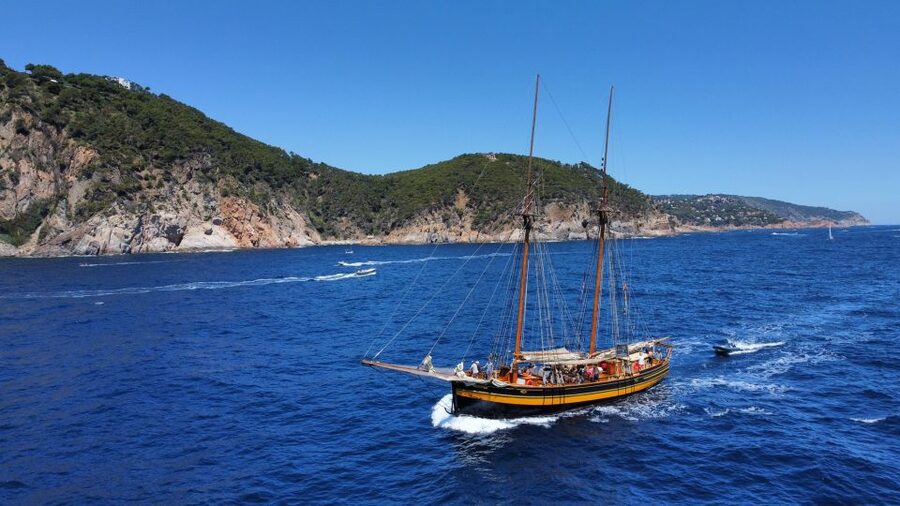
The meeting point is simple and important: you meet the crew at the Goleta Äran dock in Palamós. Get there early enough to feel calm. With a short 3-hour window, you do not want to be sprinting with sunscreen on your nose.
Also consider the sea state. Costa Brava can be gorgeous, but waves happen. One note from experience is that the boat can rock a bit and the swim stop may be adjusted to safer, calmer conditions. If that bothers you, pack accordingly.
Finally, think about what you want from your photos versus your comfort. If you are dressed for lounging, plan for sun exposure and the possibility of wind while moving. A hat and sunscreen are not optional extras here.
Who should book this Palamós to Calella boat trip?
This cruise suits you if you want:
- A classic ship experience rather than a plain transit-style boat ride
- Scenic sailing plus hands-on time in the water
- A guided tour where the crew explains geology, biology, and maritime culture
- Multi-language narration, useful if your group is mixed
You might skip it if:
- You cannot handle boat movement and your group gets seasick easily
- You need food and drinks included, because you will have to plan around what is not provided
- You are traveling with a very tight schedule where a weather disruption could cause major stress
Should you book this cruise?
If you are basing your Costa Brava itinerary around one memorable water moment, I think this is a strong pick. The big selling point is not just the coastline, it is the way the crew makes the coast make sense, then rewards you with anchored swimming near Calella de Palafrugell.
Book it when you can enjoy the 3 hours without rushing. Bring the basics, plan your snacks, and treat the sea conditions as part of the experience, not a failure.
If you want one balanced day on the coast, this Palamós to Calella route checks a lot of boxes at a price that feels fair for a guided classic-boat outing.
FAQ
How long is the Palamós to Calella de Palafrugell boat trip?
The tour lasts about 3 hours.
Where do I meet the crew?
You meet the crew at the Goleta Äran dock.
What does the tour cost?
The price is listed as about $47 per person.
What is included in the price?
Included items are the boat trip, the crew, and live vests.
Are food and drinks included?
No. Food and drinks are not included.
Is there time to swim?
Yes. The tour includes time to anchor at spots so you can bathe in clear water.
What coves and points does the boat pass?
On the way south toward Calella de Palafrugell, the boat passes La Fosca, Platja del Castell, Islas Hormigas, and Cap Roig.
What languages are offered for the live guide?
The tour is offered in Catalan, English, Spanish, and French.
What should I bring?
Bring a sun hat, swimwear, a towel, and sunscreen (a hat is also recommended).
Are there any options for flexible booking and cancellation?
The tour offers free cancellation up to 24 hours in advance for a full refund, and it also offers a reserve now, pay later option.
Harbours to Cast Off From
- Tenerife: Eco-Yacht Whale and Dolphin Watching and Swimming★ 4.7 · 15,619 reviews
- Seville: 1-Hour Guadalquivir River Sightseeing Eco Cruise★ 4.2 · 10,281 reviews
- Palma de Mallorca: 5-Hour Catamaran Cruise with Lunch & Swim★ 4.5 · 9,957 reviews
- Malaga: Catamaran Sailing Trip with Sunset Option★ 4.4 · 8,613 reviews
- Seville: Guadalquivir River Cruise★ 3.9 · 6,921 reviews
Cruises & Boat Tours, compared.
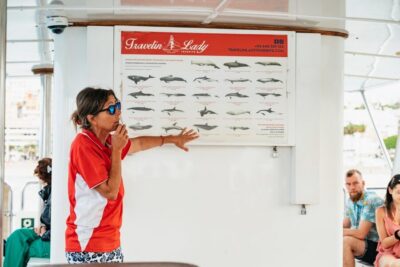
Eco-Yacht Whale and Dolphin Watching and Swimming
Read our review →
1-Hour Guadalquivir River Sightseeing Eco Cruise
Read our review →
Palma de Mallorca: 5-Hour Catamaran Cruise with Lunch & Swim
Read our review →
Daytime or Sunset Catamaran Cruise with Music
Read our review →