
Reviewed · CITY TOURS
From Seville: Italica Roman City Tour
A Roman city 15 minutes from Seville is a rare treat. This Italica tour is packed with real ruins, from street grids and mosaics to the amphitheater and theater at Santiponce. I love how the guide ties big names like Trajan and Hadrian to the stones under your feet, and I also like that you get guided time on-site without having to figure out tickets and transport yourself. One possible drawback is that this is a group bus day, so if your group runs large, you may need to position yourself to hear every story clearly.
The standout moments are the scale of the Italica amphitheater and the finer details like house mosaics and public spaces. Many guides bring the place to life with practical explanations and small human stories, and people often single out the amphitheater tunnels as a memorable walk. The main consideration is that the ruins are spread out, so there is limited freedom for wandering off on your own unless you ask at the right moments.
In This Review
- Key highlights
- Why Italica from Seville Is Worth Your Half-Day
- Getting to Santiponce: Pickup Windows and a Smooth Bus Ride
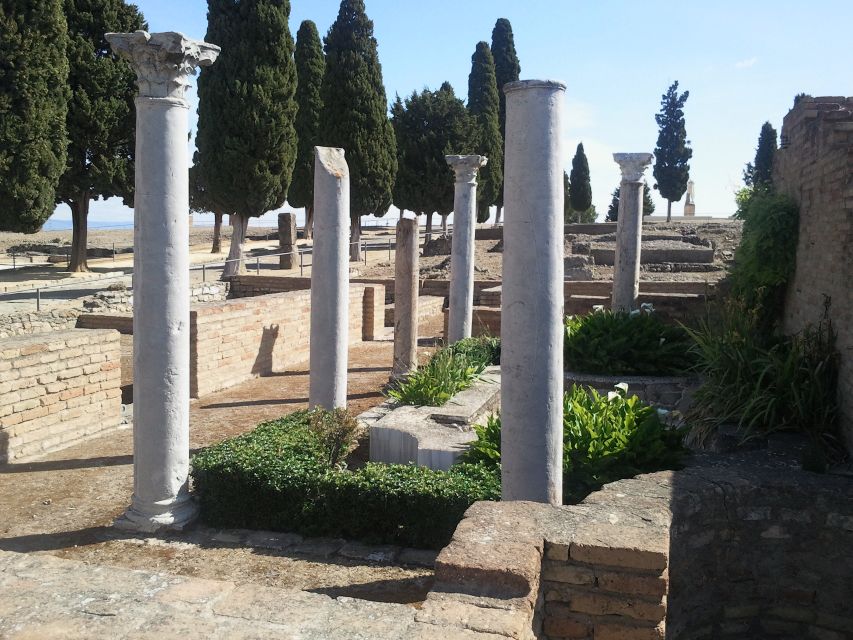
- The Archaeological Ensemble of Itálica: Streets, Homes, and City Life
- Mosaics, Traianeum, Statues, and Public Baths
- The Itálica Amphitheater: Scale, Seating, and Tunnels
- The Santiponce Theater: Partially Reconstructed, Still Impressive
- Time Management: How Long You’re On Your Feet
- Price and Value: Why $51 Often Feels Fair
- Should You Book the Italica Roman City Tour from Seville?
- FAQ
- Where is the Italica tour pickup in Seville?
- How long is the tour, and how much time is guided?
- What’s included in the price?
- Do I need to buy tickets in advance?
- What languages are offered?
- Is lunch included?
Key highlights
- First authentic Roman city in Spain, founded in 206 B.C.
- Amphitheater with 25,000-seat scale, considered the third-largest in the Roman world
- Mosaics, Traianeum, statues of Diana, Venus, and Trajan, plus public baths
- Partially reconstructed Roman theater in Santiponce
- Round-trip transport from Seville plus entrance fees and an official guide
- Skip-the-ticket-line so you spend more time inside ruins
Why Italica from Seville Is Worth Your Half-Day
If you only know Roman ruins from Italy or big famous stops elsewhere, Italica will reset your expectations. This is Spain’s earliest major Roman city site you can really walk through, with enough surviving layout to help you picture how everyday life worked.
I especially like that the tour connects Italica to names you already recognize. Founded in 206 B.C. by Roman general Publius Cornelius Scipio Africanus, Italica later became the birthplace of emperors Trajan and Hadrian. When a guide points out where public life, baths, and theater culture sat in the city plan, those names stop being trivia and start being places.
You are also going to a real Roman landscape, not just a single monument. You will move through the Archaeological Ensemble of Itálica and then see the theater area at Santiponce. That mix matters. One big ruin is impressive, but a functioning city footprint is where understanding clicks.
More Things to Do in Seville
- Seville: Royal Alcázar Entry Ticket
★ 4.6 · 28,378 reviews - Seville: Live Flamenco Dancing Show Ticket at the Theater
★ 4.7 · 16,396 reviews - Seville: Alcázar, Cathedral & Giralda Skip-the-Line Tour
★ 4.8 · 11,525 reviews - Seville: 1-Hour Guadalquivir River Sightseeing Eco Cruise
★ 4.2 · 10,281 reviews
Getting to Santiponce: Pickup Windows and a Smooth Bus Ride
The trip starts with multiple pickup options in Seville, which is a practical detail. You can board at Calle Rastro 12A (09:45), Hotel Don Paco (09:50), or Calle Trajano 6 (10:00). From there, you travel by bus or coach, with about 30 minutes of transit before you reach the ruins area.
Why I think this matters: in Andalusia, you can spend energy figuring out timing if you go solo. Here, you trade a little morning routine for less stress. And because the schedule is built around a timed guided visit, you’re less likely to arrive at the exact moment you would wish you had come earlier.
Also note a small reality check. The day runs like a managed route. The order can change if needed, and the tour may run in two languages to facilitate changes. So if you’re sensitive to your own pace, treat this as a guided experience first, not a wandering day.
The Archaeological Ensemble of Itálica: Streets, Homes, and City Life
Once you’re in Italica, the tour moves into the parts that help you “read” the city. You’ll walk along old streets within the Archaeological Ensemble of Itálica, passing through ruins of homes and public buildings. This is where you start to see how a Roman city actually worked.
Look for two things as you go:
- Where everyday life likely happened: house layouts and residential areas help you picture neighbors, courtyards, and daily routines.
- Where community life gathered: public buildings signal the Roman preference for shared spaces.
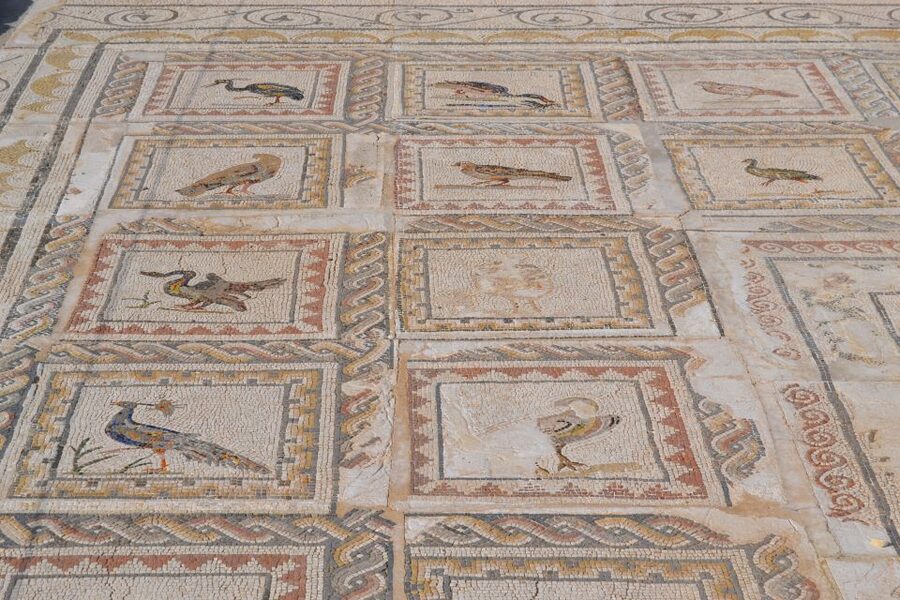
Mosaic floors are a big reason people fall in love with this site. They’re not just decorative. They show wealth, craftsmanship, and the Roman taste for turning interiors into something you’d admire every day.
A useful tip: since much of the experience is guided walking, slow your pace when the guide stops you. If you try to keep moving, you’ll miss the “why this spot matters” explanations that make the ruins feel connected instead of random.
Mosaics, Traianeum, Statues, and Public Baths
Italica isn’t only about grand seating. The tour highlights the calmer, more detailed parts that make Roman art feel personal.
You’ll spend time with:
- Mosaic floors
- The Traianeum
- Statues of Diana, Venus, and Trajan
- Public baths
Here’s why those pieces matter for your brain. Roman bath culture wasn’t only hygiene. It was social time, news time, and status time. When you see the public baths on-site, the city’s routine feels more human. And the Traianeum and statues help explain how Roman religious and political identity got built into daily surroundings.
Some people are also delighted by how guides include smaller stories while pointing at these features. That storytelling can make it easier to remember what you saw after the tour ends, which is the real goal of any ruins day.
A few more Seville verdicts worth reading
- Seville: City Sightseeing Hop-On Hop-Off Bus Tour★ 4.0 · 4,633 reviews
- Seville: Highlights City Bike Tour★ 4.8 · 2,168 reviews
- City Sightseeing Seville Hop-On Hop-Off Bus Tour★ 4.0 · 1,782 reviews
The Itálica Amphitheater: Scale, Seating, and Tunnels
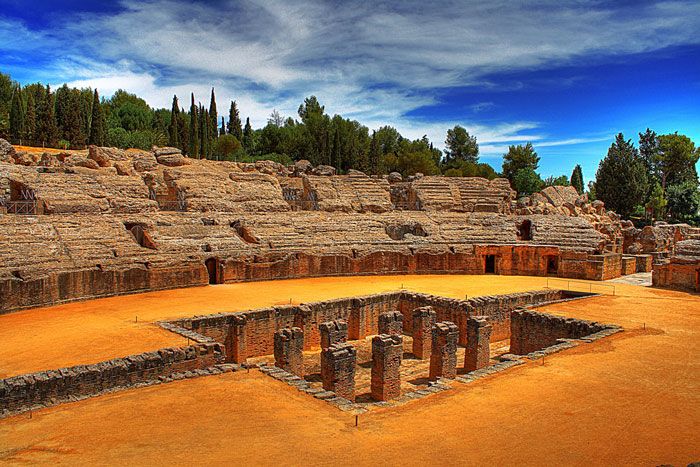
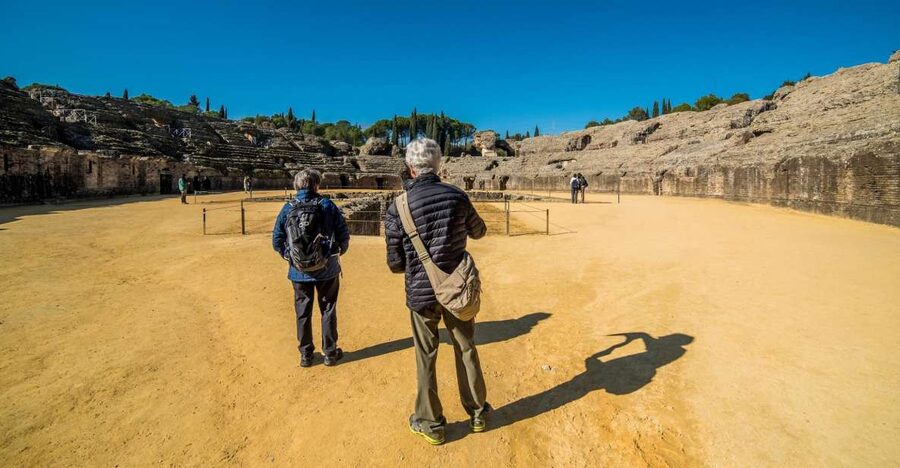
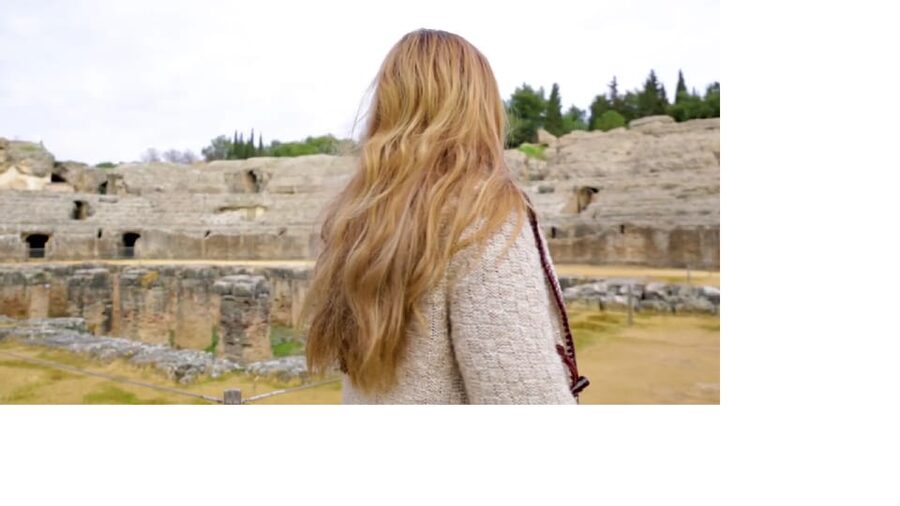
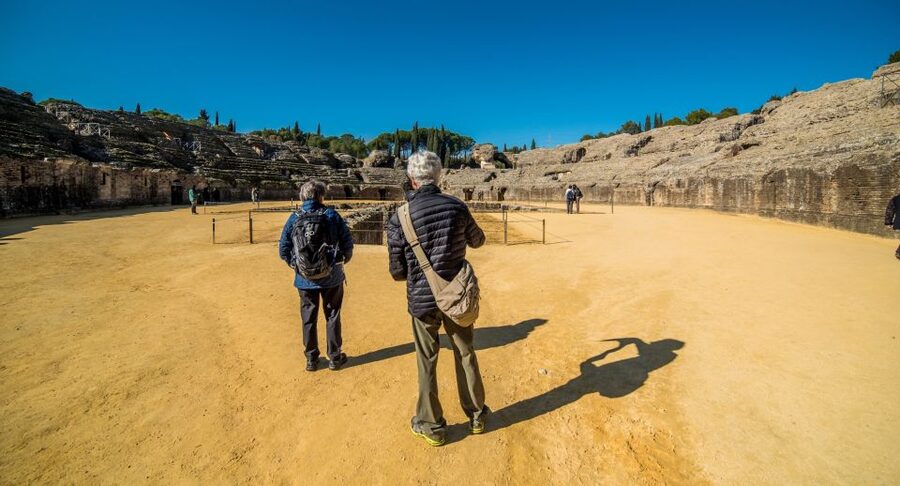
The amphitheater is the showstopper. It had a seating capacity of 25,000, and it’s often described as the third-largest in the Roman Empire. When you’re standing near it, the size hits fast. Even without perfect reconstruction, you can feel the logic of crowds and spectacle.
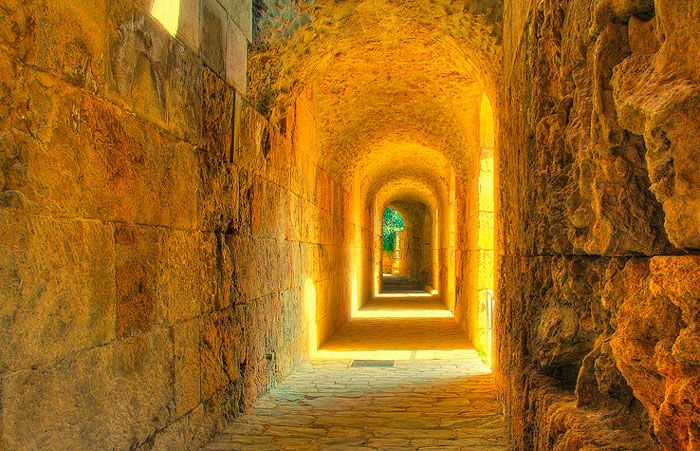
One of the most memorable moments for many groups is getting a chance to walk in and around the area under the seating. Tunnels under the coliseum area are frequently mentioned as a wow point because they help you imagine how performers and staff moved while spectators watched above.
What to watch for while you’re there:
- The way seating rises and directs sightlines
- The scale of the corridor/tunnel spaces so you can picture movement, not just the final view
- The guide’s cues on what this space hosted and what Roman entertainment looked like
This is also a practical time for photos. Don’t just aim your camera at the widest view. Step back and also capture the geometry from closer angles. That’s where the ruin “reads” best.
The Santiponce Theater: Partially Reconstructed, Still Impressive
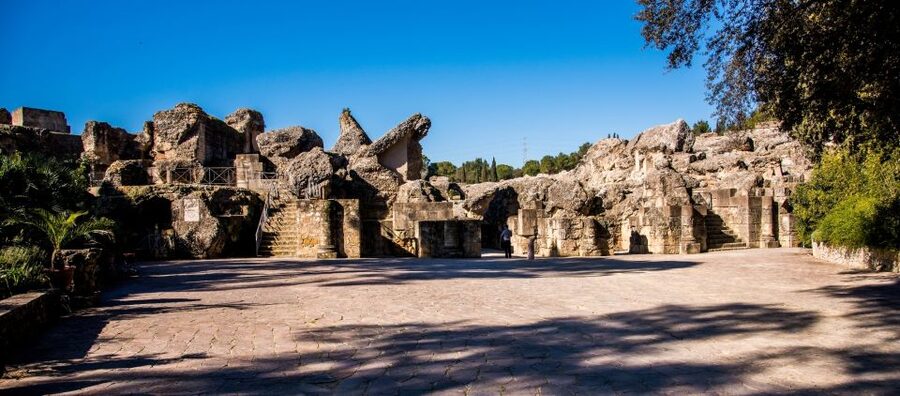
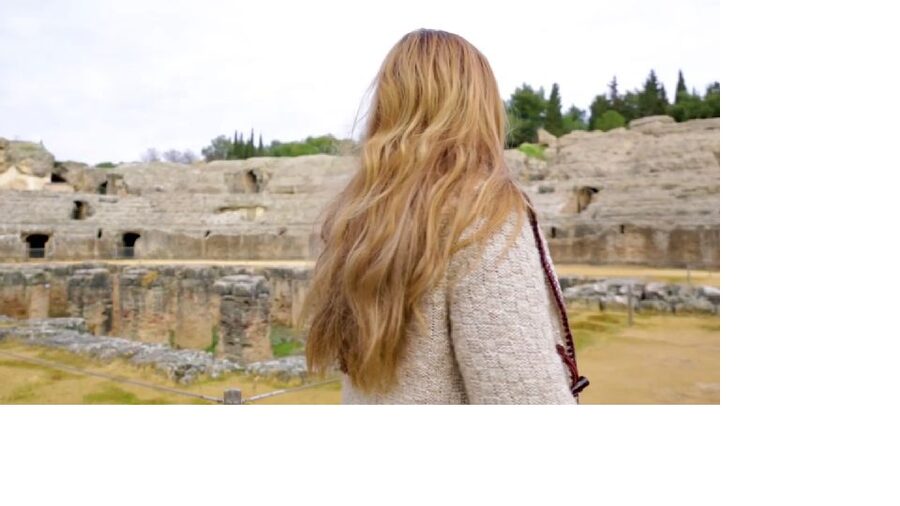
After Italica, you’ll see the partially reconstructed Roman theater in Santiponce. Even with only partial restoration, a theater is easier to understand than an amphitheater, because the idea is obvious: architecture built for staged performance.
The venue connects to the Roman obsession with public culture. You’ll likely hear how theater design shaped audience flow and how performances were staged for visibility and sound.
If amphitheater stories felt like spectacle, the theater often feels like craft. You’re looking at design choices for actors, scenery, and the audience experience. It can be a refreshing change of pace after the more massive seating scale.
Time Management: How Long You’re On Your Feet
The tour is about 4 hours total, including travel. Roughly 3 hours is spent in guided time at Italica, with about 30 minutes each way by bus or coach.
This is not a quick photo stop, and that’s part of the value. You get time for actual context. But it also means you’ll be on your feet for a lot of uneven outdoor walking.
A few practical pointers:
- Wear comfortable shoes you trust on rough ground.
- Bring a layer. Even in good weather, ruins can feel cooler in shaded areas.
- If you’re in a larger group, position yourself so you can see and hear when the guide stops the bus of attention. Some groups want one more minute of breathing room to absorb the details at their own pace.
The tradeoff is usually worth it. You’d rather have 3 hours guided than 2 hours wandering with no explanations.
Price and Value: Why $51 Often Feels Fair
At $51 per person, this tour can feel like a solid deal for what you get. You’re paying for round-trip transportation, entrance fees, and an official tourist guide, plus skip the ticket line.
Here’s the practical value: if you tried to do this on your own, you would still spend on entry and you would spend your own time coordinating transport. The tour handles that, and it builds in guided time so you’re not just reading plaques.
So the value question becomes: do you want a guided route through mosaics, baths, and major ruins? If yes, you’re likely to feel like this price is fair. If you prefer independent museum-style exploring, you might feel the guide limits your pace.
One extra note: there is optional lunch available for €18, so if you want a fuller day feel, you can add it. If not, you can keep the day simple and focus on the ruins.
Should You Book the Italica Roman City Tour from Seville?
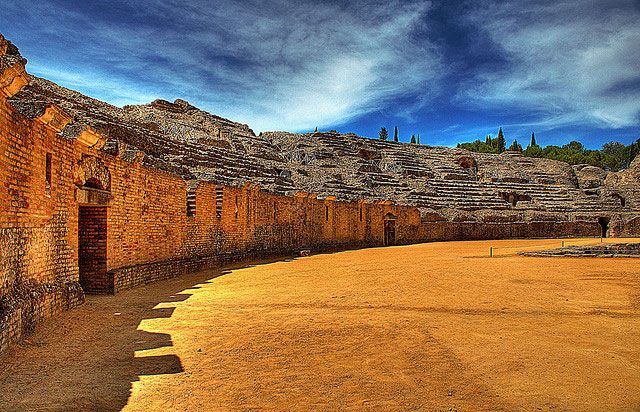
I’d book it if you want a Roman site day with structure. You get the big headline moments, plus the quieter details like mosaics, Traianeum, statues, and baths. The amphitheater is the star, and the theater in Santiponce gives you balance. And because transport and entry are handled, you keep your day from turning into logistics.
I’d think twice if you hate group pacing, because this is a guided route with limited time for independent wandering. And if your priority is lots of extra add-ons, you might find yourself wanting more flexibility, especially if there’s a longer or more structured second stop on the day.
Bottom line: for most people doing Seville, this is a smart half-day plan. It’s close enough to fit easily, but substantial enough to feel like more than a quick detour.
FAQ
Where is the Italica tour pickup in Seville?
You can choose from three pickup points: Calle Rastro 12A at 09:45, Hotel Don Paco at 09:50, or Calle Trajano 6 at 10:00.
How long is the tour, and how much time is guided?
The total duration is about 4 hours, with around 3 hours spent on the guided visit at Italica.
What’s included in the price?
The price includes round-trip transportation between Seville and Italica, entrance fees to Italica, and an official tourist guide. Skip-the-ticket-line is also included.
Do I need to buy tickets in advance?
The tour includes entrance and skip-the-ticket-line access, so you typically do not need to plan ticket purchases separately.
What languages are offered?
The tour is offered in Spanish and English. Other languages (French, German, and Italian) may be available on request.
Is lunch included?
Lunch is not included, but an optional lunch is available for €18.
Latest Seville reviews into the ledger





City Tours, compared.



City Sightseeing Barcelona Hop-On Hop-Off Bus Tour: 24 or 48-Hour
Read our review →

Palma de Mallorca: City Sightseeing Hop-On Hop-Off Bus Tour
Read our review →
Granada City Train 1 or 2-Day Hop-On Hop-Off Ticket
Read our review →
Browse the lists this tour appears in