
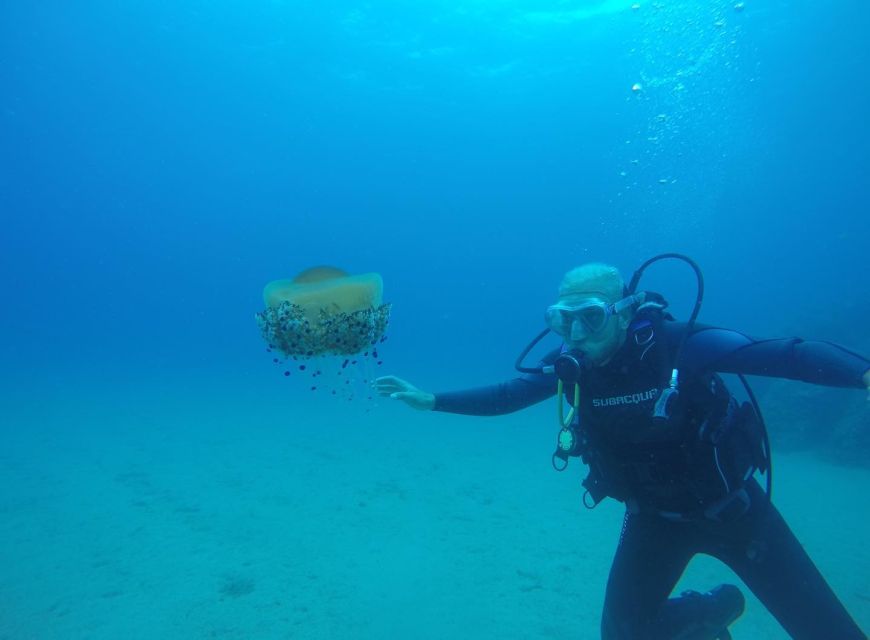
Reviewed · COSTA BRAVA TOURS
Lloret de Mar: Scuba Diving Experience no License Required
Breathing underwater changes your perspective fast. This first-time scuba introduction in Lloret de Mar, based at Dolphins Diving Center, is built for beginners and keeps things controlled from start to finish, with no license required.
I love the small-group attention, because the instructor can stick close during every stage, especially when you are first learning how to breathe underwater. I also like that the training moves step by step, with a maximum depth of 12 meters and a short chance to swim close to marine life around the Costa Brava coast. One possible drawback: photos and videos are listed as not included, and at least one booking issue showed up in the feedback when the expected photos were not sent.
When the instructors are as professional and reassuring as Valentin and Sergio (mentioned in a family booking), the experience feels safe and human, not rushed. If you get seasick easily or have medical limits like high blood pressure, you should think twice before going.
In This Review
- Key things that make this Lloret de Mar scuba intro worth your time
- Where this experience fits on the Costa Brava map
- How the 2-hour schedule builds confidence, not chaos
- Step 1: Theory and equipment explained clearly
- Step 2: Practice in a calm, pool-like bay
- Step 3: A short swim outside the bay, up to 12 meters
- The instructor factor: safety, reassurance, and real attention
- Equipment, what is included, and what that means for value
- The underwater experience: what you actually get to see
- Price and logistics, the practical way to decide
- What to bring, what to avoid, and who should skip it
- Bring
- Not allowed
- Not suitable for
- Meeting Dolphins Diving Center, and how to make the most of those 2 hours
- The best kind of traveler for this Lloret de Mar scuba intro
- Should you book this no-license scuba experience in Lloret de Mar?
- FAQ
- Do I need a scuba license for this experience?
- How long is the experience in Lloret de Mar?
- What is the maximum depth during the underwater part?
- Is it a small group?
- What scuba equipment is provided?
- What should I bring with me?
- Are photos and videos included?
- What languages can the instructor speak?
- Who is the activity not suitable for?
Key things that make this Lloret de Mar scuba intro worth your time
- No license required, with training geared to total beginners who simply like water
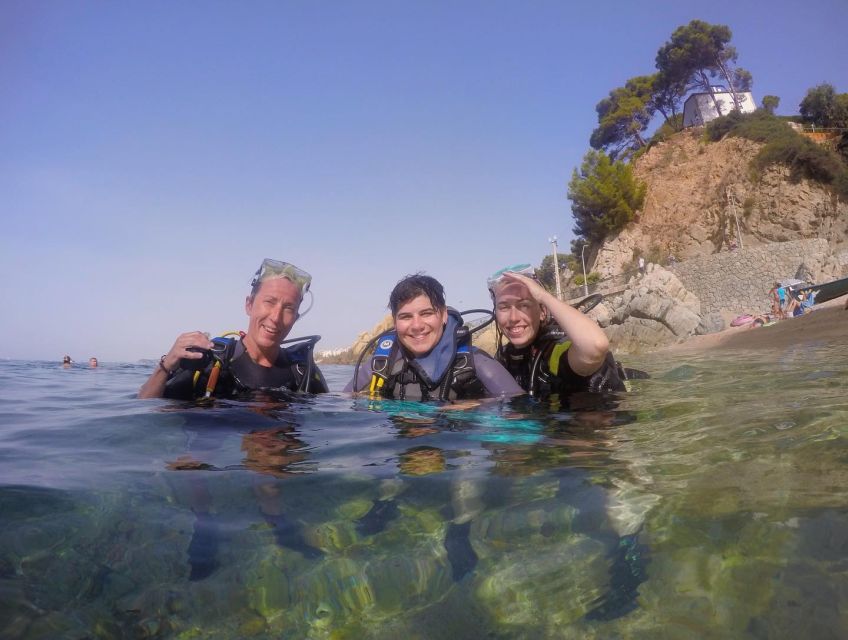
- Small-group size up to 10, so you get personal attention instead of getting lost in the crowd
- A step-by-step water progression, theory first, then practice in a calm bay, then swimming outside the bay
- A practical depth plan, with the experience capped at 12 meters
- Real instructor support, including calm help reported by first-timers who felt anxious
Where this experience fits on the Costa Brava map
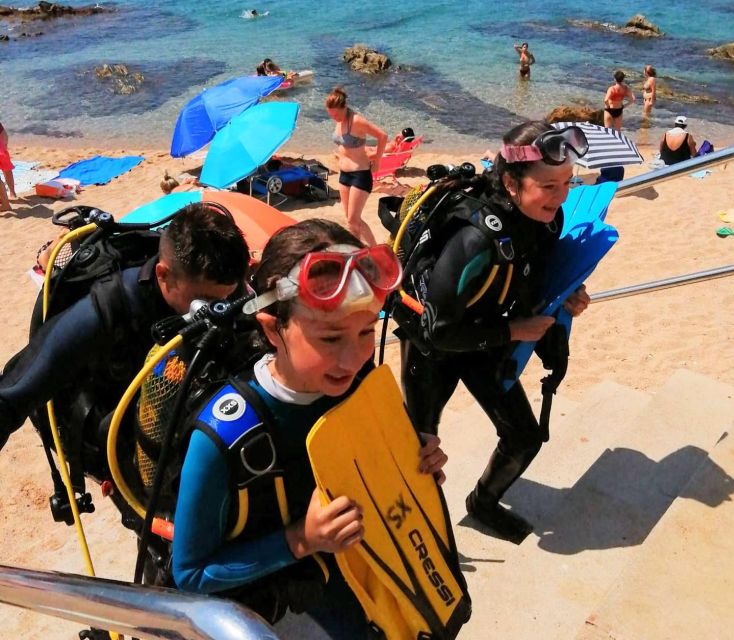
Lloret de Mar sits along the Costa Brava in Catalonia, where the water is often calm enough for beginner-friendly underwater training. This is the kind of outing that works well if you want something active without committing to a full certification path.
The key location detail is that you meet at the activity provider’s office at Dolphins Diving Center. From there, the group setup is tight and focused, which matters for first-timers. When you only have 2 hours, you do not want a long waiting period or confusing start.
Also, this is wheelchair accessible, and the instructor team can work in multiple languages (Spanish, English, French, Russian, Dutch). That mix makes it easier to follow directions clearly, which is crucial the moment you put on your regulator and start breathing underwater.
A few more Costa Brava verdicts worth reading
- Tossa de Mar: PADI Discovery Scuba Diving in Costa Brava
★ 4.7 · 392 reviews - Tossa de Mar: Scuba Diving Experience for Beginners
★ 4.9 · 232 reviews - Tenerife: Your First Scuba Diving Experience in Turtle Area
★ 4.7 · 1,679 reviews - Barcelona: PADI Discover Scuba Diving
★ 4.7 · 1,016 reviews
How the 2-hour schedule builds confidence, not chaos
This experience is designed around one main goal: help you feel accomplished by learning how scuba gear works and how breathing underwater feels in real conditions.
Step 1: Theory and equipment explained clearly
You start with a short theory session. You get the equipment explained before you ever go into the water. For first-timers, this step is not just academic. It helps you know what each piece does, so you are not guessing while you are adjusting to the sensation of breathing through a regulator.
If you are someone who gets anxious with new routines, I like that this format is intentional. It gives you a framework first, then hands you the real-world experience right after.
Step 2: Practice in a calm, pool-like bay
Next comes the controlled part. You head to a calm, pool-like bay to practice your first breaths underwater. This is where you get familiar with how it feels when you wear the full setup and follow the instructor’s cues.
The “well looked after” approach is important. You are in a confined practice space, which makes it easier to focus on breathing and simple movements. It also lowers the pressure of trying to do everything at once.
Costa Brava, continued down the scoresheet:
- Lloret de Mar: Catamaran Sailing Cruise with BBQ and Drinks★ 4.5 · 3,812 reviews
- From L’Estartit: Snorkeling Trip to the Medes Islands★ 4.5 · 1,243 reviews
- Costa Brava: Sea Caves Kayaking and Snorkeling Tour★ 4.8 · 1,060 reviews
Step 3: A short swim outside the bay, up to 12 meters
Finally, you take a few steps further and start breathing underwater while swimming outside the bay. The experience includes time close to marine life, with a maximum depth of 12 meters.
For most first-timers, this is the “wow” stage. You are still within a beginner-friendly structure, but you are now seeing more open coastal water and more of the underwater world than in the practice zone.
The instructor factor: safety, reassurance, and real attention
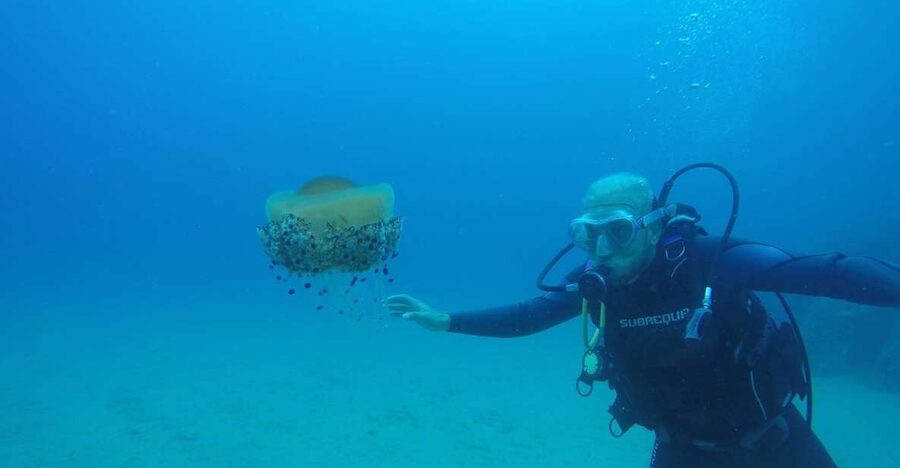
The biggest quality signal here is the instructor emphasis. The experience is set up for personal attention from an experienced instructor, and multiple bookings highlight that safety is taken seriously.
One review singled out instructors Valentin and Sergio for professionalism and kindness during a family experience. Another stands out for first-timers who live with anxiety and CPTSD. The reviewer described that instructors responded quickly to panic underwater and helped them get out safely, then swam them back when they needed to be on land. Even if your experience level or nerves are different, that feedback points to a team that knows how to manage real human reactions, not just technical checklists.
That also explains why the group stays small, limited to 10 participants. In water, safety is easier when the instructor is not juggling too many people at once. You get closer supervision, faster correction, and quicker help if something feels off.
Equipment, what is included, and what that means for value
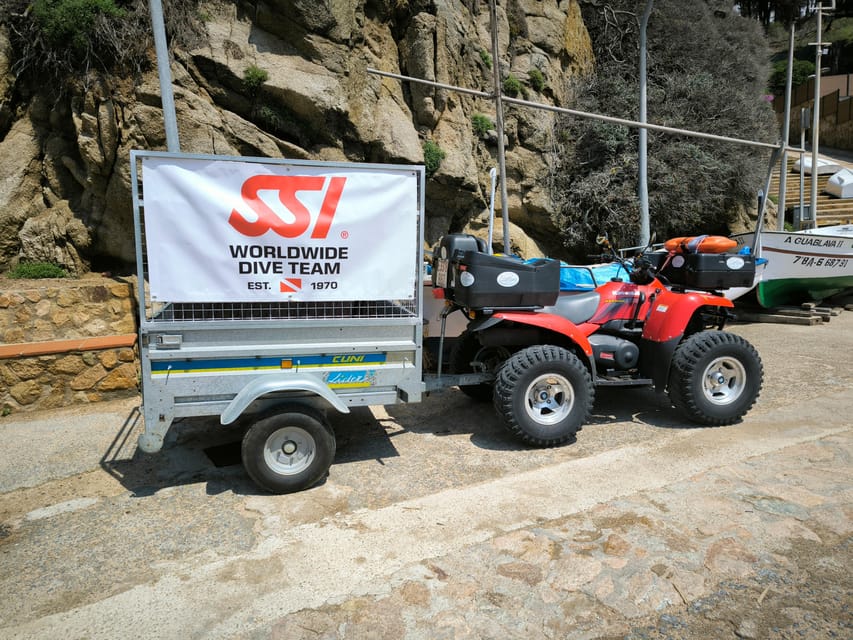
You do not need to bring scuba gear. The experience includes all necessary scuba diving equipment, plus guided tour and entrance fees. For a first-time outing, that matters for value because the biggest cost driver in outdoor activities is often gear rental and logistics.
The $118 per person price makes more sense when you realize you are paying for:
- instructor-led training and coaching,
- entry into the diving location,
- the full equipment setup,
- and a structured progression over 2 hours.
This is not just a scenic boat trip, and it is not a “watch someone else do it” activity either. You are learning the breathing system and how to move while using it, at least for a short, planned session. That is the real value.
Two caution notes:
- Photos and videos are listed as not included.
- A personal trainer fee is listed at 30 GBP (so if you think you will need one-on-one training beyond what is included, plan for an extra cost).
The underwater experience: what you actually get to see
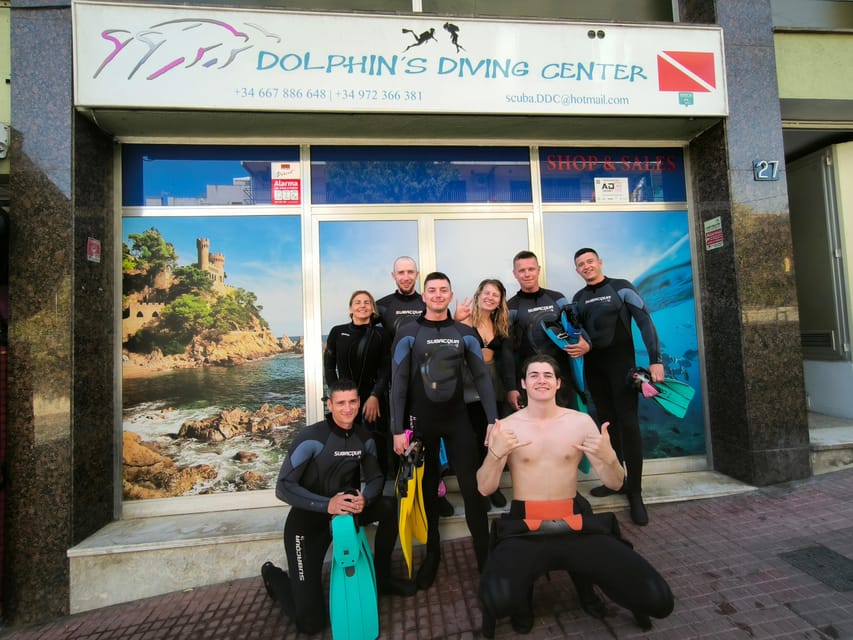
You will be in calm water around Lloret de Mar and the Costa Brava region. The plan takes you from a controlled practice bay to open water just a bit further out.
The experience includes “close to marine life” time, with a maximum depth of 12 meters. That is a sweet spot for beginners because it is deep enough to feel real underwater, but not so deep that you are dealing with extreme conditions.
Important reality check: the exact marine-life sightings are never guaranteed, and you should treat it as a chance to see what lives nearby, not a promise of specific species. But the way the session is structured gives you enough time underwater to actually notice movement and changes in light, which is usually the biggest part of the first-timer “this is incredible” feeling.
Price and logistics, the practical way to decide
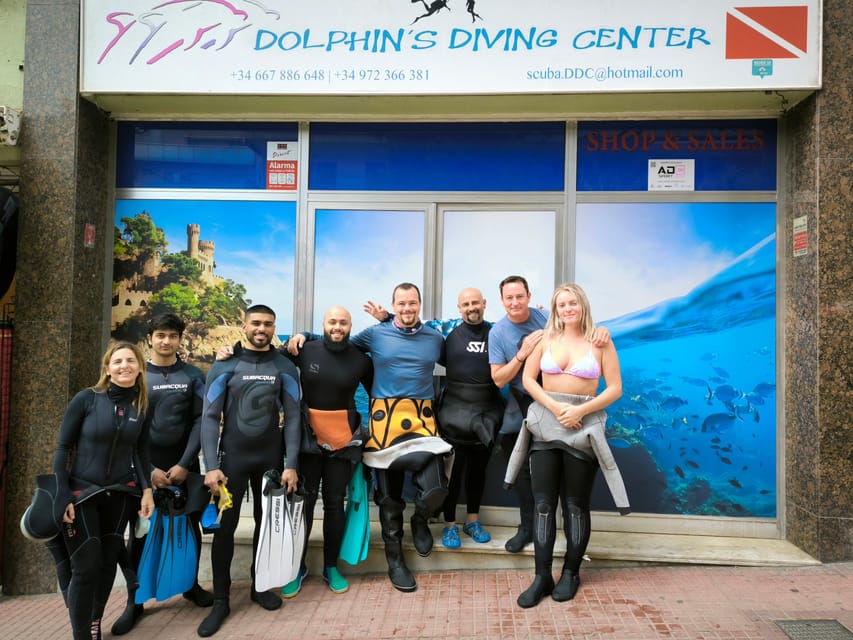
At $118 per person for a 2-hour beginner session, you are paying for a guided introduction with equipment and a structured plan. If your alternative is paying for equipment rentals and hoping you can figure out the breathing system on your own, this package is usually the better deal.
Where the price can be less attractive is if you specifically want guaranteed photos and video delivered to you afterward. Photos and videos are listed as not included, and one booking issue in the feedback was about photos not being sent as promised. I would treat that as a prompt to confirm what you will receive, if anything, before you go.
Also, plan for the fact that food and drinks are not included. If you are arriving hungry, bring a snack nearby or eat before. With only two hours, you do not want low energy to turn into a distracted or cranky moment.
What to bring, what to avoid, and who should skip it
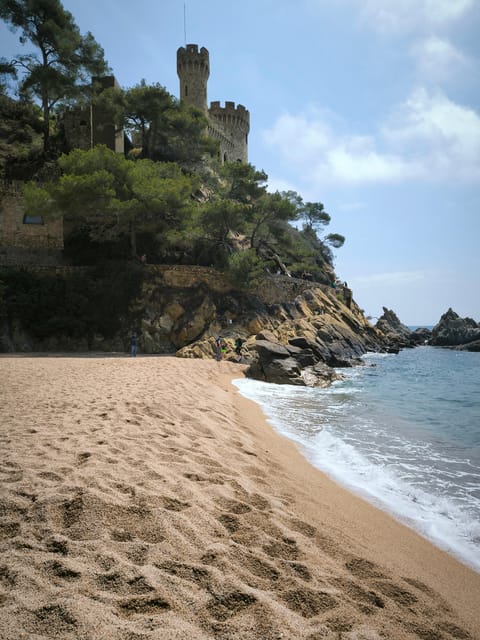
This is straightforward prep, and it helps you start the session relaxed.
Bring
- Swimwear
- Towel
Not allowed
- Alcohol and drugs
- Feeding animals
Not suitable for
This part matters, because “no license required” does not mean “no limits.”
- children under 8 years
- people with heart problems
- people prone to seasickness
- people over 331 lbs (150 kg)
- people with high blood pressure
There is also an age note that the experience is available for everyone above 10 years old. Since there is both an under-8 warning and a 10+ availability note, I’d treat 10+ as the practical baseline and double-check eligibility for any child between ages 8 and 10.
If you have any medical uncertainty, you should talk with your doctor first, then ask the operator. In-water safety is the point.
Meeting Dolphins Diving Center, and how to make the most of those 2 hours
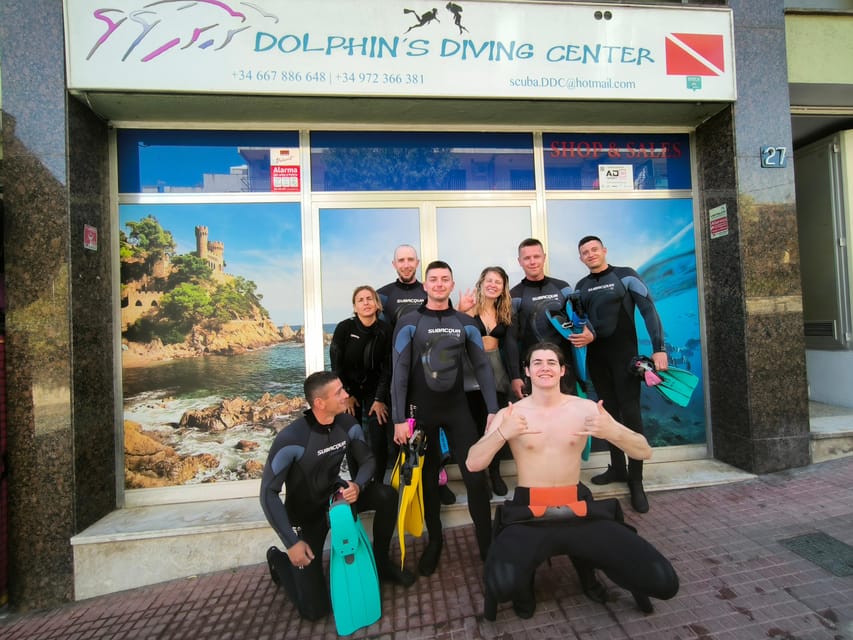
You meet your instructor at the activity provider’s office at Dolphins Diving Center. From there, you will get equipment guidance, then step into the theory and practice cycle.
To get the most from the short time window:
- show up with your swimwear and towel ready,
- avoid getting there rushed or late,
- and be honest with the instructor about how you feel around water or breathing routines.
Even if you think you will be fine, it helps to communicate early. The feedback includes examples of instructors responding quickly when someone needed extra support, which tells me that clear communication is part of the safety system here.
The best kind of traveler for this Lloret de Mar scuba intro
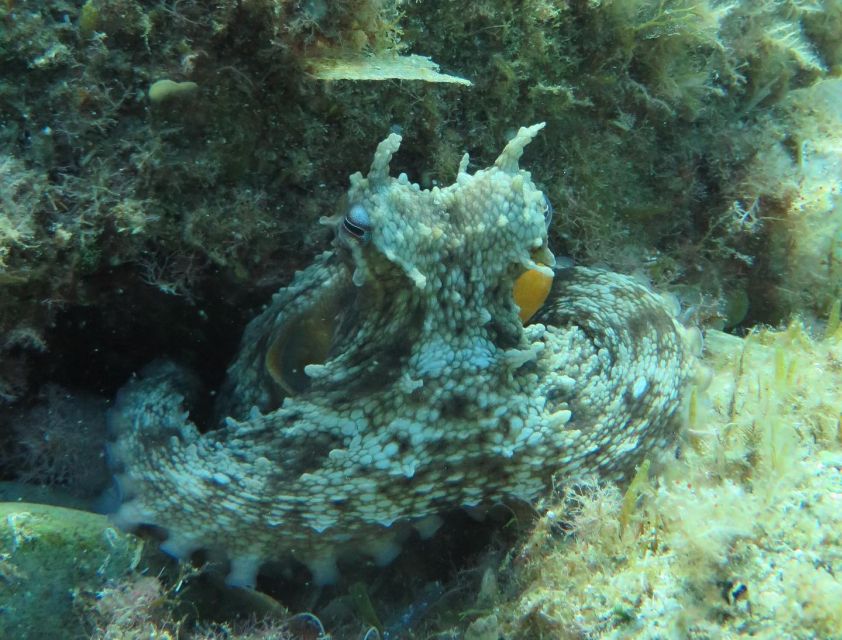
This is a strong fit if you:
- want a first-time scuba experience with beginner coaching,
- like the idea of a structured learning sequence instead of winging it,
- appreciate small-group attention,
- and want a hands-on moment near the Costa Brava coast.
It may not be a fit if you:
- are sensitive to motion and prone to seasickness,
- have medical conditions listed as not suitable,
- are expecting a full-day adventure or a training certification program,
- or want food and photos/videos included automatically.
Should you book this no-license scuba experience in Lloret de Mar?
I’d book it if you want a beginner-friendly introduction that prioritizes supervision, step-by-step learning, and real confidence building in calm coastal water. The small group size, structured progression, and emphasis on instructor support make it a sensible choice for first-timers.
I would hold off if your priority is guaranteed photos and video, or if you fall into the not-suitable categories like high blood pressure, heart problems, seasickness, or the weight limit. Also, if you are traveling with kids, double-check the age guidance before you lock it in.
If you do book, send one quick question to Dolphins Diving Center about photo/video expectations. Then bring your towel, arrive unhurried, and treat the session like training for a skill, not a performance. That mindset is usually what turns a “first time” moment into a proud story you will tell back on shore.
FAQ
Do I need a scuba license for this experience?
No. It is described as a no-license-required scuba introduction.
How long is the experience in Lloret de Mar?
The duration is listed as 2 hours.
What is the maximum depth during the underwater part?
The experience includes underwater time up to a maximum depth of 12 meters.
Is it a small group?
Yes. The group is limited to 10 participants.
What scuba equipment is provided?
All necessary scuba diving equipment is included.
What should I bring with me?
Bring swimwear and a towel.
Are photos and videos included?
Photos and videos are listed as not included.
What languages can the instructor speak?
The instructor can speak Spanish, English, French, Russian, and Dutch.
Who is the activity not suitable for?
It is listed as not suitable for children under 8 years old, people with heart problems, people prone to seasickness, people over 331 lbs (150 kg), and people with high blood pressure.
Latest Costa Brava reviews into the ledger
Costa Brava Tours, compared.
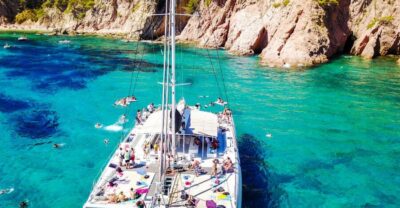
Lloret de Mar: Catamaran Sailing Cruise with BBQ and Drinks
Read our review →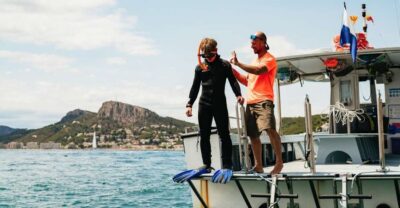
From L’Estartit: Snorkeling Trip to the Medes Islands
Read our review →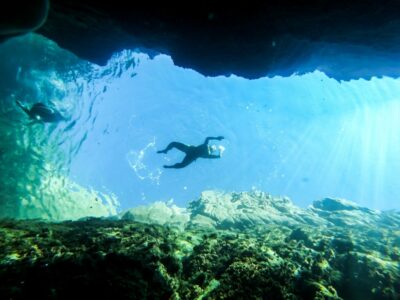
Blanes: Marimurtra Botanical Garden Entry Ticket
Read our review →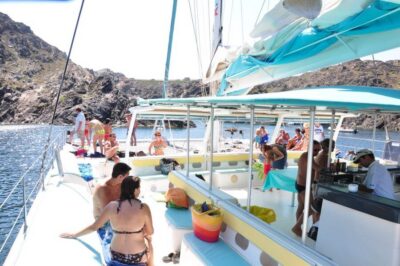
From Roses: Catamaran Cruise Cap Norfeu – Cadaqués
Read our review →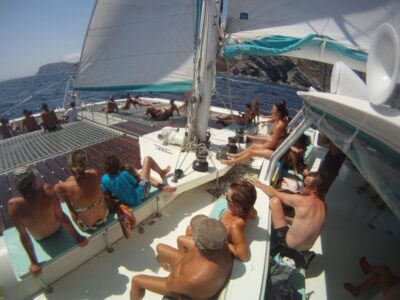

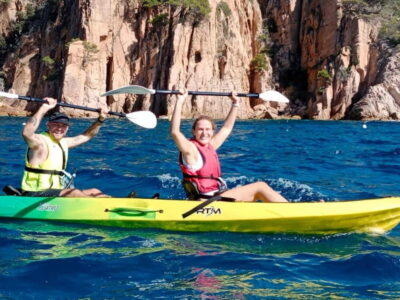
From Sant Feliu de Guíxols: Kayak and Snorkel in Costa Brava
Read our review →Browse the lists this tour appears in