Reviewed · THINGS TO DO IN BARCELONA
Made in Catalonia, Barcelona with Culinary Backstreets
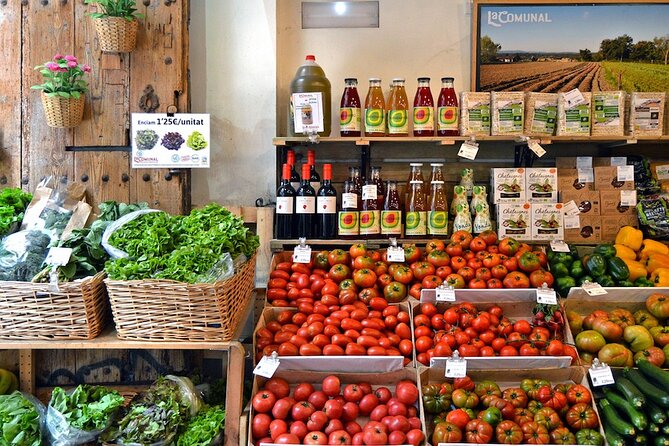
Food in Barcelona starts with a plan. This 5.5 hour small group walk focuses on Catalan breakfast, lunch, and snacks, then strings it all together through markets and shop stops. I especially like the balance between Mercat de la Boqueria and a calmer market experience in Gràcia, and the guides keep the day rooted in everyday Catalan life. One drawback to note, you’ll do real walking, so comfy shoes are not optional.
This is offered by Culinary Backstreets Walks, in English, and it caps at a maximum of 7 travelers. You start at Plaça de Gal·la Placídia, 30 in Gràcia at 9:00am, and the tour ends back at the same meeting point. Mobile ticket in hand, you can get moving quickly once your guide checks you in.
At $160 per person, the value is in the format: multiple tastings, market time, and a guided path through neighborhoods that many people skip. Guides like Ivan, Senem, Pamela, and Lynda are praised for turning food into context, and you may also be asked about seasonal items like snails and mushrooms, with the plan adjusted to your preferences.
In This Review
- Key Points Before You Go
- Gràcia First, Then Markets: The Smart Way to Start
- Meeting Point at 9:00am, and Why the Start Time Helps
- Century-Old Pastries, Coffee First: How Stop 1 Sets the Day
- Mercat de la Boqueria Without Losing Your Appetite
- Mercat de la Llibertat: The Market That Feels Like Real Life
- Passeig de Gràcia Stops: From Rustic to Refined
- How Much Food You Actually Get, and What That Means for Value
- Price and Value: What $160 Buys You Here
- Guide Style Matters: Why People Keep Mentioning the Same Names
- What to Wear and Expect From a 5.5 Hour Walk
- Who This Tour Fits Best, and Who Might Skip It
- Should You Book Made in Catalonia in Barcelona?
- FAQ
- How long is the tour?
- What time does it start, and where do I meet?
- Is the group size small?
- Is the tour offered in English?
- What food is included?
- Are market admissions included?
- What is the cancellation policy if weather is bad?
Key Points Before You Go
- Small group (max 7 travelers) means you get more direct attention at tastings
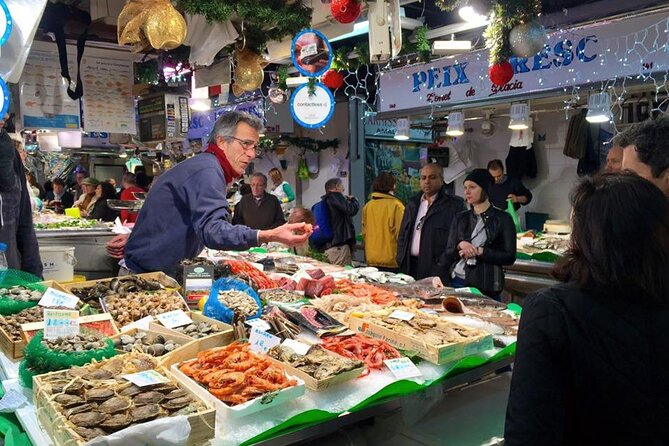
- Boqueria plus a lesser-known market gives you both iconic and everyday Barcelona flavors
- Authentic Catalan breakfast, lunch, and snacks are part of the day, not an add-on
- Passeig de Gràcia and Gràcia area shops show Catalan daily life beyond political talk
- Guides by name (Ivan, Senem, Pamela, Lynda) are repeatedly credited for friendly, practical explanations
- Come ready for walking because the day is built around moving between markets and places
Gràcia First, Then Markets: The Smart Way to Start
I like food tours that don’t feel like a blur of standing in lines. This one is anchored in Gràcia, with your route taking you through the neighborhood feel of everyday Catalan life, then into the market circuit. That matters, because you’re not just hunting flavors, you’re learning how Catalans actually eat, shop, and pause through the day.
The pace also helps. You start with coffee and traditional pastries, then you work your way through two markets, and you finish with shop stops around Passeig de Gràcia. The result is a day that feels like a guided food outing with a clear storyline, not random bites scattered across town.
More Things to Do in Barcelona
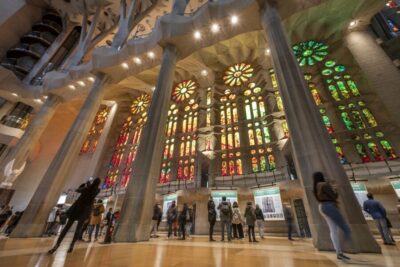
- Barcelona: Sagrada Familia Entry Ticket with Audio Guide
★ 4.6 · 105,312 reviews - Barcelona: Park Güell Admission Ticket
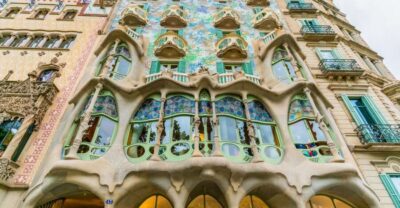
★ 4.4 · 76,534 reviews - Barcelona: Casa Batlló Entry with Self-Audioguide Tour
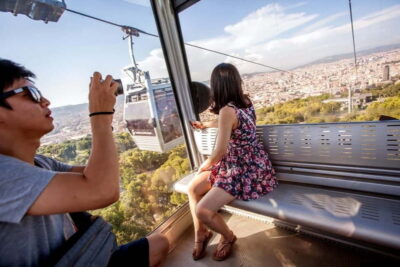
★ 4.7 · 25,359 reviews - Barcelona: Montjuïc Cable Car Roundtrip Ticket
★ 4.5 · 22,368 reviews
Meeting Point at 9:00am, and Why the Start Time Helps
The meeting point is Plaça de Gal·la Placídia, 30, Gràcia, 08006 Barcelona, Spain. You begin at 9:00am and return to the same spot at the end. That timing is a practical win: you’re getting a big chunk of the day handled early, so you can keep your afternoon flexible for other Barcelona plans.
If you’re thinking about squeezing this between museum tickets or a beach walk, that morning start makes it easier. It’s approximately 5 hours 30 minutes total, so you’ll likely be done before the rest of your day gets complicated.
Century-Old Pastries, Coffee First: How Stop 1 Sets the Day
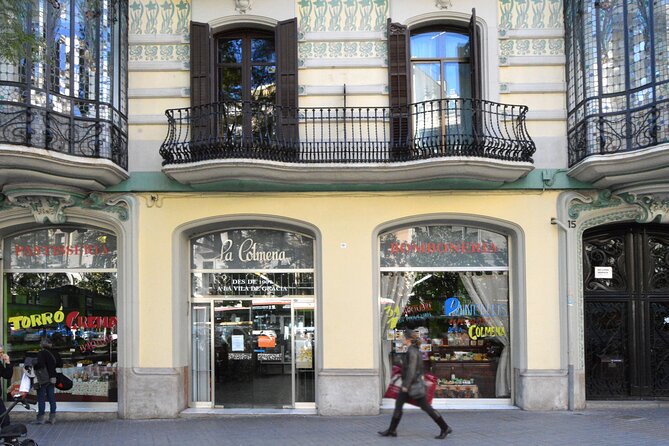
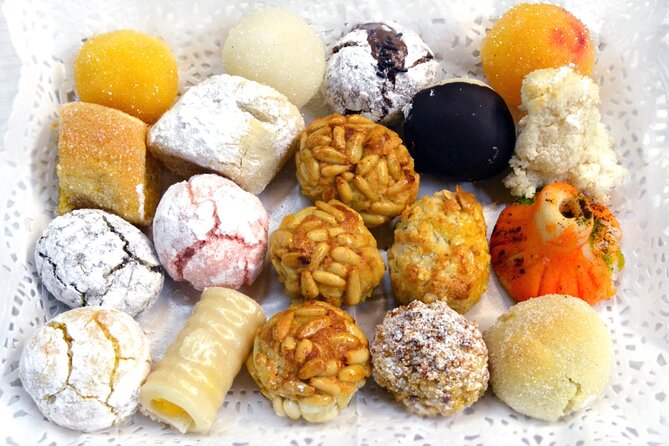
Your day starts at a century-old sweets shop with coffee and traditional pastries. This is a good opening because it calibrates your palate fast. Before you hit any markets, you’re already eating something distinctly Catalan and sweet, which makes it easier to notice the differences in later tastings.
From there, you move into Mercat de la Boqueria for the main market stretch. Boqueria is famous, but the advantage of a guided route is that you’re not wandering, guessing, and translating everything yourself. You get a path and a reason for each stop, so the time at the market feels purposeful.
You’re also on the clock here, with about 2 hours at this first market area. That’s long enough to taste in a few places and still learn what makes the choices make sense. It also keeps you from turning Boqueria into a frantic sprint, which is the usual way it goes wrong when you show up without a plan.
Mercat de la Boqueria Without Losing Your Appetite
Mercat de la Boqueria is one of those places where you can easily overdo it on your own. With a guide, the tastings feel paced, and the bites are spaced in a way that keeps you from hitting max fullness halfway through.
One thing I really like about the way this portion is structured is that it’s not only about showy food. You’re learning the Catalan angle of the day while you taste. That’s where guides such as Ivan are praised, for connecting what you’re eating to local context and neighborhood habits. You’re basically being taught how to read the market like a local, not just shop it like a tourist.
Also, the tour info says the admission ticket is free for this portion. In other words, you’re not mentally tracking extra costs on top of the $160 price. That keeps the day feeling straightforward.
Barcelona, continued down the scoresheet:
- Barcelona: Hola Barcelona Public Transport Travel Card★ 4.5 · 20,985 reviews
- Barcelona: 24 or 48-Hour Hop-On Hop-Off Bus Tour★ 4.4 · 20,872 reviews
- Barcelona: Park Guell Guided Tour with Skip The Line Entry★ 4.7 · 17,563 reviews
Mercat de la Llibertat: The Market That Feels Like Real Life
After Boqueria, you switch gears to Mercat de la Llibertat, a lesser-known public market. You get about 1 hour here, which is enough time to slow down, meet vendors through conversation, and sample offerings without rushing.
This stop is a major part of the value, because it balances the big-name market experience. Boqueria can be loud and attention-grabbing. Llibertat is more about daily rhythms, and you get to see how Barcelona food culture looks when it is not performing for the cameras.
The guide helps you do the simple things that make a market stop work: knowing what to ask, where to look, and what to try next. You’re not stuck decoding menus all morning. You can just follow the tasting flow and learn as you go.
Passeig de Gràcia Stops: From Rustic to Refined
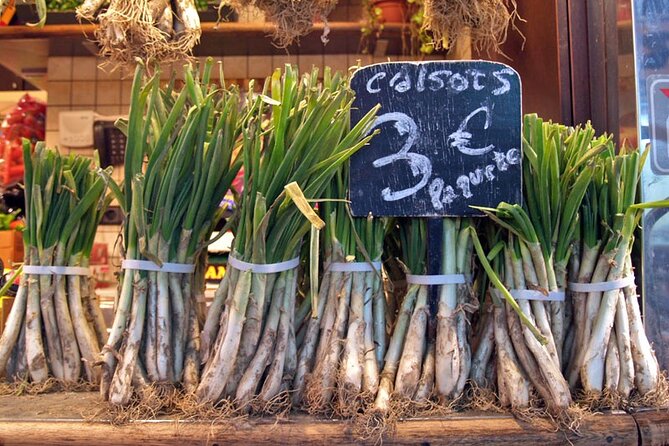
The final stretch takes you toward Passeig de Gràcia, with about 1 hour focused on shop stops and tastings in that area. Even though the street name is Passeig de Gràcia, the tour keeps pulling you back into the broader Gràcia story, treating this as your Catalan heartland visit rather than a generic walking tour.
What I find especially appealing here is the range. The plan calls out that you visit multiple places, from rustic to refined. That gives you contrast in a single morning block, so you taste across styles and settings, not just one type of shop.
This is also where the guides add extra color. Pamela and Lynda are both singled out for making the information feel friendly and practical, not like a lecture. The payoff is that you finish with a mental map of how Catalan cuisine and everyday life connect, without getting stuck in political arguments.
How Much Food You Actually Get, and What That Means for Value
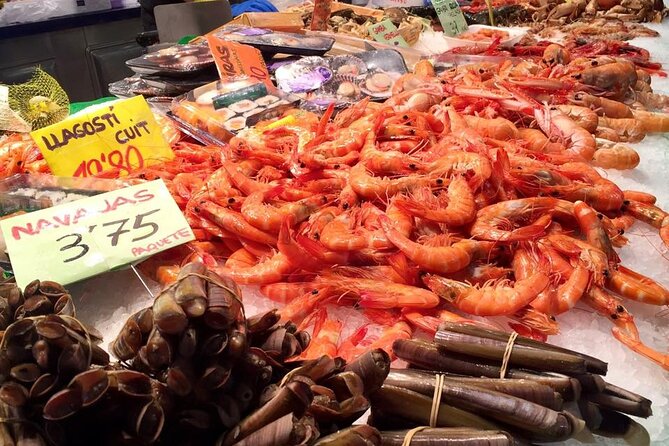
The tour explicitly includes authentic Catalan breakfast, lunch, and snacks. That sounds broad, so here is what it translates to in real terms: you’re covered for a big chunk of your meals for the day, not just a series of small sampler bites.
The tastings start with pastries and coffee, then continue through market stops, and end with more food along the Passeig de Gràcia stretch. You can think of it as a curated meal made of multiple courses, served across several local spots.
You’ll likely also deal with the reality that food tours are partly about choices. One review highlights that a guide asked about interests in seasonal specialities like snails and mushrooms, and then adjusted the experience. While you should expect that approach rather than assume specific ingredients for everyone, it’s a strong sign that the day is flexible to your comfort level.
Price and Value: What $160 Buys You Here
$160 sounds like a splurge until you break down what you’re actually purchasing. You’re paying for: a small group size, a multi-stop food route, time in two markets, multiple tastings that function like breakfast plus lunch plus snacks, and guided interpretation in English.
You also avoid some common hidden costs. The tour info lists admission tickets as free for the market segments. And the time block is long enough that you are not paying just for an hour of wandering.
Is it still pricier than a DIY market stroll? Yes. But you’re not only eating, you’re learning how to eat well in Catalan style, where to go, and how to order or choose without feeling lost. That coaching is the part that converts the day from “tasted a few things” into “I understand what I tasted and why.”
If you are a confident independent eater, you could spend less on your own. But if you want structure, language help, and a route that links neighborhoods to food habits, the price starts to look fair.
Guide Style Matters: Why People Keep Mentioning the Same Names
One theme shows up again and again: guides are friendly, enthusiastic, and clearly comfortable in their neighborhood roles. Ivan is praised for expert-level explanations with an easy-going manner. Senem is mentioned for enthusiasm and strong knowledge about food and Catalan culture, and Pamela and Lynda are noted for making the experience both informative and enjoyable.
For you, this is not trivia. A guide changes how you experience markets. The right guide turns chaos into a series of understandable choices: what to try, how it fits local life, and how to keep your tastes moving in a logical order.
And because the group is capped at 7 travelers, you’re not stuck watching your guide talk from the back. You’re more likely to get the small clarifications that make tastings click.
What to Wear and Expect From a 5.5 Hour Walk
Expect lots of walking. One reviewer calls it out directly, and that matches the layout of this day: market to market, then up to shop stops around Passeig de Gràcia.
So do the boring but correct thing. Wear comfy shoes, and dress for good weather. The tour requires good weather, and if conditions are poor, the experience is canceled and you are offered a different date or a full refund.
Also, plan your day around the fact you are eating throughout. This is not the kind of tour that ends with a tiny snack. Come ready for breakfast, lunch, and snacks across multiple stops, so you do not feel rationed or rushed.
Who This Tour Fits Best, and Who Might Skip It
This tour is a great fit if you want a Barcelona food experience that is specifically Catalan, not just generic tapas hopping. It is also ideal if you like markets, you enjoy walking neighborhoods, and you value guidance that connects food to local day-to-day life.
It also works well if you are traveling with family or even solo. One solo traveler notes that the tour catered to different needs, including when a child was on the walk, with lots of movement and eating to keep things engaging.
The main reason to consider skipping is simple: if you hate walking, this format is going to feel like too much. Since you are also covering breakfast through snacks, it can be less ideal for people who want a lighter touch tasting day.
Should You Book Made in Catalonia in Barcelona?
I would book this if you want a structured, small-group food day in Barcelona that goes beyond obvious sights and focuses on Catalan eating in Gràcia. The mix of Mercat de la Boqueria plus Mercat de la Llibertat, then finishes with Passeig de Gràcia shop stops, gives you both iconic and local-market perspective in one morning block.
Skip it if you want minimal walking or you prefer to choose every stop yourself without a route. Also, if you have very strict dietary limits, you should still plan to communicate with your guide, since customization around seasonal specialities is part of how some guides run the day.
Overall, this is one of those tours that makes the morning feel like a real meal plus real context, delivered by a guide team that consistently gets high marks for energy and clarity.
FAQ
How long is the tour?
The tour runs for approximately 5 hours 30 minutes.
What time does it start, and where do I meet?
It starts at 9:00am and meets at Plaça de Gal·la Placídia, 30, Gràcia, 08006 Barcelona, Spain.
Is the group size small?
Yes. The tour has a maximum of 7 travelers.
Is the tour offered in English?
Yes. The tour is offered in English.
What food is included?
You get authentic Catalan breakfast, lunch, and snacks, with coffee and traditional pastries to start.
Are market admissions included?
The tour lists admission ticket free for the market portions.
What is the cancellation policy if weather is bad?
You can cancel for a full refund up to 24 hours in advance. The experience requires good weather, and if it is canceled due to poor weather, you are offered a different date or a full refund.
Latest Barcelona reviews into the ledger




Things to Do in Barcelona, compared.
Sagrada Familia Entry Ticket with Audio Guide
Read our review →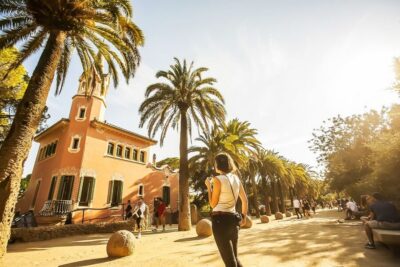

Park Guell Guided Tour with Skip The Line Entry
Read our review →