
Reviewed · MUSEUMS
Madrid: Museum of Illusions Ticket
Your eyes will argue with you.
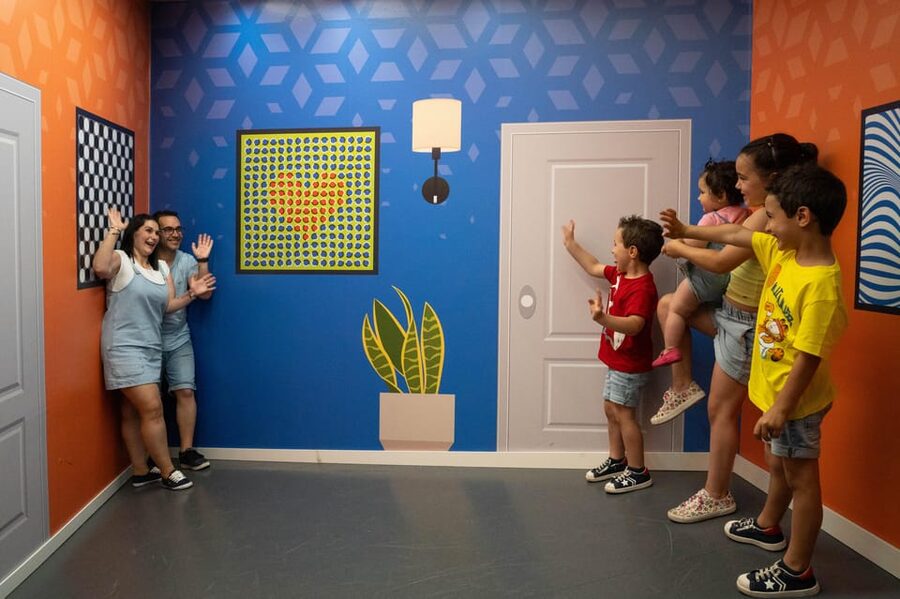
At the Museum of Illusions Madrid, you step into a playful course on vision and perception, where simple sights turn strange in seconds.
I like the hands-on, interactive set-up. You are not just staring at displays, you are trying things, adjusting your viewpoint, and watching how your brain fills in the gaps.
One thing to watch: the museum is small and many people finish in about 35 to 45 minutes, even though the ticket is for a 1-hour visit. Also, some parts are not ideal for wheelchair users.
In This Review
- Quick Hits Before You Go
- Tickets, Price, and How Much Time You Really Need
- Getting There Near Tirso de Molina (Metro Makes It Easy)
- Walk-In World: What Happens Right After Entry
- Optical Illusions That Teach Your Brain the Rules
- The Photo Moments (and Why They Affect Your Enjoyment)
- Head-Twisting Builds You Should Look Out For
- Family-Friendly Fun for Kids, Adults, and the Rest of Madrid
- Timing Tips: How to Use Your Hour Without Rushing
- Accessibility Notes You Should Not Ignore
- The Bottom Line: Is It Worth $17?
- Should You Book the Museum of Illusions Madrid Ticket?
- FAQ
- How long is the Museum of Illusions Madrid ticket valid for?
- What is the price of the Museum of Illusions Madrid ticket?
- Is this a guided tour or self-led experience?
- Is the group small?
- What languages are available?
- Where is the nearest public transport stop?
- Are walk-in tickets allowed?
- Is the museum wheelchair accessible?
- Can I take photos inside?
- Is the experience suitable for families?
Quick Hits Before You Go

- Small group, up to 7 people, so the experience stays relaxed and photo-friendly
- Tirso de Molina is the key stop (Metro Line 1), with several buses nearby
- Expect optical and photographic illusions, built for experimenting, not just looking
- A common favorite is the rotating drum with a footbridge, where perspective does the work
- There are frequent phone photo moments, so bring a charged phone and follow the cues
- Plan to buy online in advance, since walk-ins are not allowed
Tickets, Price, and How Much Time You Really Need
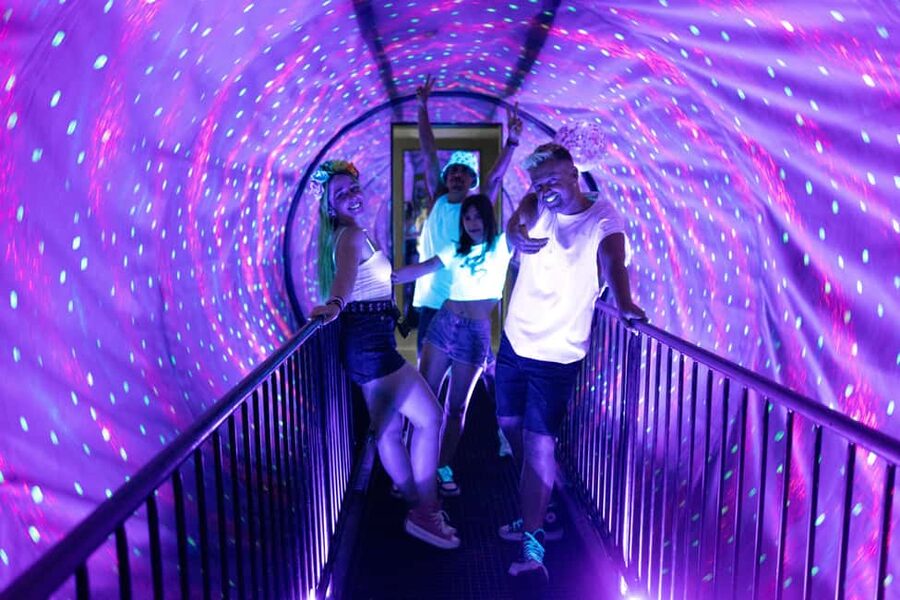
The Museum of Illusions Madrid ticket is priced at about $17 per person, and the visit window is 1 hour. For this price, you are paying for a compact, ticketed experience where you move through interactive rooms and illusion setups designed to fool your brain quickly.
Here is my practical take on value: this is not a half-day museum with slow pacing and deep galleries. Instead, it is a focused hour of “try this, look again, and notice what changes.” If you enjoy short, clever activities, you will feel like you got your money’s worth.
The small size shows up in real time. Several people report getting through the experience in roughly 35 to 45 minutes, especially if you do not linger on photos. If you love reading every instruction and repeating exhibits to get the effect just right, you may use the full hour comfortably.
Also, plan on a non-refundable ticket. If your schedule in Madrid is tight, double-check timing before you lock it in.
Getting There Near Tirso de Molina (Metro Makes It Easy)
For getting to the Museum of Illusions Madrid, use Metro Tirso de Molina, Line 1. That is the cleanest route in the city center, and it keeps you from walking across long stretches of traffic.
If you are coming by bus, look for stops around Tirso de Molina Line 6, 26, 32, and M1. The museum itself is in the Community of Madrid area, and your best move is to head to the museum address and then simply follow the entrance process when you arrive.
Tip I use in Madrid: when you are going for a ticketed timed entry, I factor in an extra 10 minutes for getting the exact stop and walking in. It helps you stay calm and not rush the first exhibits.
Walk-In World: What Happens Right After Entry

Once you enter, the museum immediately starts training your attention. You are guided by the layout of the exhibits, and you will be encouraged to interact with the setups rather than just observe them.
The staff are there as Spanish and English hosts/greeters, and that matters more than you might think. When you hit an exhibit that depends on a specific viewing angle, quick guidance saves you from guessing. It also helps if you are traveling with parents or grandparents who want clear direction instead of trial and error.
The visit is designed for small groups of up to 7 participants. That smaller size changes the vibe. You are less likely to feel shoulder-to-shoulder at the biggest photo spots, and you can actually take your time adjusting your stance to see what the illusion is doing.
Optical Illusions That Teach Your Brain the Rules
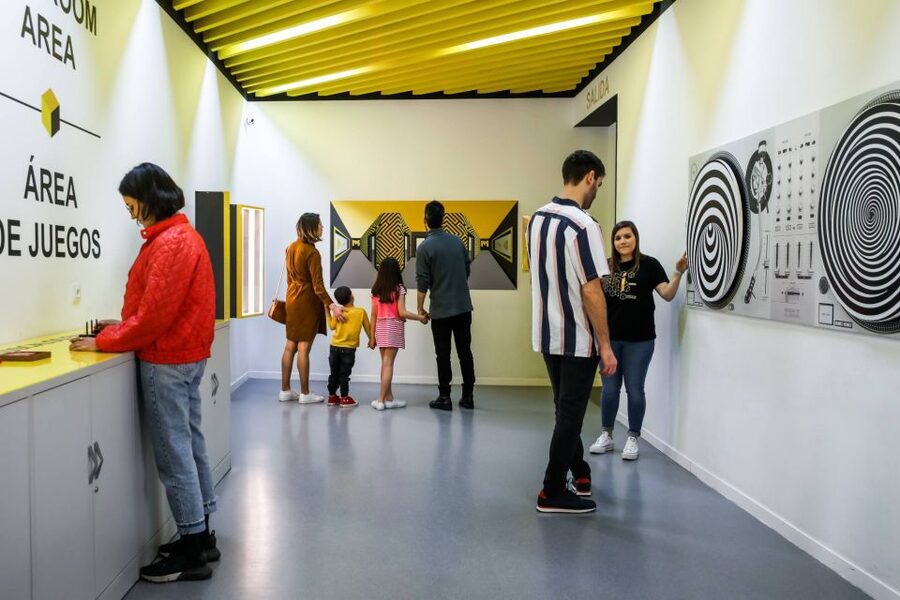
This is where the museum does its best work. The core idea is simple: your brain makes predictions based on what it expects to see. The exhibits interrupt that process, so you notice how quickly perception can be bent.
You can expect optical illusions that play with angles, movement cues, and visual contrast. Some are classic “look again, because the logic changed” setups. Others are photo-based, meaning the illusion is strongest when you hold still and frame the view the way the exhibit intends.
A number of people love the feeling of discovery here, and I get it. The fun is not only that the illusion works. It is that you start predicting what will happen next, then the exhibit surprises you anyway.
The Photo Moments (and Why They Affect Your Enjoyment)
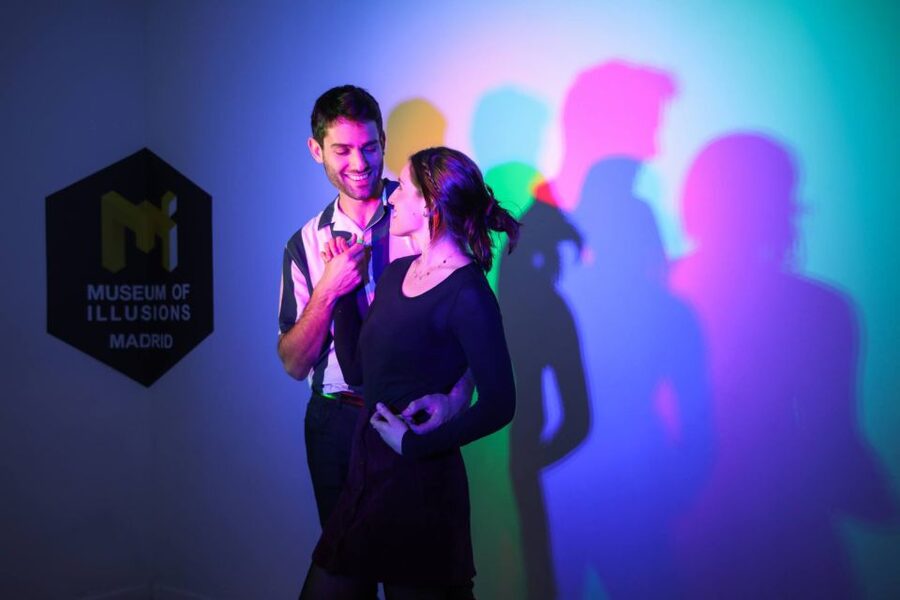
Yes, there are lots of photo-friendly setups, and that is part of the design. The museum is full of scenes where a camera turns the illusion into a personal challenge: get into the exact position, follow the instructions, and snap the shot before the effect fades.
I recommend you treat your phone like a tool, not a distraction. The museum advises keeping your phone fully charged, and that advice is spot on because you will likely want multiple tries. Some setups also have clear guidance on where to stand, and you get better results when you follow the cues instead of improvising.
One practical detail I would not skip: some of the most effective photos can need a group of two or even three to set up the shot. If you are traveling solo, you can still enjoy the illusions, but you may find that certain scenes are more fun when you have someone to coordinate with.
Also, the museum is reported as not crowded, which helps a lot. When there is space, you can take your time, reset your position, and take a second take without stress.
Head-Twisting Builds You Should Look Out For
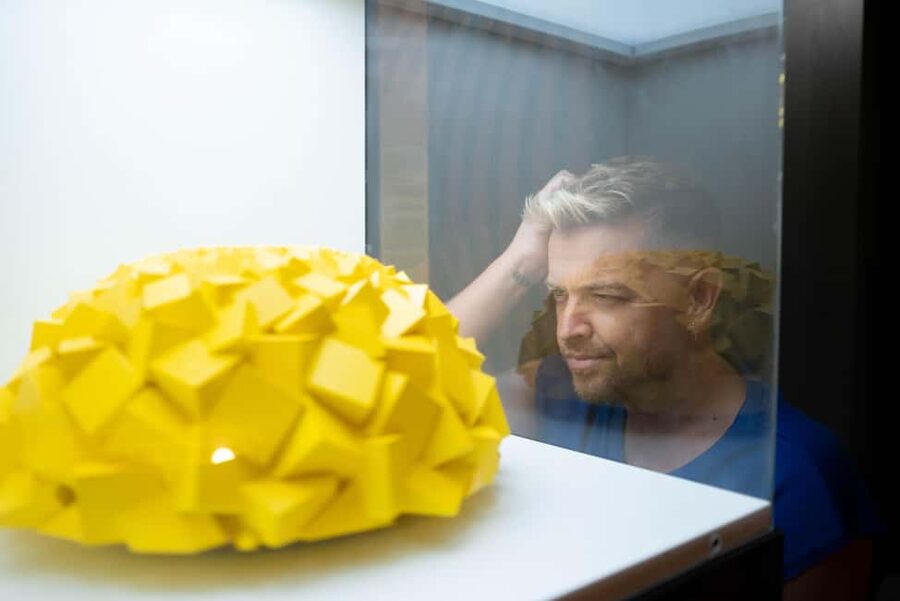
Several specific exhibits get mentioned again and again, so I would keep your eyes open for them as you move through the rooms.
One standout is the footbridge in a rotating drum. This is the kind of illusion that makes you question depth and balance, because your brain reads the scene differently once the structure moves. It is also one of those exhibits where slowing down is key. If you rush, you miss the moment your perception flips.
People also call out the yellow moving cube and an Einstein picture, both of which lean into how visual patterns affect interpretation. Expect that you may see something “make sense” at first, then notice the trick after you look longer or change where you stand.
Another frequently mentioned favorite is a moving tunnel. These setups are great because they make you feel the illusion in motion. Even if you think you know the trick, the tunnel style often keeps you guessing while you try to track the shift.
Why these exhibits matter: they are not only visual. They are about forcing your brain to recalculate. That is the main payoff of the museum experience, and it is what makes a short visit feel like more than just novelty.
Family-Friendly Fun for Kids, Adults, and the Rest of Madrid
The museum works well across ages. Kids often love the instant wow factor because the effects are immediate, and the interactive approach gives them control over what they do next.
If you are traveling with a child, especially one who likes puzzles, you will probably see why this place gets repeated as a trip highlight. Many exhibits feel like “figure it out” challenges, even if no one calls them that. The brain game approach works for older kids too, because it encourages trying, failing, and trying again.
That said, it is not only for children. Couples often like it because it gives you something playful to do indoors during hot weather. It is also a good break when you want Madrid but do not want another long walk. An hour indoors can be exactly the right tempo.
One caution from my own visitor-style logic: if you are going alone, you might miss some of the best photo setups. The museum staff can still help with photos, but a friend or family member makes the experience more social and, in a few cases, easier.
Timing Tips: How to Use Your Hour Without Rushing
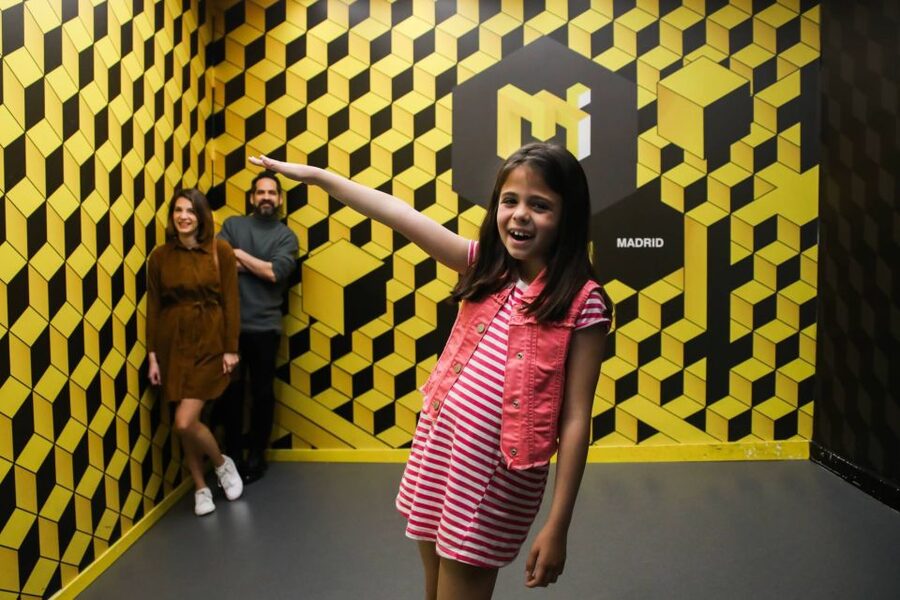
If you have 1 hour, you do not want to sprint from room to room. Here is the pacing I suggest so you actually enjoy the illusion work.
First, do a relaxed pass through the exhibits. Watch what happens when you move your head or shift your position. Then, pick one or two favorites and do a second round for better photos or a clearer illusion effect.
For most people, the visit ends up closer to 35 to 45 minutes if you are efficient, especially if you are mostly there for the highlights. If you want the museum to feel slower and more satisfying, plan to spend extra time reading instructions and experimenting with angles.
Also, bring a fully charged phone. You will probably take more photos than you expect, and it is annoying to run out of battery halfway through the best photo spots.
Accessibility Notes You Should Not Ignore
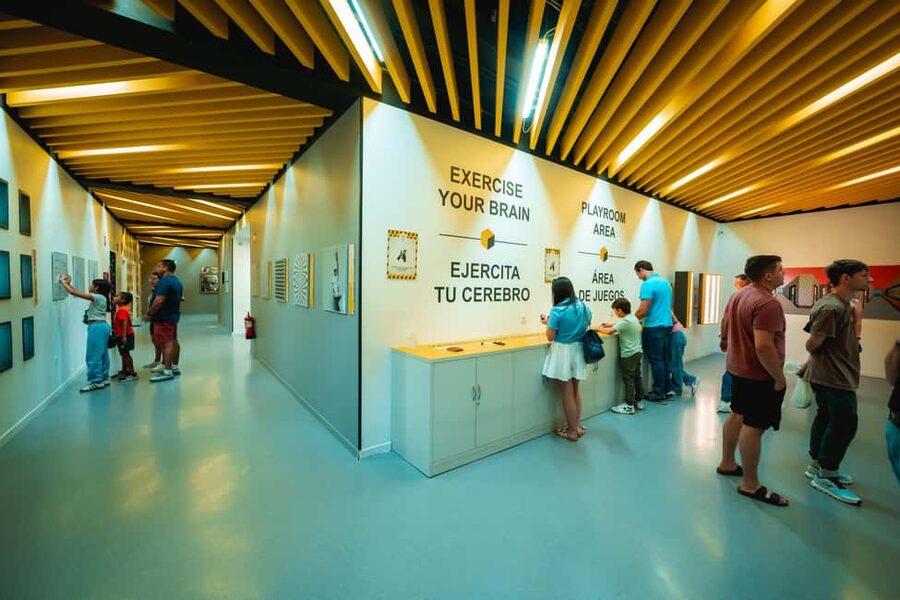
The museum is listed as wheelchair accessible, but there is an important catch: some exhibitions are not suitable for wheelchairs. That means you may not get access to every effect, and certain areas might be harder to navigate depending on your mobility needs.
If wheelchair access is a priority for your group, I suggest you go in with realistic expectations. Look for the exhibits you can access comfortably, then focus on the illusion experience rather than trying to reach every photo spot.
If you are traveling with parents or grandparents, accessibility matters in a more general way too. The museum is compact, so walking should be manageable, and the short time frame helps people who get tired easily.
The Bottom Line: Is It Worth $17?
For $17, this ticket is best thought of as a fun, indoor mental workout, not a long museum day. The value is strongest when you enjoy interactive displays and photo moments that reward patience and the right angle.
If you are expecting a huge museum with tons of separate galleries, you might feel surprised by how quickly you can finish. But if you like hands-on experiences, and you enjoy watching your perception get tricked, it is very easy to see why people call this a highlight.
Should You Book the Museum of Illusions Madrid Ticket?
Yes, I would book it if you want an easy, indoor activity in central Madrid that is engaging for more than one generation. It is also a great choice when the weather is hot, because you can spend a concentrated hour indoors and still leave with great memories.
Book it especially if:
- Your group likes puzzles, games, or interactive exhibits
- You want a straightforward activity that does not require hours of planning
- You care about photo-friendly setups with clear instructions
Skip it if:
- You need a long, deep museum experience
- You are very sensitive to photo setups that require coordination with others
- Your accessibility needs require full access to every exhibit
FAQ
How long is the Museum of Illusions Madrid ticket valid for?
The duration is listed as 1 hour. Starting times are based on availability.
What is the price of the Museum of Illusions Madrid ticket?
The ticket price is $17 per person.
Is this a guided tour or self-led experience?
You have a museum ticket and the experience includes interacting with different exhibitions. A host or greeter is available in Spanish and English.
Is the group small?
Yes. The group is limited to 7 participants, which keeps things more relaxed.
What languages are available?
The host or greeter speaks Spanish and English.
Where is the nearest public transport stop?
The nearest Metro station is Tirso de Molina, Line 1. Nearby bus stops include Tirso de Molina Line 6, 26, 32, and M1.
Are walk-in tickets allowed?
The information provided indicates they do not allow walk-ins, so you should plan to buy tickets online in advance.
Is the museum wheelchair accessible?
It is listed as wheelchair accessible, but some exhibitions are not suitable for wheelchairs. For that reason, wheelchair users may find parts of the museum difficult.
Can I take photos inside?
Yes. The experience includes many photo opportunities, and it is recommended that you keep your phone fully charged.
Is the experience suitable for families?
Based on the details provided and the way the exhibits work, it is family-friendly and works well for kids and adults.
Paint & Armour
- Madrid: Prado Museum Entry Ticket★ 4.6 · 20,699 reviews
- Málaga: Museo Picasso Málaga Entry Ticket★ 4.4 · 11,138 reviews
- Barcelona: FC Barcelona Museum “Barça Immersive Tour” Ticket★ 4.4 · 10,944 reviews
- Madrid: Reina Sofía Museum Entrance Ticket★ 4.5 · 8,788 reviews
- Barcelona: Park Güell and Gaudí House Museum Entry Ticket★ 4.5 · 6,326 reviews
Museums, compared.

FC Barcelona Museum “Barça Immersive Tour” Ticket
Read our review →
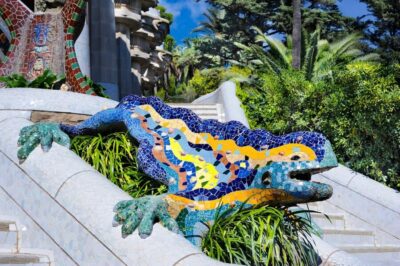
Park Güell and Gaudí House Museum Entry Ticket
Read our review →
Puro Flamenco Show with Optional Museum Ticket
Read our review →
Moco Museum Barcelona: Modern & Contemporary Art
Read our review →Browse the lists this tour appears in