
Reviewed · WINE TOURS
Madrid Region Wineries Guided Tour with Wine Tastings
Wine changes when you meet the people behind it, and this tour makes that connection fast. You head out of Madrid toward Chinchón and Colmenar de Oreja, then spend the afternoon in family-run wineries with real tastings and owner stories. One note to keep in mind: you taste a lot, so it is not the right pick if you want to keep the day super light or kid-friendly.
What I like most is how the stops feel varied, not cookie-cutter. You get tastings at three wineries, including time in centuries-old caves and a vineyard walk with Tempranillo grapes, plus appetizers tied to local recipes. My other big win: the group stays small, so your questions actually get answered, and guides like Antonio, Nacho, Enrique Menor, Ismael, and Mona have all been cited as memorable for mixing wine facts with fun.
A possible drawback is simple: there is no full lunch, just appetizers at each winery. If you get hungry easily, plan to eat a proper meal after the tour, and be ready for a pace that stays focused on wine, not sightseeing for hours.
In This Review
- Key takeaways before you book
- Madrid to Chinchón, the drive sets the tone
- Chinchón winery stop: snacks, stories, and a real comparison
- Chinchón sightseeing time: use it for the town, not for shopping
- Colmenar de Oreja: the clay pots and cave timing feel like the point
- Caves and underground aging: why these stops matter
- What you taste: at least 9 wines, built for variety
- Appetizers and local bites: how they help your palate
- How the winemaker stories make this more than a tasting
- Pace, group size, and transportation comfort
- Price and value: why $171 can make sense here
- Who should book this tour, and who should skip
- Practical tips for a smooth wine day from Madrid
- Should you book this Madrid Region Wineries Guided Tour?
- FAQ
- How long is the Madrid Region Wineries Guided Tour?
- How many wineries do you visit?
- How many wines do you taste on the tour?
- Are food and snacks included?
- Is round-trip transportation included from Madrid?
- Where do you meet for the tour?
- What languages are offered on the tour?
- What is the group size?
- Are children allowed?
- Is the tour suitable for wheelchair users?
Key takeaways before you book
- 3 family-owned wineries with tastings and appetizers at every stop
- At least 9 different wines across the day, not just a quick sampling
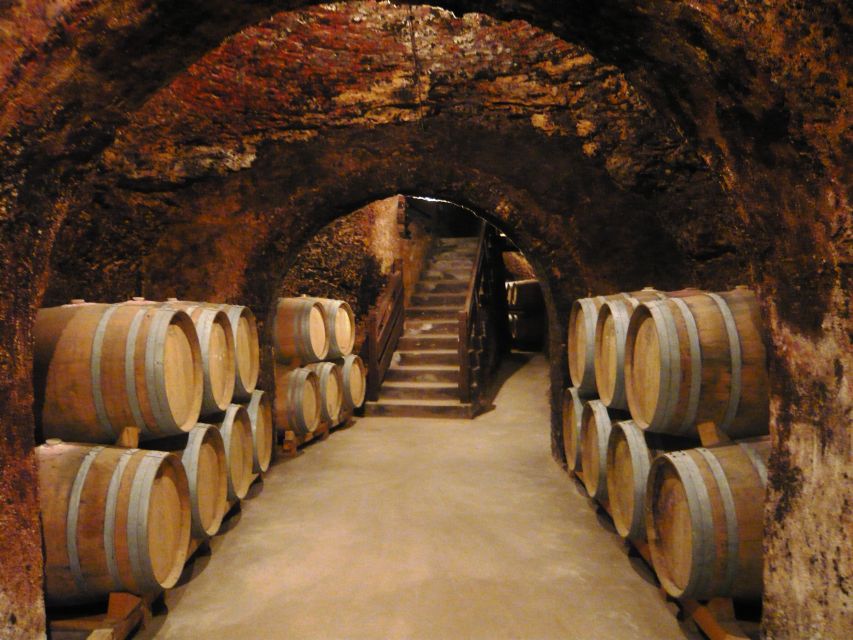
- Caves and aging rooms, where wine spends time under the ground
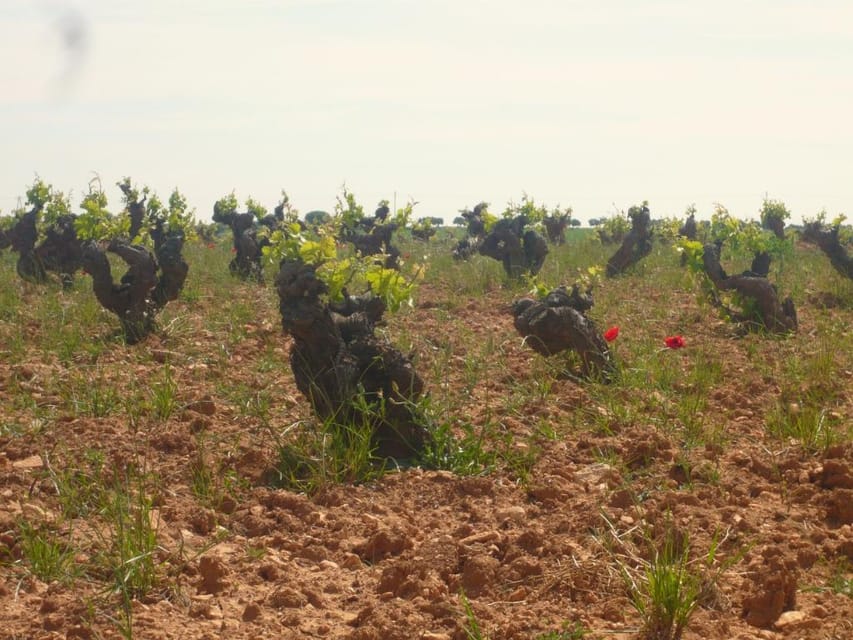
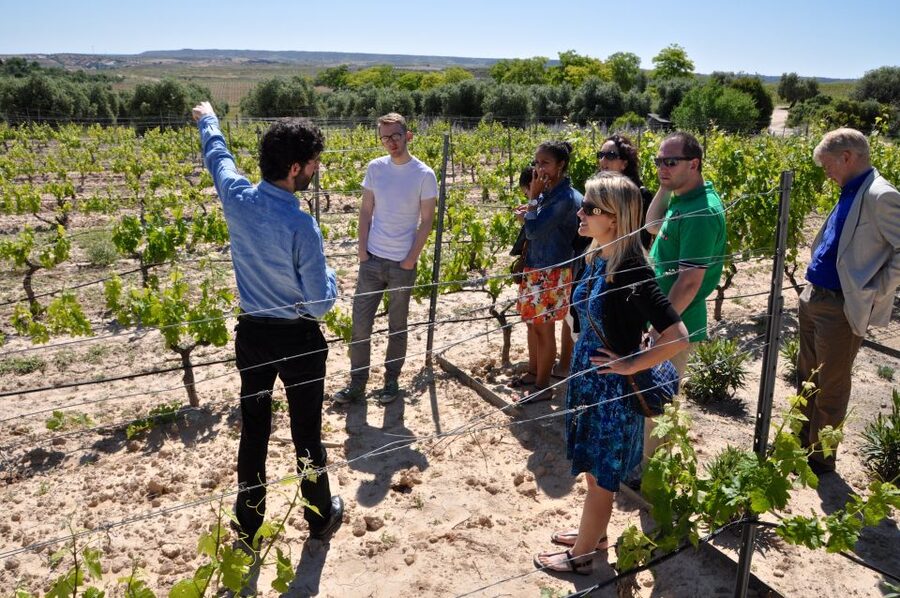
- Vineyard time with Tempranillo grapes and a look at how the landscape supports the grapes
- Small group size (up to 20, average around 8), so it feels personal
- Chinchón and Colmenar de Oreja towns with medieval-era charm
Madrid to Chinchón, the drive sets the tone
You start near Plaza del Conde de Casal, at the front door of the cafeteria of Hotel Claridge. From there, a coach takes you out of the city for about 35 minutes, with scenic stops along the way. This is one of those tours where the first part helps you switch gears from city pace to countryside time.
The route matters because Madrid’s wine country is close enough that it still feels like a day trip, not an expedition. You are moving through the broader Madrid area where vineyards have been tied to the region’s history for centuries, and the guide sets up what you are about to see so it makes sense when you reach the wineries.
If you hate standing around waiting, you are in good shape here. The tour keeps moving, then focuses your time where it counts, the wineries and the tastings.
More Wine Tours in Madrid
- Madrid Tapas & Wine Tasting Walking Tour – Small Group Local Bars
★ 5.0 · 3,644 reviews - Toledo Tour & Vineyard Walk with Wine Tasting from Madrid
★ 5.0 · 2,546 reviews - Madrid: Tapas & Wine Tasting Tour with Local Guide
★ 4.8 · 2,171 reviews - Madrid Tapas & Wine Tour with Rooftop Views and Local Guide
★ 5.0 · 2,047 reviews
Chinchón winery stop: snacks, stories, and a real comparison
Your first major town is Chinchón, where you get about 75 minutes at a winery that is set up for guided visits and tasting. This is not a big production where everyone just lines up and sips. The experience is designed to connect the wine to the people, so you should expect real explanations and lots of chances to ask questions.
What makes Chinchón especially appealing is that it gives you a strong sense of place. In this part of Spain, wine is tied to the way families farmed and built their cellars over generations, and the tour leans into that family focus. You will also get local snacks alongside the wines, which helps you taste more clearly, not just pour more wine into your glass.
One practical note: the tour’s goal is variety. Different wineries often show different choices in how they farm grapes and how they ferment or age the wine, and you will feel those differences as you work through the tastings.
Chinchón sightseeing time: use it for the town, not for shopping
After the tasting, you get around 25 minutes for sightseeing in Chinchón. That is short, so go with a plan: walk the center, look for the medieval feel, and take a few photos that show why the town is on most visitors’ must-see lists.
This is also the moment to slow down a little, since the next leg is another winery day. I like using this in-between time to recharge your senses, grab water, and then jump back into the cave and clay-pot stories with a clear head.
If you are the type who loves browsing local goods, this is likely too quick to turn into a shopping mission. Treat it like a quick cultural reset.
Colmenar de Oreja: the clay pots and cave timing feel like the point
Then you head to Colmenar de Oreja, with about 25 minutes in transit and a short on-foot stretch when you arrive. You have two winery experiences here, each around 75 minutes, so this town is where the tour really leans into what makes Madrid wine feel distinct.
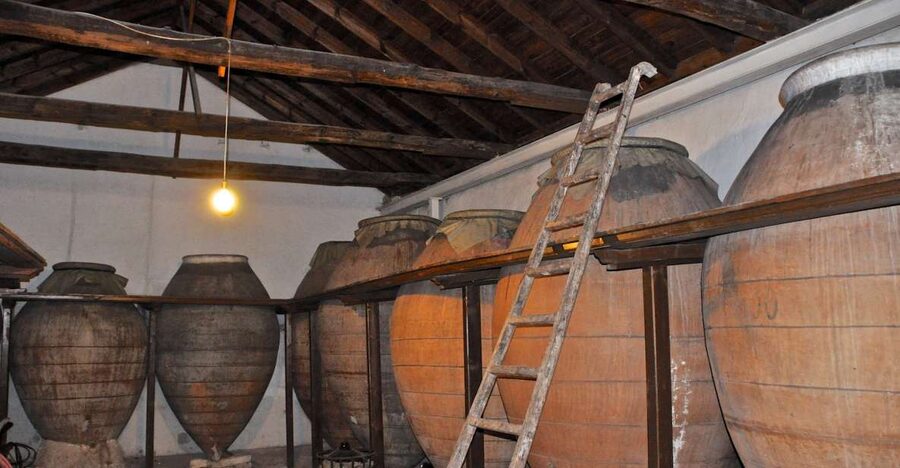
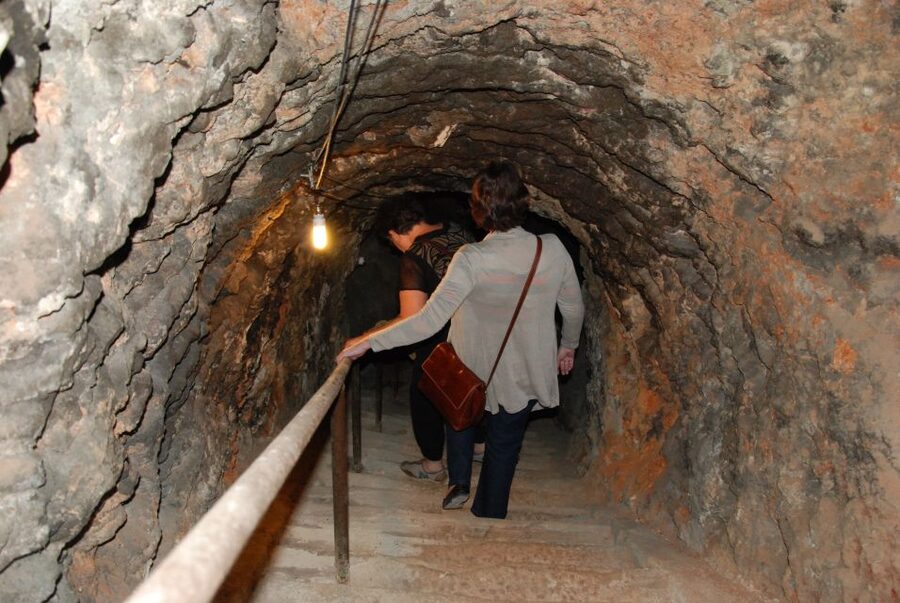
The most memorable part of Colmenar de Oreja for many people is the cellar approach. The tour includes time with centuries-old caves, and there is a strong emphasis on traditional aging methods. You may also track down a winery that makes wine in clay pots that are over a hundred years old, which is exactly the kind of detail that turns a tasting into a story you can repeat later.
Colmenar de Oreja also works as a tasting companion. The town’s character gives you a slower backdrop to the winery process, so you get to feel the countryside side of Madrid rather than only seeing it from the bus window.
More Spanish bodegas visited and scored:
- Paella Cooking Class in Madrid with Bottomless Wine Pairing★ 5.0 · 985 reviews
- Madrid: Food & Wine Tour with 10 Tapas & 4 Drinks Included★ 4.9 · 984 reviews
- Madrid Historic Centre Food Tour with Authentic Tapas & Wines★ 5.0 · 814 reviews
Caves and underground aging: why these stops matter
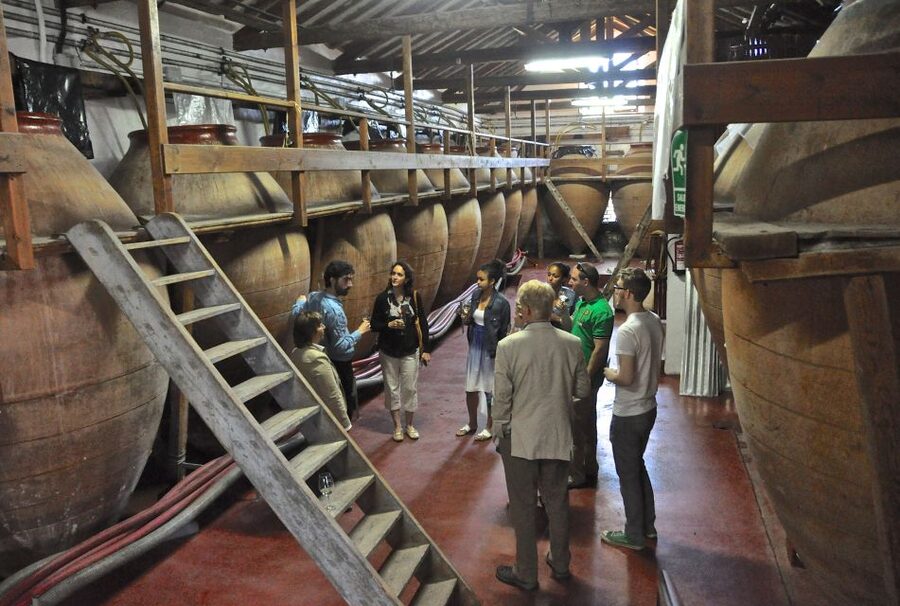
Caves are not just a dramatic backdrop. They represent how wine survives time and temperature swings, and that shows up in how the vintages develop. In this tour, you spend real time in the cellar setting where wine is aged, which helps you understand why certain styles taste fuller, smoother, or more complex.
These underground stops also give you something you cannot replicate with a tasting room alone. You see the environment where aging happens, and you get a grounded explanation of how tradition and technique meet. If you have ever wondered why some wines feel more structured or more layered, these cave sessions are where the why becomes clearer.
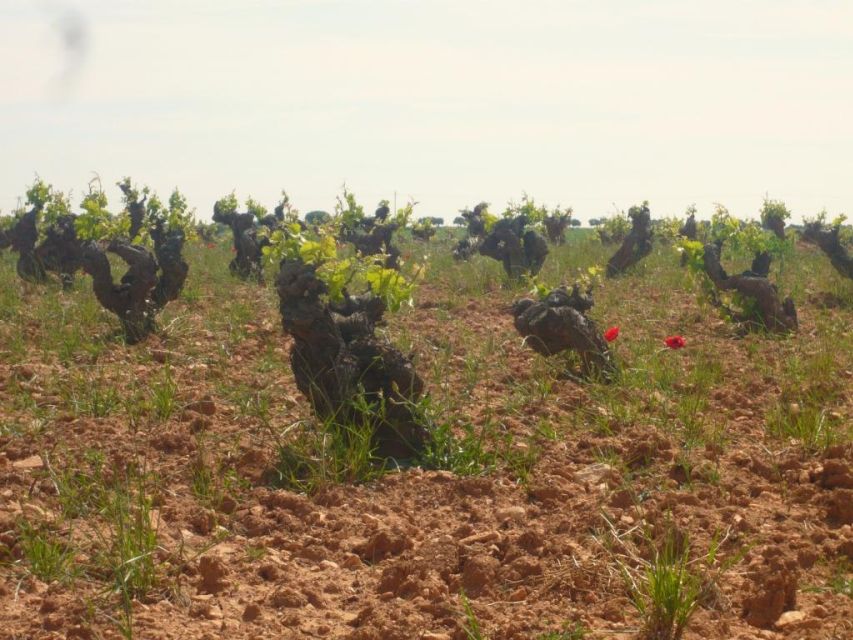
You also get vineyard time tied to the grapes. Tempranillo is the star in this region’s full-bodied reds, and walking among the vines is a shortcut to understanding how the grapes end up tasting the way they do later.
What you taste: at least 9 wines, built for variety
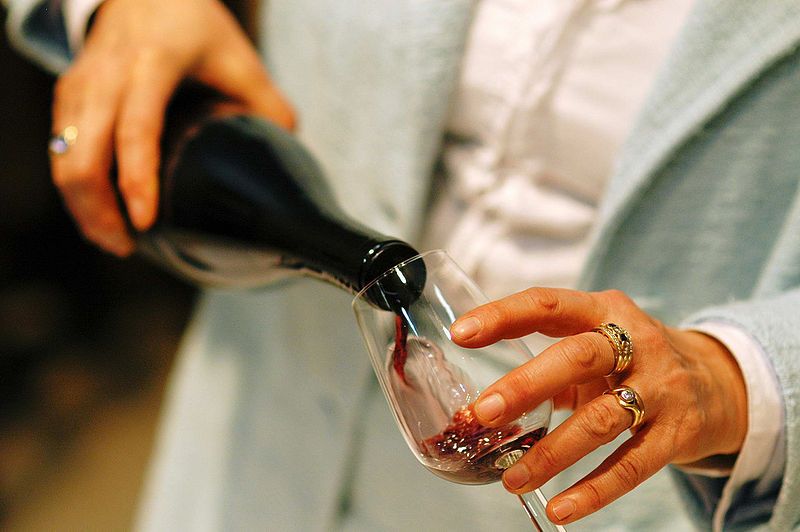
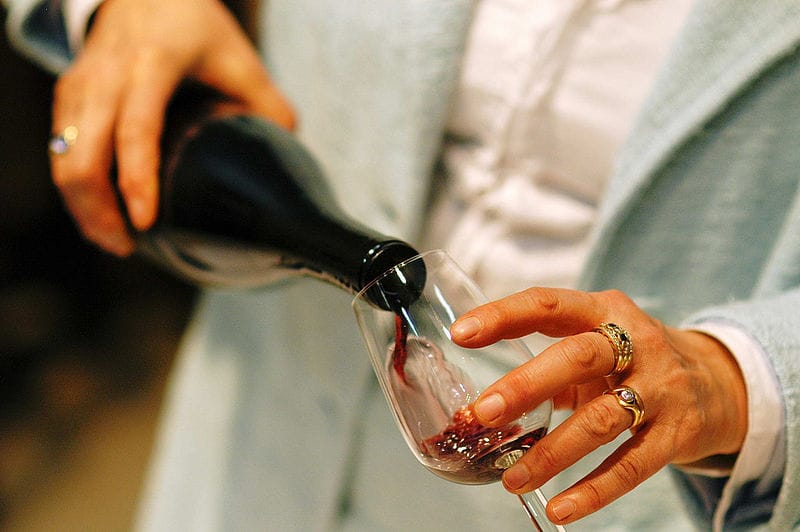
This tour targets variety on purpose: at least nine different wines across the three wineries, with tastings backed by appetizers. You are not just sampling one style, you are tasting through different approaches, and that is how you learn faster as a non-expert.
You will likely notice a pattern. Reds tend to show the Tempranillo backbone, while other wines can shift the feel depending on whether the producer is leaning more toward traditional aging practices or newer techniques. One review noted a traditional winery in Chinchón that had also embraced modern methods, and that kind of contrast is exactly what I look for in a good guided wine day.
A tip for your tasting notes, because you will taste enough to lose track if you do nothing: pick three favorites and rank them by the moment you liked them most. Was it the aroma first, the mid-palate flavor, or the finish? That helps you remember what you actually enjoyed, not just what you drank.
And yes, pours can be generous. Multiple groups mentioned that glasses stayed filled during the tasting, which turns the tour into a steady flow rather than a rushed sip-and-stamp experience.
Appetizers and local bites: how they help your palate
The tour includes local appetizers at each winery, designed to pair with what you taste. You should expect a mix that might include things like cheese, olives, pastries, hummus, and other local-style bites. Even when you have eaten before, this food matters because it keeps the tasting from feeling one-note.
Think of it as palate management. With wine, your senses fatigue quickly. Food resets your mouth, and it also helps you notice differences between wines that might otherwise blur together.
Also, because lunch is not included, plan on these appetizers being your main daytime fuel. It is not a restaurant lunch, so I recommend eating lightly in the morning and saving your biggest meal for after the tour.
How the winemaker stories make this more than a tasting
What separates this tour from the typical wine bus day is the emphasis on the people behind the bottles. You hear the story from the owners, often the third or fifth generation of winemakers, and you get to meet them in their world. For wine lovers, this is where value shows up, because the explanations connect the craft to real decisions and real family history.
Guides have also been a big part of the experience for many guests. Names that have stood out include Antonio, Nacho, Enrique Menor, Ismael, Mona, and Rocío, with many praising the way guides keep the group engaged. That does not mean it is all jokes and no substance. It means you are more likely to leave with clear takeaways, not just a happy buzz.
If you are traveling solo, this kind of setup can be even better. A small group plus owner conversations can turn strangers into a chatty dinner table team by the end of the day.
Pace, group size, and transportation comfort
The tour runs for about 6 hours, with several blocks of guided winery time and short town breaks. That makes it a good half-day plan when you want countryside and wine but still want the option of an evening in the city.
Group size stays small, with a maximum of 20 participants and an average closer to 8. In practice, smaller groups help you hear the guide and ask questions without feeling like you are talking to the back wall.
Transportation is round-trip by coach from Madrid, and the schedule uses travel time efficiently. You get scenic drive and viewpoints along the way, so you feel like you left the city, not just rode out to a single location.
Price and value: why $171 can make sense here
At $171 per person for about 6 hours, you are paying for three things at once: transportation, access to three family wineries, and multiple tastings with appetizers. Some tours charge less but include fewer producers, fewer wines, or less time with real people.
If you break it down, you are essentially paying around the cost of a premium tasting experience per winery stop, then getting town time and vineyard or cave context as part of the package. The key value driver is not just the wine quantity, it is the variety of winery types, including the cave portion and traditional aging details like clay pots over a hundred years old.
Also, because the tastings include at least nine wines, you are not stuck doing guesswork. You can compare styles and find what you genuinely prefer, then decide whether a bottle is worth buying at the end.
Who should book this tour, and who should skip
This is best for you if you want wine education without the stuffy vibe. You like guided tasting, you enjoy meeting producers, and you want a structured day that still feels personal thanks to the small group size.
It is also a good fit if you will be in Madrid without a car. You get scenic countryside access plus winery entry without needing to coordinate transport yourself.
You should probably skip if you are traveling with kids under 12, since children under 12 cannot take part. Wheelchair users also are not suited for this tour. And if you want a full meal day, be aware that lunch is not included, only appetizers at the wineries.
Practical tips for a smooth wine day from Madrid
Wear comfortable shoes. You have winery time plus short town walking, and you will appreciate having stable footing when moving through cellar spaces.
Bring a light jacket for cave time. Even when it feels warm outside, cellar temperatures can feel cooler, and you might appreciate layers during underground visits.
If you care about tasting variety, go easy on anything too heavy right before you start. The tour provides enough food to keep you comfortable, but it works best if you are not starting from a stuffed stomach.
Hydrate. Wine plus walking and a coach schedule is a combo that sneaks up on you. A bottle of water is a simple upgrade to your day.
If plans shift, free cancellation is available up to 24 hours in advance for a full refund, so you can book with less stress.
Should you book this Madrid Region Wineries Guided Tour?
I think you should book if your idea of a great Madrid day is three quality winery visits with real stories, cave time, vineyard time, and enough tasting to actually learn what you like. The price feels fair for what you get, especially with transportation and multiple tastings plus local appetizers included.
I would hesitate only if you want a leisurely sightseeing day, or if a wine-focused schedule and no full lunch would be a mismatch. For most wine lovers based in Madrid, this is exactly the kind of short excursion that pays off quickly, then leaves you with bottles worth remembering later.
FAQ
How long is the Madrid Region Wineries Guided Tour?
The tour lasts 6 hours.
How many wineries do you visit?
You visit 3 family-owned wineries.
How many wines do you taste on the tour?
You taste at least 9 different wines, with tastings at each winery.
Are food and snacks included?
Yes. Local appetizers are included with the tastings at each winery. Lunch is not included.
Is round-trip transportation included from Madrid?
Yes. Round-trip transportation from Madrid is included.
Where do you meet for the tour?
You meet at the front door of the cafeteria of Hotel Claridge, next to the main door of the hotel, Plaza del Conde de Casal, 6, 28007 Madrid.
What languages are offered on the tour?
The tour is offered in Spanish and English.
What is the group size?
The tour is small group, with a minimum of 4 participants and a maximum of 20. The average group size is around 8 people.
Are children allowed?
Children under 12 years cannot take part in the tour.
Is the tour suitable for wheelchair users?
No, it is not suitable for wheelchair users.
Latest Madrid reviews into the ledger




Wine Tours, compared.

Montserrat Half-Day Tour with Tapas and Gourmet Wines
Read our review →
Montserrat & Cogwheel Train, Gourmet Wine Tasting & Tapas/Lunch
Read our review →
Barcelona Tapas and Wine Experience Small-Group Walking Tour
Read our review →
Montserrat, Cogwheel, Black Madonna & Winery Tour
Read our review →
Montserrat with Black Madonna & Medieval Winery with Tapas/Lunch
Read our review →
Tapas Walking Tour with Food, Wine, and History
Read our review →
Madrid Tapas & Wine Tasting Walking Tour – Small Group Local Bars
Read our review →
Sevilla Food Tour: Tapas, Wine, History & Traditions
Read our review →Browse the lists this tour appears in