
Reviewed · MUSEUMS
Madrid: Reina Sofía Museum Guided Tour
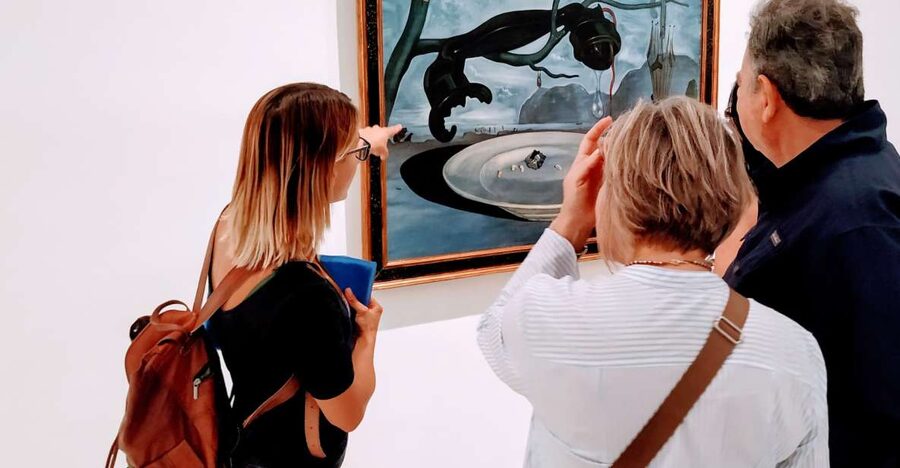
Modern art, made clear in 75 minutes. I love the Guernica focus and how the guide connects Cubism and Surrealism to what you’re actually looking at. I also like that the tour includes skip-the-line museum entry and gives you time to wander afterward on your own. One caution: if you want to linger in front of every canvas, 75 minutes can feel tight.
The museum itself helps the tour work, with vaulted hallways inside a building that used to function as a hospital. Expect a bilingual, English and Spanish guide who keeps the pace moving and makes big ideas practical, whether you’re new to 20th-century art or you just want a smarter way through the galleries.
This is a strong pick for first-timers in Madrid who want the essentials of Spanish modern art without getting lost in a huge collection, but it’s also great if you already know the names and want the “how” and “why” behind the masterpieces.
In This Review
- Quick hits you’ll care about
- Getting in faster: start at C. de Sta. Isabel, not the lines
- Reina Sofía’s layout: what the guide does with a big museum
- The artists you’ll actually remember: Picasso, Dalí, Miró
- Why Guernica gets its own spotlight
- Art movements, translated into plain sight
- The museum building: hospital bones and vaulted drama
- How the 75 minutes works, and what you can do afterward
- Price and value: is $38 worth it?
- Practical rules that affect your experience
- Who should book this tour?
- Should you book this 75-minute Reina Sofía tour?
- FAQ
- How long is the Reina Sofía Museum guided tour?
- Is the entrance to the museum included?
- What languages is the tour offered in?
- Can I take photos inside the museum?
- Are large bags or luggage allowed?
- Is the museum wheelchair accessible?
Quick hits you’ll care about
- Skip-the-line entry included, so you start seeing art fast
- Picasso, Dalí, Miró covered in one efficient route
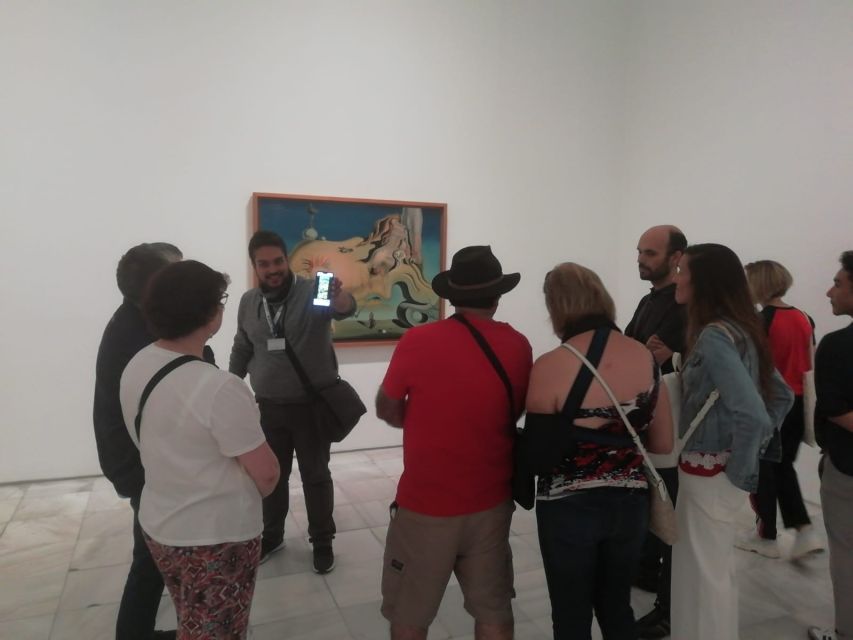
- Bilingual live guide in English and Spanish, simultaneously
- Former hospital building you can view from inside and outside
- Photo rules are strict, with no flash and limited areas where photos work
- A short tour with free time after, so you can return to what moved you
Getting in faster: start at C. de Sta. Isabel, not the lines
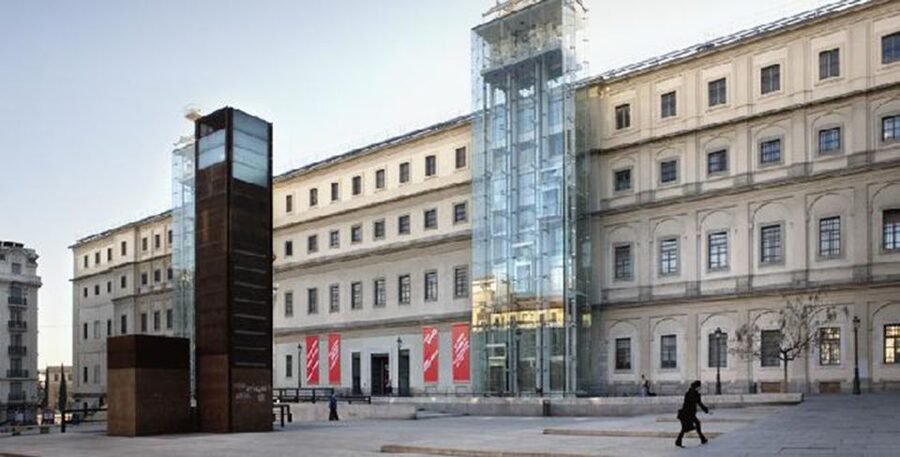
This tour is built for momentum. You meet at a starting point at C. de Sta. Isabel, 52, and the stop is right at the Reina Sofía Museum in Madrid. Because the entrance is included and the ticket line is skipped, you’re not burning your limited art time on queues.
That matters at Reina Sofía because the museum experience can expand fast. You’ll walk into an environment where the collection is wide, the building is big, and the galleries can feel like a maze if you go in cold. A guided start helps you get your bearings fast, then you can enjoy the freedom after the tour.
The tour runs 75 minutes. That length is not random. It’s long enough to explain the key ideas behind multiple artists, but short enough that you can still browse afterward without feeling like you paid to be herded for an entire afternoon.
More Spanish halls of paint and armour:
- Madrid: Prado Museum Entry Ticket
★ 4.6 · 20,699 reviews - Madrid: Reina Sofía Museum Entrance Ticket
★ 4.5 · 8,788 reviews - Madrid: Small Group of Prado Museum Tour & Optional Tapas
★ 4.6 · 2,437 reviews - Madrid: Prado Museum Guided Tour with Skip-the-Line Ticket
★ 4.5 · 2,018 reviews
Reina Sofía’s layout: what the guide does with a big museum
Reina Sofía isn’t only about famous works. It’s also about how you move through the museum. The tour uses the building like a teaching tool, guiding you through the hallways and galleries while giving context for what you’re seeing.
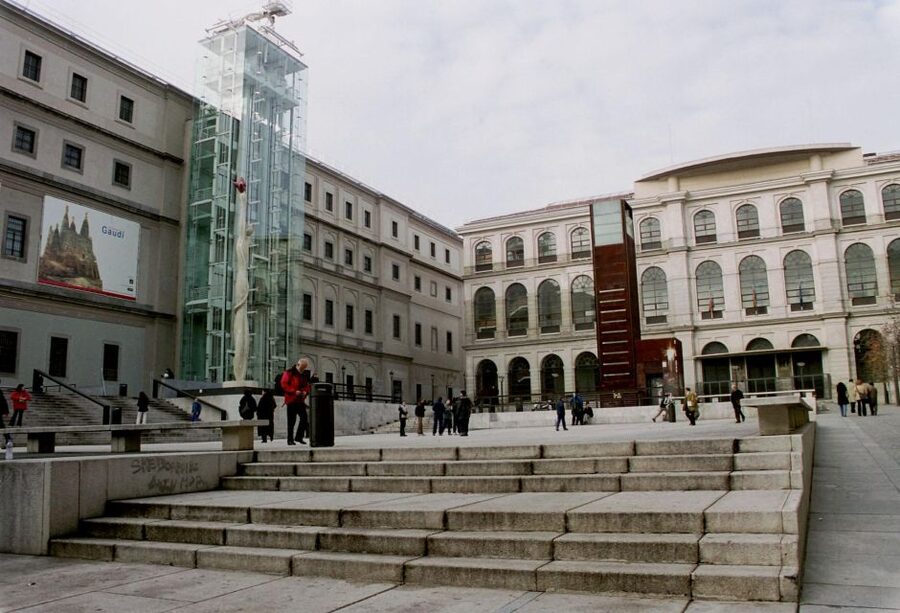
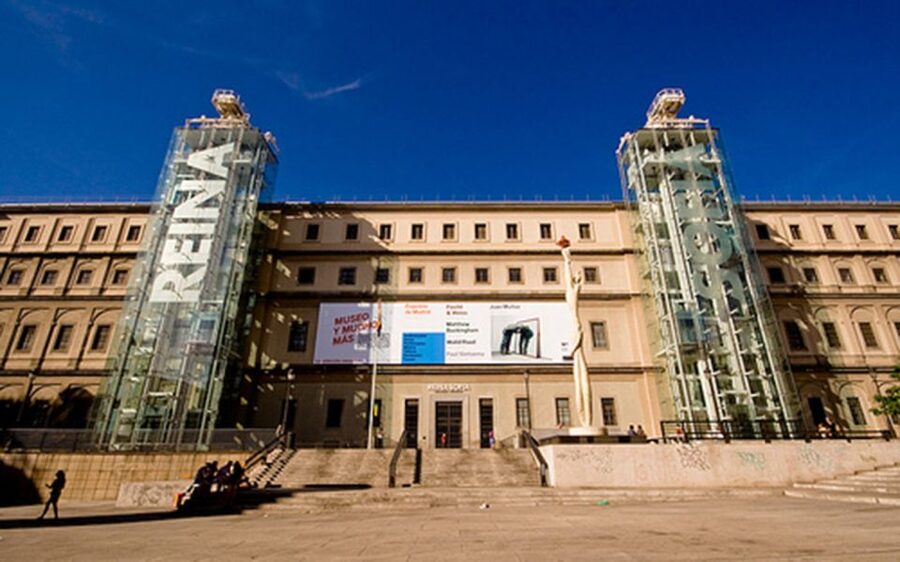
You’ll also get a look at vaulted areas and the museum grounds. Even a brief walk outside to view the building from the outside gives you a better sense of the space, especially because the museum is in a former hospital building. That detail is more than trivia. Hospital architecture tends to create long corridors and a certain seriousness of atmosphere, which pairs well with 20th-century art themes like conflict, identity, experimentation, and grief.
What I like about this kind of guided route is that it prevents the common mistake of treating the museum like a checklist. Instead, you learn what to notice, then you’re able to spot details that most people miss when they’re just moving from one major title to the next.
The artists you’ll actually remember: Picasso, Dalí, Miró
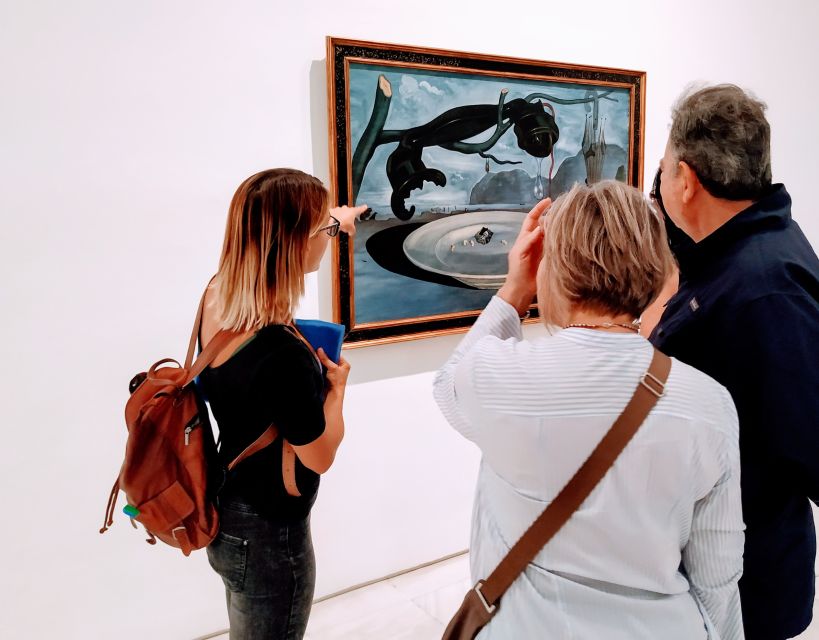
The headline of this tour is Spain’s three big 20th-century names: Picasso, Salvador Dalí, and Joan Miró. The guided format makes their styles easier to separate in your head, because you’re not just seeing images, you’re hearing how their choices connect to the art movements of the era.
Here’s the practical advantage: the guide doesn’t treat each painter as a standalone celebrity. Instead, you learn how artists used different approaches to represent reality, emotion, and ideas.
- With Picasso, the emphasis is on how form breaks and reshapes, so what looks strange at first starts to feel purposeful.
- With Dalí, you’re guided through the logic of surrealism, where dreamlike imagery is not random, it’s constructed.
- With Miró, you get a clearer sense of how modern art can feel both playful and intensely deliberate.
The tour is designed so you leave with a mental map of the movements you encountered, including abstract art, cubism, surrealism, and modernism. That’s useful in Madrid because you can connect what you saw here to other art you might catch later in the city.
Why Guernica gets its own spotlight
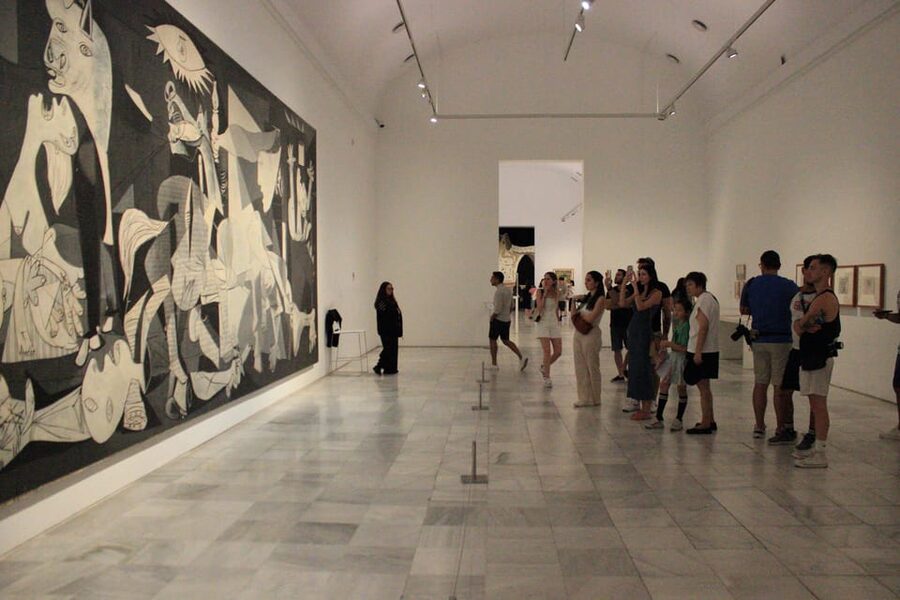
If you come to Reina Sofía, you almost certainly come for Guernica, Picasso’s mural-sized anti-war painting. This tour gives it the attention it deserves, and the best part is the context around it.
You don’t just hear that it’s famous. You learn about its symbolism and techniques, and how it fits into Picasso’s broader artistic development and the political shock that frames the work. That makes a difference in how the painting lands on you.
What to expect while you’re at it: the guide uses a close look approach. You’re encouraged to notice how the composition works, not only what it depicts. Many people react to Guernica emotionally, but a good guide also helps you see it structurally, like how the shapes, contrasts, and fragmentation communicate urgency and horror.
The tour’s structure is also smart about pacing. Multiple artists and styles come first, then Guernica lands as the culminating point. That order helps you understand why Picasso’s choices can feel radical, while still being readable as a powerful statement rather than just a visual puzzle.
More Things to Do in Madrid
- Madrid: Tour Bernabéu Entry Ticket★ 4.5 · 21,573 reviews
- Madrid: Royal Palace Fast-Access Admission Ticket★ 4.6 · 13,856 reviews
- Madrid: “Emociones” Live Flamenco Performance★ 4.8 · 12,866 reviews
Art movements, translated into plain sight
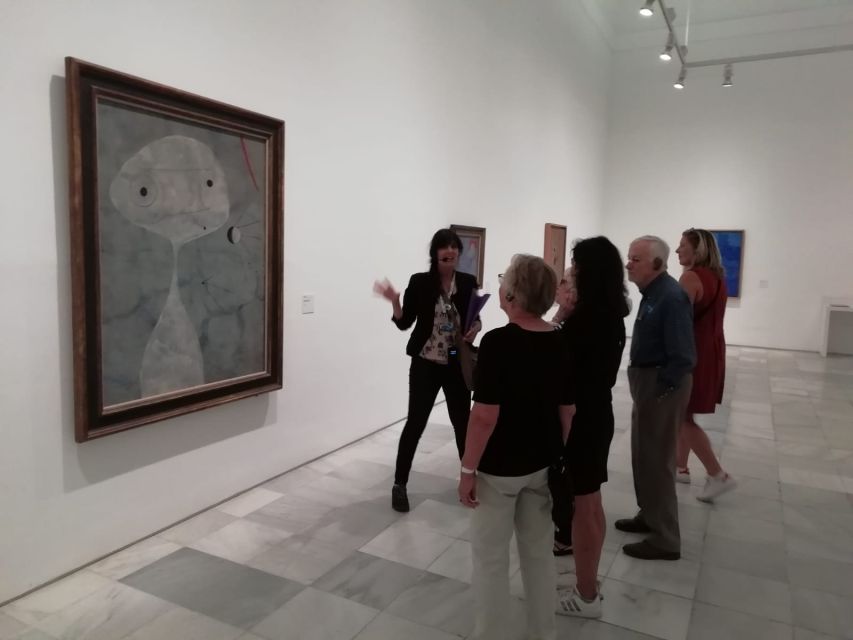
Reina Sofía is where 20th-century art can either feel overwhelming or suddenly make sense. The difference is interpretation. This tour is built to translate art movements into observations you can repeat later.
You’ll cover ideas tied to:
- Cubism, including how objects are reassembled and why multiple viewpoints matter
- Surrealism, including how subconscious imagery can communicate truth
- Modernism and abstract approaches, including how meaning can live in technique, not just subject matter
A recurring strength in the guides for this tour is how they explain difficult concepts in everyday language. Names that show up in excellent experiences include Livia, Alex, Paula, Ali, Xavier, Helena, and Nerea. In different visits, those guides are described as interactive, paced well, and able to point out details in a way that helps you understand what you’re looking at, even if you aren’t an art expert.
One small drawback to keep in mind: in a few experiences, the pace through the covered pieces can feel fast if you like to stand and stare. At 75 minutes, you’ll see the highlights, not every minute detail for every work. The upside is that you’ll know what to revisit after the tour if one painting really grabs you.
The museum building: hospital bones and vaulted drama
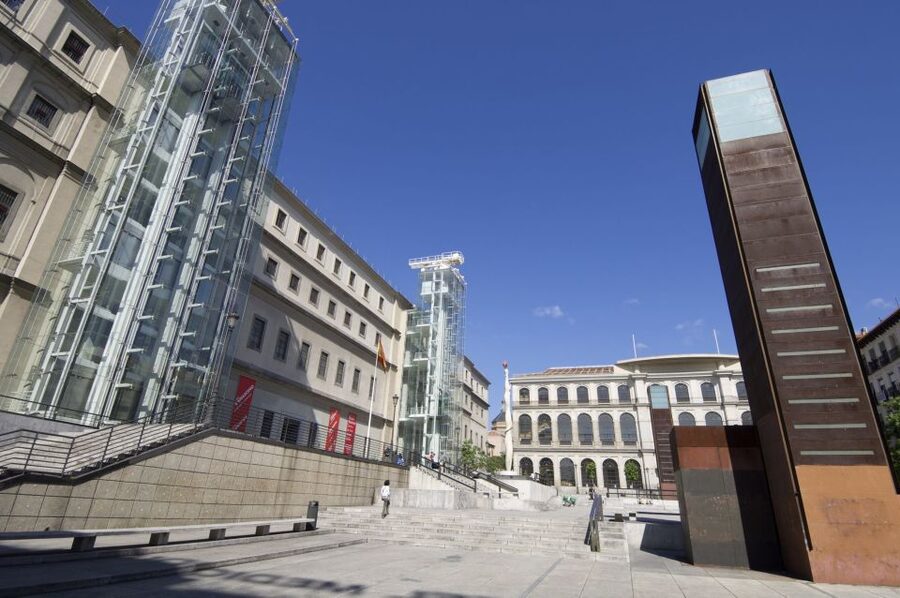
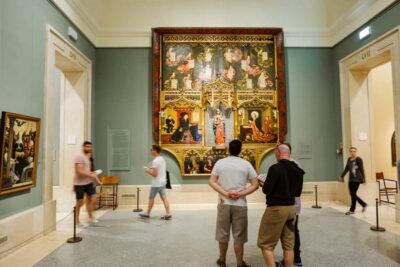
One thing I appreciate about this tour is that it doesn’t treat the building like a waiting room. The museum’s former hospital setting creates an atmosphere that matches the art. You’ll notice the vaulted hallways and the way space funnels you from gallery to gallery, which makes the flow of the guided route feel natural.
Then you get a chance to see the building from the outside as well. It’s a nice reset, especially when modern art gets intense. A quick exterior view gives you a moment to remember you’re in Madrid, not inside an abstract world.
This is also where the museum’s physical scale becomes part of the experience. You’re not just learning about paintings. You’re learning how art lives in space, and why the arrangement of galleries can change how you feel walking through the collection.
How the 75 minutes works, and what you can do afterward
The tour itself is only one part of the deal. Once your guided visit ends, you can stay inside the museum and continue exploring on your own.
That freedom is important because the museum is broad, and your personal favorites might not be the guide’s absolute top picks. If Guernica is your priority, you’ll likely spend extra time there after the tour. If you’re more into broader modern Spanish art, you can loop back to other works that caught your attention once you had the movement context.
Also, because the tour is bilingual in English and Spanish simultaneously, it tends to keep everyone in the group oriented. You’re not stuck waiting for translation. The guide uses both languages as you go.
Timing tip: wear comfortable shoes. You’ll cover ground in hallways and galleries, and the museum’s layout makes it easy to lose track of distance.
Price and value: is $38 worth it?
$38 for a 75-minute guided tour includes museum entrance, a professional guide, and live commentary in English and Spanish. For a museum of this caliber in Madrid, that price is a reasonable way to pay for two things you cannot easily buy on your own.
First, you pay for a smarter route. Without guidance, it’s easy to drift toward only the biggest titles and miss how artists relate to each other through movements like cubism and surrealism. That relationship is exactly what makes Reina Sofía feel like a story rather than a random room of masterpieces.
Second, you pay for close interpretation at Guernica. Seeing Guernica once is powerful. Understanding the symbolism and technique around it can make it unforgettable.
Where the value can feel less great is if you already know modern art really well and you prefer to move at your own exact tempo the entire time. This is a highlights-and-context tour, not an all-day deep study.
Practical rules that affect your experience
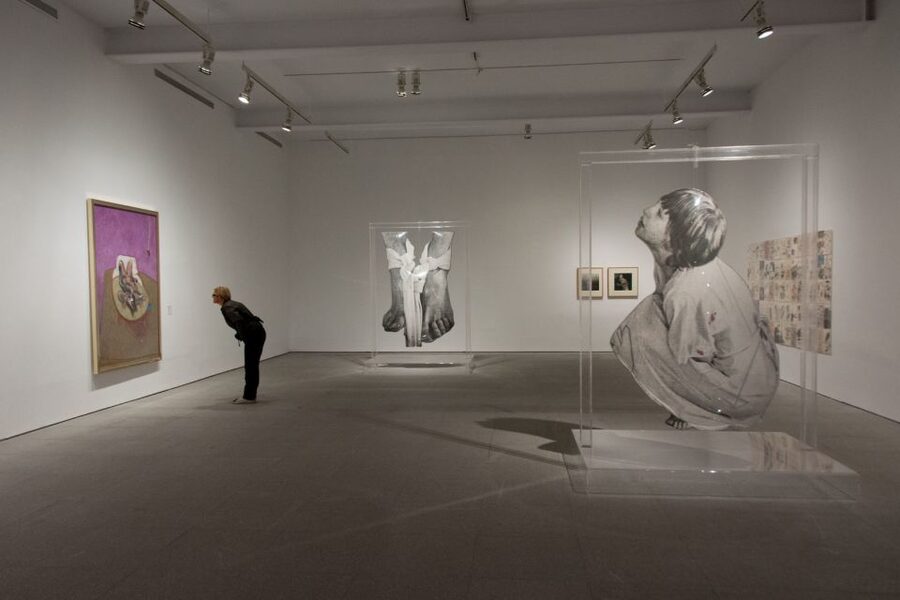
Reina Sofía has clear policies that shape what the visit feels like.
No large bags or luggage are allowed, so travel light. Plan for security and space constraints as you enter the museum. You should also skip selfie sticks and avoid flash photography and tripods.
Photography is also restricted. Some rooms may not permit photos, and in areas where photography is allowed, it must be without flash and without stabilization tools like selfie sticks or tripods. If you’re a serious photographer, check your expectations before you go so you do not end up frustrated in front of a piece you wanted to capture.
Finally, there are some rooms where you cannot take pictures at all. That’s normal in major museums, but it can surprise you if you’re used to freer photo policies elsewhere.
Who should book this tour?
This tour fits best if you want:
- A structured way to see Picasso, Dalí, Miró, and to connect their styles to art movements
- A guided explanation that helps you read symbolism and technique, especially in Guernica
- A moderate time commitment in a huge museum, with time left for independent wandering
- A bilingual guide experience in English and Spanish simultaneously
It’s also a good option for mixed groups, including art-curious visitors and people who feel intimidated by abstract art. The descriptions of guides emphasize that they can keep ideas understandable and not just recite facts.
If you want to spend hours in one gallery, or if your top goal is exhaustive study of every room, you might prefer a longer museum plan without a fixed route.
Should you book this 75-minute Reina Sofía tour?
If you have limited time in Madrid and you care about modern Spanish art, I’d book it. The combination of skip-the-line entry, a tight 75-minute guided route, and a focused explanation of Guernica is strong value for the money. You’ll get the essentials without getting lost, then you can choose how to spend your extra minutes after the guide.
Book it especially if you want your first visit to feel like understanding, not just seeing. And if you already love Picasso or want to get more out of surrealism and cubism, this tour gives you a clear lens that makes the paintings easier to “read” on your own.
FAQ
How long is the Reina Sofía Museum guided tour?
The tour lasts 75 minutes.
Is the entrance to the museum included?
Yes. Entrance to the Reina Sofia Museum is included, and the tour also skips the ticket line.
What languages is the tour offered in?
It includes live commentary in English and Spanish, simultaneously.
Can I take photos inside the museum?
Photography is restricted. Some rooms do not permit photos. Where photos are allowed, you must avoid flash and avoid stabilization tools such as selfie sticks or tripods.
Are large bags or luggage allowed?
No. Luggage or large bags are not allowed.
Is the museum wheelchair accessible?
Yes, the museum is wheelchair accessible, and the tour is described as wheelchair accessible as well.
Latest Madrid reviews into the ledger






Museums, compared.

FC Barcelona Museum “Barça Immersive Tour” Ticket
Read our review →
Park Güell and Gaudí House Museum Entry Ticket
Read our review →
Puro Flamenco Show with Optional Museum Ticket
Read our review →
Moco Museum Barcelona: Modern & Contemporary Art
Read our review →Browse the lists this tour appears in