
Reviewed · MUSEUMS
Madrid: Royal Collections Gallery Entry Ticket
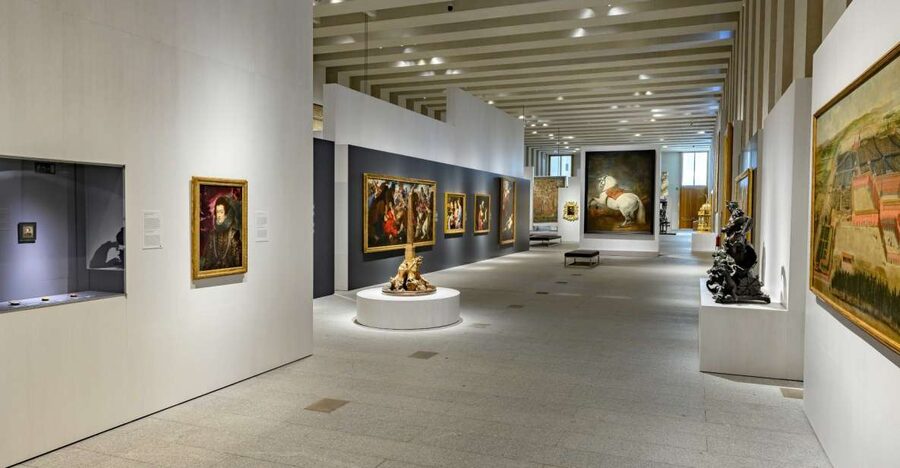
Monarchy, art, and 360º light shows. I like the way the Royal Collections Gallery gives you a clear sweep through Spain’s changing monarchs, and I also really enjoy the mix of big-name artists like Velázquez and Goya with hands-on building stories. One drawback to plan around: your ticket does not include an audioguide, so you’ll lean on labels and on-site rentals if you want audio.
Because it’s right by the Royal Palace area, the museum feels like part of Madrid’s power core. The route is designed to go top floor first, then down ramps with short videos that explain what you’re seeing, before you end in the temporary exhibition space.
In This Review
- Key Points at a Glance
- Where the Royal Collections Gallery Fits in Madrid
- Ticket Value: What You Really Get for About $21
- Opening Hours and Timing That Make Sense
- The Top-to-Bottom Route: How the Museum Guides Your Eye
- The Collection: 650 Pieces Spanning Five Centuries
- Artists and Names You’ll Want to Track
- More Than Paint: How Monument-Making Shows Up in the Exhibits
- The 360º Projection Cube: A Full-Wrap Way to See Royal Spaces
- Temporary Exhibitions: Ending With Something New
- Practical Comfort: Coat Check, No Big Bags, and Where to Rest
- What to bring
- What you can’t bring
- On-site comfort tools
- Getting There Without Stress: Ópera, Príncipe Pío, and Bus Lines
- Who This Works Best For
- My Bottom Line: Should You Book This Ticket?
- FAQ
- Where is the Royal Collections Gallery?
- How much does the Royal Collections Gallery entry ticket cost?
- How long should I plan for this experience?
- What are the opening hours?
- What does the ticket include?
- Is an audioguide included?
- Can I take photos with a flash?
- Are large bags or luggage allowed?
- Are there any restrictions for pets and children?
Key Points at a Glance
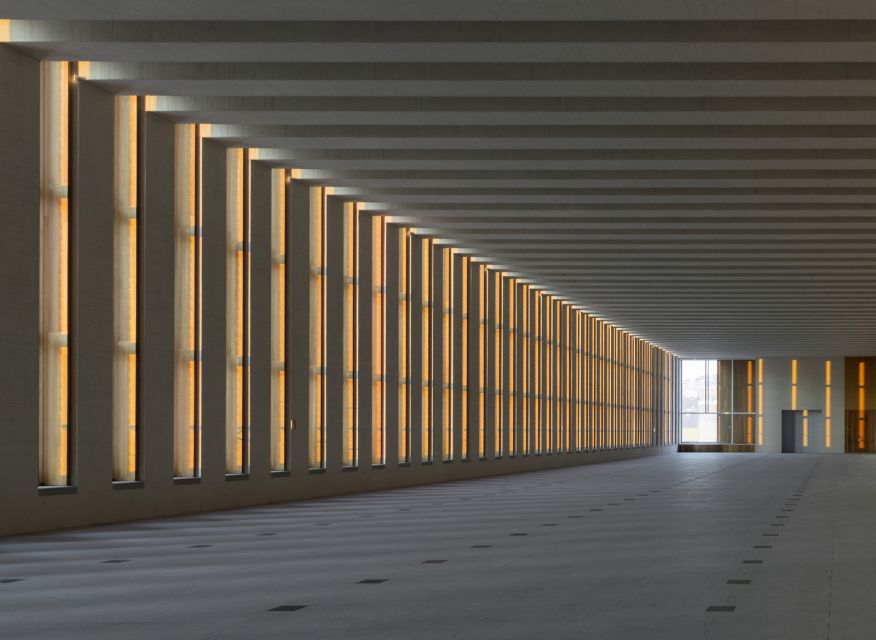
- Start on the top floor and follow the downward ramp path for the intended flow.
- 650 works across five centuries in paintings, sculpture, tapestries, furniture, and decorative arts.
- Big names on the walls include Velázquez, Goya, Caravaggio, Titian, Bosch, El Greco, and Luisa Roldán.
- Monument-building exhibits use videos, models, and didactic resources to explain how landmarks were made.
- A 360º projection cube shows royal architectural and natural spaces in full wraparound view.
- Temporary exhibitions at the end give you something fresh after the main collection.
Where the Royal Collections Gallery Fits in Madrid
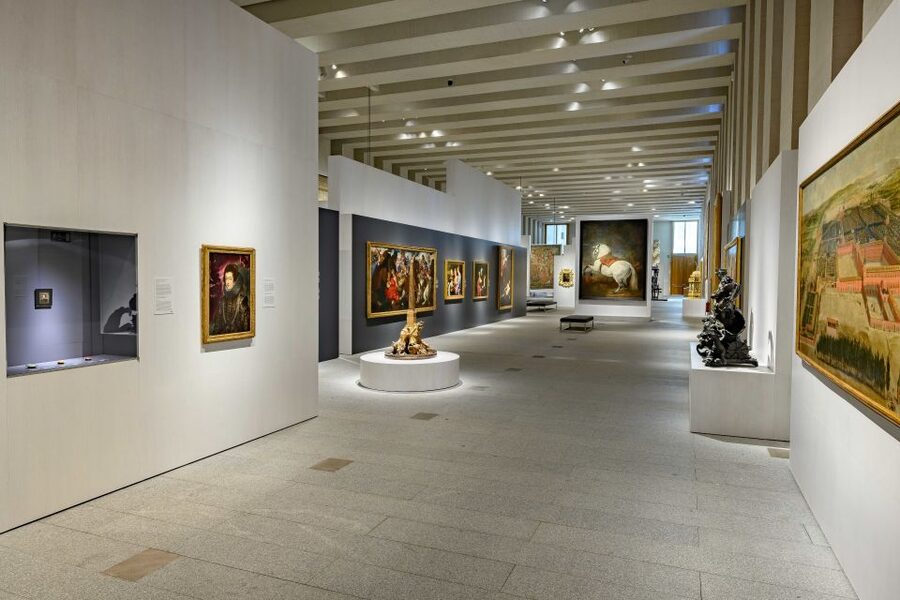
If you’re staying near the Royal Palace, this is an easy add-on day. The Royal Collections Gallery sits next to the Palace complex area, so you can think of the museum as the art-and-objects side of the same story.
The museum is also a smart choice if you like museums that explain context, not just show objects. You’ll see major works and decorative pieces, but you’ll also get that “how did they build that?” angle through models and videos tied to famous sites.
It’s one of Spain’s biggest recent museum projects, so the building itself has a modern, organized feel. That matters because the visit is a guided-by-design route, not a free-for-all wander.
More Spanish halls of paint and armour:
- Madrid: Prado Museum Entry Ticket
★ 4.6 · 20,699 reviews - Madrid: Reina Sofía Museum Entrance Ticket
★ 4.5 · 8,788 reviews - Madrid: Small Group of Prado Museum Tour & Optional Tapas
★ 4.6 · 2,437 reviews - Madrid: Prado Museum Guided Tour with Skip-the-Line Ticket
★ 4.5 · 2,018 reviews
Ticket Value: What You Really Get for About $21
For around $21 per person, you’re buying entry to the Royal Collections Gallery plus access to the temporary exhibitions. That’s the main value line, because the experience is not just a static collection. The exhibits are set up to help you connect art objects to Spanish royal power and to how iconic monuments took shape.
Your ticket includes “skip the ticket line,” which is handy in a central Madrid museum. Even if you arrive early, you still save time once you’re at the door.
One thing to know up front: the ticket does not include an audioguide. The museum does offer audioguide rentals on site, so you can still get audio support if you want it, but you’ll need to plan for an extra purchase.
Also keep in mind the ticket is non-refundable. If your dates are flexible, you might want to lock the time window only when you’re sure you’ll go.
Opening Hours and Timing That Make Sense
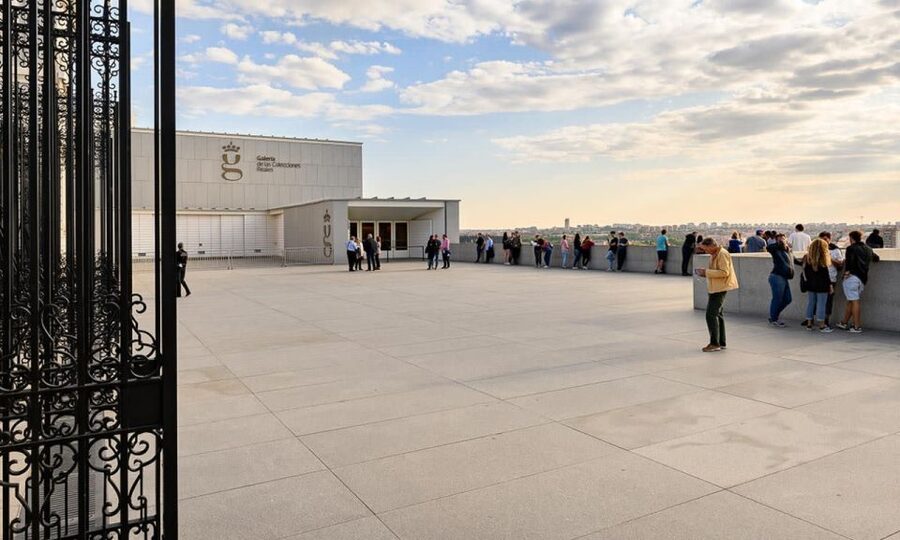
Plan around opening hours based on the day you pick:
- Monday to Saturday: 10:00 AM to 8:00 PM
- Sundays and holidays: 10:00 AM to 7:00 PM
You can access the museum until 45 minutes before closing time. That means a late-afternoon arrival can cut into your last rooms, especially the temporary exhibition gallery at the end.
This is a full one-day museum entry. You don’t need to rush, but it also isn’t a “two hours and out” stop if you care about the context materials.
My practical tip: if you want to see the 360º projection cube with less crowding, aim for earlier in the day when you can. If you get there close to closing, you’ll likely spend more time moving between spaces than taking breaks.
The Top-to-Bottom Route: How the Museum Guides Your Eye
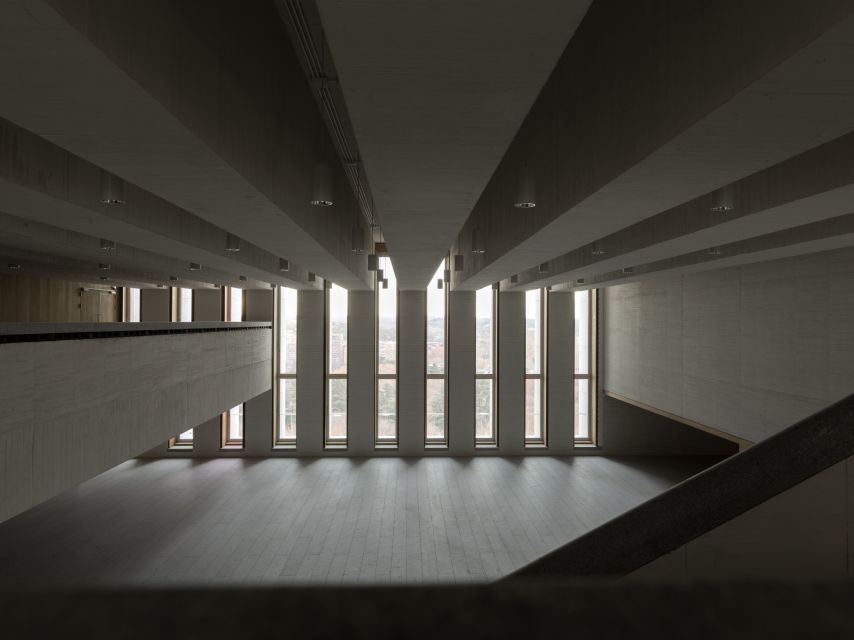
The museum is set up as a descending journey. You begin on the top floor, then follow ramps downward while short videos provide background for what you’re looking at.
This matters because it turns the visit into a storyline. Instead of jumping randomly between centuries, you get a structured path that helps you place the objects in time.
As you move down, you’ll also hit a temporary exhibition room before you finish with the larger temporary exhibition gallery. That pacing is useful. It stops the visit from feeling like one long hallway of art, and it gives you a mental reset partway through.
If you’re the type who loves to read labels but hates slow crowds, the route layout can work in your favor. Moving on ramps and transitions keeps you from backtracking, which is where time often disappears in bigger museums.
More Things to Do in Madrid
- Madrid: Tour Bernabéu Entry Ticket★ 4.5 · 21,573 reviews
- Madrid: Royal Palace Fast-Access Admission Ticket★ 4.6 · 13,856 reviews
- Madrid: “Emociones” Live Flamenco Performance★ 4.8 · 12,866 reviews
The Collection: 650 Pieces Spanning Five Centuries

The Royal Collections Gallery houses about 650 pieces. That’s a lot of ground to cover, but the museum is designed so you don’t feel lost.
You’ll see a mix of:
- Paintings
- Sculpture
- Tapestries
- Furniture and decorative arts
The mix is a big part of the value. A royal collection is not only “what’s on the wall.” It’s also the objects that shaped daily life and display, from ornamental design to craftsmanship that supported court culture.
Artists and Names You’ll Want to Track
The museum includes works by major artists such as:
- Velázquez
- Goya
- Caravaggio
- Titian
- Bosch
- El Greco
- Luisa Roldán
Even if you know only a couple of these names, you’ll feel the range in style. That range is what makes the five-century span make sense, because Spanish royal collecting moved across eras with different artistic tastes and techniques.
A small practical point: don’t try to see every single object. Instead, pick a few artists you connect with, then use the surrounding rooms to understand how the court’s tastes shifted over time.
More Than Paint: How Monument-Making Shows Up in the Exhibits
One of my favorite angles here is the museum’s focus on how famous monuments were constructed. You’ll find educational materials that connect art objects and royal imagination to real building projects.
You can learn about the construction of landmarks including:
- The Monastery of El Escorial
- The Palace of La Granja
What you’re looking for is the museum’s method: videos, models, and didactic resources. Models are especially helpful because they let you “see the plan” instead of just hearing descriptions.
This section is great if you’re the type who enjoys travel with structure. After you learn how a place was built, you’re more likely to notice details later if you visit those monuments in person.
It’s also a strong choice for mixed-interest groups. While some people zoom straight to the most famous paintings, others may prefer the building-story portion. The museum gives you both, without forcing you to choose one whole half-day.
The 360º Projection Cube: A Full-Wrap Way to See Royal Spaces
The museum includes a large cube with 360º projections. Instead of only viewing paintings or objects, you get a wraparound view of architectural and natural spaces tied to royal sites.
This is a nice break from standing at displays. It’s also an efficient way to understand the scale of places. Even when you’re not physically at those monuments, the visuals help your brain build a mental model.
If you like photos, you might be tempted to film or take shots. Just remember flash photography is not allowed. Plan on enjoying the projection with your eyes, not your phone.
My advice is to watch once without multitasking. Then, if you still want to, go back to specific areas in the museum where the projection content ties into what you’re seeing.
Temporary Exhibitions: Ending With Something New
Your visit ends at a spacious temporary exhibition gallery. The exhibits vary, but you can expect different shows after you’ve worked through the main collection and the monument-building content.
I like this “ending with a new theme” approach. By the time you reach the final gallery, your brain is warmed up. You’ll be able to spot connections between the main collection and whatever the temporary show is exploring.
Even if you’re not the biggest temporary-exhibition fan, this final stop helps the museum feel like a complete outing. You get closure rather than stopping mid-route.
Practical Comfort: Coat Check, No Big Bags, and Where to Rest
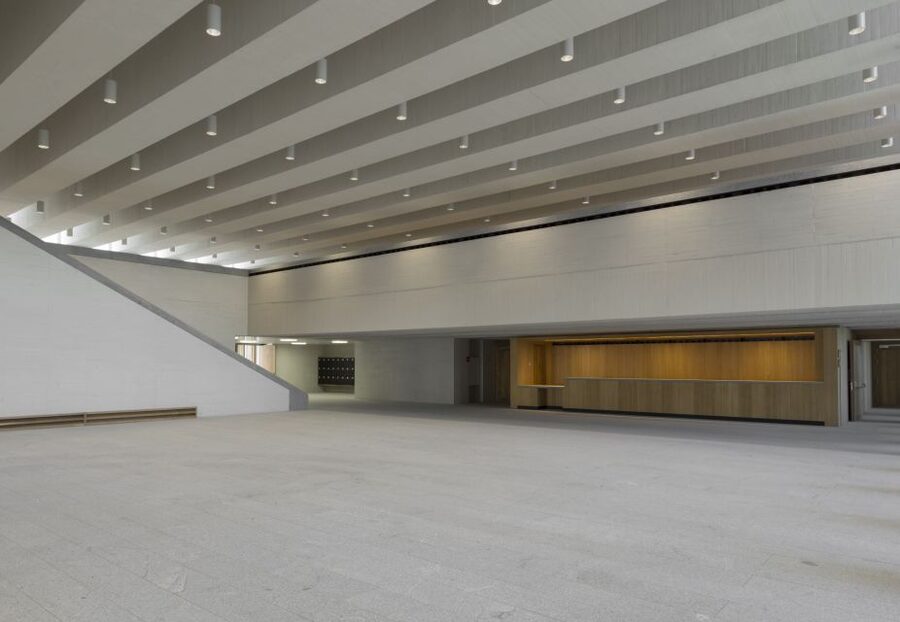
Plan for a few rules and conveniences so your visit stays smooth.
What to bring
Bring a jacket. That’s explicitly recommended, and it’s a wise move for Madrid days that can swing in temperature.
What you can’t bring
- Luggage or large bags are not allowed
- Pets are not allowed (assistance dogs are allowed)
- Flash photography is not allowed
If you’re traveling light, you’ll breeze through. If you’re carrying bigger items, look for the self-service lockers or cloakrooms that the museum provides.
On-site comfort tools
The museum offers several practical services, including:
- Information services
- Audioguide rentals
- Self-service lockers and a cloakroom
- Restrooms
- A nursing room
- Rest areas and folding chairs
This is the kind of detail that quietly improves your day. If you need a break or a place to regroup, you’re not stuck improvising.
Getting There Without Stress: Ópera, Príncipe Pío, and Bus Lines
The museum is easy to reach with multiple options.
You can use:
- Subway lines 5 and 2 to Ópera station
- Cercanías trains to Príncipe Pío Station
- Buses on lines 3, 25, 39, and 148
Because it’s near central landmarks, I’d aim for the transit option that gets you closest to Ópera if you’re already on the metro network. If you’re coming from other parts of town, Príncipe Pío can also be a strong anchor point.
Who This Works Best For
This ticket fits best if you want more than “look at art.” You want art connected to place, to power, and to how Spain built iconic monuments.
It’s especially good for:
- People who enjoy learning through visuals like videos and models
- History-minded travelers who like museum structure by time period
- Mixed groups where not everyone wants the same museum pace
- Anyone who likes famous Spanish artists and also wants decorative arts and craftsmanship
It might not be the best fit if you strongly prefer audioguide-led museum tours. Your entry ticket doesn’t include one. Audioguide rentals exist, but you’ll need to decide that on site.
My Bottom Line: Should You Book This Ticket?
Yes, I’d book it if you want a one-day Madrid experience that blends major art names with an educational building-story angle. The five-century flow, the 360º projection cube, and the fact that temporary exhibitions end your visit make it feel like a complete museum outing.
If you’re the type who plans with intention, you’ll get a lot of value from the route design. Start at the top floor, follow the ramps downward, and don’t skip the monument-construction section, because that’s what turns the visit from “nice collection” into “I understand these landmarks better.”
One caution: bring a jacket and travel with no big bags. Then you’re set up for a smooth day next to the Royal Palace area.
FAQ
Where is the Royal Collections Gallery?
It’s located in the Community of Madrid, Spain, next to the Royal Palace of Madrid.
How much does the Royal Collections Gallery entry ticket cost?
The price is listed as $21 per person.
How long should I plan for this experience?
It’s listed as a 1-day experience.
What are the opening hours?
Monday to Saturday: 10:00 AM to 8:00 PM. Sundays and holidays: 10:00 AM to 7:00 PM. Access is until 45 minutes before closing time.
What does the ticket include?
The ticket includes entry to the Royal Collections Gallery and access to temporary exhibitions.
Is an audioguide included?
No. Audioguide rentals are available, but an audioguide is not included with the ticket.
Can I take photos with a flash?
No. Flash photography is not allowed.
Are large bags or luggage allowed?
No. Luggage or large bags are not allowed. The museum offers lockers and a cloakroom.
Are there any restrictions for pets and children?
Pets are not allowed, but assistance dogs are allowed. Children under 14 years old must be accompanied by an adult.
Latest Madrid reviews into the ledger





Museums, compared.

FC Barcelona Museum “Barça Immersive Tour” Ticket
Read our review →
Park Güell and Gaudí House Museum Entry Ticket
Read our review →
Puro Flamenco Show with Optional Museum Ticket
Read our review →
Moco Museum Barcelona: Modern & Contemporary Art
Read our review →Browse the lists this tour appears in