
Reviewed · THINGS TO DO IN MADRID
Madrid: Street Art Tour with Local Graffiti Hunter
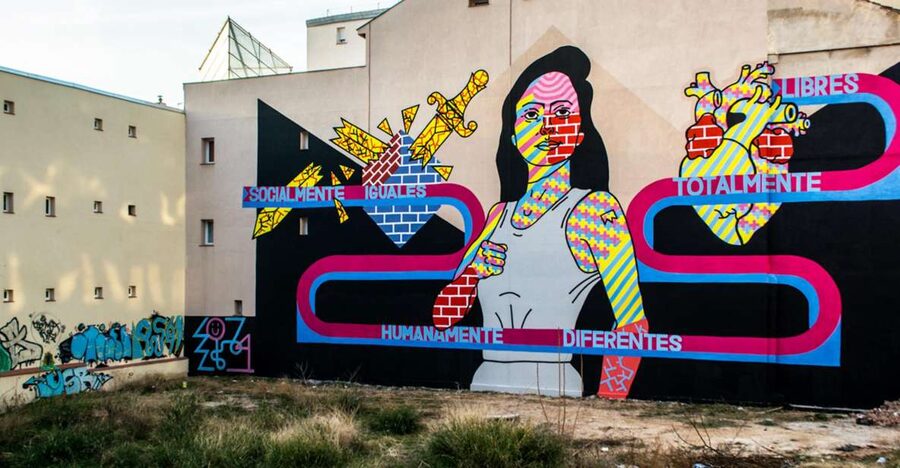
Graffiti is a street-level story in Madrid. This 2-hour walk sends you through Lavapiés, Embajadores, and La Latina, where you’ll read walls like a map, spotting stencils, stickers, and big legal murals. I love how the tour is guided by local graffiti writers and festival collaborators, so the art comes with context, not just photos.
Two things I really like: you get hands-on explanations of style and technique as you walk, and you see standout spots such as the La Tabacalera factory walls plus the pieces around Esta es una Plaza, Plaza del Sombrerete. One thing to consider is that beverages are not included, so plan to bring water, especially if you’re touring on a warm day.
In This Review
- Key highlights worth showing up for
- First stop: how the meeting point sets the tone
- Why this route works: Lavapiés, Embajadores, and La Latina
- The guide factor: why local graffiti hunters change everything
- Lavapiés walking loop: what you’ll spot and how to look
- Calle Argumosa and Calle de Embajadores: the visual “thickness” of a neighborhood
- La Tabacalera former tobacco factory: the stop that gives street art gravity
- Esta es una Plaza, Plaza del Sombrerete: veteran artists and the neighborhood rhythm
- The biggest mural moment in Madrid’s Center District
- Workshop energy: why free activities are part of the street art story
- Pacing and what 2 hours feels like on your feet
- What the tour includes, and what you should bring
- How this experience fits different kinds of travelers
- Value check: is $29 per person a smart spend?
- Should you book this Madrid street art tour?
Key highlights worth showing up for
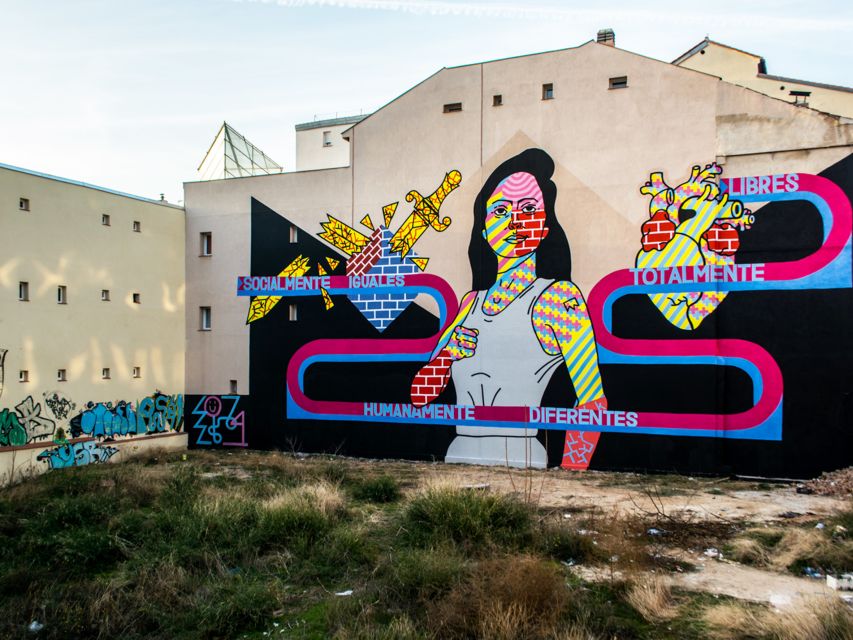
- Lavapiés and Embajadores street art lanes: You’ll follow the walls and the streets together, with stories that connect art to local life.
- La Tabacalera (former tobacco factory) walls: A major stop for urban art, where the setting matters as much as the art.
- Esta es una Plaza, Plaza del Sombrerete: An insider guide to veteran artists and how their work fits the neighborhood.
- Calle Argumosa and Calle de Embajadores: Great for spotting layers of street art, from quick sticker work to more composed murals.
- A chance at Madrid Center’s biggest mural: One of those visual anchors that makes the whole route feel worth it.
- Free workshop culture nearby: Even if you do not join, it helps you understand why this neighborhood keeps creating.
First stop: how the meeting point sets the tone
You start at the entrance of Teatro Valle Inclán, on Calle de Valencia 1, in Madrid 28012. The nearest metro is Lavapiés, which is useful because you can arrive early, grab a coffee nearby, and still feel relaxed before the walk begins.
This choice of meeting spot matters. Teatro Valle Inclán puts you right where Lavapiés mixes theater, street life, and Latin neighborhood energy. In practice, it helps you settle into the right mindset for urban art, which is not quiet museum energy. It is about watching how a neighborhood “talks” to you.
A few more Madrid verdicts worth reading
- Barcelona Street Art and Graffitti Bicycle Tour
★ 5.0 · 361 reviews
Why this route works: Lavapiés, Embajadores, and La Latina
Madrid’s street art is not evenly spread. The fun is in the clusters, where you can see how artists respond to their block, their community, and the city around them. This route focuses on Lavapiés and Embajadores, then reaches into La Latina, so you get that layered feel rather than a one-street hit-and-run.
Lavapiés is also the kind of neighborhood where the art often feels tied to identity. The tour’s emphasis on multicultural surroundings is not just a mood. It helps you understand why you see so many visual languages, from stencil lines to sticker layers, and why certain walls attract recurring artists.
One more reason I like this structure: it keeps your eye busy. Every street corner gives you something slightly different, and the guide’s job is to help you notice those differences instead of letting it blur into “cool graffiti.”
The guide factor: why local graffiti hunters change everything
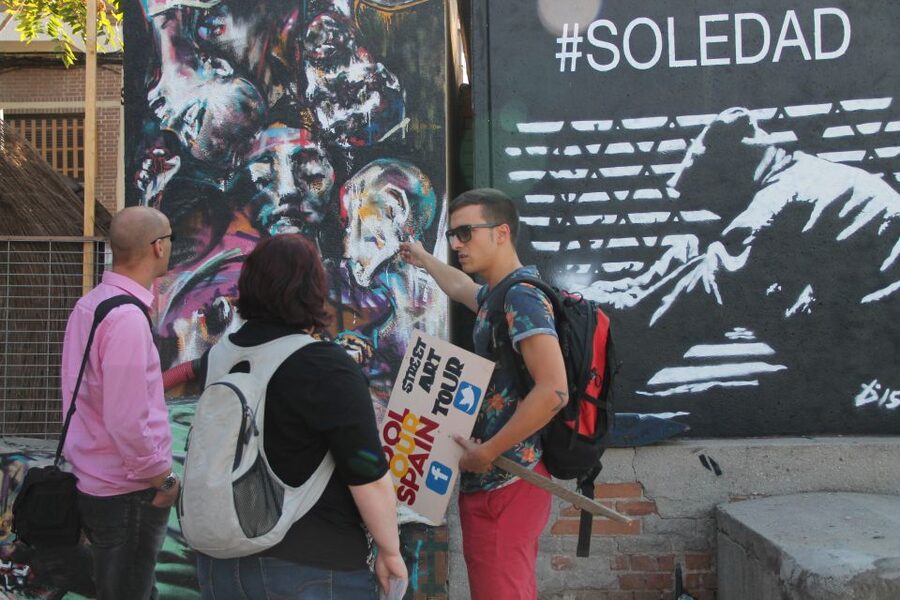
A big part of why this tour lands well is the people behind it. You are not just getting a script. You are getting commentary from locals who collaborate with projects and festivals connected to street art culture.
In real terms, that shows up in how the tour feels. Guides like Ester and Julien (and other hosts you may meet, such as Yago, Santy, or Hector) tend to explain both the history and the technique, then connect it back to what you can see on the wall right now. Some hosts are also working street artists themselves, which means you hear first-hand detail about how styles are built and why certain pieces end up where they do.
I also like the teaching style that shows up in the tour vibe. One guide, Julian, kept the group engaged by asking questions while still moving smoothly. That helps you not just watch, but participate mentally, which is how you get more out of street art than a quick glance.
Lavapiés walking loop: what you’ll spot and how to look
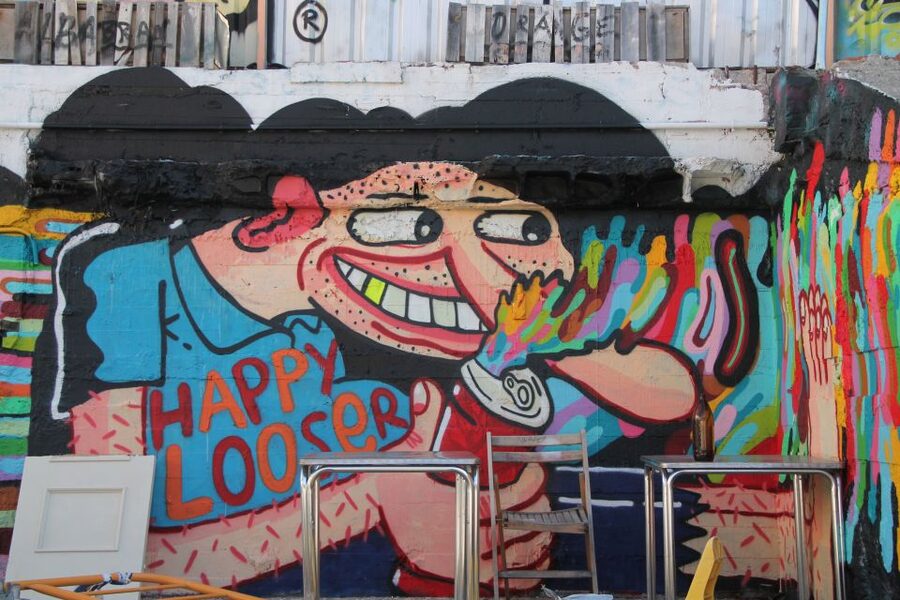
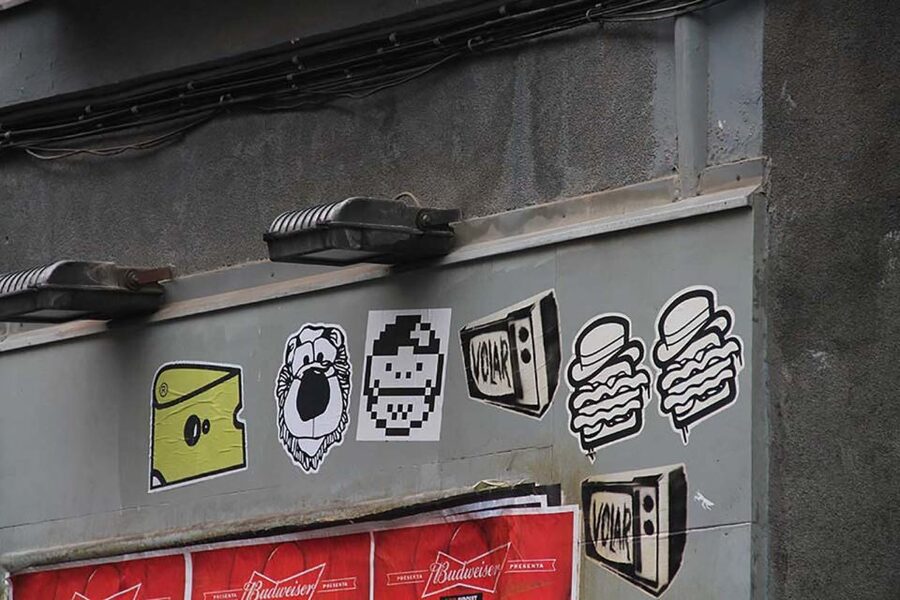
As you stroll through Lavapiés, the tour slows just enough to let you read the walls. You’ll look at graffiti art by Madrid’s urban artists, and you’ll also see the smaller stuff that often gets ignored when people hurry to the next “big mural.”
Pay attention to two things as you walk:
- Style cues: lettering, spray patterns, stencil edges, and how sticker layers overlap.
- Placement logic: where pieces sit in relation to entrances, sightlines, and high foot-traffic corners.
That is where the guide’s explanations start paying off. If you are new to street art, it stops being random. If you already like it, you still get fresh context because the stories connect to the neighborhood.
A practical tip: wear shoes that handle uneven sidewalks and standing still for photos. This route is short in time, but it is a lot of micro-stops, and you will want to keep moving at a comfortable pace.
More Things to Do in Madrid
- Madrid: Tour Bernabéu Entry Ticket★ 4.5 · 21,573 reviews
- Madrid: Prado Museum Entry Ticket★ 4.6 · 20,699 reviews
- Madrid: Royal Palace Fast-Access Admission Ticket★ 4.6 · 13,856 reviews
Calle Argumosa and Calle de Embajadores: the visual “thickness” of a neighborhood
Calle Argumosa and Calle de Embajadores are part of the core walking stretch. This is where you start noticing how street art changes from one block to the next, even when you stay in the same general area.
What makes these streets valuable for you is the contrast in visual language. You’ll likely see pieces that feel quick and expressive alongside larger works that look planned, which helps you understand street art’s two speeds: the instant and the engineered.
This is also a good spot to practice looking at how artists respond to each other. When multiple pieces sit near one another, the walls become a conversation, not a gallery wall with a single curator. A good guide will help you see that conversation.
La Tabacalera former tobacco factory: the stop that gives street art gravity
One of the headline moments is La Tabacalera, the former tobacco factory, and the street art on its walls. The setting matters. Big walls in big buildings create a different scale, and scale affects how you interpret technique and intent.
Here is how to get the most from this stop:
- Look for how the art fills space. Do pieces flow around cracks and pillars, or do they ignore the structure and assert themselves?
- Notice whether the works feel like they belong to the building or like they were pasted onto it.
The tour’s structure also gives you a rhythm. After walking neighborhood streets, this factory stop feels like the “main stage.” It gives you a chance to step back mentally and realize street art is not only decoration. It is a public display of ideas, identity, and sometimes disagreement.
If you like urban art that goes beyond tagging, this is the place where the tour’s highlight promise starts to feel real.
Esta es una Plaza, Plaza del Sombrerete: veteran artists and the neighborhood rhythm
Next up, you’ll get an insider’s guide to the street art around Esta es una Plaza, Plaza del Sombrerete. This is one of those stops where the value is in the explanation, because the “why” behind a piece can change what you feel when you look at it.
The tour focuses on veteran artists here, which matters because older street artists often leave different signatures than newcomers. You might notice more consistent style choices, stronger composition thinking, or a clearer sense of what the neighborhood needs to hear at that moment.
This is also a good place to slow down and take your time. Street art around plazas tends to connect with daily routines: people meet there, pass through there, and post up with their own lives. If you watch the flow of foot traffic while you look, it becomes easier to see how the art functions as part of the public space.
The biggest mural moment in Madrid’s Center District
The route includes the chance to see the biggest mural in Madrid’s Center District. Even if murals are not usually your thing, “big” changes your experience. Your eyes adjust from reading details to reading impact.
When you reach a mural like this, use a simple method:
- Look at it from far away first, then step closer for details.
- Try to spot the style transitions, where lines and color shift from one section to another.
A guide can help you connect those details to technique and artist intent. And if you’re lucky, you might even catch street art in action. One tour experience included spotting TeTous painting a new mural during the walk, which reminded everyone that this art scene is alive, not frozen.
Workshop energy: why free activities are part of the street art story
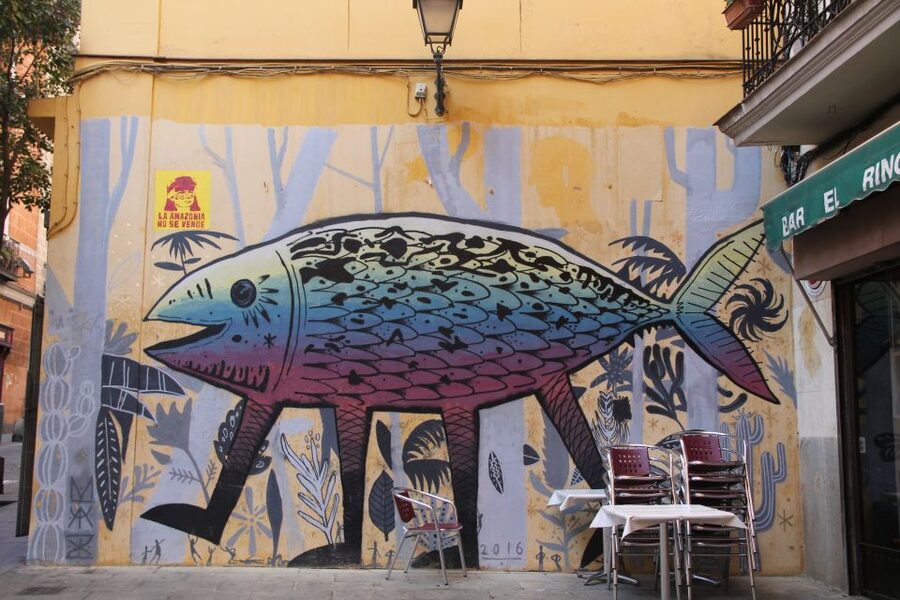
You’ll hear about free workshops connected to the area, including photography, dance, yoga, cycling, longboarding, and more. You might not stop to join any of them on a two-hour walk, but they change how you interpret the walls.
Here’s the practical value: street art does not grow in isolation. When a neighborhood supports movement, creativity, and youth culture, you see it in the art. That workshop culture also explains why you often find both strict pieces and playful experiments sharing the same streets.
If you are planning a longer stay in Madrid, take this as a clue. The neighborhoods on this walk are not just “for photos.” They are places where people keep doing things.
Pacing and what 2 hours feels like on your feet
This tour runs 2 hours, so it is tight but not rushed. The pacing is one of those “you’ll notice” differences. In many street art walks, you get either too much talk or too much speed. Here, the structure supports steady strolling with frequent stops.
Expect short pauses for explanations and photo moments. You will also likely have time for questions. Several guide styles in the experience are described as interactive, with hosts inviting the group to think while they walk.
You also move across multiple districts, but the route stays manageable. This is ideal if you want a neighborhood taste without turning your whole day into walking.
What the tour includes, and what you should bring
Included is an English-speaking guide. That matters because street art has technical and cultural layers, and you will get more from the walls when someone can connect them clearly.
What is not included is beverages. Bring water, especially if you get thirsty easily or you travel in hot months.
For what to bring: bring your passport or ID card and wear comfortable shoes. That last item is not a generic suggestion. It is the difference between enjoying pauses to look closely and feeling rushed because your feet hurt.
How this experience fits different kinds of travelers
This is a strong match if you:
- Love urban art but want more context than a basic highlight route.
- Want to see Madrid beyond the usual postcard stops.
- Prefer walking tours where the neighborhood is part of the “exhibit.”
If you are only into art that belongs behind glass, you might find street art a bit loud in style. But even then, the guide-centered approach helps you understand what you are looking at.
It is also a good choice for people who like to travel with curiosity. The best moments come when you start noticing the technique and the placement choices, not just the images themselves.
Value check: is $29 per person a smart spend?
At $29 per person for 2 hours, the value comes from three things: a local guide, real access to specific mural zones, and time-saving direction. You could walk around Lavapiés on your own, but you would miss the “how to read it” part.
Where this feels like good value is the combination of:
- multiple neighborhood streets (not one lane),
- the former tobacco factory wall stop (a big-scope visual),
- and the named plazas where the tour gives insider guidance.
If you care about interpretation, not just photos, that is where your money goes. If you only want wide scenic shots, you might decide the tour is more than you need.
Still, the strong satisfaction score and the repeated praise for guides who keep the experience fun and engaging suggests the format works.
Should you book this Madrid street art tour?
I’d book it if you want a practical, neighborhood-based way to understand Madrid through public art. The tour’s strengths are clear: local storytelling, high-quality stops like La Tabacalera and Plaza del Sombrerete, and a pacing that keeps you looking instead of just walking.
I would skip it or adjust expectations if you hate walking or you want a food-and-drink outing, since beverages are not included and the focus is firmly on street art.
If you’re in Madrid and you want to see how the city thinks in paint and paste, this is an excellent two-hour use of time.
Latest Madrid reviews into the ledger






Things to Do in Madrid, compared.





Live Flamenco Show with Food and Drinks Options
Read our review →
Avila & Segovia Tour with Tickets to Monuments from Madrid
Read our review →
Browse the lists this tour appears in