
Reviewed · WALKING TOURS
Madrid: The Spanish Inquisition Walking Tour
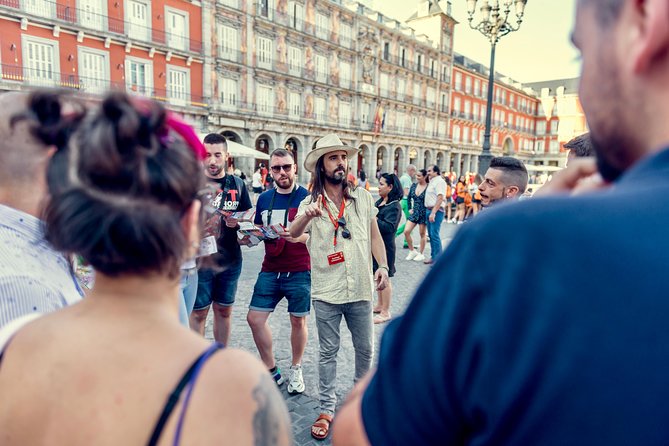
Fear has a Madrid address. This 2-hour English walking tour links the Spanish Inquisition to everyday street scenes, with Plaza Mayor as the opening act. You get a clear, guide-led story that moves through central landmarks and explains why the Inquisition left such a long shadow on Spain.
I love how the tour works like a crash course: it’s structured, fast-paced, and easy to follow even if you start with zero background. I also like the practical payoff, you see major Madrid points on foot while you learn how faith, politics, and fear collided in real places.
The main consideration is expectations. This is mostly an outdoor walk, and since many Inquisition events were not based in Madrid, you should come ready for stories and context rather than a lineup of inside museums.
In This Review
- Key things to know before you go
- A 2-hour evening walk that turns central Madrid into a lesson
- Plaza Mayor: where public fear had a stage
- How the story of the Inquisition spreads through Madrid
- From targeted groups to the pressure of the old jail area
- St. Plácido and exorcisms: when belief turned theatrical
- Autos de fe: the spectacle and why it traveled
- Myth vs truth: witches, covens, and the darkest legends
- How to make the most of the walk (and who should book)
- Should you book the Madrid Spanish Inquisition walking tour?
- FAQ
- How long is the Spanish Inquisition walking tour in Madrid?
- Where do I meet, and when does it start?
- Is the tour offered in English?
- What is included in the price?
- Are children allowed?
- Is it easy to cancel for a refund?
Key things to know before you go

- Meet in Plaza Mayor at 3:00 pm and finish back where you started, so you can plan the rest of your evening fast
- English local guide with a strong track record for making a heavy subject engaging
- Carcel de la Inquisicion area included in the route, so you get a tangible sense of place
- From autos-de-fe to the Black Legend you learn how Madrid helped shape Spain’s global reputation
- Myth vs fact about witchcraft and exorcisms, with the guide separating legend from what people claimed at the time
- Good group size (max 40), which usually helps keep questions flowing
A 2-hour evening walk that turns central Madrid into a lesson
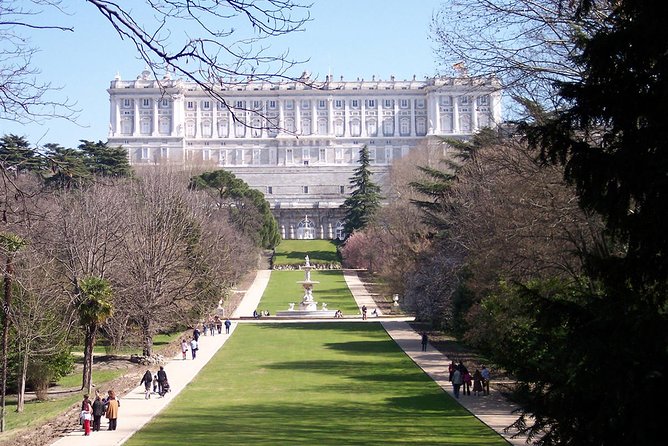
This tour is priced at $31.46 per person, and for the money you’re paying for one thing: a live local guide who can explain a complicated, grim topic in plain language. There is no hotel pickup or drop-off, so the value really comes from meeting in the center and walking while you learn.
The timing matters. Starting at 3:00 pm, you’ll be on foot through the core of Madrid. That is a big part of why it works. You get to connect ideas to the city around you, so the story sticks. Also, because you’re walking, you’ll want comfortable shoes and a light layer if the evening turns cool. One perk of an evening tour in general is that Madrid can feel more manageable once the hottest part of the day passes.
Logistically, you get a mobile ticket and confirmation at booking. The tour is capped at 40 travelers, which tends to keep it from turning into a loud, hard-to-hear parade. And since the route can vary based on what the guide thinks best for the group, build in a little flexibility on how long you might spend at any one stop.
One more expectation check: it’s outdoors for the most part. If you want a lot of indoor visits, think of this as a street-level history walk, not a museum loop.
More Walking Tours in Madrid
- Madrid Tapas & Wine Tasting Walking Tour – Small Group Local Bars
★ 5.0 · 3,644 reviews - Toledo Tour & Vineyard Walk with Wine Tasting from Madrid
★ 5.0 · 2,546 reviews - Madrid Walking Tour from Puerta del Sol to Retiro Park
★ 5.0 · 2,285 reviews - Madrid Old Town & Royal Palace Walking Tour Skip the Line Ticket
★ 4.5 · 1,829 reviews
Plaza Mayor: where public fear had a stage
You begin at Plaza Mayor, one of Madrid’s most famous squares and a natural place for public spectacle. Here, the guide sets the tone with the idea that the Inquisition was not only something happening behind doors. It was a public force, and the square becomes a backdrop for understanding how shocking rituals played out in front of crowds.
This is where you’ll learn why the Inquisition became so effective at controlling behavior. Not just through punishment, but through visibility. Watching or hearing about events in a central space turns doctrine into daily reality. Even if the exact details of every event are debated over time, the mechanism is the same: fear spreads faster when it’s seen.
What you’ll like: Plaza Mayor is easy to locate and it makes the story immediate. You’re standing in a place people still visit today, which makes the past feel closer.
Possible drawback: Because it’s a square and not a preserved Inquisition site, the setting works best for ideas, not for taking photos of specific historical structures tied to the rituals.
How the story of the Inquisition spreads through Madrid
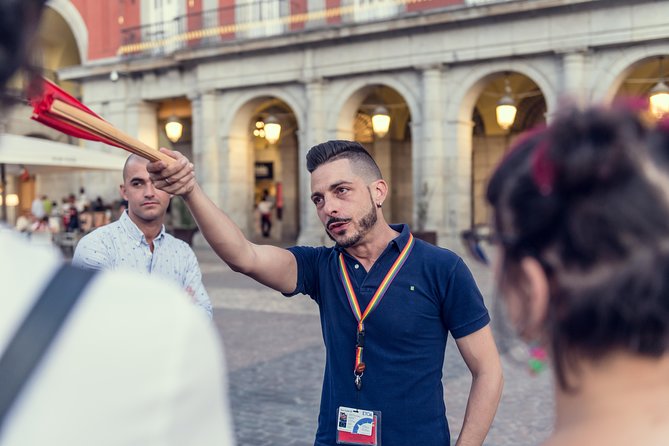
After Plaza Mayor, the tour keeps moving on foot and tightens your understanding of origins. You’ll hear how the Spanish Inquisition began and how it escalated into centuries of fear, with the guide translating a big topic into a route you can actually follow.
This section is valuable even if you know nothing about the subject. The guide’s job here is to give you a timeline with clear cause and effect: what pushed the Inquisition forward, why it gained authority, and how its reach widened. The most important thing is that the tour doesn’t treat it like spooky folklore. It’s presented as something with roots in power, religion, and social pressure.
A few guide names have shown up in past groups, like Joaquin and Enrique, and that matters because this topic can easily turn into a lecture. Strong guides use the city as a guide map and keep the story moving in bite-sized segments. If you get one of those sharp communicators, you’ll feel like you’re gaining a framework, not just collecting facts.
What you’ll like: You finish this part with a better grasp of why the Inquisition became a symbol, both locally and abroad.
Possible drawback: If you’re hunting for a lot of brick-and-mortar proof at each corner, you’ll need to lean into the storytelling side.
From targeted groups to the pressure of the old jail area
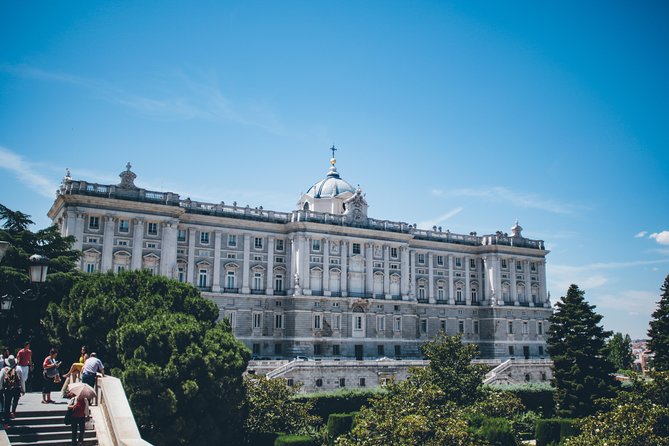
The route then shifts toward the darker idea of who was targeted and how fear became organized. You’ll hear about the mass expulsion of Jewish communities and other groups. This part can feel heavy, and it’s worth going into it with a mindset of learning and context, not shock for shock’s sake.
Next, you step outside the former Inquisition jail area, the Carcel de la Inquisicion. Standing near where detention happened gives the story weight. Even without turning it into a full site visit, the guide’s narrative makes it easier to understand how imprisonment and interrogation fit into the broader system.
This is also where the tour helps you connect the human side of the topic to the geography of the city. Madrid’s streets are still busy, still real. That contrast is part of the point, it shows how something brutal can have left patterns that outlast it.
What you’ll like: You’re not just learning about beliefs. You’re learning about how institutions used space, movement, and confinement.
Possible drawback: The route is built for learning, not for long stops inside buildings. Expect short segments focused on explanation.
More Spanish cities taken on foot:
- Madrid: Welcome to Madrid Guided Walking Tour★ 4.9 · 1,738 reviews
- Madrid: Spanish Inquisition and Legends Evening Walking Tour★ 4.7 · 1,396 reviews
- Majestic Madrid Walking Tour★ 5.0 · 1,274 reviews
St. Plácido and exorcisms: when belief turned theatrical

One of the most unsettling stops is built around the story of the possessed of St. Plácido and the exorcisms tied to those events. This section leans into how the Inquisition treated signs of the supernatural or signs that people interpreted as spiritual contamination.
What makes this section interesting is that it shows a clash between explanation and control. When communities fear what they cannot classify, authorities can gain traction by offering certainty, even if the logic is flawed by today’s standards. The guide’s job is to explain the claims, the cultural context, and how this led to real-world consequences.
If your guide is strong, this is where the tour often becomes memorable. Past guides like Lexi and Sebastian have been praised for turning heavy material into something you can follow and think about. The best guides also help you spot the difference between what people believed at the time and what history can reasonably prove.
What you’ll like: You’ll leave understanding why exorcism stories mattered politically and socially, not just spiritually.
Possible drawback: If you get uncomfortable with religious persecution themes, this stop may feel intense. Plan to take breaks mentally and keep your tone respectful.
Autos de fe: the spectacle and why it traveled
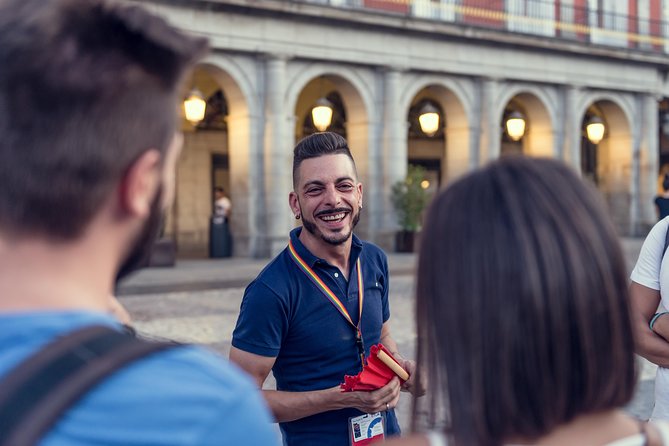
Next comes the chilling theme of autos-de-fe, the terrifying public spectacle the Inquisition turned into a display of power. Even if you only see street-level scenes and not an intact historic event space, the guide will explain how these events functioned like a warning system for the wider public.
This is also where you start connecting Madrid to a larger international reputation. The tour brings in the idea of the Black Legend, and how the Inquisition shaped Spain’s image abroad. That part matters for modern travelers because it helps you interpret what you read in older European writing, where certain narratives about Spain spread widely.
A good guide will keep it grounded. You’re not just hearing horror stories. You’re learning why certain descriptions became popular, how propaganda works, and how fear can become branding.
What you’ll like: You’ll understand the after-effects, how one system of control became a long-running stereotype.
Possible drawback: The word spectacle can make people expect more visual detail. On this tour, the emphasis stays on explanation.
Myth vs truth: witches, covens, and the darkest legends
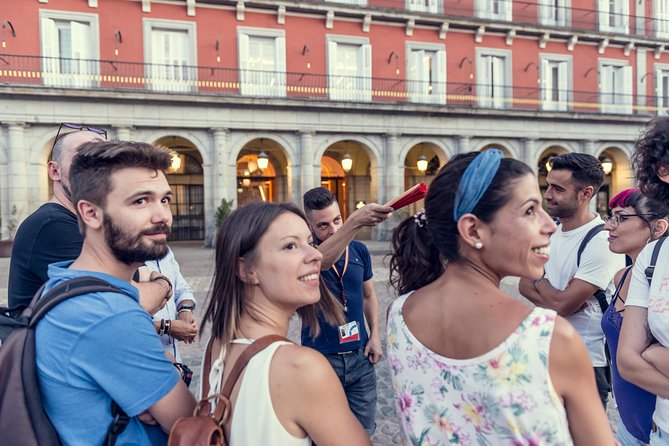
The final story-driven stretch is about separating myth from truth: witch covens, exorcisms, and the darkest legends tied to Madrid. This is where the guide helps you untangle what was claimed, what was repeated, and what became part of folklore.
This stop is useful because it protects you from taking sensational stories at face value. You’ll also learn how rumor can become a tool, especially when authorities already have a reason to suspect and control. Even if you love spooky history, this is the kind of spooky you’ll respect more after you understand the social machinery behind it.
If you’re the type who reads gothic tales and then wonders what’s grounded, this section pays off. Past guides like Alex and Mark have been praised for mixing humor with depth, which can help this heavy topic feel easier to process without turning it into comedy.
What you’ll like: You’ll walk away with sharper instincts for what counts as evidence and what counts as legend.
Possible drawback: If you were hoping for a strictly factual lecture with minimal folklore, you might find this portion leans into stories as part of the context.
How to make the most of the walk (and who should book)
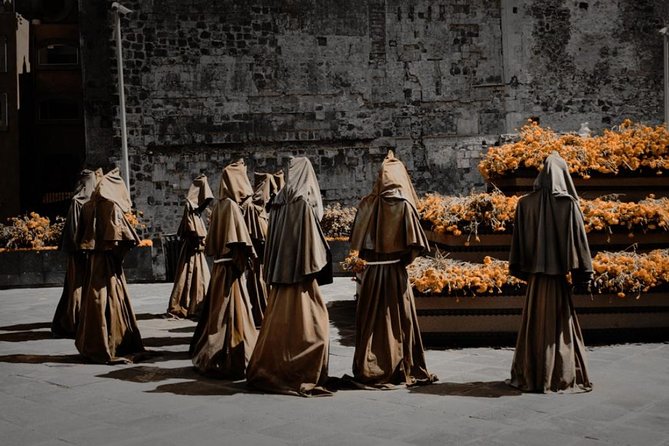
If you want a quick, meaningful way to get your bearings in central Madrid while learning Spain’s darkest institutional chapter, this tour is a strong fit. It’s also a good choice if you like stories tied to real locations rather than dry museum exhibits.
I think it works best for:
- First-timers who want an introduction to Madrid through its historical landmarks like Plaza Mayor
- Travelers who like structured history over wandering on your own
- People who want a guide-led explanation of myths like witchcraft and the mechanics behind public persecution
Bring your own pacing. This is a topic that can feel grim, and the tour moves in short bursts, about 15 minutes per stop. If you need a moment, step aside for a minute, then rejoin. Guides often keep the flow going, but your comfort comes first.
Also, check the people side. The tour is listed as most travelers can participate, and children up to 13 years old join for free. That can make it attractive for families, but it’s still about persecution and fear, so choose what fits your child’s maturity.
Should you book the Madrid Spanish Inquisition walking tour?
I’d book it if you want a high-value, guide-led, outdoor history walk that gives you a clear framework fast. At $31.46, the guide time is the real purchase, and the tour has a standout rating of 4.9 with a very high recommendation rate.
I’d pass or adjust expectations if you want mostly indoor sights, or if you’re expecting lots of preserved buildings directly tied to Inquisition events in Madrid. This is a story walk. The city provides the stage, the guide provides the meaning.
If that sounds like your kind of travel, meet at Plaza Mayor, bring comfortable shoes, and get ready for a history lesson that will follow you long after the last stop.
FAQ
How long is the Spanish Inquisition walking tour in Madrid?
It runs about 2 hours.
Where do I meet, and when does it start?
You meet at Plaza Mayor in Centro, Madrid, Spain, starting at 3:00 pm. The tour ends back at the meeting point.
Is the tour offered in English?
Yes, it is offered in English.
What is included in the price?
The tour includes a local guide. The listed stop admissions are marked as ticket free.
Are children allowed?
Yes. Children up to 13 can join for free, and you may be asked for valid ID for children joining the tour.
Is it easy to cancel for a refund?
Yes, there is free cancellation. You can cancel up to 24 hours in advance for a full refund. If you cancel less than 24 hours before the start time, the amount paid is not refunded.
Latest Madrid reviews into the ledger




Walking Tours, compared.
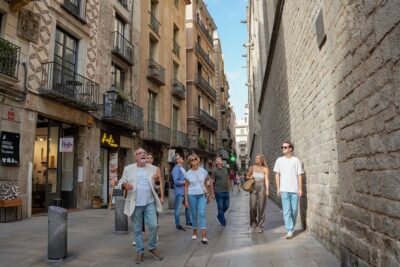
Barcelona Tapas and Wine Experience Small-Group Walking Tour
Read our review →
Tapas Walking Tour with Food, Wine, and History
Read our review →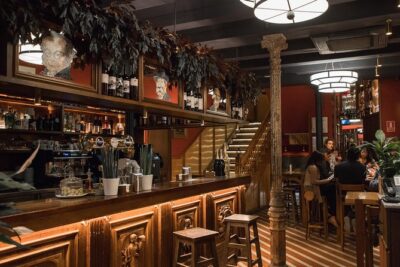
Madrid Tapas & Wine Tasting Walking Tour – Small Group Local Bars
Read our review →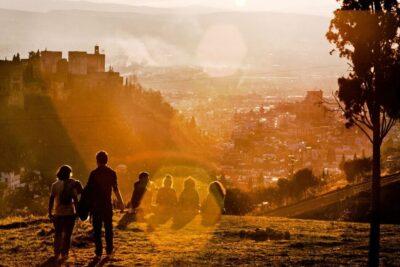
Albaicín and Sacromonte Guided Sunset Walking Tour
Read our review →
Toledo Tour & Vineyard Walk with Wine Tasting from Madrid
Read our review →
Madrid Walking Tour from Puerta del Sol to Retiro Park
Read our review →
Barcelona Tapas Walking Tour: Food, Wine & History
Read our review →Browse the lists this tour appears in