
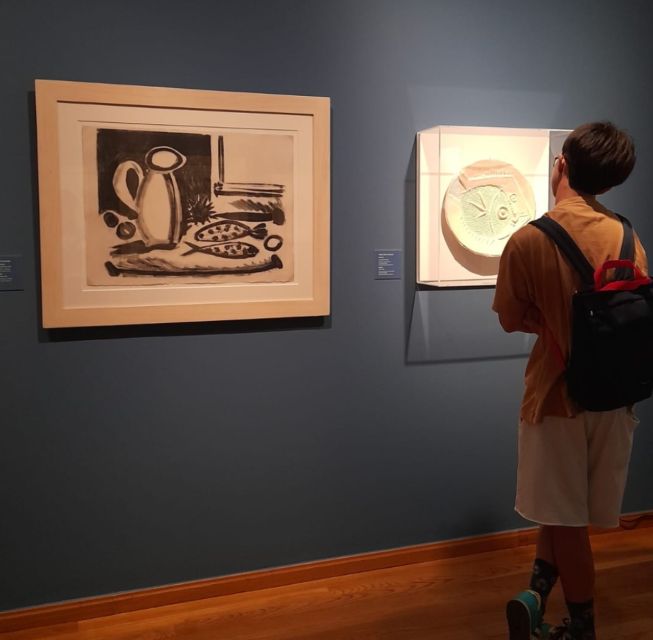
Reviewed · MUSEUMS
Malaga: Picasso’s Birthplace Museum Entrance Ticket
Picasso’s life starts in a real house. This Museo Casa Natal de Picasso ticket is great for seeing both intimate personal items and a clear early timeline, and I especially like the audio guide options in many languages. The only catch is the museum is small, so you may be done in about an hour.
What makes this experience feel different from the big-name Picasso museums is the way it connects the man to Malaga. You get motifs explained in plain language, plus a temporary exhibition that looks at Picasso through other artists and media, and the museum also folds in a serious dose of contemporary art. One thing to consider is that the contemporary section is not what most people expect from a birthplace, so if you only want classic Picasso, you might need to set your expectations.
Before you go, bring headphones for the included audio guide, and plan your timing around last entry, which is 30 minutes before closing. Also note the museum is free every Sunday from 4:00 PM until closure, and it is wheelchair accessible.
In This Review
- Key things to know before you go
- Entering Picasso’s Birthplace House at Plaza de la Merced
- How the 9 Rooms Tell Picasso’s Story With Malaga as the thread
- The small personal objects that make the big genius feel human
- Jose Ruiz Blasco and the early training on view
- Motifs you can spot, doves, bullfighting, nudes, and Mediterranean life
- Temporary exhibition that puts Picasso in conversation with other media
- Contemporary art inside a Picasso birthplace museum
- Audio guide tips, languages, and why headphones matter
- Timing, price value, and pairing with Malaga’s other Picasso stops
- Should you book Picasso’s Birthplace Museum ticket in Malaga?
- FAQ
- What is included with the Picasso’s Birthplace Museum entrance ticket?
- How long should I plan to spend at the Museo Casa Natal de Picasso?
- What languages are available for the audio guide?
- Do I need to bring anything?
- Is the museum wheelchair accessible?
- When is the last entry allowed?
- Is the museum ever free?
- Where is the meeting point?
Key things to know before you go
- A birthplace museum inside 9 rooms that moves at a pace you control
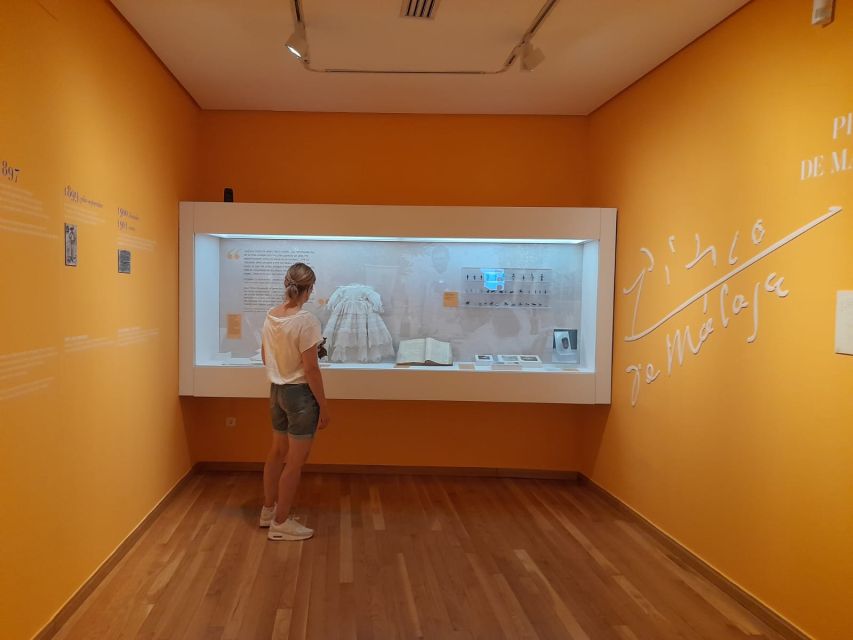
- Personal childhood objects like baby clothing and early walking shoes
- Malaga as the main theme, tied to symbols Picasso repeats later
- A temporary exhibition that shifts Picasso beyond paintings and into modern media
- Over 3,500 contemporary works by more than 200 artists, including major names
- Audio guide in 6 languages, with headphones needed
Entering Picasso’s Birthplace House at Plaza de la Merced
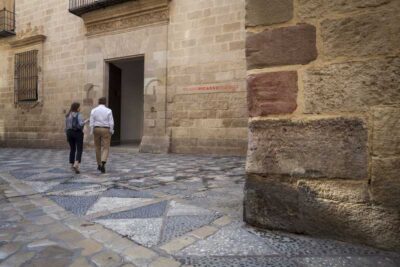
The Museo Casa Natal de Picasso sits right by Plaza de la Merced in Malaga, in the neighborhood that shaped his early world. With this ticket, you are not just looking at framed masterpieces. You’re walking through the house connected to his first years, which immediately changes how the story lands.
You start with the basics: the museum organizes Picasso’s life and work in a way that helps you keep track of time. Even if you are not an art-history person, you can follow the logic. Where Picasso came from, who taught him, and which themes kept returning all get explained with museum labels and an audio guide.
I like that this feels friendly to short visits. At this size, you can actually see the important parts without feeling like you need a full afternoon just to get oriented. If you are balancing other Malaga stops, this one works well as a focused cultural break.
How the 9 Rooms Tell Picasso’s Story With Malaga as the thread
One of the best features here is structure. The museum is laid out across 9 rooms, with the first floor highlighting works by Picasso and by his father, Jose Ruiz Blasco. That early-family context matters because it turns Picasso from a lone genius into someone trained, shaped, and repeated lessons in real rooms with real influences.
As you move through the space, the museum keeps circling back to how Malaga stayed in his art. It’s not vague. You are told what to watch for, and why. You also get a sense of his artistic training and early life, then you start seeing how those beginnings connect to later motifs.
You’ll also notice the museum doesn’t treat Picasso’s career like one long blur. The displays are organized in ways that make chronological sense. That helps you remember what you saw, instead of leaving with only a general feeling of Picasso-ness.
The small personal objects that make the big genius feel human
In a museum about a giant figure, personal items are what make the experience click. Here, you can spot objects from Picasso’s early life, including a baby shirt and the shoes he learned to walk in. Those details sound simple, but they do real work for your understanding.
When you see those kinds of artifacts, it’s easier to accept the idea that Picasso’s later symbols were not random. They grew out of lived experience, family life, and the everyday visual world around him in Malaga.
The museum also includes photographs and portraits that give you a snapshot of family life. It’s the difference between memorizing facts and feeling like you understand the people around Picasso early on.
If you like museums that give you at least a few “wait, that’s really him?” moments, this is one of the better options in Malaga.
Jose Ruiz Blasco and the early training on view
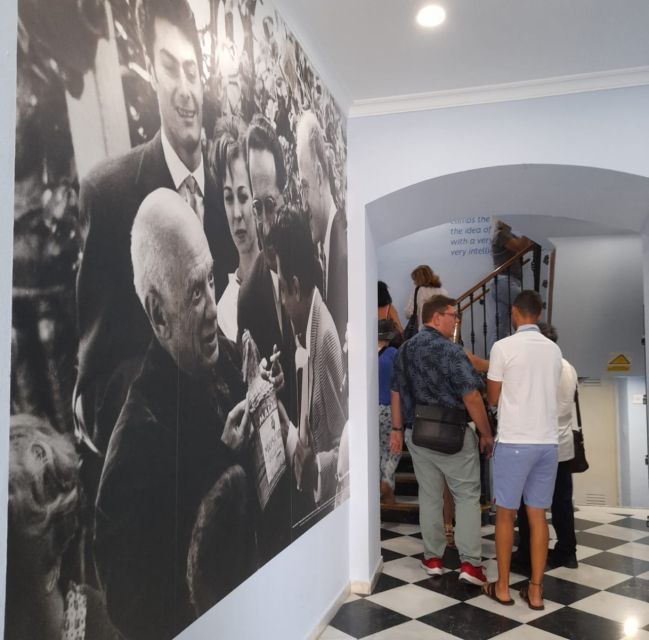
The first floor is where the museum directly expands the story beyond Picasso alone. You see works connected to his father, Jose Ruiz Blasco, along with Picasso’s early materials. This is valuable because it shows the foundation behind the later style.
It also frames artistic training as something that happened in stages. Instead of jumping straight into Picasso’s most famous periods, the museum helps you understand how he learned to draw, how he developed early skills, and how a local artistic environment could shape an artist’s instincts.
If you’ve ever wondered why Picasso’s work feels so constructed, this section gives you clues. The training is part of the narrative, not an afterthought.
Motifs you can spot, doves, bullfighting, nudes, and Mediterranean life
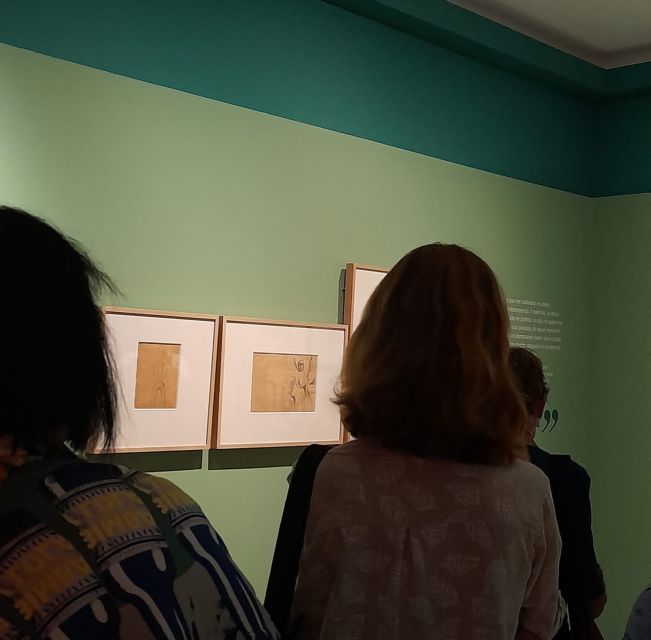
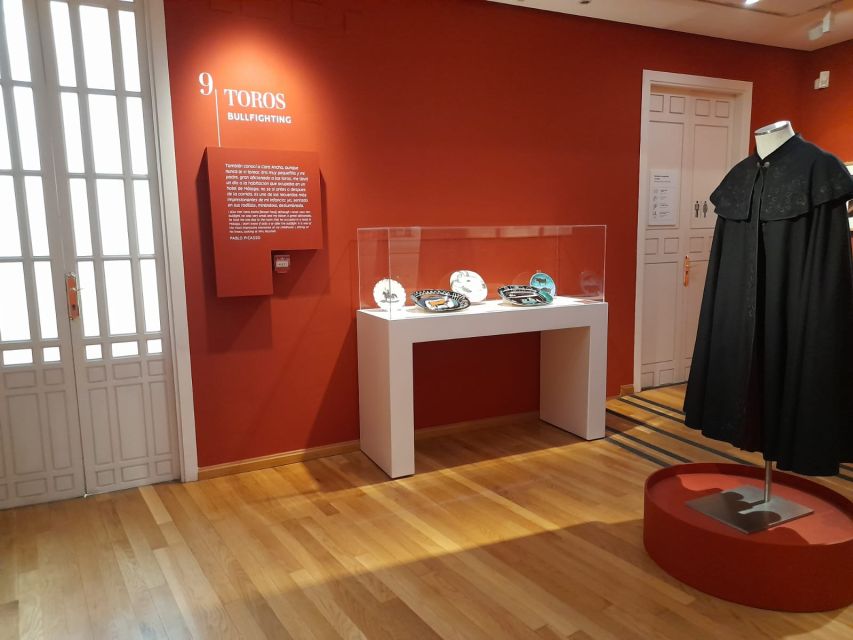
The museum repeatedly points you toward symbolic motifs that show up again and again in Picasso’s art. You’ll get explanations for themes like doves, bullfighting, nudes, and the Mediterranean.
This is exactly the kind of guidance that pays off later. Once you know what the museum wants you to notice, it becomes easier to connect different works you may have seen in other museums. You start seeing patterns instead of isolated paintings.
There’s even a little practical humor in the way the labels translate certain terms. In at least one case, the theme name paloma can be treated like pigeon rather than dove, which makes you smile if you know a bit of Spanish. It’s not a dealbreaker, but it is a reminder to keep an eye on meaning, not just the literal word.
If you want an art visit with helpful signposts, not just objects on walls, this museum delivers.
Temporary exhibition that puts Picasso in conversation with other media
In addition to the permanent exhibits, your ticket includes access to the temporary exhibition. The ticket information for one such show, Picture of Picasso, focuses on Picasso as a presence in other creators and across different media.
That kind of exhibition is smart for modern visitors. Instead of only asking you to admire Picasso’s canvas, it asks you to notice Picasso’s influence in places like books and press, advertising, photography, comics, cinema, television, and even popular music.
The practical value for you is this: you leave with a modern frame for thinking about Picasso. He was not only a painter. He became an icon that other art and entertainment systems remix.
One note: temporary exhibits change by date. The theme listed above is what the ticket info describes, but your actual temporary show depends on when you visit.
Contemporary art inside a Picasso birthplace museum
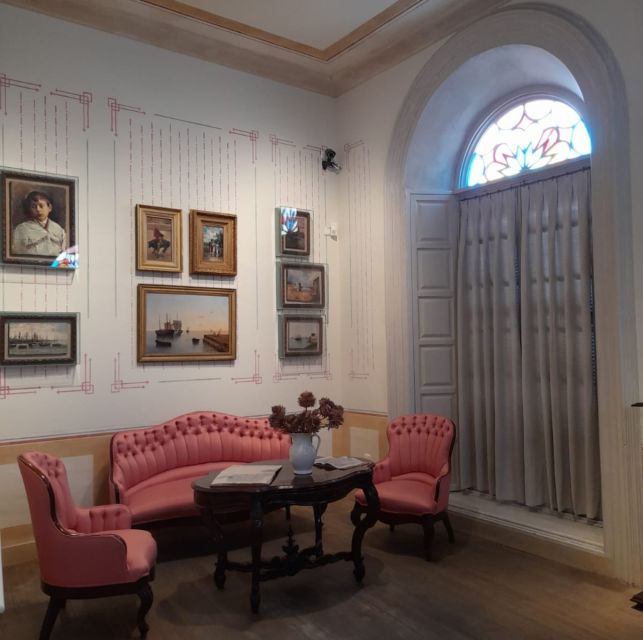
Here’s the curveball in the best way. The museum contains more than 3,500 examples of contemporary art by over 200 other artists. That includes a notable graphic art selection by artists such as Miró, Bacon, Ernst, and Matta.
This is not “random filler.” The museum uses contemporary works to show how Picasso’s influence keeps spreading. And it stretches from the 1950s to artists working up to the present.
If you expected only paintings tied to Picasso’s life, you might feel surprised at first. But if you like museums that connect artists across time, you’ll probably enjoy the way the contemporary collection reframes the birthplace idea. You’re not only walking into Picasso’s past, you’re seeing how his ideas keep moving through later art.
If you are short on time, you can still manage this section. You don’t have to study every piece. Use it like a gallery sampler, focus on the names you recognize, and then return to what you came for.
Audio guide tips, languages, and why headphones matter
This ticket includes an audio guide, which is one of the biggest reasons the visit feels complete. You get guide narration in English, Spanish, French, German, Italian, and Chinese.
Headphones are required, so bring your own. You’ll hear explanations more clearly, and you’ll avoid getting distracted by museum noise. It also lets you move at your own pace, which is ideal in a smaller house museum where crowds can build in pockets.
A practical note: audio delivery quality can vary for different listeners. If the English voice sounds too artificial to you, you might switch to another language if that option is comfortable.
Also, pacing matters. Use the audio guide to hit the rooms that connect motifs to specific works. For example, when you hear explanations tied to doves, bullfighting, or Mediterranean life, your eyes will catch details faster in the display cases.
Timing, price value, and pairing with Malaga’s other Picasso stops
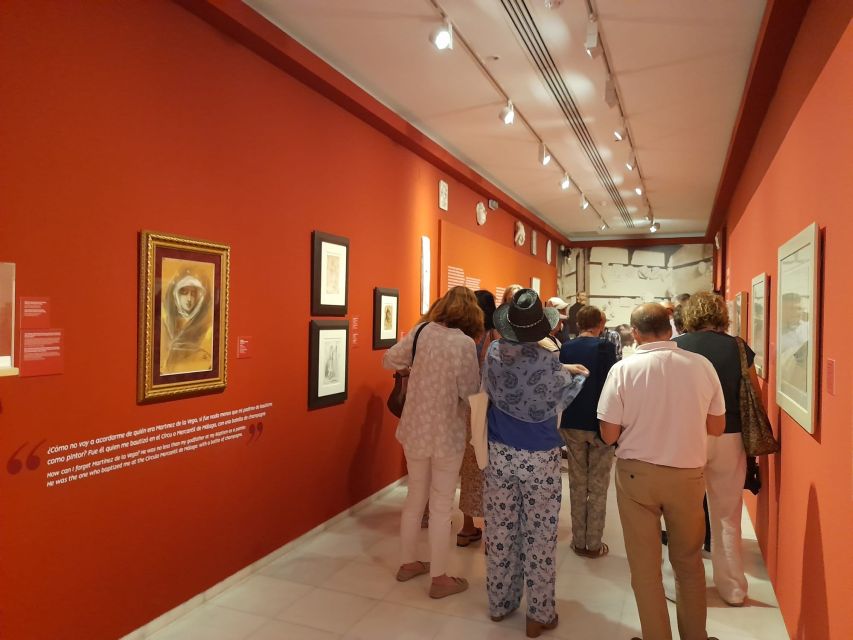
Price is the main reason this is such a smart choice for many visitors. At about $4.71 per person, it offers a lot of museum time and story clarity for a low cost. The experience also includes both the permanent exhibition and the temporary exhibition, plus the audio guide.
That combination is where the value comes from. You’re not paying just for a small house. You’re paying for a structured narrative, personal objects, contemporary art additions, and guided explanations in multiple languages.
In terms of timing, plan for about an hour or less. Because it is a small museum with 9 rooms, it’s easy to fit into a busy Malaga day. If you want the most meaning, don’t rush to finish. Use your time to catch the motif explanations and the early-life objects, then dip into contemporary works only as long as you feel engaged.
When to go matters too. The museum is free every Sunday from 4:00 PM until closure, which can be a real win if you’re building a budget trip. Otherwise, earlier in the day can help you move through rooms without getting stuck behind slowdowns near popular displays.
One last planning tip: if you are also visiting a larger Picasso museum in Malaga, treat this as the context stop. The big collections show style and periods. The birthplace museum helps you understand the influences and symbols that make those styles feel like a continuation, not a random invention.
If your schedule is uncertain, keep one more detail in mind: tickets are non-refundable.
Should you book Picasso’s Birthplace Museum ticket in Malaga?
Book it if you want a low-cost, high-clarity Picasso experience. You’ll get Picasso’s birthplace setting, early family context with Jose Ruiz Blasco, personal artifacts, and motif explanations that help you connect the dots. Add to that a temporary exhibition format that connects Picasso to modern media, plus an unexpected contemporary art collection that keeps the story moving forward.
Skip it or choose a different Picasso-focused museum if you only want classic, large-scale Picasso paintings and you dislike contemporary art installations in the same visit. Also consider the size of the museum. If you want a long, wandering day with lots of content, this one may feel too short.
If you’re doing Malaga in a day or two and you want a memorable cultural stop that won’t hijack your schedule, this is one of the cleanest values in town.
FAQ
What is included with the Picasso’s Birthplace Museum entrance ticket?
Your ticket includes entrance to the permanent exhibition, access to the temporary exhibition, and an audio guide.
How long should I plan to spend at the Museo Casa Natal de Picasso?
This is a smaller museum, and a visit is typically around an hour or less, depending on how closely you listen to the audio guide.
What languages are available for the audio guide?
The audio guide is available in English, Spanish, French, German, Italian, and Chinese.
Do I need to bring anything?
You should bring headphones for the audio guide.
Is the museum wheelchair accessible?
Yes, the museum is wheelchair accessible.
When is the last entry allowed?
Last entry is 30 minutes before closing.
Is the museum ever free?
Yes. The museum is free every Sunday from 4:00 PM until closure, and it is also free for unemployed and disabled persons.
Where is the meeting point?
The meeting point is Museo Casa Natal de Picasso, Plaza de la Merced 15, 29012 Malaga.
Paint & Armour
- Madrid: Prado Museum Entry Ticket★ 4.6 · 20,699 reviews
- Málaga: Museo Picasso Málaga Entry Ticket★ 4.4 · 11,138 reviews
- Barcelona: FC Barcelona Museum “Barça Immersive Tour” Ticket★ 4.4 · 10,944 reviews
- Madrid: Reina Sofía Museum Entrance Ticket★ 4.5 · 8,788 reviews
- Barcelona: Park Güell and Gaudí House Museum Entry Ticket★ 4.5 · 6,326 reviews
Museums, compared.

FC Barcelona Museum “Barça Immersive Tour” Ticket
Read our review →
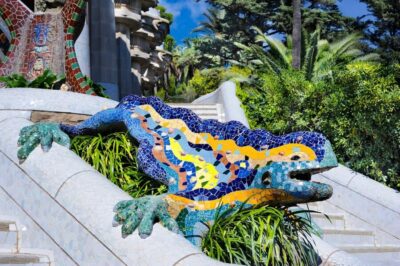
Park Güell and Gaudí House Museum Entry Ticket
Read our review →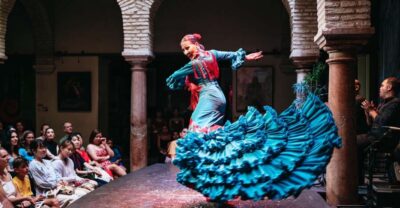
Puro Flamenco Show with Optional Museum Ticket
Read our review →
Moco Museum Barcelona: Modern & Contemporary Art
Read our review →Browse the lists this tour appears in