
Reviewed · THINGS TO DO IN MALAGA
Málaga: Roman Theatre and Alcazaba Guided Tour
Málaga turns Roman in 90 minutes. I love how this tour links the Roman Theater and the Alcazaba into one clear story, told by a professional local guide who makes the centuries feel connected. If you’re dealing with back issues or mobility limits, note the route involves hills and stairs, and it is not suitable for wheelchair users.
The pacing works. You get two major sites, plus time to climb and look out over Málaga, without feeling rushed or swallowed by long museum-style wandering. If you land a guide like Dani, Maria, or Belen, expect lively storytelling, humor, and even photos that help you picture what you’re looking at.
You’ll also come away understanding how the site changed over time, from Roman power through later defenses. A big reason I recommend it is that you don’t just see stone, you hear what it meant and how it evolved, including moments tied to the Siege of Málaga and the Reconquista.
In This Review
- Key things I’d circle before you go
- Meeting at Pirámide de Cristal, then heading uphill with purpose
- Roman Theater of Málaga: the Augustus-era foundation
- Alcazaba of Málaga: walking Spain’s best-preserved fortress
- The hilltop climb: pacing, views, and what to expect on your feet
- Why the guides are the real star: stories, humor, and old photos
- Value and what you actually pay for at $17
- Who this Málaga tour fits best
- Should you book the Málaga Roman Theater and Alcazaba tour?
- FAQ
- Where is the meeting point?
- How long is the tour?
- How much time do you spend at each site?
- What’s included in the price?
- Do you get skip-the-line entry?
- What languages are offered?
- What should I bring and wear?
- Are pets allowed?
- Is the tour suitable for wheelchair users or mobility impairments?
Key things I’d circle before you go
- Roman Theater context: the story starts with the Roman Republic and Augustus-era Málaga
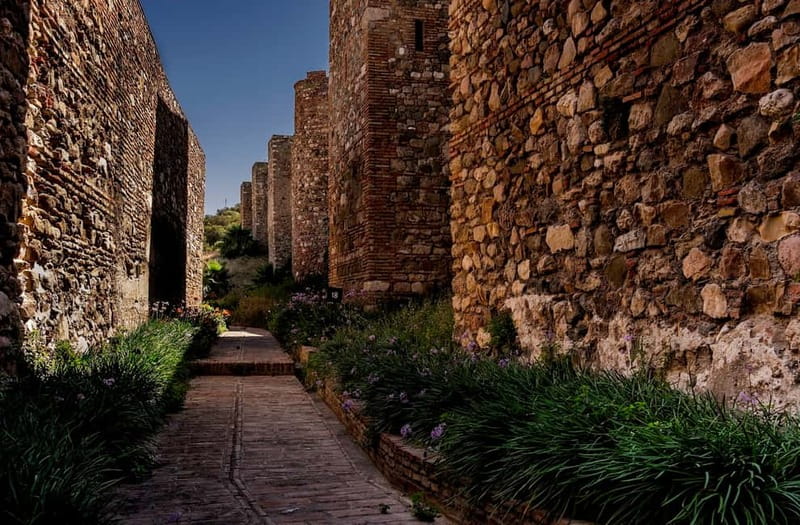
- Spain’s best-preserved Alcazaba feel: you walk through a citadel that still reads like a fortress
- Ramparts and panoramic views: you earn city views from the hill, not just photo angles at the gate
- Puerta del Arco de Cristo and Patio de Armas: key interior spaces you’ll hear about as you pass through
- Gibralfaro connection: learn how the Fortaleza de Gibralfaro helped protect the Alcazaba
- Spanish and English live guides: you’re not stuck with printed info only
Meeting at Pirámide de Cristal, then heading uphill with purpose
This tour meets at the Pirámide de Cristal on Calle Alcazabilla. Look for the orange umbrella, then get set for a short, focused walk that climbs from the cultural core of Málaga toward the hilltop defenses. The start matters because the tour runs on time, and arriving late can mean you miss the visit and lose your refund.
Bring comfortable shoes. This is not the type of tour where you can glide through on sandals, and the citadel areas are on a slope. Also, pets are not allowed, so plan accordingly if you’re traveling with an animal.
One small practical win: the “skip-the-line” setup uses a separate entrance. That means less time waiting around, more time hearing the story while you’re standing in the right spot.
More Things to Do in Malaga
- Malaga: Catamaran Sailing Trip with Sunset Option
★ 4.4 · 8,613 reviews - Málaga: Alcazaba and Roman Theatre Guided Tour With Entry
★ 4.8 · 5,792 reviews - Ronda and Setenil Tour with Free Time and Map from Málaga
★ 4.8 · 5,344 reviews - From Málaga: Caminito del Rey Day Trip & Guided Tour
★ 4.8 · 4,683 reviews
Roman Theater of Málaga: the Augustus-era foundation
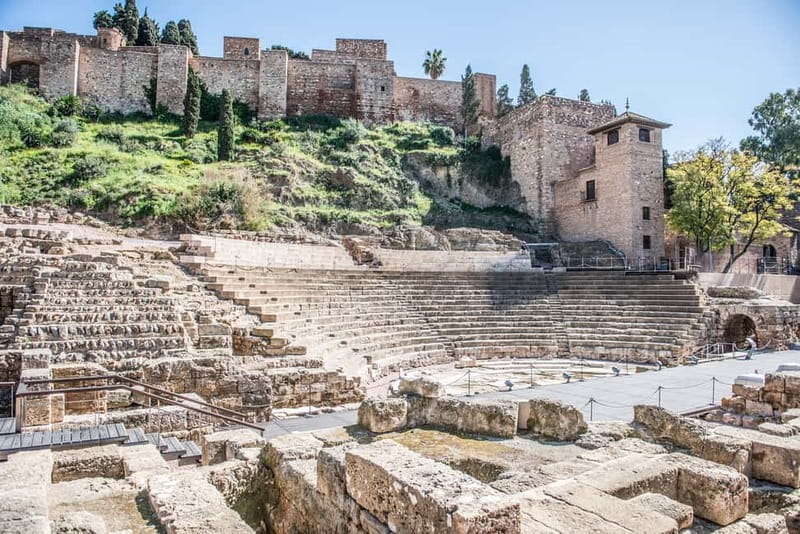
You begin with the Roman Theater (Teatro Romano), a site that sits right at the foot of the Alcazaba and is described as the oldest monument in Málaga. The guide gives you the historical backbone first, so when you look at the ruins, you understand what you’re looking at instead of just admiring shapes.
The key idea here is connection. Málaga wasn’t always the city you see today. In Roman times, it was part of a much bigger political world, and you’ll learn how the era shaped what was built and why. The tour frames this through the Roman Republic and Augustus, often summarized as the first emperor of the Roman Empire (from 27 BC to AD 14). That timeline matters because it helps you place the theater not as a random ancient stop, but as a piece of early imperial power.
Then you’ll hear what the building was used for and how it evolved over time. The tour links those changes to later turning points, including conflict after the Roman period. Even if you’re not a full-on archaeology nerd, you’ll appreciate the logic: ancient cities rarely stay frozen. They get reused, repurposed, and defended as the world around them changes.
The biggest upside of this Roman stop is that it sets your mental map for the hill above it. By the time you move to the Alcazaba, you understand why Romans built where they built, and why later defenders wanted the high ground.
Alcazaba of Málaga: walking Spain’s best-preserved fortress
Next comes the Alcazaba of Málaga, described as the best-preserved in Spain. That’s a strong claim, but the layout makes it feel true once you’re inside. This isn’t just a view platform. It’s a functioning-feeling citadel where you move through spaces that tell you how defense and daily life were organized.
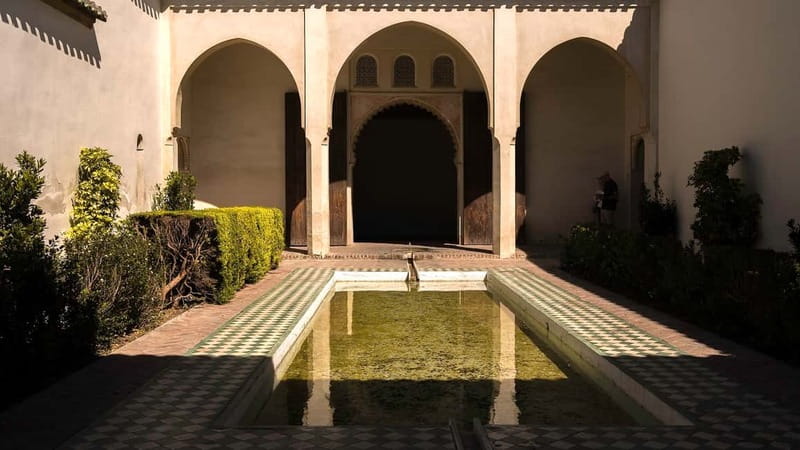
The tour includes entry to the historic citadel and a route that goes deeper than the first courtyard. You’ll learn what you’re seeing as you pass important points, including the climb up toward the ramparts. There’s also time at signature spaces like the Patio de Armas, where the architecture and arches do more than look pretty. Your guide ties them back to purpose, including what the Alcazaba was built to protect.
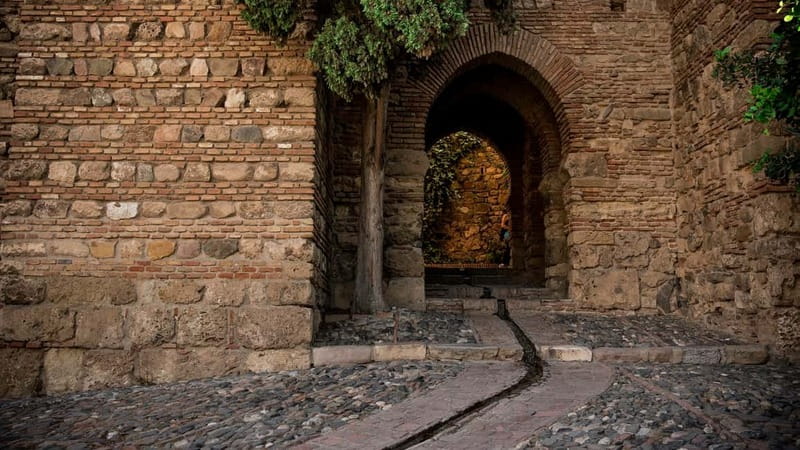
One highlight built into the walk is crossing the Puerta del Arco de Cristo, described as a former chapel site. That detail adds texture. It’s a reminder that religion, architecture, and power often share the same walls. When you hear that story while you’re standing in the doorway area, it clicks in a way you probably won’t get from a quick self-guided pass.
And then comes the story hook that makes many people stay engaged: the tour connects the site to the 15th-century Siege of Málaga during the Reconquista and what came after. Even though you’re surrounded by stone, the guide uses those moments to explain how a defensive system can shift roles across eras. You end up understanding the Alcazaba not as one moment in time, but as a fortress that kept adapting.
If you like big-city views, you’re in the right place. From the top of the hill, you get panoramic sightlines across Málaga. You also learn how the nearby Fortaleza de Gibralfaro (built in the 14th century) helped protect the Alcazaba by housing troops and adding another layer of defense. The result is a fortress-to-fortress picture, not a single-site snapshot.
The hilltop climb: pacing, views, and what to expect on your feet
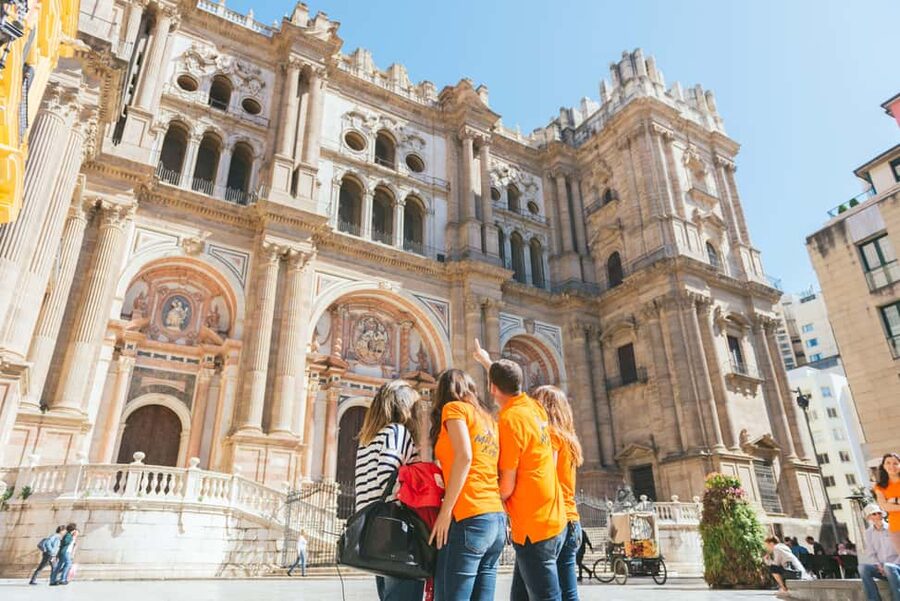
The tour lasts 90 minutes, with about 40 minutes at each site. That timing matters because the Alcazaba is on a slope and the best views come from the upper ramparts. You’ll be walking, and you’ll be climbing, but the route is designed to keep you moving and focused, not stuck in one spot.
Here’s the practical truth: this is not an accessibility-friendly experience. The activity is not suitable for wheelchair users, and it’s listed as not suitable for people with mobility impairments or back problems. Even if you’re generally fit, treat it as a “walk with elevation” tour, not a flat stroll.
At the same time, it isn’t an endless stair grind. Some people find the internal movement gradual compared with other hilltop fortresses, and the key is taking it at your pace. If you’re traveling with someone who gets tired easily, wear supportive shoes and plan on slow, steady steps.
You’ll know it’s worth it once you get your panoramic moment. The views are not just scenery for a photo. Your guide uses them to put the fortifications into context, so you can see how the hilltop made defense easier and routes more strategic.
A few more Malaga verdicts worth reading
- From Malaga: Ronda and Setenil Guided Tour Day Trip★ 4.5 · 3,072 reviews
- Malaga Wine & Tapas Small Group Guided Tour★ 5.0 · 1,972 reviews
- Alcazaba Malaga Guided Tour★ 5.0 · 1,457 reviews
Why the guides are the real star: stories, humor, and old photos
This tour earns its high marks for one reason: the guide. The history lands best when it sounds like a person telling you a story, not a script reading dates. The descriptions in the reviews you provided point again and again to guides who are funny, engaging, and willing to answer questions.
Names that come up include Dani, Maria, Belen, Natalia, Fabiola, Kevin, Keko, and Lordes, plus Daniel in a few bookings. Since you can’t pick the guide in advance unless the operator lists options, the safest way to say it is this: the guides assigned to this experience seem to do two things well.
First, they bring visuals into it. Multiple accounts mention guides using photos of how the castle looked in the past. That’s a smart approach at this site, because ruins can be hard to “complete in your head.” Photos help you bridge the gap between modern fragments and the full structure.
Second, they keep it interactive. You’ll get chances to ask questions and clarify details as you move through the Roman and Moorish layers. One review also highlighted a guide’s emphasis on not touching original artifacts, which is the right tone inside protected archaeological areas.
If you want history that feels like a living timeline, this is exactly the format that works. The best guides here explain why things look the way they do, and then they connect it to the big events that shaped Málaga.
Value and what you actually pay for at $17
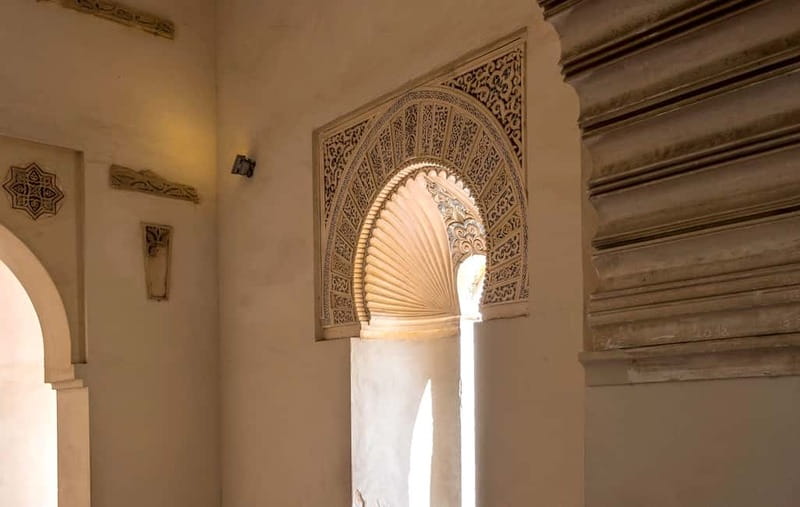
At around $17 per person, this tour is priced like a budget-friendly guided experience, but it includes real value. You’re paying for:
- a guided walking tour
- entrance to both the Alcazaba and the Roman Theater
- skip-the-line entry via a separate entrance
- a live guide in Spanish or English
- a solid time block of about 90 minutes
That combination matters. Many times, guided tours are expensive because they include only guidance, while entrance fees you still have to pay separately. Here, the entrance component is part of the deal, and the separate entrance saves time you can spend listening rather than waiting.
The one value trade-off is also honest: if you already love architecture and self-guided reading, you might feel you could cobble together something cheaper on your own. But if you want context, timing, and meaningful interpretation while you’re standing in the exact spot where the story happened, this price looks fair.
Who this Málaga tour fits best

I’d book this if you:
- want a first-time-friendly way to connect Roman and Moorish Málaga
- like guided explanations that include humor and visuals
- want a short, high-impact route that ends with hilltop panoramas
- can handle walking on uneven stone and climbing up to ramparts
I’d skip (or choose a different format) if you:
- need wheelchair access or have mobility impairments
- have back problems that make stairs and slopes difficult
- want a purely relaxed, no-moving tour
Families can sometimes manage it, especially because the interior movement can feel gradual, but the official suitability notes still matter. If you’re unsure, think about your comfort on a steep historic hill and plan honestly.
Should you book the Málaga Roman Theater and Alcazaba tour?
Yes, I’d book it if you want the best return on a short visit. The combination of Roman Theater context plus a guided walk through the Alcazaba gives you a timeline you can actually hold in your head. And the ramparts and views make it feel like more than just ruins and explanations.
I’d think twice if you need step-free access. This is a hilltop experience, and the site is not listed as suitable for wheelchair users or people with mobility impairments.
If you go, do it with one simple goal: listen for how the layers connect. When you do, the stones stop being just ancient leftovers and start feeling like a story Málaga has been telling for centuries.
FAQ
Where is the meeting point?
You meet at Calle Alcazabilla, at the glass pyramid (Pirámide de Cristal). Look for the orange umbrella.
How long is the tour?
The total duration is 90 minutes.
How much time do you spend at each site?
You spend about 40 minutes at the Roman Theater and 40 minutes at the Alcazaba.
What’s included in the price?
The tour includes a guided walking tour and entrance to the Alcazaba and Roman Theater.
Do you get skip-the-line entry?
Yes. There is skip-the-line access through a separate entrance.
What languages are offered?
The live guide is available in Spanish and English.
What should I bring and wear?
Wear comfortable shoes.
Are pets allowed?
No, pets are not allowed.
Is the tour suitable for wheelchair users or mobility impairments?
No. It is not suitable for wheelchair users, and it is also not suitable for people with back problems or mobility impairments.
Latest Malaga reviews into the ledger




Things to Do in Malaga, compared.

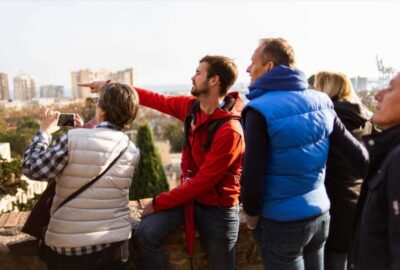
Alcazaba and Roman Theatre Guided Tour With Entry
Read our review →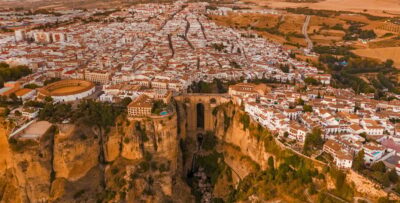
Ronda and Setenil Tour with Free Time and Map from Málaga
Read our review →

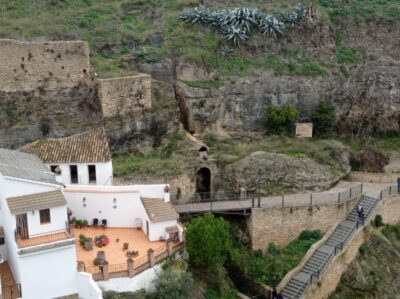
Ronda+Setenil de las Bodegas with Little Train
Read our review →

Browse the lists this tour appears in