
Reviewed · SCUBA DIVING
Mallorca: Discover Scuba Diving for Beginners
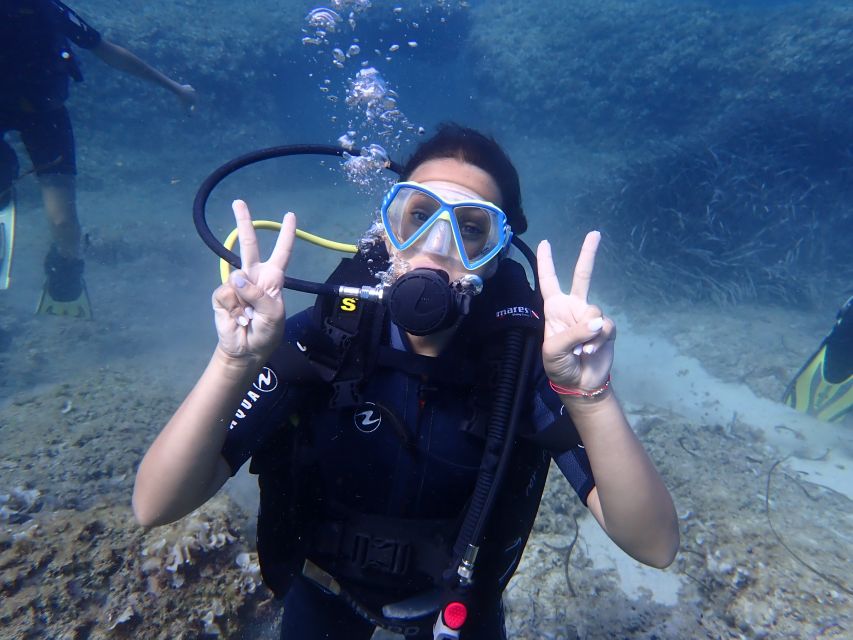
Your first time underwater, made calm. In Mallorca, this beginner scuba training pairs a protected marine reserve with tight group control and real, practical coaching. I like the setup: max 6 people and two certified PADI instructors means you are not just watching from the sidelines, you are actually working through the skills. The other big plus is the training format, slow practice in shallow, calm water before your guided in-water session to a maximum of 6 meters. One thing to consider: you will carry and wear full scuba gear, and that part can feel bulky and tiring on foot, depending on where you park and how the entry area is set up.
You meet your group, get your kit, learn the safety basics, then practice the key moves you need to feel in control: breathing underwater, equalizing your ears, clearing your mask, and using hand signals. I also like that the experience is built around comfort, not speed, so you do the exercises at your pace, and you only continue when you are ready. The main drawback is that it is not for everyone health-wise: if you are pregnant, have certain heart or respiratory issues, or do not pass the required medical questionnaire steps, you may be turned away on the day.
This is one of those activities where good supervision really matters. Instructors with names like Robert, Bruno, Koen, Raul, Liam, Thorsten, Andrea, Marvin, Levi, and Uriel show up often in feedback, and the consistent theme is patient, step-by-step attention. If you want a first scuba experience that is structured, safety-first, and still fun, this fits the bill. If you hate being in the water, or you are uncomfortable with basic physical activity, you might find it stressful rather than relaxing.
In This Review
- Quick takeaways before you go
- Mallorca is a smart choice for beginner scuba training
- What happens, minute by minute (the flow of your 3.5 hours)
- Meeting up, then heading to the shore entry site
- Equipment fitting and the safety briefing
- Shallow-water practice in calm water
- Your guided in-water session to a max depth of 6 meters
- Certificate at the end
- Two PADI instructors in a max-6 group: why that matters
- Skills you will practice, and how to prepare mentally
- Breathing underwater
- Equalizing your ears
- Clearing your mask
- Hand signals and communication
- The protected reserve and what you’ll likely see
- Transport and shore entry: smooth for most, work for your arms
- Price in real terms: is $176 a good deal?
- Who should book this first-time scuba experience
- Practical checklist: what to bring and what to avoid
- Should you book this Mallorca beginner program?
- FAQ
- How long is the Mallorca beginner scuba program?
- Do I need any scuba experience before I go?
- What is the maximum depth during the in-water portion?
- Is equipment provided, or do I need to bring my own?
- Are instructors with you in the water?
- What do I need to bring with me?
- What are the age requirements?
- Do I need to complete a medical questionnaire?
- Can pregnant people participate?
Quick takeaways before you go
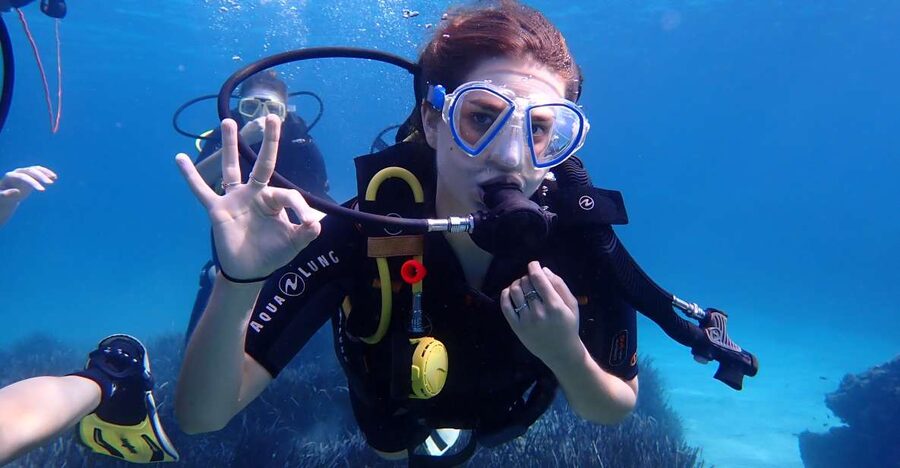
- Small group size (max 6) with two PADI instructors, so you get frequent check-ins.
- Shallow-water skill practice before the main underwater portion, to build confidence.
- Protected marine reserve setting, with a controlled plan capped at 6 meters.
- Shore entry via comfortable steps, so you are not dealing with boat jumps.
- PADI certificate included, plus full equipment and transport in an air-conditioned minivan.
Mallorca is a smart choice for beginner scuba training
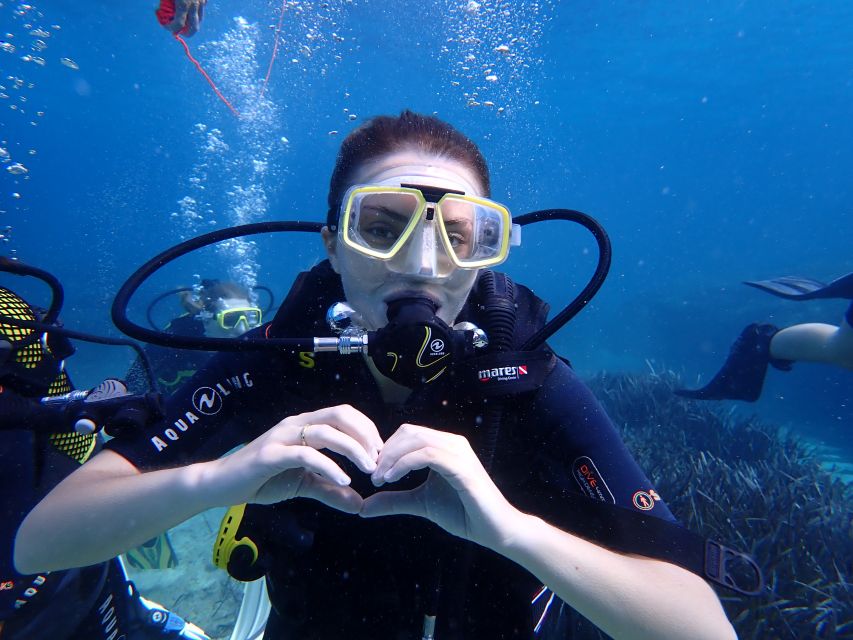
Mallorca is a reliable place to try scuba instruction because you can keep things simple. You are not pushed into cold, deep water or fast currents. Here, the plan is built around a protected marine reserve and calm, shallow practice first, then a controlled underwater session later.
I especially like that the experience is designed for people with zero prior experience. That matters because a first scuba session is mostly about basic body control and comfort. If you can breathe steadily, clear your mask, and handle equalizing your ears, everything else gets easier.
Also, you get real scenery rather than a plastic pool vibe. The in-water time is short by design, but you still get to see marine life in a setting that is meant to protect it. Just know that underwater visibility and the number of fish can vary. Some people come away with lots of wildlife sightings, and others report a calmer fish scene. Either way, the goal is your comfort and competence, not collecting a greatest-hits list of species.
A few more Mallorca verdicts worth reading
- Tenerife: Your First Scuba Diving Experience in Turtle Area
★ 4.7 · 1,679 reviews - Barcelona: PADI Discover Scuba Diving
★ 4.7 · 1,016 reviews - Scuba Diving Experience for Beginners in Gran Canaria
★ 5.0 · 561 reviews - Tenerife First Time Scuba Dive – Turtle Habitat, Small Groups
★ 4.5 · 456 reviews
What happens, minute by minute (the flow of your 3.5 hours)
This is a 3.5-hour experience, and it moves with a beginner-friendly rhythm. You do not spend hours waiting around in full gear. The event is long enough to teach, practice, and complete the main underwater portion, but short enough to keep the day feeling manageable.
Here is the typical flow you should expect:
Meeting up, then heading to the shore entry site
Your pickup depends on where you are staying.
- If you are coming from the Playa de Palma area on foot, you go to the ticket shop at Carretera de l’Arenal, 48, Platja de Palma, 07600 El Arenal. Be there 30 minutes before the start time.
- If you are arriving by car, you go directly to the operator’s site at Ctra. Cabo Blanco, Km 11, 07609 Cabo Regana. Parking is better if you park outside the barrier.
Why this matters: the van leaves early, and the operator’s schedule is tight. If you are late, you can miss the start. Build in extra buffer time, especially if you are walking in with gear later.
Once you meet up, you ride in an air-conditioned minivan to a nearby protected nature reserve area where the plan happens.
Equipment fitting and the safety briefing
Scuba equipment is provided, and you will use the full kit supplied by the operator. Before you get in the water, your certified PADI instructor explains the essentials: equipment use, breathing techniques, safety procedures, and underwater communication.
This is where you should lean in and ask questions. If something feels confusing on land, it will feel ten times worse underwater. I like that the instructors go step-by-step, and they expect beginners to take a moment to learn the logic.
Mallorca, continued down the scoresheet:
- Palma: Cathedral of Mallorca Skip-the-Line Entry Ticket★ 4.6 · 14,386 reviews
- Palma de Mallorca: 5-Hour Catamaran Cruise with Lunch & Swim★ 4.5 · 9,957 reviews
- Porto Cristo: Caves of Hams Entry Ticket★ 4.2 · 6,548 reviews
Shallow-water practice in calm water
The training happens first in shallow, calm water. This is where you build muscle memory for the basics:
- breathing underwater
- equalizing your ears
- clearing your mask
- communicating with hand signals
The big win here is pacing. You practice slowly, and you continue only when you feel comfortable. That approach is not just for nerves. It is also practical, because the better you are with the basics, the smoother the deeper part feels.
Your guided in-water session to a max depth of 6 meters
After you are comfortable with the skills, you do your guided underwater portion in a protected area. The plan is capped at 6 meters, which keeps it beginner-safe and manageable.
From feedback patterns, you may spend roughly 30 to 45 minutes underwater, with part of that time going to skills and part to exploring the area with your instructor. The underwater portion is not meant to exhaust you. It is meant to make you feel like you can breathe, move, and enjoy the view.
Also, expect constant supervision. The instructors stay close and keep checking that everything is going smoothly.
Certificate at the end
If you complete the session successfully, you receive an official PADI Discover Scuba certificate (included). This can also count toward the next step if you decide to continue into the PADI Open Water Diver course.
For many first-timers, the certificate is a big part of why this is worth it. It is a real milestone, not just a one-off experience.
Two PADI instructors in a max-6 group: why that matters
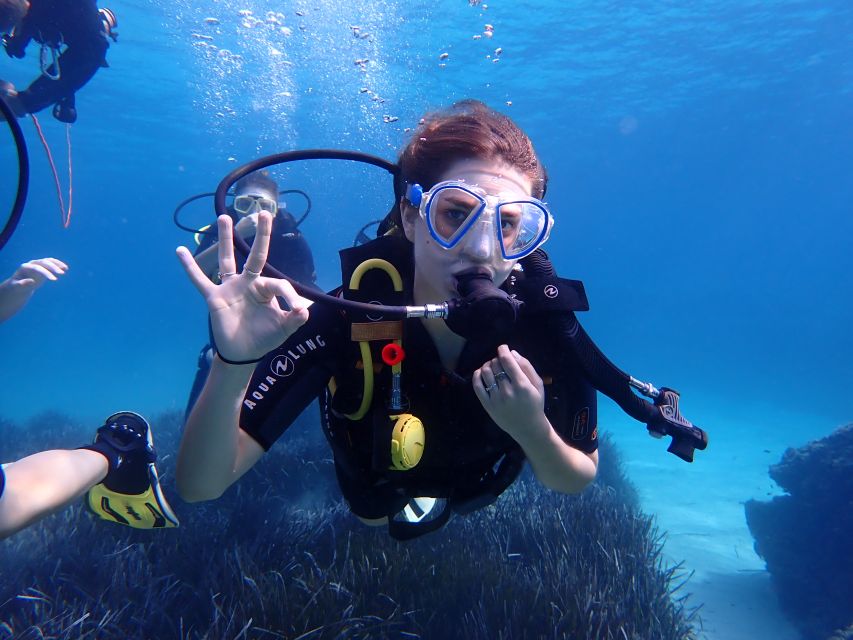
Small groups are not just a nice touch here. They are the whole point.
With max 6 participants and two certified PADI instructors, you get:
- more individualized coaching
- closer monitoring during breathing and equalizing
- quicker help if you get anxious or confused
This is also why nervous beginners often feel better. When you are paired with attentive instructors, you can focus on one task at a time instead of trying to copy what everyone else is doing.
Feedback also points to a specific teaching style: detailed explanation, repeated checks, and patience for slower learners. If you tend to overthink, this format helps because you get reassurance while you practice, not after problems happen.
One more practical angle: small groups make the logistics work. Equipment handling, gearing up, and staying together during the transfer and entry are easier when the group is limited.
Skills you will practice, and how to prepare mentally
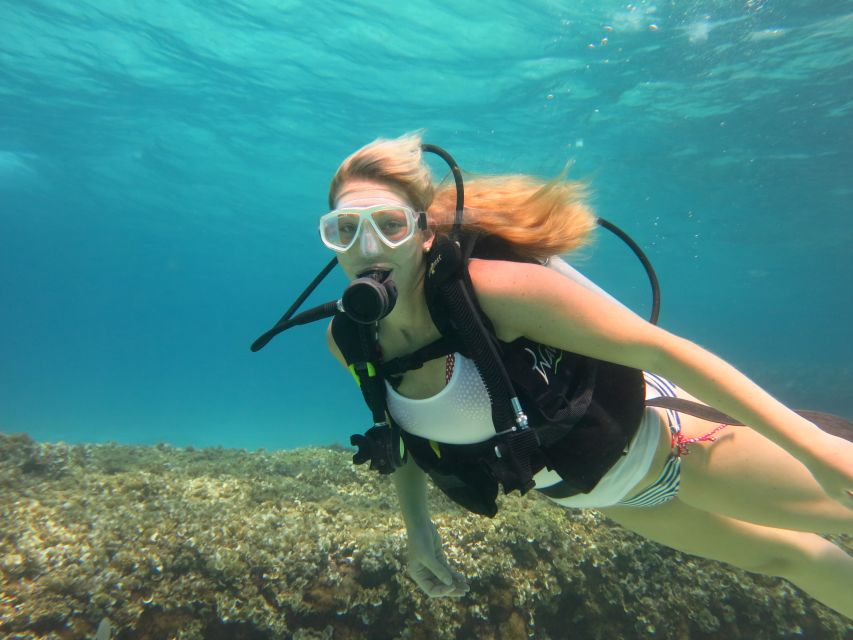
This experience is built around skills that directly affect comfort underwater. So when you practice breathing, mask clearing, ear equalizing, and hand signals, you are not doing random drills. You are learning the controls that prevent panic.
Here is what to remember as you head into the water:
Breathing underwater
Your instructor will coach you on breathing techniques. Your job is simple: slow down your breathing pattern and trust the regulator setup. If you start rushing, your body tends to tighten, and then everything feels harder.
A helpful mindset: treat each breath like a calm reset.
Equalizing your ears
Equalizing can be the most personal challenge on day one. If you have never done it, you might feel pressure and wonder if something is wrong. The instructors teach you what to do and you practice until it feels manageable.
If equalizing is uncomfortable, tell your instructor right away. Don’t push through silence.
Clearing your mask
Mask clearing is about routine. You learn what to do when water gets in, and how to get your vision back. Doing this in shallow water first is smart because you can master it without losing confidence.
I recommend you mentally rehearse the sequence on land, then copy it slowly.
Hand signals and communication
You practice underwater communication using hand signals. This removes guessing. When you know how you can communicate needs like stop, slow, okay, or questions, your brain stays calmer.
If you want an easier time, watch the signals once, then repeat them during practice. Muscle memory helps a lot.
The protected reserve and what you’ll likely see
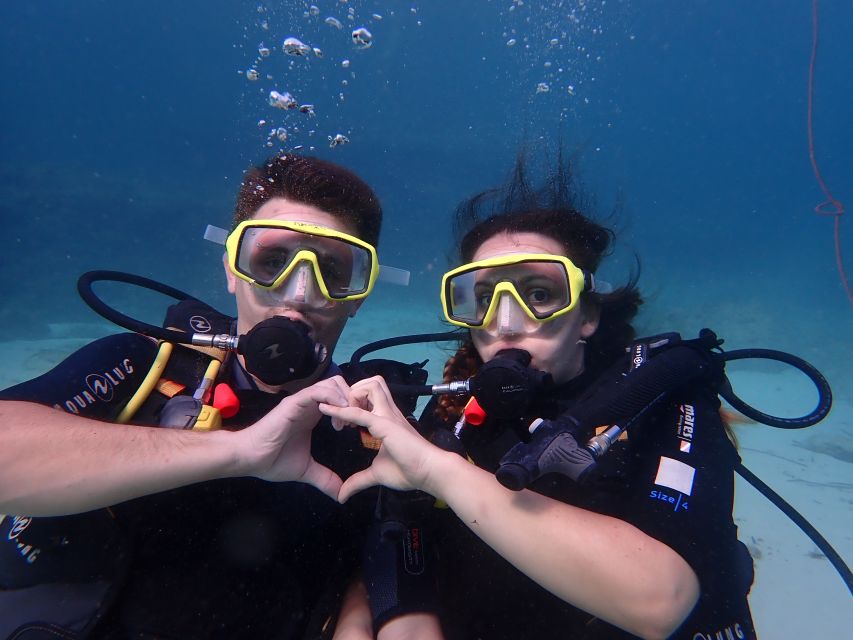
Your main underwater portion happens inside a protected marine reserve along Mallorca’s coastline, with a controlled plan and maximum depth of 6 meters.
What you should look forward to:
- good beginner conditions (calm, shallow start)
- marine life in a protected area
- a clear sense of what is happening, because the instructors manage the pace
In feedback, people often describe the place as beautiful and suitable for beginners, with some mention of caves and cool underwater features. Still, wildlife is never guaranteed. One person might have a fish-filled session, while another has fewer sightings.
That is okay. Your first goal is to feel safe, comfortable, and in control. Fish sightings are the bonus, not the grade.
Transport and shore entry: smooth for most, work for your arms
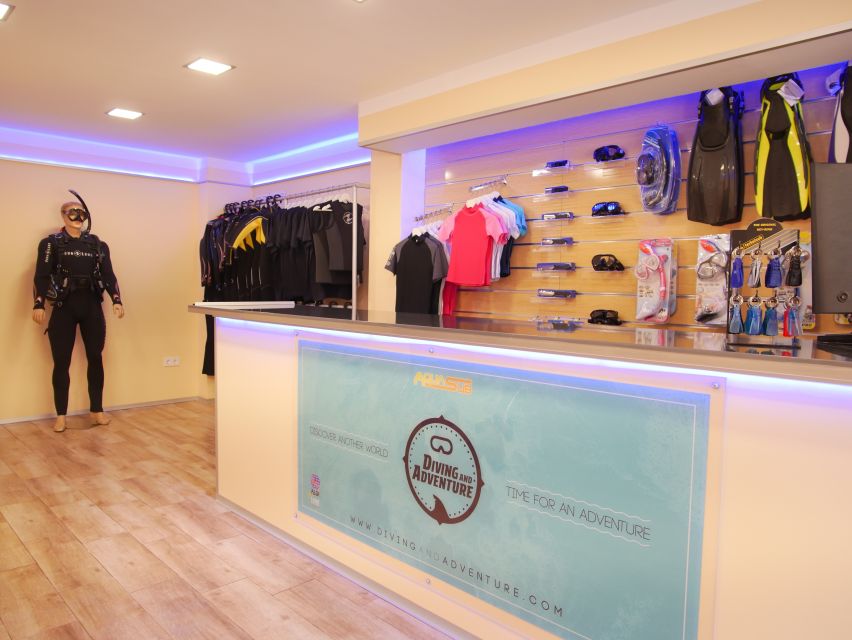
You ride in an air-conditioned minivan to the site, which is a real comfort upgrade compared to long, hot transfers.
Then comes the part people underestimate: moving with heavy gear. Your entry is from shore via comfortable steps, and that is great because you are not doing boat procedures. But you may still need to walk and carry equipment a short distance, and some folks find that part tiring.
My advice: wear grippy footwear and keep your body relaxed while hauling the kit. If you rush, you will waste energy before you even get wet. Also bring a towel and a change of clothes, because you will want to dry off quickly afterward.
Price in real terms: is $176 a good deal?
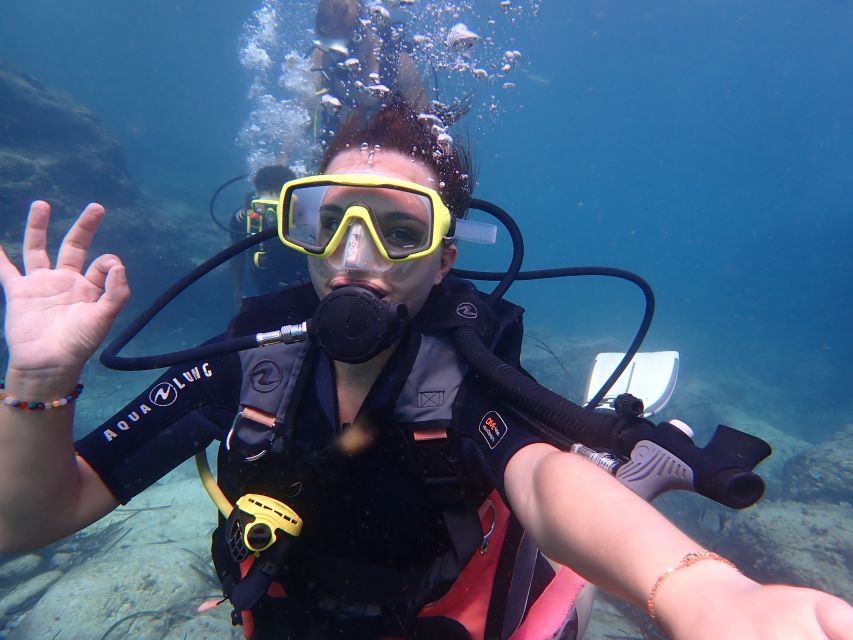
At $176 per person for about 3.5 hours, the value comes from what is included, not just the activity itself.
Here’s what you get for that price:
- full scuba equipment
- two certified PADI instructors in the water
- small group experience (max 6)
- air-conditioned minivan transport
- entry fee for the protected marine reserve
- diving insurance during the activity
- official PADI Discover Scuba certificate
That is a lot bundled together. For first-timers, equipment rental and instruction time can otherwise add up fast. Here, you avoid the typical gaps like renting the wrong gear or trying to figure out safety details with someone less certified.
What is not included: photos. In past experiences, people have mentioned a photo add-on around 10 euros, but your best move is to ask on the day if you want that option.
So if your goal is a guided, beginner-safe first underwater session with a real certificate, $176 looks like fair value. If you already have equipment and want to go purely for wildlife with no instruction, you might find other options cheaper. But that is not what this experience is designed to do.
Who should book this first-time scuba experience
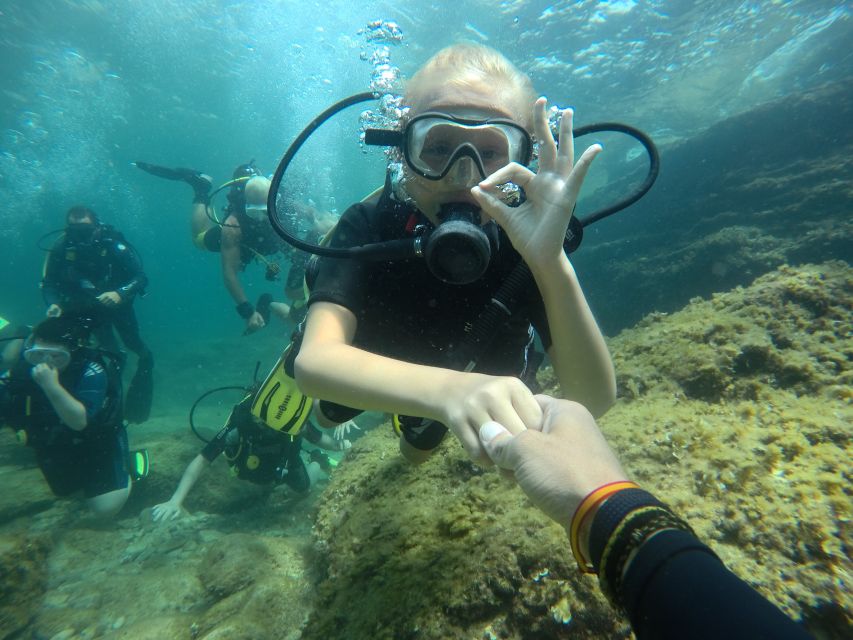
This program fits best if you:
- are truly new to scuba and want structured training
- want a calm plan with shallow-water practice first
- want a small group and close instructor support
- want an official PADI certificate included
It may be a poor fit if you:
- are pregnant (not allowed)
- have mobility impairments (not suitable)
- have heart problems or respiratory issues (not suitable)
- are under 10 years old (minimum age is 10)
- are younger than 18 without a legal guardian signature
Also, you must complete the required PADI Medical Questionnaire. If your answers require medical clearance and you cannot present it on the day, participation is not possible and you do not get a refund.
That sounds strict, and it is. But it is also how safety stays real.
Practical checklist: what to bring and what to avoid
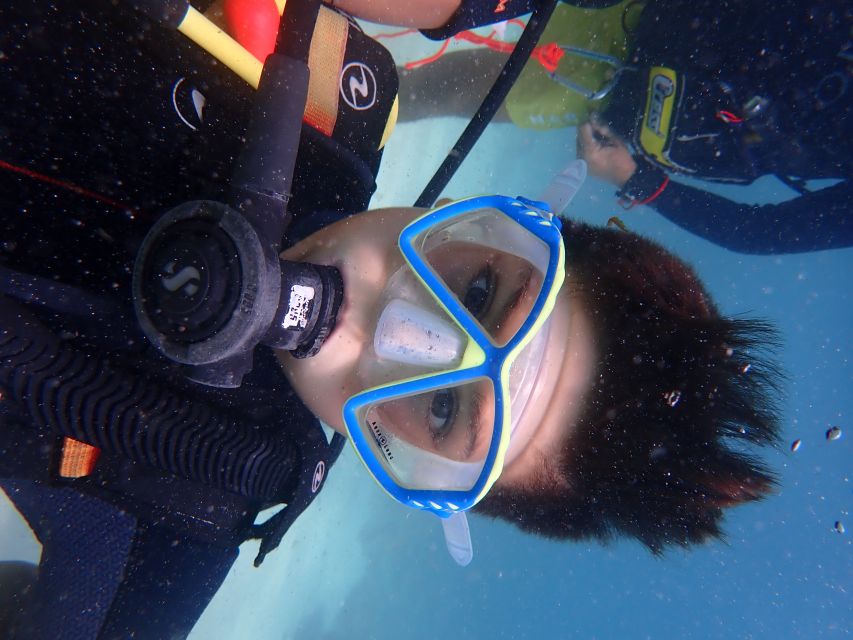
To keep your session smooth, pack smart.
Bring:
- passport
- swimwear
- change of clothes
- towel
- something to drink
Not allowed:
- alcohol and drugs
Two timing notes to remember:
- If you are flying, you must complete the activity at least 12 hours before your flight.
- If you are under the age requirements, make sure you follow the rules for adults accompanying younger divers and guardian signatures for minors.
Also, complete the medical questionnaire ahead of time. Waiting until the last minute can cost you your spot.
Should you book this Mallorca beginner program?
Yes, if you want your first scuba experience to feel controlled and coached, and you value small groups with strong safety attention. The shallow-water skills practice, the max 6 group size, and the two certified PADI instructors setup are the reasons this feels beginner-friendly instead of risky.
I would not book it if you know you cannot pass the medical questionnaire steps, you are pregnant, or you have health conditions that make you unsuitable for underwater activity. In those cases, skipping is the smart move.
If you do book it, go in expecting short but meaningful water time, plan for heavy gear on land, and treat the instruction as the main event. The marine reserve scenery is the payoff, but the real win is leaving with a certificate and skills you can build on.
FAQ
How long is the Mallorca beginner scuba program?
The experience lasts about 3.5 hours.
Do I need any scuba experience before I go?
No. The program is designed for complete beginners, with training in calm, shallow water.
What is the maximum depth during the in-water portion?
The guided underwater session is capped at a maximum depth of 6 meters.
Is equipment provided, or do I need to bring my own?
Full scuba equipment is included.
Are instructors with you in the water?
Yes. You have two certified PADI instructors in the water, and the group is limited to a maximum of 6 participants.
What do I need to bring with me?
Bring your passport, swimwear, a change of clothes, a towel, and something to drink.
What are the age requirements?
The minimum age is 10. Participants under 14 must dive with an adult, and participants under 18 require a legal guardian’s signature.
Do I need to complete a medical questionnaire?
Yes. You must complete the official PADI Medical Questionnaire. Depending on your answers, you may need medical clearance from a doctor in advance.
Can pregnant people participate?
No. Pregnancy excludes participation.
Latest Mallorca reviews into the ledger



Scuba Diving, compared.
Your First Scuba Diving Experience in Turtle Area
Read our review →
Scuba Diving Experience for Beginners in Gran Canaria
Read our review →
Tenerife First Time Scuba Dive – Turtle Habitat, Small Groups
Read our review →

Tossa de Mar: PADI Discovery Scuba Diving in Costa Brava
Read our review →
Beginners Scuba Diving Experience in Gran Canaria
Read our review →Browse the lists this tour appears in