
Reviewed · PRIVATE TOURS IN BARCELONA
Private Tour Spanish Civil War & Franco’s Dictatorship
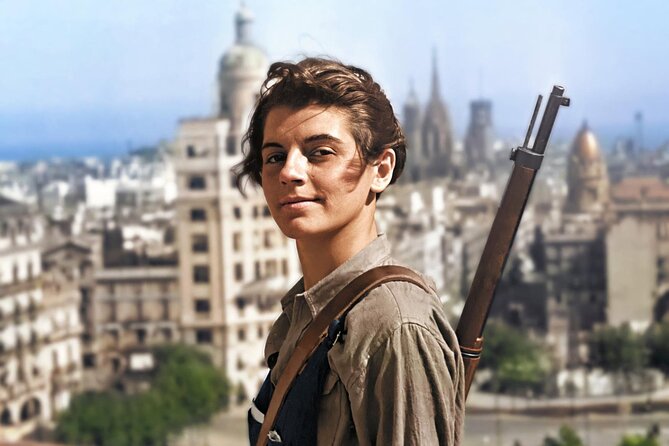
Barcelona tells a dark story on foot. This private walking tour maps the Spanish Civil War through real streets and buildings, where conflict feels uncomfortably close. You also get a guide focused on your group, and the experience quality is clear from the many five-star comments about Yannis.
I like two things a lot. First, you see the war from angles that are easy to miss in typical sightseeing, not just famous dates. Second, the stops are designed for learning at street level, with free entry sites and no museum detours that eat your time.
One consideration: this is heavy, political history. It is not a casual stroll, and it can feel emotionally intense, especially if you wanted a lighter afternoon.
In This Review
- Key points worth knowing
- The Spanish Civil War, told where it actually happened
- Price and value: paying for time, not just facts
- Starting at Plaça Catalunya and the Telefonica fight
- La Rambla, a wartime hotel, and the ghost of George Orweel
- Plaza de Vicenc Martorell and the Raval’s resistance
- Antic Hospital de la Santa Creu: when the war entered healthcare
- Basilica de Santa Maria del Pi and International Brigades clues
- Plaça Sant Felip Neri and the visible scars of aerial bombing
- What the guide format really adds to the experience
- How to get the most from the six-stop route
- Who this tour is best for
- Before you go: timing, tickets, and what to plan around
- Should you book this private Spanish Civil War tour?
- FAQ
- What is the duration of the Private Tour Spanish Civil War & Franco’s Dictatorship?
- How much does the tour cost?
- Is this tour private?
- What language is the tour offered in?
- What does the tour include?
- Are there admission tickets to pay for the stops?
- Where does the tour start and end?
- Is lunch included?
- What happens if the weather is poor?
- Can I cancel for a full refund?
Key points worth knowing
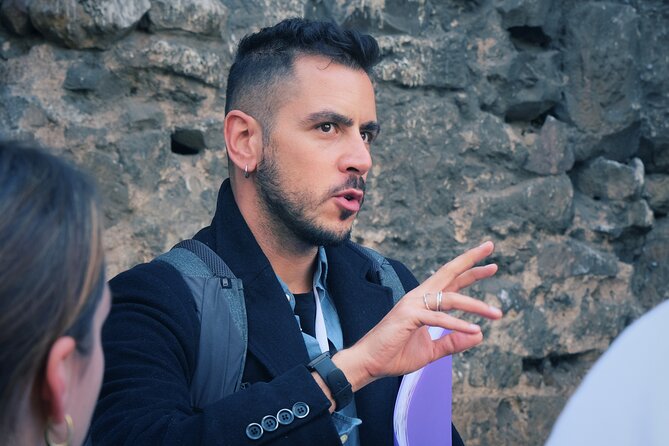
- Private guide, your group only means you get more questions answered and fewer rushed explanations
- Street-level storytelling connects big events to places you can actually point at
- Free entry stops keep your costs simple, since there is no paid admission built in
- Six focused moments take you from early clashes to bombing damage and dictatorship-era oppression
- English tour with flexible times helps you slot it into a Barcelona day without overplanning
The Spanish Civil War, told where it actually happened
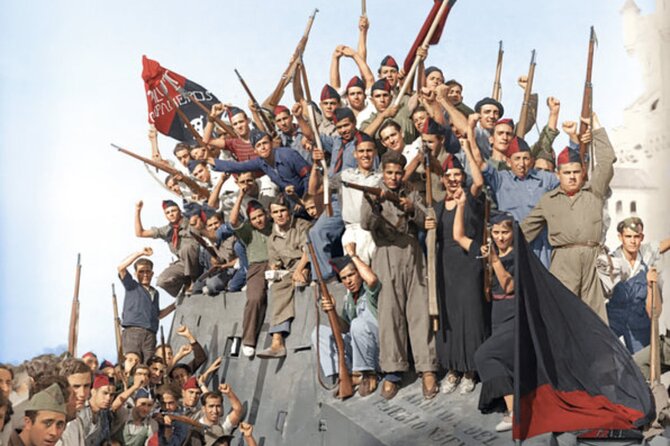
Barcelona is good at hiding history in plain sight. This tour turns that around, showing you how the Spanish Civil War played out through neighborhoods, buildings, and scars that still show up in daily life.
What makes this one click is the route logic. You are not bouncing randomly. You start in the city center, then shift toward areas tied to workers and resistance, and you end at a spot where aerial bombing damage is visibly part of the city’s fabric.
You also get context you can use right away. The guide does not just name factions. You learn why the conflict escalated, and how the end of the war feeds into the later cultural repression under the dictatorship. If you have ever left a history visit wishing someone would connect the dots, this is built for that.
More Private Tours in Barcelona
- Montserrat Monastery Small Group or Private Tour Hotel pick-up
★ 5.0 · 5,144 reviews - Tour Welcome Barcelona with Local Guide in Eco Tuk Tuk Private
★ 5.0 · 1,882 reviews - Barcelona Private Tour by Sidecar Motorcycle
★ 5.0 · 1,750 reviews - Barcelona: Private Group Bike Tour
★ 4.8 · 1,420 reviews
Price and value: paying for time, not just facts
At $181.41 per person for about 2 hours 30 minutes, it may sound like a lot until you remember you are buying privacy. This is not a big bus tour with headsets and time limits. It is your group, with an expert guide who can slow down, answer your questions, and focus on the points you care about.
The value is also helped by the format. The tour includes an expert tour guide, and the listed stops are free of admission tickets. That matters because too many history tours quietly add museum entry fees that do not show up in the headline price.
The other value point is pacing. The stops are short enough to keep things lively, but long enough for explanations that actually stick. You will likely leave with clearer mental timelines, not just a list of names.
Starting at Plaça Catalunya and the Telefonica fight

Your first stop is Placa Catalunya, a logical starting point because it gives you a broad frame for the city before you zoom in. Here, your guide introduces the wider conflict, then connects it to a specific moment involving a fight over the Telefonica building during the Spanish Civil War.
That Telefonica angle is useful, because communications and infrastructure are the kinds of targets wars revolve around. You get to see that the conflict was not only front lines. It was power, control, and who gets to shape what people know and when.
Even if you know little Spanish history, this beginning helps you get your bearings fast. You will understand what to listen for in later stops, especially when the tour shifts from downtown to neighborhoods tied to resistance.
La Rambla, a wartime hotel, and the ghost of George Orweel
From Plaça Catalunya you head toward La Rambla, one of those streets where tourists stroll without thinking about what used to be there. The tour uses that contrast well, bringing you to a hotel connected to George Orweel during the Spanish Civil War.
This stop works best if you like history that shows up through people, not just policies. A hotel is not a textbook category. It feels real. It also lets the guide connect the political climate to everyday life in the city when the war was active.
One practical bonus: La Rambla is easy to find in a busy city. So even if your schedule is tight, this is a segment that is simple to follow.
More Things to Do in Barcelona
- Barcelona: Sagrada Familia Entry Ticket with Audio Guide★ 4.6 · 105,312 reviews
- Barcelona: Park Güell Admission Ticket★ 4.4 · 76,534 reviews
- Barcelona: Casa Batlló Entry with Self-Audioguide Tour★ 4.7 · 25,359 reviews
Plaza de Vicenc Martorell and the Raval’s resistance
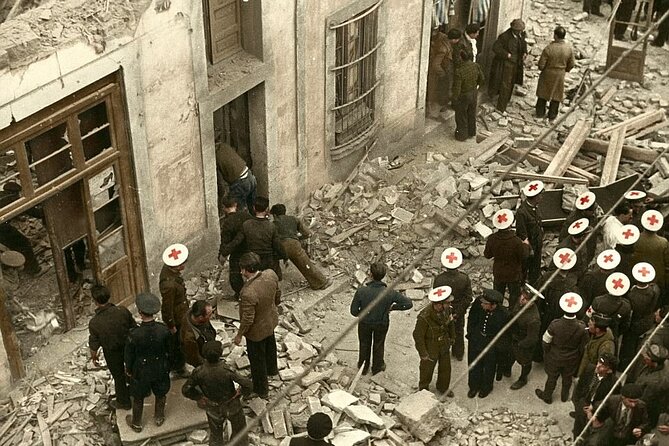
Next comes Plaza de Vicenc Martorell, where the focus turns to the Raval neighborhood. This is where the story changes tone, moving toward working-class suffering and resistance, with an emphasis on anarchism as a distinctive part of the period’s political landscape.
This is a key stop for making sense of why the conflict felt so personal to many people. You learn about the stresses placed on ordinary residents, not only the elite decision-makers. When the guide talks about resistance, it becomes clearer why certain ideas spread and why communities developed networks and survival strategies.
The Raval angle also helps you understand Barcelona as more than scenery. You see a neighborhood that became a center for struggle, not just a place to shop or wander.
Antic Hospital de la Santa Creu: when the war entered healthcare
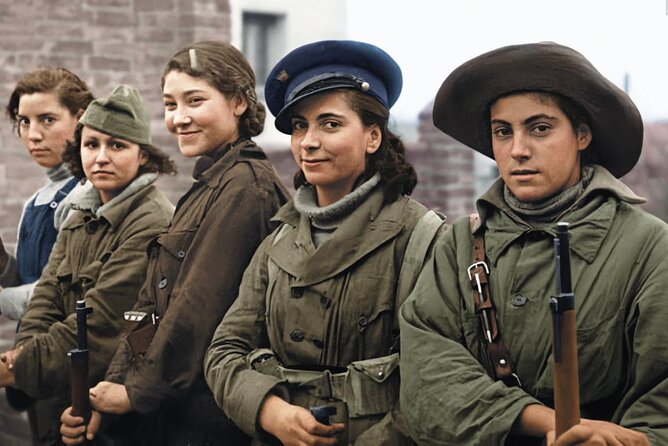
At Antic Hospital de la Santa Creu, the tour shifts from strategy to consequences. This is a 15th-century hospital, and your guide explains how wounded soldiers and civilians came through, turning medical space into war evidence.
That is important because the Spanish Civil War is often remembered for politics, but the human cost is what you feel when you walk into a site like this. The guide also uses the hospital stop to talk about the end of the war and the later cultural oppression under the dictatorship.
If you have ever felt like “after the war” is a vague phrase, this stop makes it more concrete. You see that the story does not simply stop when fighting ends. It changes form, through restrictions and control of culture.
Basilica de Santa Maria del Pi and International Brigades clues
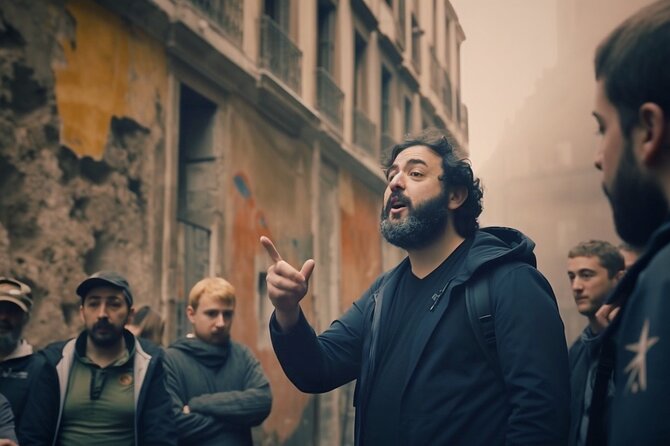
Now you move to Basilica de Santa Maria del Pi, another example of history tucked into everyday sights. The church hides a little-known remnant of the Spanish Civil War, and the guide uses it to discuss the International Brigades.
This is the stop I would recommend most for travelers who like the broader international angle. The International Brigades are one of those topics people hear about in general terms. Here, the tour brings it down into something you can literally stand near, which makes the concept feel less abstract.
A church can also be a good setting for careful listening. Even if the building is active and people are moving through, your guide turns the space into a lesson without needing special effects or staging.
Plaça Sant Felip Neri and the visible scars of aerial bombing
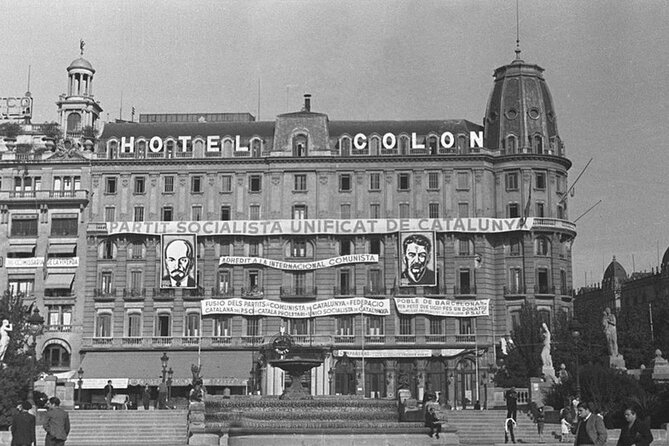
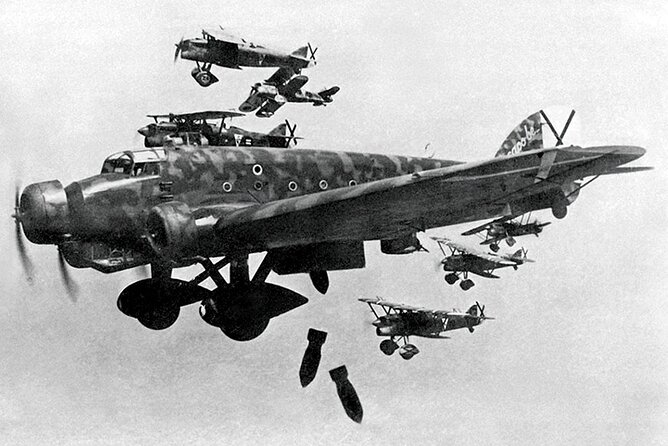
The final stretch is Placa Sant Felip Neri, the place in Barcelona with some of the most visible damage from aerial bombings. Your guide discusses the tragic bombing and the involvement of the Axis powers in the war.
This stop is where the tour becomes harder to forget. Seeing bombing damage in the context of a living city changes how you think about wartime power. It is one thing to read about air campaigns. It is another to look at what survived and what did not.
It also gives you a clearer understanding of why the conflict shaped the city beyond the end date. The scars are physical, but they also act like memory markers for how a society processed trauma.
If you have a tendency to skim over difficult chapters when you travel, this ending helps you slow down and pay attention.
What the guide format really adds to the experience
This is a private tour, meaning your group gets the guide’s full attention. That matters in history tours because the best parts are usually the “why” questions, not the facts.
Based on the strong feedback about Yannis, the emphasis is on being both passionate and clear. You should expect the explanation to feel like it is made for your pace, not a prewritten script designed for a crowd.
It also helps that the tour is offered in English. You can focus on meaning, tone, and connections instead of fighting through language limits. That is often the difference between a tour that feels like entertainment and one that helps you actually understand what you are seeing.
How to get the most from the six-stop route
Here are a few things I suggest so you get full value from the time.
First, come with at least one question in mind. For example, ask yourself what kind of history you usually skip, politics, culture, or daily life. Then see how the route answers that question through the places you stop.
Second, expect a steady rhythm. The stops are short, so the guide uses each place to make a specific point. If you like to take photos constantly, you might slow the group down. I recommend a few intentional photos, then listen.
Third, dress for walking. The tour is a walking route across central Barcelona, and it helps to plan for comfort even when the topic is serious.
Who this tour is best for
This experience is a strong fit if you want history that is grounded in actual locations. It also works well if you like political context explained in plain language, not just names on a sign.
You will likely enjoy it more if you are curious about how the conflict affected ordinary people, especially in working-class areas like the Raval. The emphasis on resistance and later cultural oppression makes it more than a quick overview.
If you want only light sightseeing, look elsewhere. This tour is built for understanding a hard period, and it takes its time to connect the war to what came after.
Before you go: timing, tickets, and what to plan around
The tour runs about 2 hours 30 minutes, with flexible tour times. The stops themselves are free entry points, so you are not juggling ticket lines.
You will want to plan around food. No lunch or drinks are included, so if you are stacking this with other plans, grab a snack before you start. Also, the tour depends on good weather, so keep an eye on the forecast.
The meeting point is near Pl. de Catalunya, and the tour ends at Plaça Nova, close to the cathedral area. That end point is handy if you are continuing your day on foot afterward.
Should you book this private Spanish Civil War tour?
I think it is an easy yes if your goal is real understanding of the Spanish Civil War beyond the usual highlights. The value comes from the private format, the focused route, and the way each stop connects to a specific part of the story, Telefonica, resistance in the Raval, a hospital shaped by war, clues in a church about international volunteers, and the bombing damage you can still see.
Book it if you like tours that take serious topics and explain them clearly, with room for questions. Skip it if you need a carefree, low-emotion afternoon or if you cannot handle intense history.
If you want one Barcelona activity that changes how you read the city, this is the one I would pick.
FAQ
What is the duration of the Private Tour Spanish Civil War & Franco’s Dictatorship?
The tour lasts about 2 hours 30 minutes.
How much does the tour cost?
The price is $181.41 per person.
Is this tour private?
Yes. It is a private tour/activity, so only your group participates.
What language is the tour offered in?
The tour is offered in English.
What does the tour include?
It includes an expert tour guide.
Are there admission tickets to pay for the stops?
The stops listed have admission ticket marked as free.
Where does the tour start and end?
The tour starts at Foot Locker on Pl. de Catalunya, 20, Ciutat Vella, 08002 Barcelona, Spain. It ends at Plaça Nova, Ciutat Vella, 08002 Barcelona, Spain, near the Cathedral.
Is lunch included?
No. No food or drink is included in the tour.
What happens if the weather is poor?
This experience requires good weather. If it is canceled due to poor weather, you will be offered a different date or a full refund.
Can I cancel for a full refund?
Yes. You can cancel up to 24 hours in advance for a full refund. If you cancel less than 24 hours before the start time, the amount you paid will not be refunded.
Latest Barcelona reviews into the ledger






Private Tours in Barcelona, compared.

Montserrat Monastery Small Group or Private Tour Hotel pick-up
Read our review →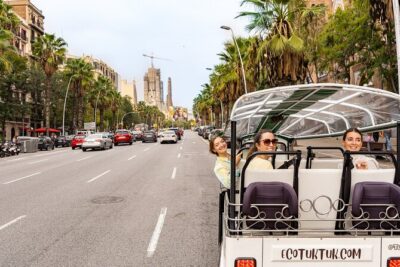
Tour Welcome Barcelona with Local Guide in Eco Tuk Tuk Private
Read our review →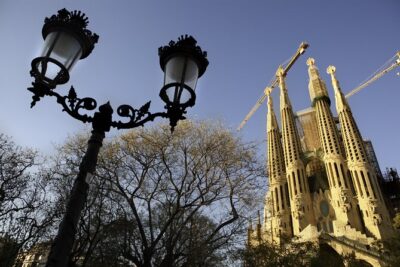
Barcelona Private Tour by Sidecar Motorcycle
Read our review →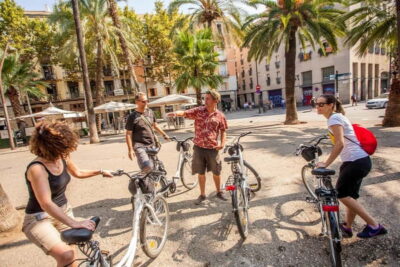
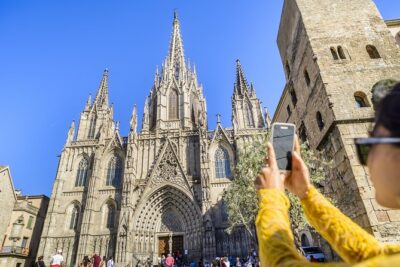
Barcelona Helicopter, Sailboat & Old Town Private Walking Tour
Read our review →
Helicopter, Boat Ride & Old Town Private Tour
Read our review →
Sagrada Familia & Gaudi Tour Private or Small Group with Tickets
Read our review →Browse the lists this tour appears in