
Reviewed · WINE TOURS
Rioja Like A Native Wine Tour
Nine hours to understand Rioja wine. This full-day Rioja Like A Native experience connects the region’s long winemaking roots, from Roman-era origins to today’s cellar practices. You also cover two key areas, Rioja Alta and Rioja Alavesa, with a day that mixes history, vineyard time, and tastings.
Two things I really like about this tour are the small group size and the way it teaches instead of just pours. You’re set up for three guided vineyard visits, plus a proper lunch paired with Rioja wines, and you get an English-speaking wine expert who can explain what you’re tasting.
One thing to consider is the pace and volume: it’s a long, alcohol-included tasting day. If you’re the type who wants quiet sightseeing only, this may feel structured and wine-focused.
In This Review
- Key things you should know before you go
- Rioja Like A Native in 9 hours, and what you’re really paying for
- Pickup from Rioja towns and the “small group” ride reality
- Rioja Alta and Rioja Alavesa, why two zones make the day click
- From Roman-era roots to modern cellars, the story that frames every tasting
- Two family wineries plus an old 15th-century cellar stop
- Grapes to barrels: grape stomping, tank tastings, and barrel comparisons
- Wine-paired lunch that doesn’t feel like a filler break
- Vineyard finale: vine care, pruning, and that blind tasting moment
- Guide energy that makes Rioja feel personal
- What to pack and how to get the most from the day
- Should you book Rioja Like A Native?
Key things you should know before you go
- Small group focus (max 8 people) for more time with your guide and fewer awkward questions swallowed by crowds.
- Three guided vineyard visits across Rioja Alta and Rioja Alavesa, not just a quick stop and shopping time.
- Old-world to modern comparison, including traditional grape handling and aging in oak versus newer methods.
- Lunch is part of the lesson, with local food paired to Rioja wines rather than eaten on your own.
- Vineyard time at the end, with vine care topics and a blind tasting to test what stuck.
Rioja Like A Native in 9 hours, and what you’re really paying for
At $550.48 per person for about 9 hours, you’re paying for a day that is built around access and instruction. The value isn’t just the wines, it’s the guided context: why certain choices in the vineyard and winery lead to specific flavors.
A small-group format helps you get answers in real time. That matters in Rioja because the same grape and style can shift a lot depending on where it’s grown and how it’s aged.
The day also includes round-trip transportation within the Rioja wine area and a wine-paired lunch. When you add that to three guided visits, the price starts to look less like a random tasting circuit and more like a guided field course.
Pickup from Rioja towns and the “small group” ride reality
The tour runs with a 9:30 am start and ends back at the meeting point. Pickup and drop-off are offered within the Rioja Wine Region, including Logroño, Laguardia, Elciego, Cenicero, Briones, Haro, and Briñas.
Even with a max of 8 travelers, you should expect a van-style ride for the region. One review described a full A/C van on the pickup loop, so plan on some waiting for the group to assemble and on a few photo stops along the drive.
If you’re staying in a Rioja town on the pickup list, it’s a low-effort way to avoid the hassle of buses or car rentals. If you’re outside those towns, you’ll want to confirm how the meeting point works for your location.
Rioja Alta and Rioja Alavesa, why two zones make the day click
This isn’t only “visit wineries and taste.” You’re moving between Rioja Alta and Rioja Alavesa, two of Rioja’s most iconic wine areas. That matters because your guide can connect what you see in the vineyard and cellar to the final wine in your glass.
Rioja Alta often gets described through its heritage of traditional winemaking and classic styles. Rioja Alavesa brings its own identity, and the tour format helps you compare styles instead of treating every pour as the same experience.
You’ll get a day where the landscape is more than scenery. It’s a set of clues for the guide to explain, and you’ll notice patterns when you taste.
From Roman-era roots to modern cellars, the story that frames every tasting
The tour is designed as a full-day narrative of Rioja winemaking, from its ancient origins to current techniques. That storyline gives your tastings a framework, so you’re not just trying to remember labels for later.
In practice, you’ll see and hear about how winemaking evolved over centuries. One of the most memorable learning styles here is comparing what you taste and what you see in the process, including tank tastings and barrel-aging effects.
If your main goal is to learn, this tour is built for that. You’ll leave with a better sense of how vineyard choices and aging decisions shape what ends up in your glass.
Two family wineries plus an old 15th-century cellar stop
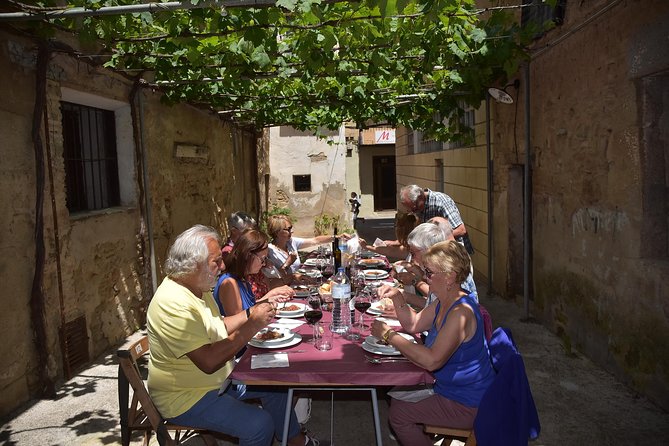
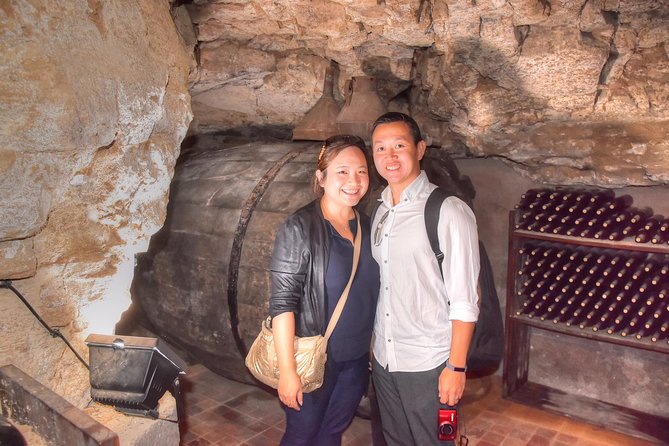
You visit two family-owned wineries during the day, and the program includes a stop at one of Rioja’s oldest wineries, dating to the 15th century. That old setting isn’t just for photos. It’s part of the education, because it anchors the idea that Rioja is tradition plus adaptation.
Family-owned wineries usually mean tighter stories and a more personal feel. You’re more likely to get practical explanations about day-to-day choices, not just a scripted overview.
You should expect guided tastings that connect to the specific methods you’re seeing. The goal is to make the tasting feel earned, like you’re following the chain from vineyard decisions to cellar choices.
Grapes to barrels: grape stomping, tank tastings, and barrel comparisons
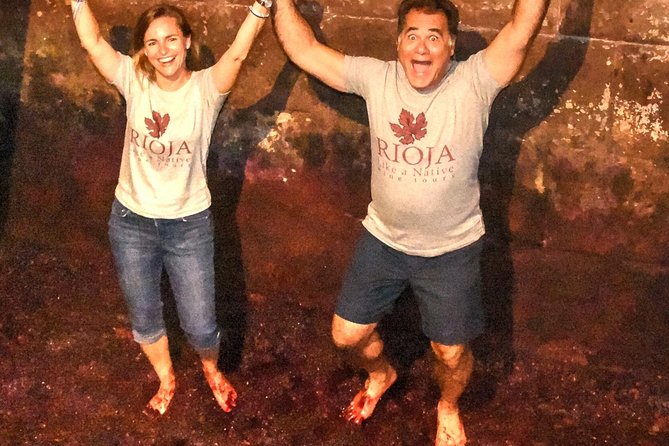
One reason this tour gets such strong ratings is how it teaches winemaking through comparison. You may see traditional grape handling like grape stomping, then compare it directly to modern steps such as aging in oak barrels.
There are also tasting moments that make the science easier to hold onto. For example, one stop includes tasting wine from the same tank that was aged in three different types of barrels, which helps you taste the barrel influence clearly. Another stop includes tasting wine right out of the tank before barrel aging, so you can feel the difference between raw fruit character and aged complexity.
Then, later in the day, you test what you learned. A blind tasting is part of the vineyard focus, and it’s a smart way to turn “I think I understand” into “I actually remember.”
If you love wine education that changes how you taste back home, these structured comparisons are the payoff.
Wine-paired lunch that doesn’t feel like a filler break
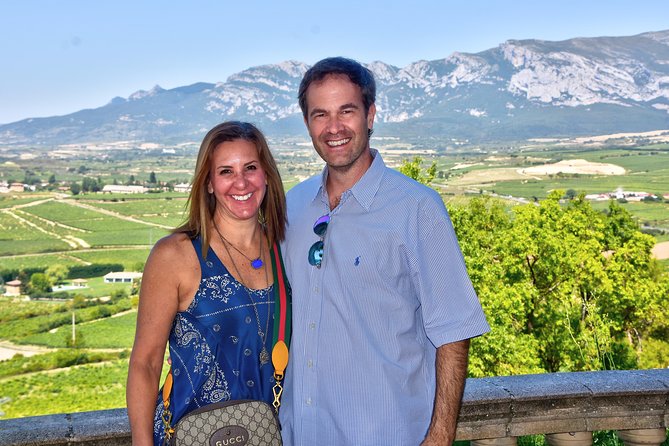
Lunch is included as part of the Like a Native experience, and it’s paired with Rioja wines. This matters because it keeps the day coherent. You’re eating local food in the middle of the lesson, not pausing the lesson to hunt for something nearby.
Dietary needs may be accommodated, if you share them ahead of time. One review mentioned dietary restrictions being checked in advance and adjustments being made when possible, so it’s worth sending your needs early.
Weather can change the lunch setup. In one case, rain changed an outdoor plan to a restaurant meal at the last minute. The important part is that lunch is planned and paired, so you’re not stuck improvising during the busiest tasting windows.
Vineyard finale: vine care, pruning, and that blind tasting moment
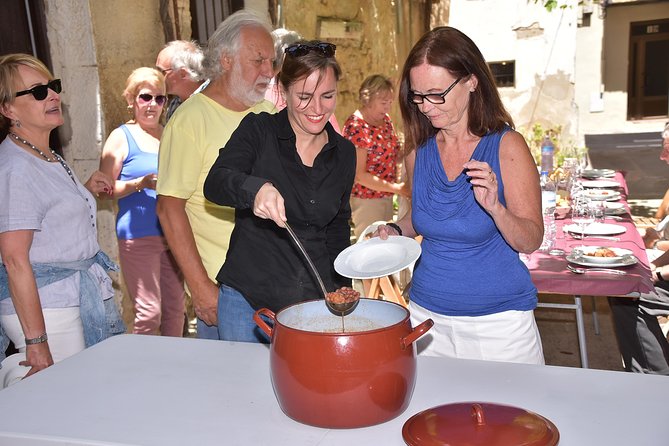
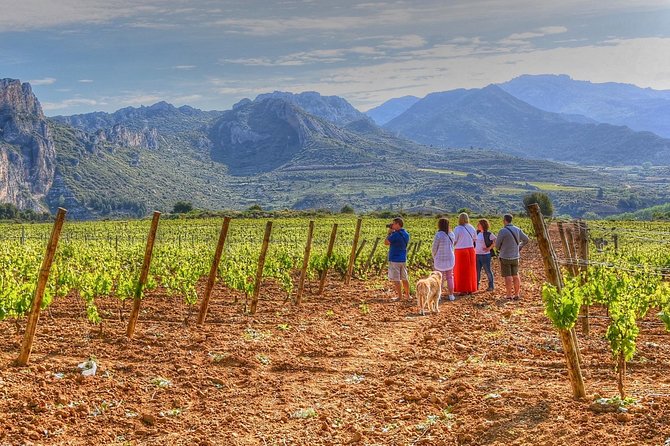
The day ends with a vineyard experience where you learn why vines matter to your wine. You’ll get guidance on how vines are pruned and cared for, and you’ll see how vineyard management links to the glass.
This ending is useful because it reverses the order most people think about wine. Instead of starting with the bottle, you close the day at the source. Then the blind tasting check helps you connect what you heard earlier to what you can actually identify by taste.
You’ll also leave with vineyard memories that are more than “green rows.” You’ll have a reason for what you’re seeing, and you’ll understand what the guide was trying to point out.
Guide energy that makes Rioja feel personal
The guide is a big part of why this tour lands so well. One review highlighted guide Fito for being exceptionally engaging, very knowledgeable about wine, and genuinely enthusiastic about sharing Rioja.
If you get a guide who teaches this way, it changes everything. You stop thinking of tastings as souvenirs and start thinking of them as clues.
That same review also mentioned Rebeca communicating before the tour and being helpful with dietary needs and planning tweaks when needed. Even if those exact details vary by departure, it’s a good sign that the company tries to smooth out the day so you can focus on the experience.
What to pack and how to get the most from the day
This is a wine-forward day, so your best prep is practical.
Wear comfortable shoes, since you’ll spend time in vineyards. Bring a light layer because wineries and outdoor vineyard visits can swing with temperature. If you like remembering what you tasted, pack a small notebook or use your phone notes during tastings so your favorites don’t blur together.
Also, go in with one or two questions you genuinely want answered, like how oak type changes flavor or what vine pruning does to the fruit. With a small group, it’s easier to get real answers than to just listen politely.
Finally, plan your evening transport in advance. You’re tasting Rioja wines, and the minimum drinking age for alcohol is 18, so assume many adults will be drinking during the day.
Should you book Rioja Like A Native?
Book this tour if you want more than a tasting spree. The best fit is you if you enjoy learning how wine is made, comparing traditional and modern techniques, and understanding what makes one Rioja different from another.
Skip it if your ideal day is low structure and minimal wine focus. This program is built for tastings, winery instruction, and vineyard learning, so it’s not designed as a casual scenic drive.
If you’re deciding based on value, here’s the quick logic: you’re paying for a guided, small-group, multi-stop day with transportation, three guided visits, lunch, and wine pairing. For $550.48, that only works if you’ll actually use the education part, not just the sampling.
If that sounds like your style, this is one of the easiest ways to learn Rioja fast, without the guesswork.
Bodegas, Visited & Scored
- Montserrat Half-Day Tour with Tapas and Gourmet Wines★ 5.0 · 7,359 reviews
- Montserrat & Cogwheel Train, Gourmet Wine Tasting & Tapas/Lunch★ 5.0 · 6,290 reviews
- Barcelona Tapas and Wine Experience Small-Group Walking Tour★ 5.0 · 5,804 reviews
- Barcelona: Montserrat, Cogwheel, Black Madonna & Winery Tour★ 4.8 · 5,633 reviews
- Montserrat with Black Madonna & Medieval Winery with Tapas/Lunch★ 5.0 · 5,209 reviews
Wine Tours, compared.

Montserrat Half-Day Tour with Tapas and Gourmet Wines
Read our review →
Montserrat & Cogwheel Train, Gourmet Wine Tasting & Tapas/Lunch
Read our review →
Barcelona Tapas and Wine Experience Small-Group Walking Tour
Read our review →
Montserrat, Cogwheel, Black Madonna & Winery Tour
Read our review →
Montserrat with Black Madonna & Medieval Winery with Tapas/Lunch
Read our review →
Tapas Walking Tour with Food, Wine, and History
Read our review →
Madrid Tapas & Wine Tasting Walking Tour – Small Group Local Bars
Read our review →
Sevilla Food Tour: Tapas, Wine, History & Traditions
Read our review →Browse the lists this tour appears in