
Reviewed · MUSEUMS
Ronda: LA Almazara LA Organic, Olive Oil Museum and Tasting
Few stops mix design and food this well. This LA Organic experience pairs Philippe Starck’s architecture with a hands-on olive oil tasting that teaches you how to actually taste differences. One note for your planning, transportation is not included, so you’ll want to figure out how you’ll get there.
I like that the tour doesn’t stay on the surface. You walk the property, see the working mill process, and leave with a simple system for detecting aromas and intensity, not just drinking oil like it is wine. The only real drawback is the time on foot, you need comfortable shoes, and the tour is not suitable for wheelchair users.
If you’re the kind of person who likes learning while doing, this is a strong match. Guides such as Ursula, Jorge, Maria, Ali, and Simon are repeatedly praised for clear explanations and friendly energy, so the whole experience feels more like a guided lesson than a scripted museum stop.
In This Review
- Key highlights you will care about
- Philippe Starck’s Olive Oil Mill: Where Ronda Meets Design and Taste
- The museum tour: Seeing why this place is more than a room of bottles
- The mill and pressing: How organic production becomes something you can picture
- Walking the LA Organic Country House grounds: citrus, quince, and countryside views
- The guided tasting: Learn to spot bouquet flavors and intensity
- A quick reality check before you taste
- After the tour: Restaurant time and buying oil without stress
- Price and value: Is $29 a good deal here?
- Small caveats that can affect your day
- Who should book this Ronda olive oil tour?
- Practical tips for your 1.5 hours at LA Organic
- Should you book this experience in Ronda?
- FAQ
- How long is the Ronda LA Organic Olive Oil Museum and Tasting tour?
- What is included in the price?
- Where do I meet the guide?
- Are there tours in English and Spanish?
- What should I bring or wear?
- Is the tour suitable for wheelchair users?
- What is the legal drinking age in Spain?
- Is transportation included from Ronda?
Key highlights you will care about
- Philippe Starck-designed museum and mill where art and production share the same space
- Flavor training for olive oil tasting, including how to tell mild from intense
- Organic grove walk with citrus, quince trees, vegetables, and aromatic plants
- Pressing and bottling insight into how high-end organic olive oil is made
- Mountain-view setting in the countryside near Ronda
- Award-winning product focus, including an oil recognized as best organic oil in 2015
Philippe Starck’s Olive Oil Mill: Where Ronda Meets Design and Taste
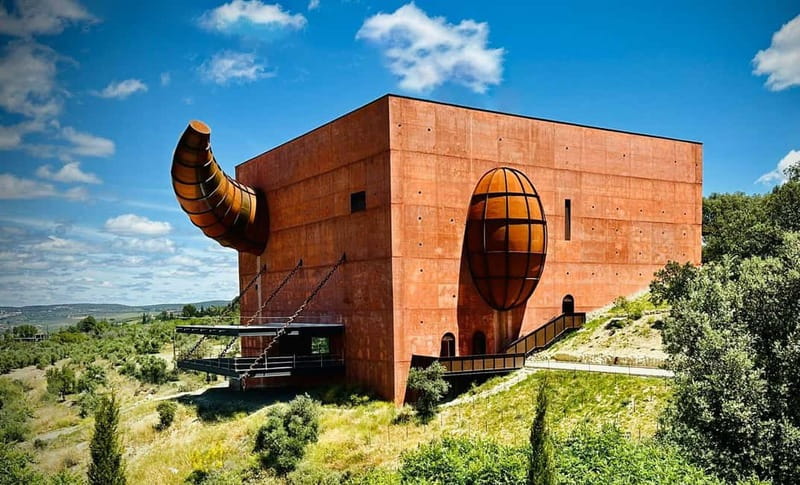
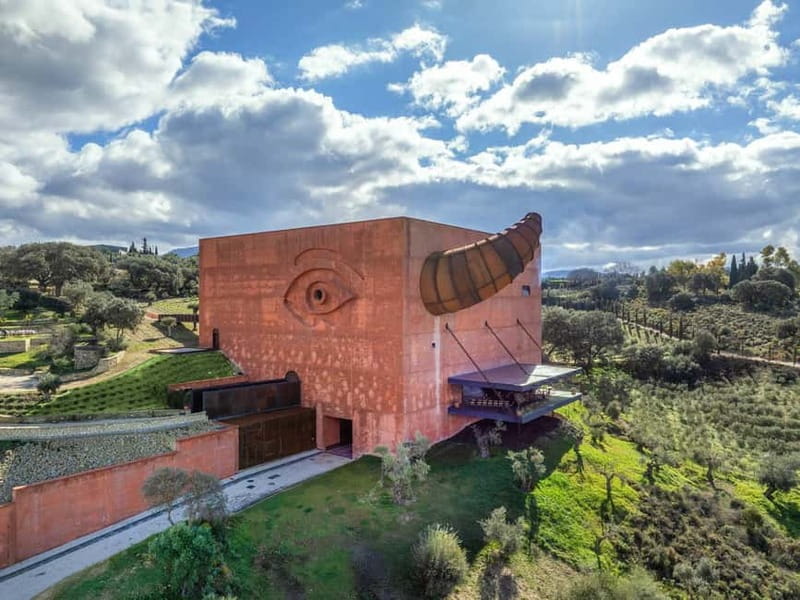
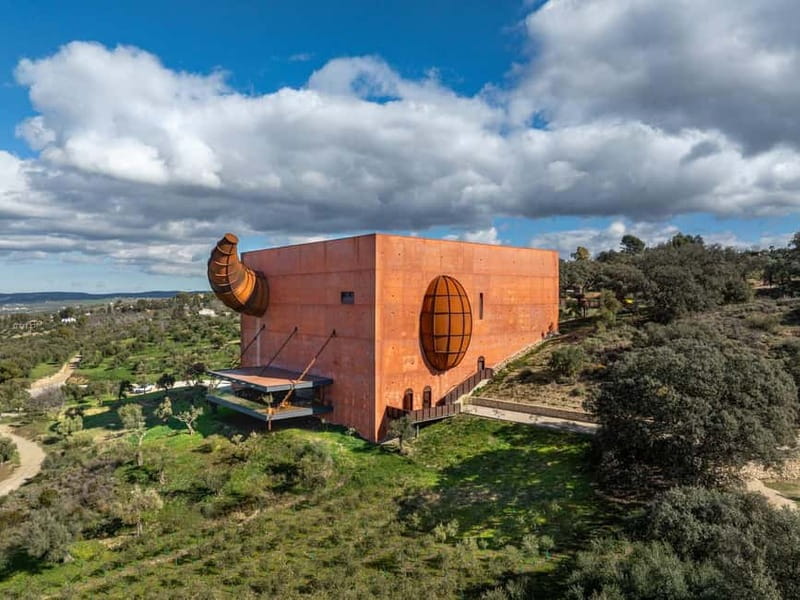
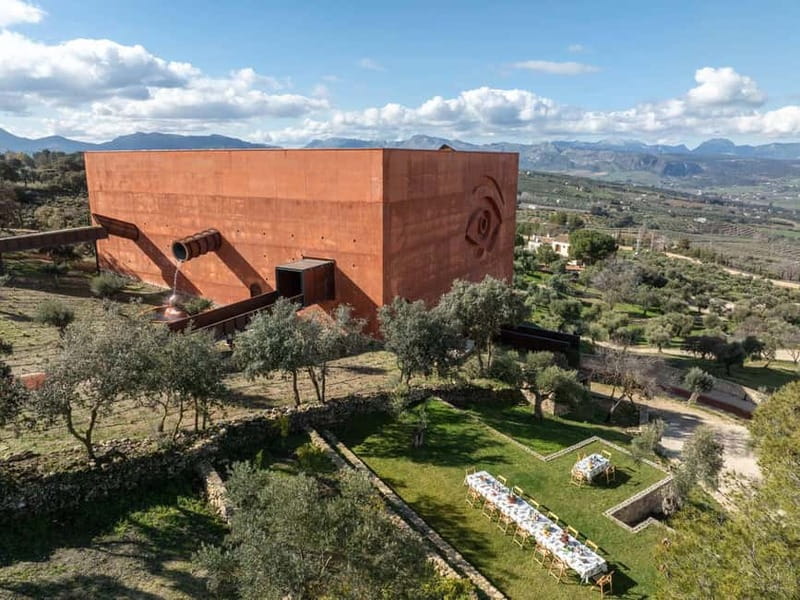
Ronda is full of classic Spain sights, but this outing is different in a good way. You’re not just visiting an olive oil shop, you’re stepping into a purpose-built olive oil museum and mill shaped by French architect and designer Philippe Starck. That matters because the building helps set the mood. It makes the subject feel modern, intentional, and worth your attention.
The experience also feels practical. You don’t only look at olive trees and admire the architecture from a distance. You walk the grounds, learn how olives become oil, and then taste what you learned. That combination is rare. Many food tours give you either a visual story or a tasting, here you get both.
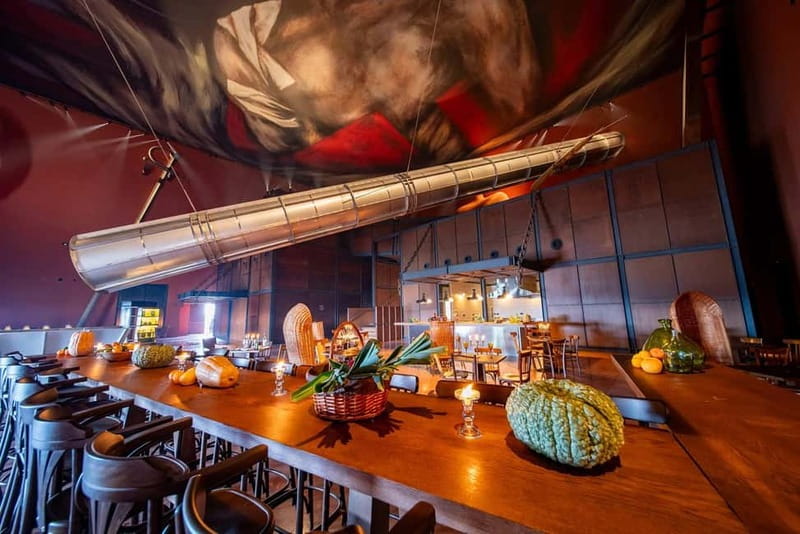
One of the biggest selling points for me is the tasting education. This tour trains you to notice the olive oil bouquet and separate the simple from the complex. That turns your next grocery store purchase into something smarter.
The museum tour: Seeing why this place is more than a room of bottles
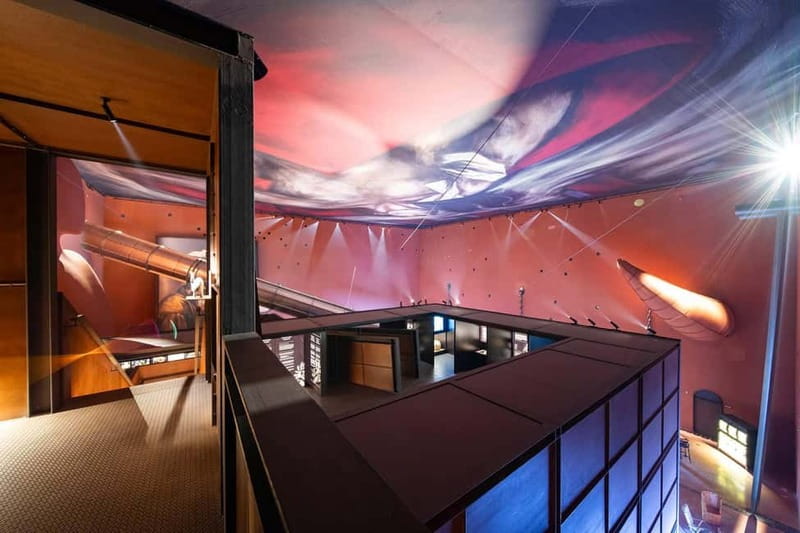
You start at LA Organic Country House, then you head into the museum experience that explains olive oil tradition and the organic approach. The museum is designed to show the creative relationship between nature and built spaces, and you’ll see how the architecture frames the product.
From a practical standpoint, the museum portion gives you context fast. You learn what to look for in quality oil and how the olive oil culture fits into everyday life around Ronda. You’re also told the site’s concept: it is presented as the first author olive oil mill in the world, which helps explain why this property feels like an art project as much as a working farm.
A few visitors also note that there can be an introductory video covering the family history of the fields. If that’s part of your session, it’s a helpful start because it makes the olive grove feel personal instead of generic.
The mill and pressing: How organic production becomes something you can picture
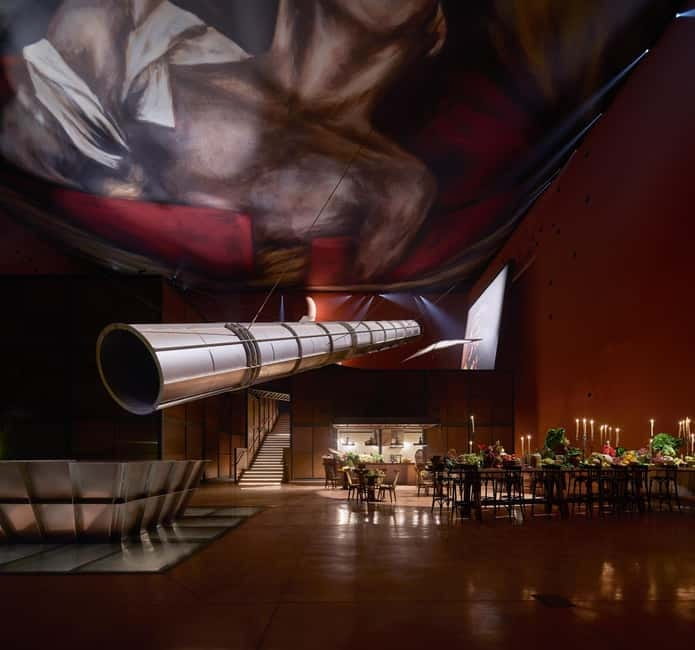
After the museum, you move to the mill side of the experience. This is where the tour stops being abstract. You get a look at the process behind extraction, pressing, and then bottling.
Why this matters for you: olive oil can be confusing when you only see labels. This part of the tour gives you a mental picture of what happens before the bottle ever reaches the shelf. Once you see the production steps, the tasting becomes easier to understand because you can connect taste to process.
The tour also emphasizes organic production. You’ll hear how pressing and bottling support the end result, and the tour highlights award recognition, including an oil described as the best organic oil in the world in 2015. Even if you never buy a single bottle, it helps you understand that the place is aiming for top quality, not just high volume.
Some people also mention tasting the oil tied to the first year’s pressing. Timing may affect what’s available, but the idea is consistent: you are tasting something grounded in real pressing and real production, not just flavored samples.
Walking the LA Organic Country House grounds: citrus, quince, and countryside views
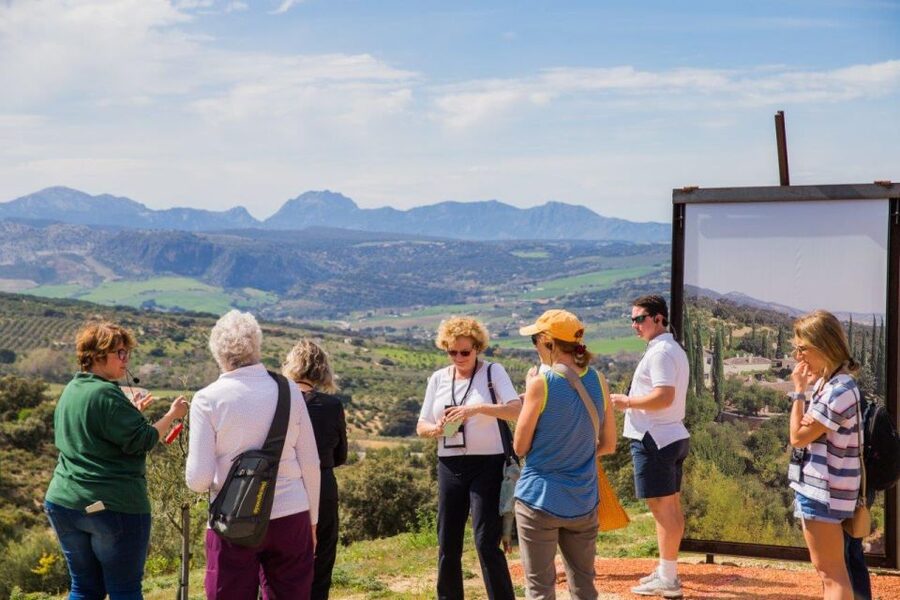
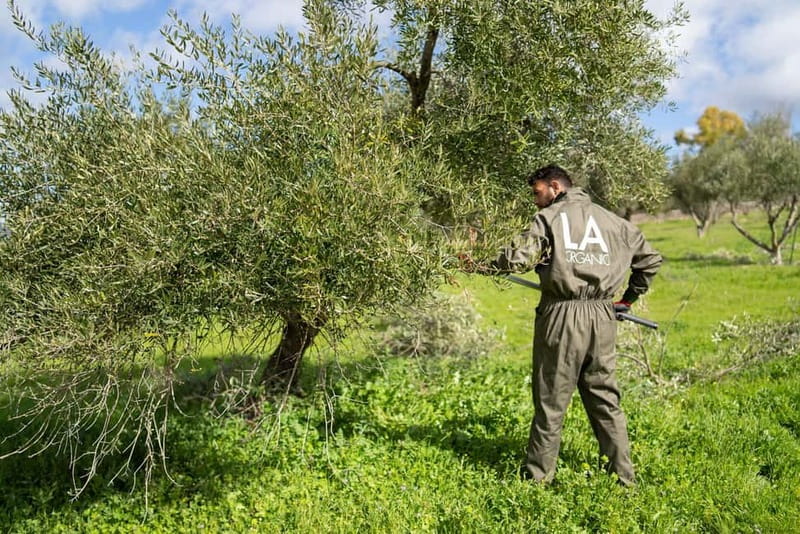
The walking portion is one of the best parts of the tour because it makes the whole subject feel alive. You stroll through the farm area with vegetables, aromatic plants, and citrus and quince trees. It’s not a long hike, but it does get you out in the open air, and it helps you understand olive oil as a crop system.
You will also get that countryside feel around Ronda. The area includes rolling vineyards and mountain views, so your breaks between stops are naturally scenic. This is not only about photos. The visuals help you understand why olives grow where they do and why organic practices matter in a real environment.
Wear comfortable clothes and plan for uneven ground. One visitor who used a wheelchair mentioned gravel made movement harder, and the tour is labeled not suitable for wheelchair users. If you have mobility issues, it is worth choosing a gentler option elsewhere in town.
The guided tasting: Learn to spot bouquet flavors and intensity
The heart of the tour is the tasting. This is where you go from passive visitor to active taster.
You’re taught how to detect the full bouquet of flavors hiding in each olive oil. That means learning aroma and mouthfeel, then comparing oils based on how they taste. You will also learn an expert-style method for tasting, so you can identify what you like and why.
One of the tour’s key lessons is distinguishing mild oil from intense oil. That’s a big deal because most people only think of olive oil as good or bad, but intensity changes how it behaves in food. A mild oil can feel gentle and round, while an intense oil can bring peppery notes or a stronger finish.
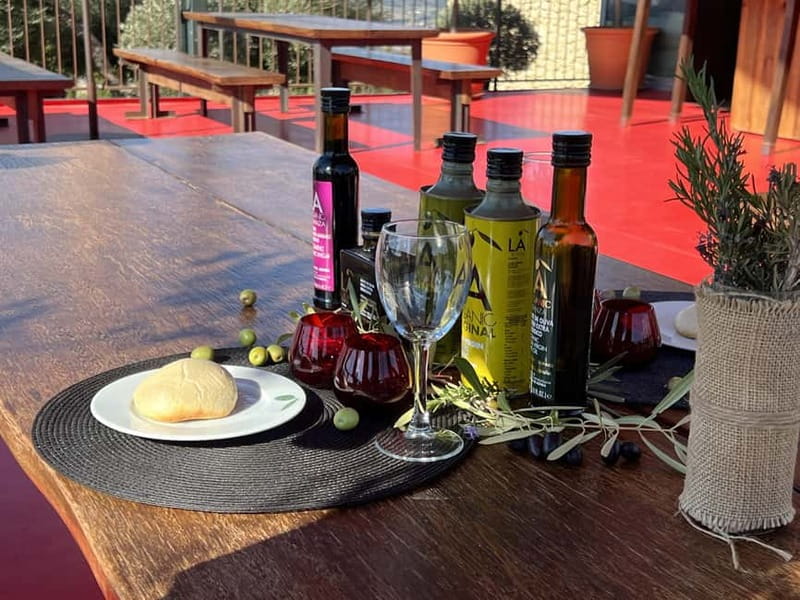
In at least one described tasting setup, people tasted a couple of oils pre-poured and others at the table with bread. Bread matters because it gives you a neutral base and helps you notice differences more clearly.
Also, the tasting is not designed to pressure you into buying. Several visitors liked that it felt instructional and relaxed, which is exactly how it should be. You leave with a personal reference point for your palate.
A quick reality check before you taste
Spain’s legal drinking age is 18. If the tasting includes any alcohol pairing or drink options, plan to follow that rule. For the olive oil tasting itself, the focus is on tasting oil, not drinking, but it is smart to double-check any add-on plans onsite.
After the tour: Restaurant time and buying oil without stress
Many people like to stay for food after the tasting. Several notes mention an excellent restaurant on site, along with terrace seating after your tasting. If you want lunch with a view, this can be a convenient way to turn a 1.5-hour tour into a half-day moment.
There is one timing caution you should keep in mind. A few visitors described the property as being in early operation or still under construction, and they noted that restaurant options were not open at that moment. So if you go during a period when the site is still finishing updates, you might not get every on-site meal option.
On the buying side, the shop is part of the flow. Some visitors mention that prices felt reasonable and that products were competitively priced. In other words, it tends to feel more like purchasing quality with guidance than dealing with a hard sell.
Price and value: Is $29 a good deal here?
At about $29 per person for a 1.5-hour experience, the value is strongest if you want both education and tasting. You’re paying for more than a museum ticket. You get a guided museum and mill visit plus a farm walk and a tasting session.
You also get a setting you can’t replicate easily. The Philippe Starck design makes this place feel like an event even if you are not a huge museum person. And the tasting instruction helps you understand olive oil in a way that can pay off later, because you’ll know what to look for when you buy bottles at home.
Where value can feel weaker is logistics. Transportation is not included. If you’re coming from central Ronda, you may pay for a taxi round trip. In that case, the total cost of your day depends on how you get there, not just the ticket.
Small caveats that can affect your day
No plan is perfect, so here are the practical things worth knowing.
Transportation can add cost. The activity does not include transport. If you do not want to deal with taxis, plan ahead for how you’ll get back and forth.
Timing affects the farm story. A few people were disappointed because the harvest activity they expected was already completed at the time of their visit. If you care specifically about seeing harvest in action, check that closer to your travel dates.
Pace and comparisons vary. One visitor wished for more olive oil comparison within the tasting. Another noted the tasting felt like a good start but wanted deeper grounding in the grounds walk. This suggests the exact balance can vary by group and timing, but the core structure stays consistent: museum, mill, farm walk, tasting.
Site conditions can change. Some people mentioned the property was still settling during opening phases, with construction visible and some facilities not fully open. If you hate even minor construction visuals, it might be smart to confirm current conditions close to when you go.
Who should book this Ronda olive oil tour?
Book it if you like hands-on food learning, or if you want a change of pace from the usual Ronda sightseeing routine. It is also a strong choice if you want to buy olive oil with confidence, because the tasting teaches you what to notice.
You should also book it if you enjoy design and architecture. The Philippe Starck connection is not just a detail. It is part of why this stop feels different from a normal olive mill visit.
Avoid it if you need wheelchair-friendly routes. The tour is not suitable for wheelchair users, and the farm walk involves surfaces that can be hard to navigate.
Practical tips for your 1.5 hours at LA Organic
- Wear comfortable shoes. The tour includes a walking component on property grounds.
- Bring water and sunglasses. It is an outdoor element around citrus and plants.
- Take your camera, but take your time too. The building is photographed a lot for a reason, but the tasting is the payoff.
- Ask your guide to show you the tasting method. The difference between mild and intense oils becomes much easier when someone walks you through it.
- Plan transport before you book, not after. No transportation is included, so your day needs a clear route.
Should you book this experience in Ronda?
Yes, you should book if you want a short, well-structured outing that mixes design, production, and tasting. The $29 price works best when you treat it like an educational food experience, not just a museum stop. The guides stand out for making the learning enjoyable, and the tasting instruction is the part that can genuinely change how you buy and use olive oil later.
If you are sensitive to uneven ground or you expect harvest activities on a specific day, consider your timing carefully. Also, build transport into your budget so you are not surprised when you add taxis.
If your goal is to leave with better senses, better questions, and a bottle you actually understand, this is a smart pick near Ronda.
FAQ
How long is the Ronda LA Organic Olive Oil Museum and Tasting tour?
The tour lasts about 1.5 hours.
What is included in the price?
The experience includes a guide and an olive oil tasting. The full visit also covers the museum, the mill visit, a walking tour through the farm, and the tasting.
Where do I meet the guide?
Meet your guide at the LA Organic Country House.
Are there tours in English and Spanish?
Yes. The live tour guide is available in English and Spanish.
What should I bring or wear?
Bring comfortable shoes, sunglasses, a camera, water, and wear comfortable clothes.
Is the tour suitable for wheelchair users?
No, the tour is not suitable for wheelchair users.
What is the legal drinking age in Spain?
The legal drinking age in Spain is 18.
Is transportation included from Ronda?
No. Transportation is not included.
Spain by the Plateful
- Madrid: Live Flamenco Show with Food and Drinks Options★ 4.5 · 9,901 reviews
- Montserrat & Cogwheel Train, Gourmet Wine Tasting & Tapas/Lunch★ 5.0 · 6,290 reviews
- Ibiza Beach Hopping Cruise with Paddleboards, Drinks and Food 6h★ 5.0 · 5,588 reviews
- Barcelona: Tablao Flamenco Cordobes with Food/Drink Options★ 4.6 · 4,368 reviews
- Barcelona: Tapas Walking Tour with Food, Wine, and History★ 4.8 · 4,261 reviews
Days Out to Ronda
- Ronda and Setenil Tour with Free Time and Map from Málaga★ 4.8 · 5,344 reviews
- From Málaga: Ronda+Setenil de las Bodegas with Little Train★ 4.6 · 4,115 reviews
- From Seville: Pueblos Blancos and Ronda Full-Day Trip★ 4.5 · 3,849 reviews
- From Seville: Ronda+Setenil de las Bodegas Day Trip★ 4.4 · 3,562 reviews
- From Malaga: Ronda and Setenil Guided Tour Day Trip★ 4.5 · 3,072 reviews
Museums, compared.

FC Barcelona Museum “Barça Immersive Tour” Ticket
Read our review →
Park Güell and Gaudí House Museum Entry Ticket
Read our review →
Puro Flamenco Show with Optional Museum Ticket
Read our review →
Moco Museum Barcelona: Modern & Contemporary Art
Read our review →Browse the lists this tour appears in