
Reviewed · MUSEUMS
Sacromonte Caves Museum Admission Ticket
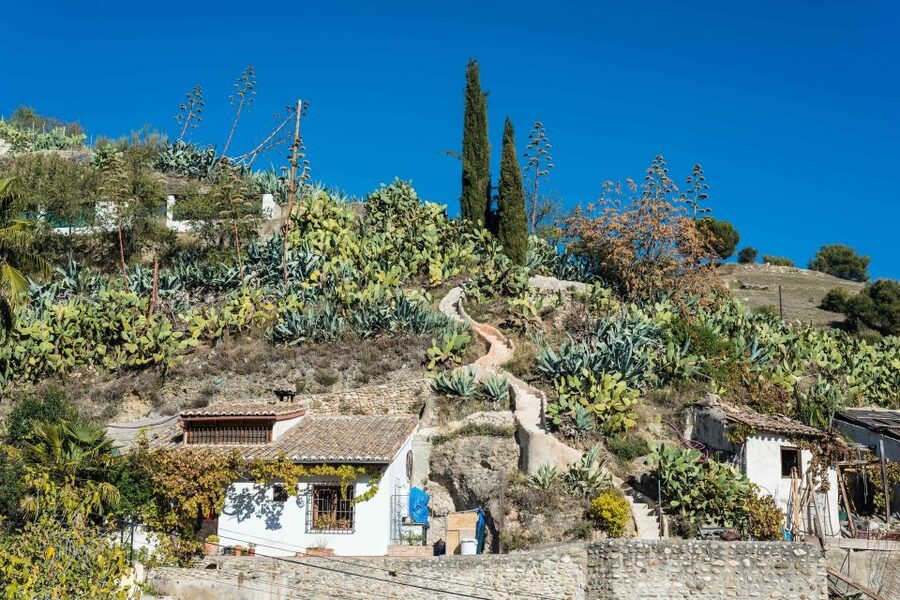
Granada’s cave homes feel like time travel. This museum in Sacromonte lets you wander through 11 cave dwellings and see everyday rooms recreated inside the hillside. The biggest payoff is stepping outside for Alhambra views that look different from the usual viewpoints.
I love how practical the exhibits are. You can spot kitchens and stables, plus traditional trades and crafts like basketry, ceramics, and weaving, alongside information on flamenco in the Sacromonte district. The main consideration is the approach, a climb with stairs that can feel steep in heat and may not suit everyone.
- 11 separate cave houses: One ticket, lots of small spaces and changing sights.
- Daily life details: Kitchens, stables, and working-room style displays.
- Hands-on crafts and trades: Basketry, ceramics, and weaving themes run through the museum.
- Flamenco context: You learn how the music connects to the Sacromonte story.
- Outdoor garden viewpoints: Plants and geology meet wide views toward the city, Rio Darro Valley, and the Alhambra.
- Value for money pacing: Plan about an hour, but you can easily stretch longer with videos and film footage.
In This Review
- Inside Sacromonte: What the cave house museum is really about
- Entering the museum route across 11 cave dwellings
- What daily life looks like: kitchens, stables, trades, and crafts
- Flamenco in Sacromonte: why the music is part of the museum story
- The outdoor garden: plants, geology, and the Alhambra payoff
- How long to plan, and when the caves feel easiest
- Getting there from Granada: bus C2 to Sacromonte
- Price and value: why $7 is a strong deal in Granada
- Who should book this museum ticket?
- Quick checklist before you go
- Should you book the Sacromonte Caves Museum ticket?
- FAQ
- Where is the Sacromonte Caves Museum located?
- How much is the admission ticket?
- How long does the visit take?
- How many caves can I visit with the ticket?
- What can I see inside the cave houses?
- Is meals or drinks included?
- What is included with the admission ticket?
- How do I get there from Granada’s city center?
- When is last admission?
- Can I cancel for a refund?
Inside Sacromonte: What the cave house museum is really about
The Sacromonte Caves Museum is not trying to be a giant show. It’s a focused, small place that turns the hillside neighborhood into a learning route. Instead of just looking at architecture, you get the idea of what people needed to do day after day, and how living in cave homes shaped daily routines.
At the core are re-created cave house dwellings. You move from cave to cave, seeing how rooms were set up and how the spaces supported work as much as living. This matters in Granada, because Sacromonte is not just a scenic district. It’s part of the city’s identity, tied to a long, complicated cultural story that includes music like flamenco.
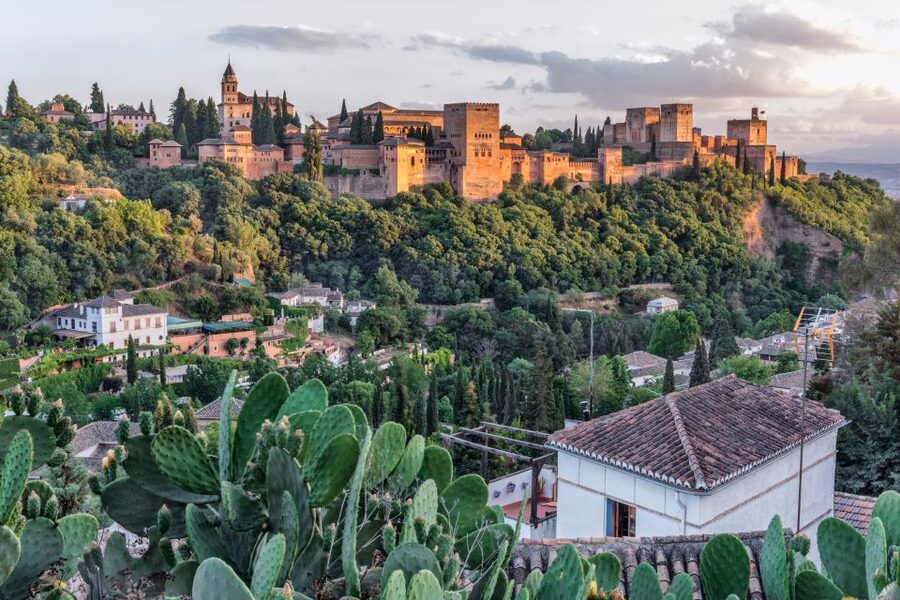
And yes, the views are a major reason to go. From the outdoor garden area, you get a wide look toward the Alhambra palace and fortress complex, plus the city and the Rio Darro Valley. Most Alhambra photos come from a similar angle. Here you see it from a hillside that changes the whole feeling of scale.
If you like places where you can control your pace, this works well. You can breeze through, or slow down and watch film footage in some caves, depending on your curiosity level that day.
Entering the museum route across 11 cave dwellings
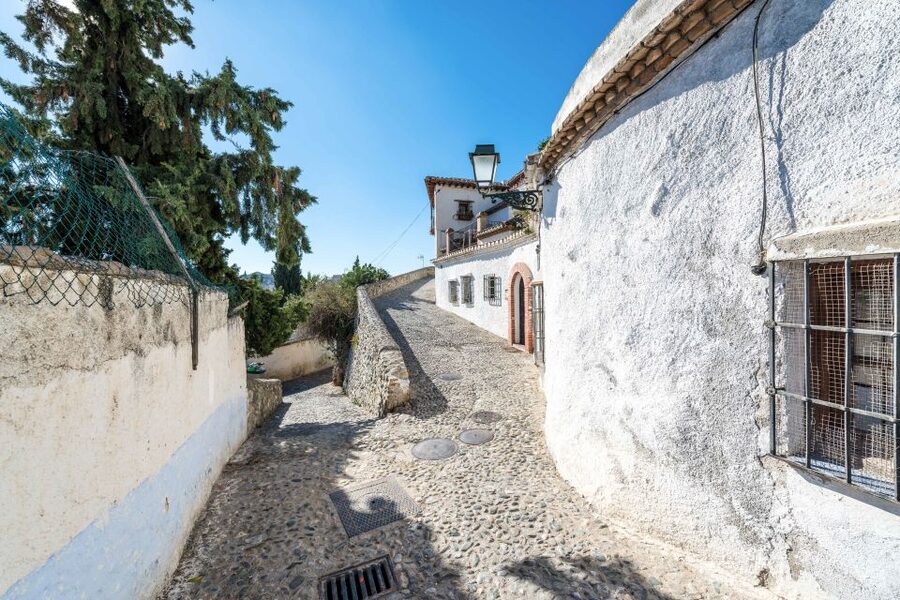
Your visit is built around exploring a series of cave spaces, 11 separate caves in total. Think of it less like one big room tour and more like a string of mini-stories. Each cave gives you another slice of how the Sacromonte district functioned, with the setting doing a lot of the heavy lifting.
Here’s what that route style means for you:
- You can expect a “walk and look” rhythm. You’re not stuck listening in one spot for long stretches.
- The museum can fit different visit styles. If you’re short on time, you can prioritize the highlights. If you like details, you can linger longer in the caves with more media.
A practical note: many people treat this as a quick stop, but it’s also easy to get pulled in. Some rooms are organized with enough visual clutter to keep you scanning for small objects, and that scanning takes time. If you tend to rush, give yourself extra time. You’ll be glad you did.
Also, because it’s cave housing, the lighting and the tight spacing can make you feel like you’re stepping into a different temperature. It’s a change of pace from the streets below, and that alone can make the visit feel like a proper “activity,” not just a ticketed peek.
What daily life looks like: kitchens, stables, trades, and crafts
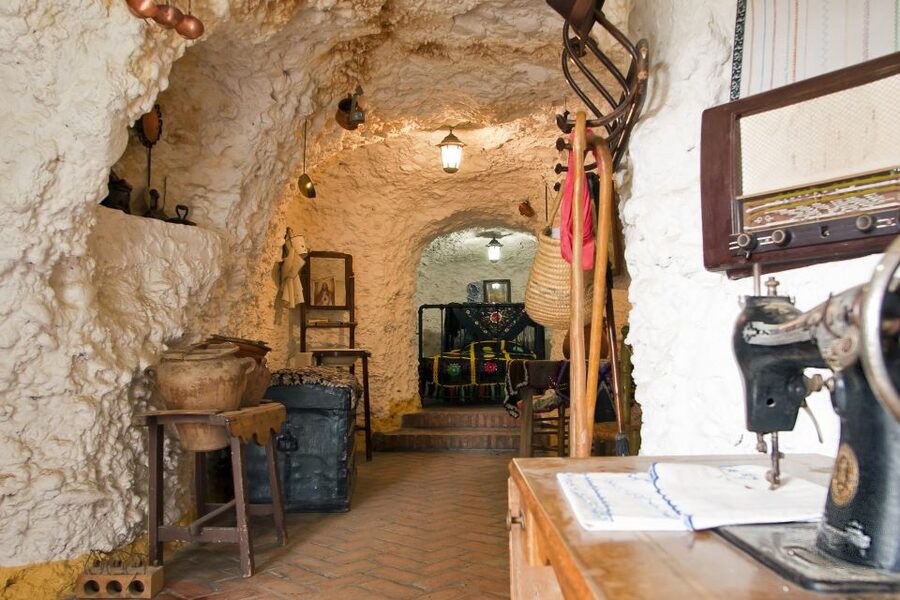
One of the best parts of the museum is that it doesn’t stop at “here are caves.” It shows how the spaces were used. Inside, you’ll find displays tied to kitchens and stables, plus explanations about traditional trades and crafts.
That daily-life focus is what makes the place feel real, even though you’re looking at re-created dwellings. The museum’s themes help you imagine the work that would have filled the day. It’s one thing to see caves. It’s another to understand why a kitchen’s location and the usefulness of storage or animal space mattered.
The craft side is especially helpful for making the story stick. You’ll encounter traditional skills like:
- Basketry
- Ceramics
- Weaving
These topics do two jobs at once. First, they connect the caves to production and making, not just shelter. Second, they help you see how living spaces can double as places of work. In other words, it’s not a museum about poverty or hardship only. It’s about function, skill, and the routines that keep a household going.
If you like museums where you can look around and still learn, this is one. You’re constantly matching exhibit explanations to what you see in the caves.
Flamenco in Sacromonte: why the music is part of the museum story
Flamenco is a huge part of Granada’s cultural map, but in Sacromonte it feels different. Here, the museum treats flamenco as connected to the district itself, not as something imported from elsewhere. You’ll learn about flamenco in the Sacromonte district, which gives context to what you might hear later in shows around town.
This matters because flamenco is often sold as a performance you attend. This museum helps you understand it as a cultural expression tied to place, community, and history. Even if you’re not a flamenco fanatic, the link to Sacromonte’s cave life makes the story more grounded.
Expect information presented in ways that work inside small caves. In some caves you may also find film footage, which adds motion to the history and helps you make sense of the setting without needing a long explanation in one sitting.
The outdoor garden: plants, geology, and the Alhambra payoff
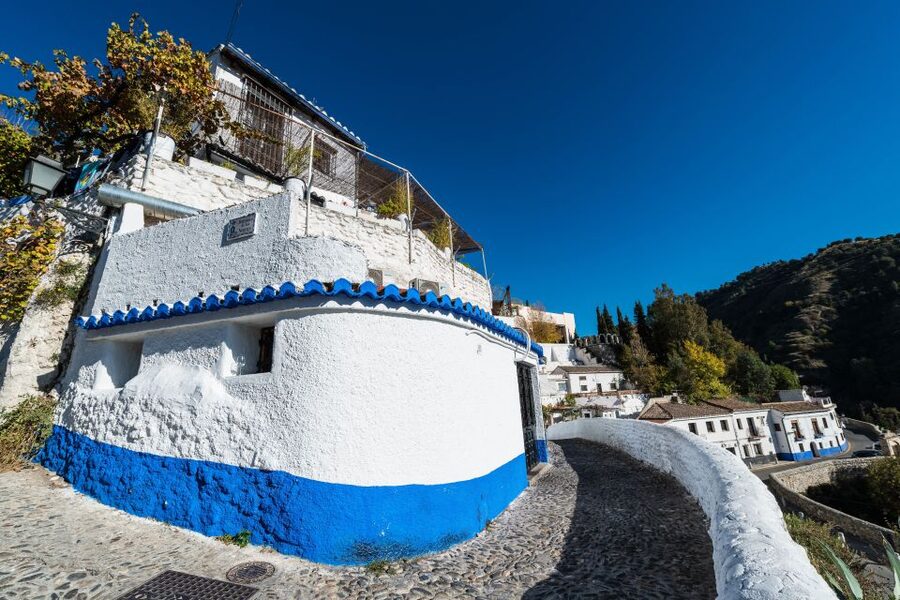
The museum isn’t only underground. The outdoors garden is a smart part of the experience because it resets your senses. When you step outside, you can connect the cave dwellings to the environment that shaped them.
You’ll learn about plants, geology, and the landscape of the Sacromonte area. Even if you’re not a science person, it helps you understand that these caves are not random holes in a hill. They’re part of a specific terrain, and that terrain affects building, daily living, and what you can see from the neighborhood.
And then you get the view. From the garden, you’ll have unique views of the Alhambra, the city, and the Rio Darro Valley. This is the kind of viewpoint that changes your mental map of Granada. The Alhambra looks close but not the way it does from the palace grounds or the official overlooks. Here it feels like it’s watching the valley, while the caves sit above it.
If you want one simple photo plan, do this: spend at least a few minutes outside even if you rush the caves. The garden view is often the part you remember later, especially after a day filled with heavier attractions.
How long to plan, and when the caves feel easiest
The experience is designed to fit into a short visit. The museum is set up so you can comfortably spend about an hour exploring the cave houses. Many visitors end up around 30 to 45 minutes if they focus on the main rooms, then add time for watching a bit more media.
I recommend planning 60 to 90 minutes if you like to take photos, read at least some of the explanations, and step back outside for the garden view. If you’re the type who reads everything, stretch a bit more.
Timing also affects comfort. This is a hill area. People often treat the walk up and the stairs as part of the “cost” of the visit. In warm weather, that climb can be tiring. If you can, go earlier in the day or choose a time when the sun feels less punishing.
One more practical detail: plan around the closing rhythm. Last admission happens 20 minutes before closing, with closing times listed as 5:40 p.m. in fall and winter and 7:40 p.m. in spring and summer. If you arrive late, you might miss the chance to see all 11 caves.
Getting there from Granada: bus C2 to Sacromonte
Location-wise, the Sacromonte Caves Museum is at Barranco de los Negros, s/n, 18010 Granada. The area is on the hillside, so you’re not usually “parking and strolling.”
A good public-transit option is the C2 bus from Plaza Nueva, getting off at Sacromonte. From the stop, expect to follow signs and work your way up to the museum entrance.
If you’re thinking about driving, keep in mind that access with your own vehicle is limited to hours set by municipal regulations. The data doesn’t give exact times beyond that rule, so I’d treat driving as the plan that needs extra checking before you go.
If you like the idea of combining the museum with an evening walk around Sacromonte, you can do it easily. After the visit, you’re already in the district. That makes it a smoother shift from daytime learning to nighttime wandering.
Price and value: why $7 is a strong deal in Granada
The ticket price is around $7 per person. For that cost, you get far more than a basic “see one room” stop.
Here’s why the value feels real:
- You see 11 separate caves, each with a different angle on cave living.
- You get a mix of topics, housing setup, work trades, and flamenco context.
- You also get outdoor garden learning plus a viewpoint that frames the Alhambra in a fresh way.
A lot of Granada attractions cost more while giving you less time in the “slow zone,” the part where you can look, read, and absorb. This one is designed for that. You buy a ticket and then control your pace cave by cave.
For families, it also tends to work because there’s a lot to point at and look at without needing constant quiet listening. If you’re traveling with kids, just be ready for stairs and uneven cave paths.
If your schedule is tight and you only choose one “non-Alhambra” attraction, this is one of the best candidates in the city because it complements the Alhambra rather than competing with it.
Who should book this museum ticket?
This is a strong match if you want:
- A cultural experience that explains daily life, not just architecture
- A break from big-line, high-ticket attractions
- A hands-on-feeling museum route with changing spaces
- A viewpoint day, especially with the Alhambra on your list
It’s also a good pick if you’re a flamenco fan or even just curious. The museum gives you context for why the music matters in Sacromonte.
Who should maybe think twice? If you have limited mobility, the approach involves climbing stairs and a steep path to reach the museum. The museum itself is inside cave dwellings, so space can be tight and movement may be slower.
Quick checklist before you go
To make your visit smoother, I’d plan like this:
- Wear comfortable shoes. The climb and stair steps are real.
- Bring water if you’re visiting in heat. The walk up can take energy.
- Build in time for the garden and viewpoint. Don’t treat it like an afterthought.
- If you like reading and film footage, plan closer to 90 minutes instead of 30.
Also, it helps to know that the site area includes basic visitor comforts mentioned in feedback, like toilets and a shaded area where you can sit and have a drink. In warm weather, that shaded break can turn a tiring hike into a pleasant afternoon.
Should you book the Sacromonte Caves Museum ticket?
Yes, I’d book it if you want an authentic side of Granada that goes beyond postcard views. For the price, you get a full internal story of cave housing across 11 dwellings, plus craft themes like basketry, ceramics, and weaving, and flamenco context tied to Sacromonte itself. Add the outdoor garden and the unusual angle on the Alhambra, and it becomes a small-ticket day that feels complete.
Skip it only if you dislike stairs, low-ceiling cave spaces, or you only want major monuments with big open areas. If you can handle a hillside walk and you like learning through place, this ticket is a very solid use of your time.
FAQ
Where is the Sacromonte Caves Museum located?
It’s located at Barranco de los Negros, s/n, 18010 Granada.
How much is the admission ticket?
The price is listed as $7 per person.
How long does the visit take?
The experience is described as about an enjoyable hour exploring the Cave House Museum, with some visitors planning around 30 to 45 minutes.
How many caves can I visit with the ticket?
The ticket covers access to 11 separate caves.
What can I see inside the cave houses?
You can see re-created cave house dwellings, including kitchens and stables, and learn about traditional trades and crafts such as basketry, ceramics, and weaving. The museum also includes learning about flamenco in the Sacromonte district.
Is meals or drinks included?
Meals and drinks are not included.
What is included with the admission ticket?
The admission ticket is included.
How do I get there from Granada’s city center?
You can take the C2 bus from Plaza Nueva and get off at Sacromonte.
When is last admission?
Last admission is 20 minutes before closing, at 5:40 p.m. in fall and winter, and 7:40 p.m. in spring and summer.
Can I cancel for a refund?
Yes. Free cancellation is available up to 24 hours in advance for a full refund.
Paint & Armour
- Madrid: Prado Museum Entry Ticket★ 4.6 · 20,699 reviews
- Málaga: Museo Picasso Málaga Entry Ticket★ 4.4 · 11,138 reviews
- Barcelona: FC Barcelona Museum “Barça Immersive Tour” Ticket★ 4.4 · 10,944 reviews
- Madrid: Reina Sofía Museum Entrance Ticket★ 4.5 · 8,788 reviews
- Barcelona: Park Güell and Gaudí House Museum Entry Ticket★ 4.5 · 6,326 reviews
Museums, compared.

FC Barcelona Museum “Barça Immersive Tour” Ticket
Read our review →
Park Güell and Gaudí House Museum Entry Ticket
Read our review →
Puro Flamenco Show with Optional Museum Ticket
Read our review →
Moco Museum Barcelona: Modern & Contemporary Art
Read our review →Browse the lists this tour appears in