
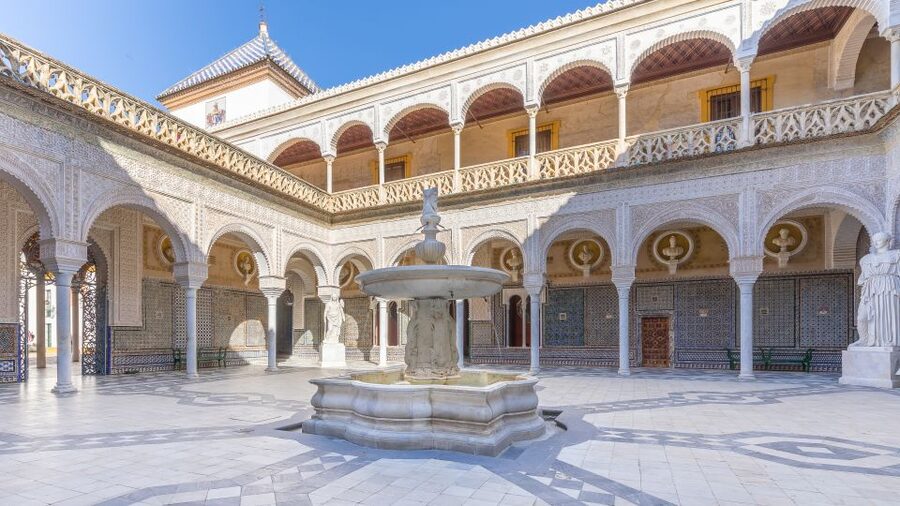
Reviewed · THINGS TO DO IN SEVILLE
Seville: Casa de Pilatos Ground Floor Entry Ticket
Roman emperors and Renaissance gardens, under one roof. Casa de Pilatos pairs 24 Roman emperor busts with show-stopping tilework and sculpture, all wrapped in a palace that changed with Seville’s fortunes. I especially like the audio guide format, because it helps you pace the rooms without needing a live group schedule.
The biggest downside is simple: this ticket gets you the ground floor only. If you’re hoping to see the whole palace, you may want an upstairs add-on when it’s available, or you’ll have to treat this as a more focused, calmer visit.
In This Review
- Key highlights to look for
- Casa de Pilatos ticket basics: what ground-floor entry really means
- Enter through the Renaissance marble gate and start your self-guided route
- The emperor-bust circuit: Roman portraits inside a Seville palace
- The Andalusian courtyard fountains and the tilework obsession
- Chapel of Flagellation: the oldest core and its style crossover
- Salón del Pretorio and the coffered ceiling with ornamental bows
- Gardens and sculptures: where the palace feels private and peaceful
- How to plan your timing: when to go for fewer crowds and better comfort
- Price and value: is $14 worth it for ground-floor access?
- Audio guide reality check: how to make it work for you
- Who should book this ticket, and who should think twice
- Should you book the Casa de Pilatos ground-floor ticket?
Key highlights to look for
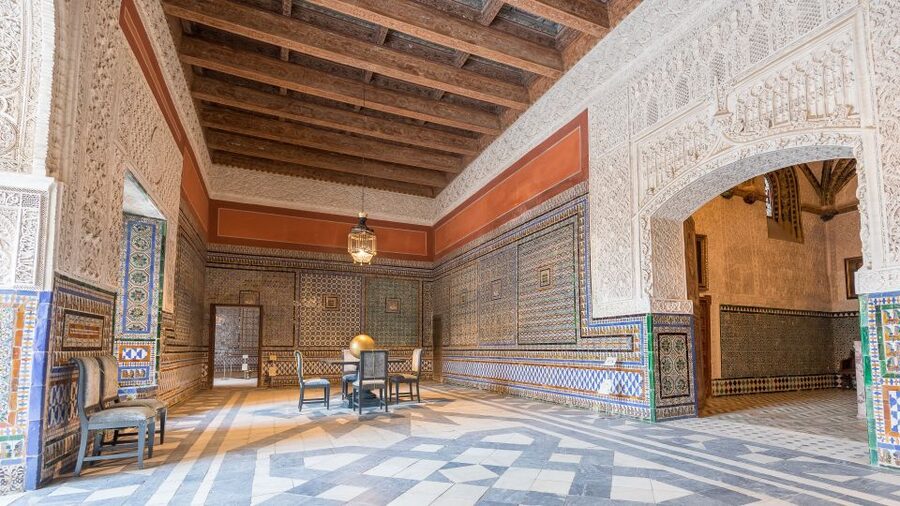
- 24 Roman emperor busts plus myth and classical sculpture, placed like a curated route
- Renaissance marble entrance leading you straight into the palace vibe
- Chapel of Flagellation where Mudejar-Gothic and Renaissance design overlap
- Coastal-style Andalusian courtyards, with fountains and glazed-tile everywhere
- Salón del Pretorio coffered ceiling with ornamental bows and deep visual detail
- Renaissance-style gardens that make Seville feel quieter than the streets
Casa de Pilatos ticket basics: what ground-floor entry really means
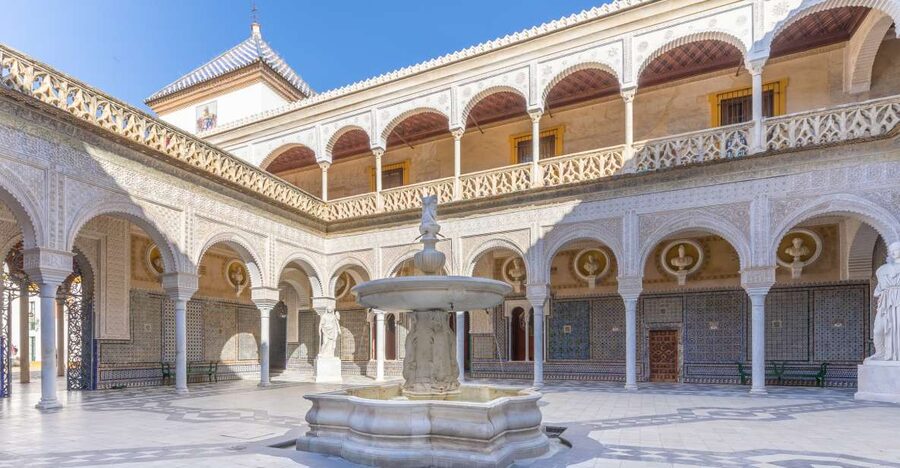
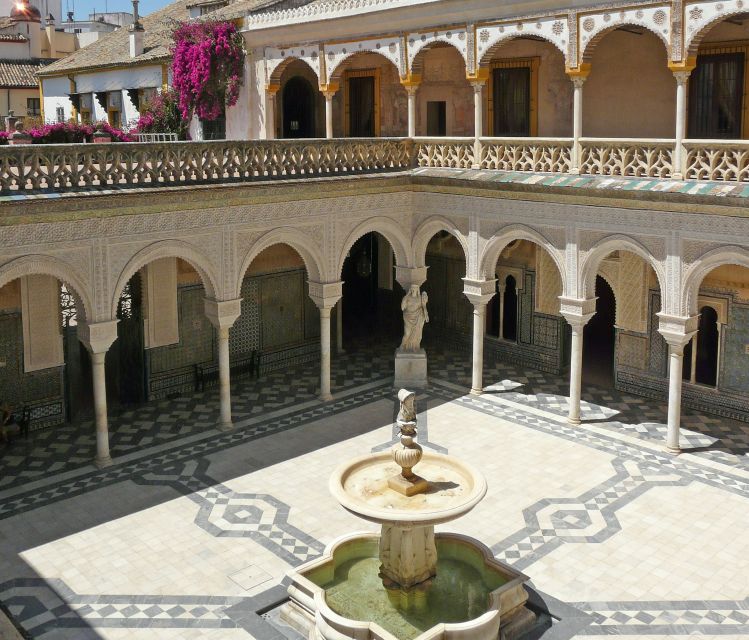
Casa de Pilatos is a private palace in Seville, tied to the Enríquez de Ribera family and built in the 15th century. This specific ticket is for the ground floor with an audio guide included. The upside is that the ground level already delivers a lot of the palace’s signature visuals: architecture, sculpture, tiles, courtyards, and gardens.
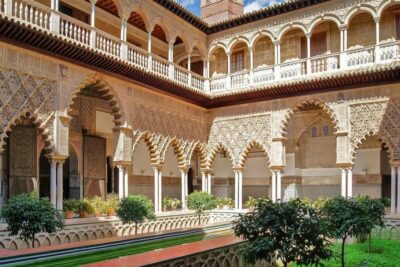
The palace is also a lesson in how Seville absorbed different styles over time. You’ll see the blended look of Mudejar-Gothic and Renaissance design, not as a lecture, but as surfaces, arches, ceilings, and the way rooms connect around water and light. And since you’re not paying for a large group tour, this ticket tends to feel good value for what you actually see.
Just keep one expectation clear: the upper floor is not included with this ground-floor ticket. That’s not a deal-breaker if you love sculptures, tiles, courtyards, and the garden loop. It is something to weigh if your priority is the full palace experience.
More Things to Do in Seville
- Seville: Royal Alcázar Entry Ticket
★ 4.6 · 28,378 reviews - Seville: Live Flamenco Dancing Show Ticket at the Theater
★ 4.7 · 16,396 reviews - Seville: Alcázar, Cathedral & Giralda Skip-the-Line Tour
★ 4.8 · 11,525 reviews - Seville: 1-Hour Guadalquivir River Sightseeing Eco Cruise
★ 4.2 · 10,281 reviews
Enter through the Renaissance marble gate and start your self-guided route
You begin at the Renaissance-style marble gate, and it sets the tone fast. The experience is designed as a walk-through route, with the audio guide helping you move from one key room to the next. In practice, many people find it easiest to follow the signage and use the audio cues room by room, rather than trying to jump ahead.
One reason this place works well as a self-guided visit is that the architecture gives you natural wayfinding. Courtyards break up the route. Doors and openings pull you forward. Even if you pause for photos, the palace layout keeps you oriented.
Tip: if your phone audio ever gets out of sync, slow down and match the room you’re in to the guide step for that space. The palace is detailed enough that you’ll want your eyes on the tiles and ceilings, not hunting for narration.
The emperor-bust circuit: Roman portraits inside a Seville palace
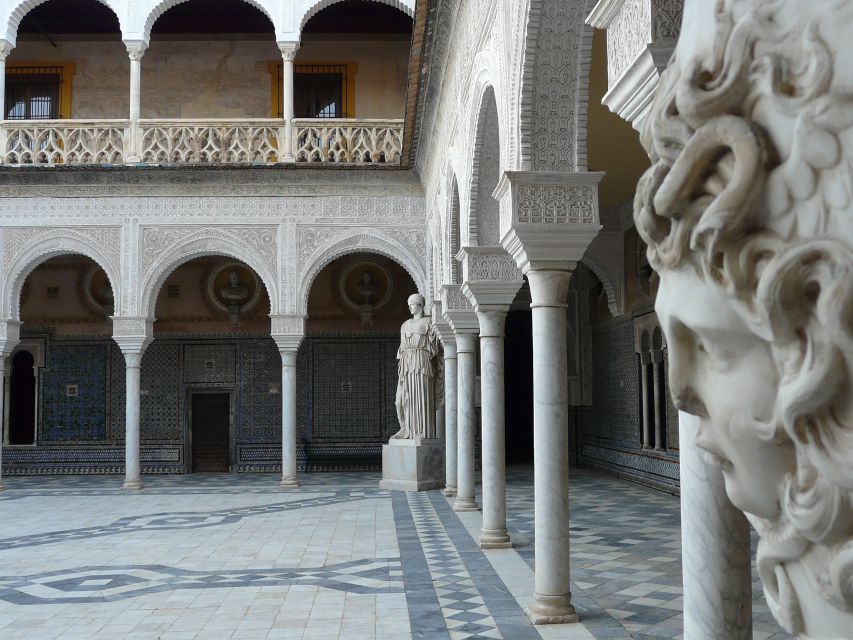
A highlight you should actively look for is the collection of classical sculpture, especially the 24 busts of Roman emperors. They’re not just decoration. The way they’re presented gives you a sense of how the palace leaned into antiquity and classical learning.
As you move through the ground-floor rooms and courtyards, the audio guide helps connect names and themes to what you’re seeing. You’ll come across busts attributed to figures such as Emperor Hadrian, and sculptures tied to mythology and the arts. Apollo shows up as the god of music, poetry, and art, which makes the palace feel less like a museum storage space and more like a statement of taste.
Then there’s Pallas Pacifera, a strong presence among the war ornaments, with a shield and helmet carved in stone. That’s a nice contrast to the quieter courtyards and the softer look of glazed tiles. The collection doesn’t just say classical. It says power, learning, and the owner’s worldview.
If you care about art history, this is the kind of attraction where you can’t do it in a rushed sweep. Even 10 extra minutes with the busts changes how the palace lands.
The Andalusian courtyard fountains and the tilework obsession
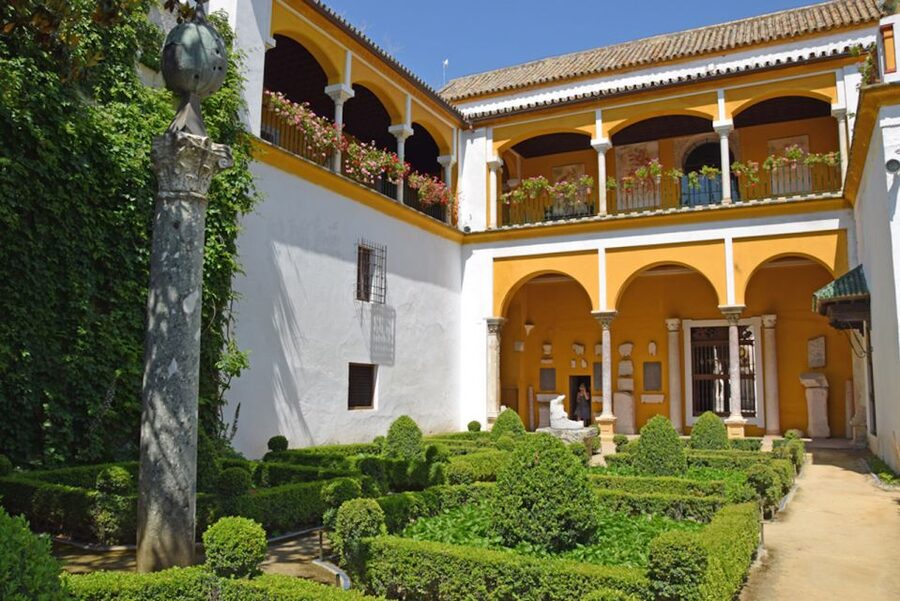
One of the most praised features of Casa de Pilatos is the tilework. You’ll see traditional glazed tiles throughout, and they’re not all the same. Some surfaces look decorative and patterned, while others feel like they’re meant to guide your attention to specific architecture.
The courtyard setup matters too. The typical Andalusian courtyard style creates a rhythm: open space, reflection, then back into room detail. Fountains in the courtyard add a gentle soundtrack, even if you’re not sitting for long. It’s one of those places where you catch yourself slowing down because the environment rewards it.
A practical note: if you’re visiting in hot weather, courtyards and shaded passageways are your friend. You’ll likely do a lot of standing still to take photos or to read the audio guide cues, and the courtyard layout helps you keep comfortable.
A few more Seville verdicts worth reading
- Seville: Setas de Sevilla Entry Ticket★ 4.6 · 8,901 reviews
- Seville: Puro Flamenco Show with Optional Museum Ticket★ 4.8 · 6,088 reviews
- Seville: Alcázar and Cathedral Entry Ticket and Guided Tour★ 4.6 · 5,056 reviews
Chapel of Flagellation: the oldest core and its style crossover
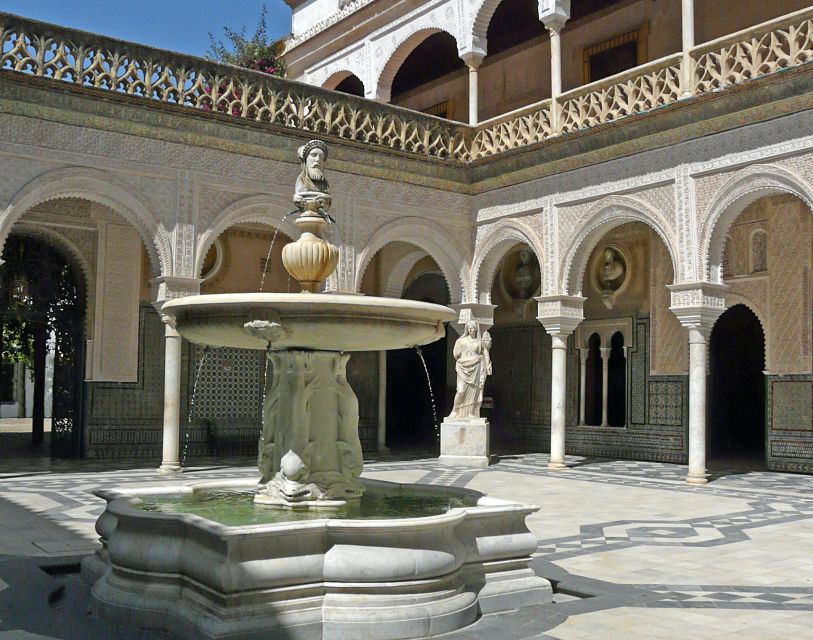
The Chapel of Flagellation is one of the oldest parts of the palace. It’s also where the architectural mix becomes very real. You’re looking at a crossover between Christian and Islamic styles, shown through Mudejar-Gothic and Renaissance architecture.
One specific feature mentioned for this chapel is the basket-handle arch. That shape is easy to spot once you’re looking for it, and it’s a good anchor for the rest of the design. The audio guide helps you notice how the style isn’t random. It’s integrated into the palace’s identity.
If you’ve already visited a few major churches in Seville, this chapel can feel refreshing. It’s smaller in scale, but it shows the city’s cultural blending in a way that’s visible, not abstract.
Salón del Pretorio and the coffered ceiling with ornamental bows
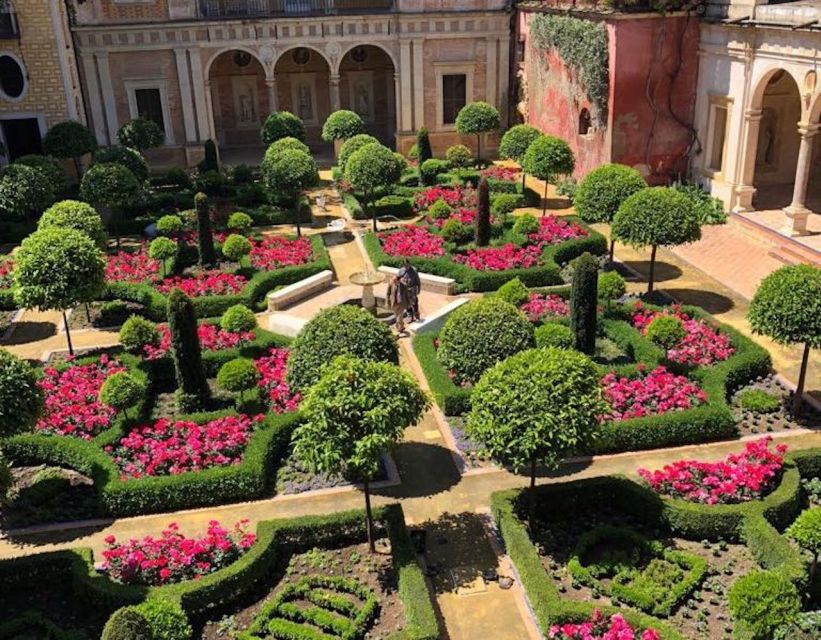
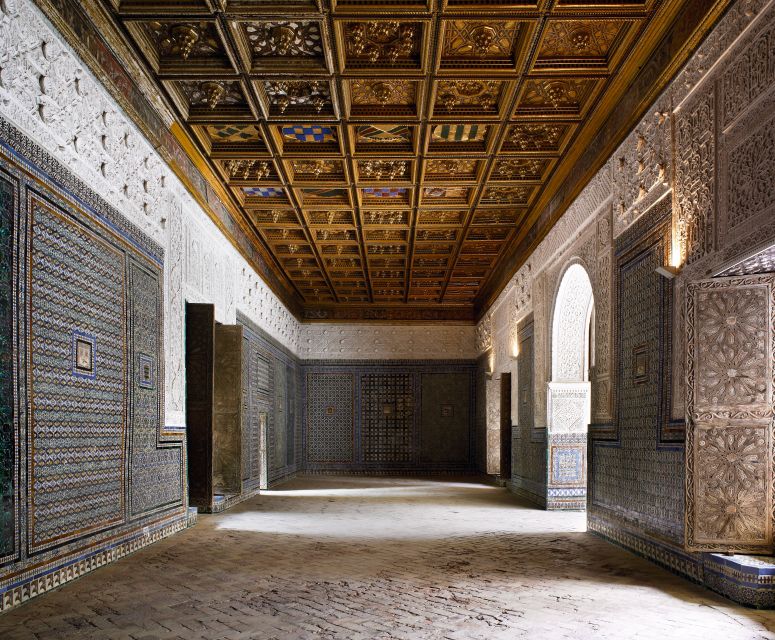
Next, head for the Salón del Pretorio, where you’ll appreciate a coffered ceiling decorated with ornamental bows. This is the kind of ceiling detail that makes you stop walking. The palace keeps pulling you upward, then back down to the tiles, so you get a full-sensory route rather than a one-note experience.
Coffered ceilings can sound technical, but the effect is simple: many recessed panels create depth, and the design makes the ceiling feel taller and more sculptural. The ornamental bows turn it from formal to almost playful.
If you’re the type who usually rushes interiors, this is where you should slow down. Spend a few minutes here and you’ll understand why people call this a must-see Seville stop.
Gardens and sculptures: where the palace feels private and peaceful
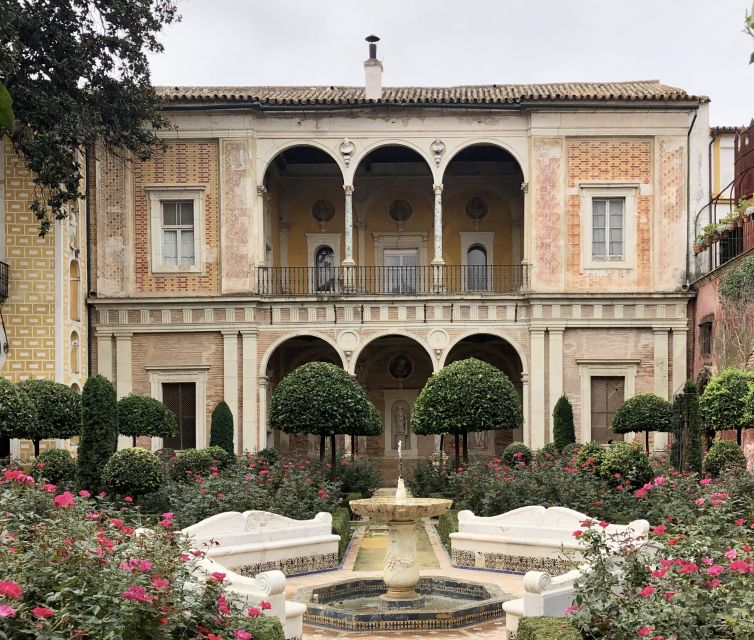
The palace gardens are part of the reason Casa de Pilatos feels calmer than some bigger Seville attractions. Even with visitors coming and going, the garden loop helps break the tour into quieter segments.
The gardens are described as Renaissance style, and what stands out is how they support the palace mood. You can wander between sculpture and planted spaces, and you get a change of pace from rooms and courtyards. It also makes a big difference for photos, because the light in outdoor areas gives you softer results than inside hallways.
One more small win: you’ll likely want time to sit. Several visitors describe lingering in peaceful spots and taking the route slowly, especially later in the afternoon. If you like architecture but also like a break, this is one of those palaces that gives you both.
How to plan your timing: when to go for fewer crowds and better comfort
This ticket is valid for one day, with starting times based on availability. The last entry from Tuesday to Sunday is at 5:30 PM, and entry is free on Mondays between 3 PM and 5:30 PM. Those details matter because Casa de Pilatos works best when you’re not fighting a line or rushing through rooms that deserve attention.
If you want a quieter visit, aim earlier in the day or in the window before evening groups arrive. Reviews often point to calm midday and earlier hours, which makes sense for a ground-floor self-guided palace where you can pause.
Also plan around temperature. Seville heat can hit hard, so having shaded passages, courtyards, and garden breaks helps. If you’re traveling in summer, consider an earlier start and treat late afternoon as your second, slower walking period.
Price and value: is $14 worth it for ground-floor access?
At about $14 per person for ground-floor entry with an audio guide, the value depends on what you want most.
If your priority is architecture plus classical sculpture plus tiles plus gardens, this ticket makes sense. You get the courtyard fountains, the emperor busts, the chapel, the Salón del Pretorio ceiling detail, and the garden atmosphere. It’s not just a quick look either, because the palace layout encourages you to linger.
Where the price can feel less satisfying is if you’re expecting the entire palace with no add-ons. Since upper-floor access is not included, some people may feel they paid for only part of the experience. One practical way to handle that is to check availability for an upstairs option on arrival, if it’s offered, and decide then based on time and interest.
My take: for most people, $14 plus a solid audio guide is fair for a 15th-century palace that still looks like a private home. It’s not a bargain if you hate audio and want a live guide, because this experience is designed around self-guided navigation.
Audio guide reality check: how to make it work for you
Audio guides can be hit or miss. Here, the audio is available in multiple languages, including Spanish, French, English, Portuguese, German, Japanese, and Italian. That’s great if you don’t speak Spanish, but the pacing can still feel heavy if you listen to every detail start to finish.
Some visitors find the guide very easy to use, especially when it’s paired with QR codes and clear signage. Others say it can be too detailed or confusing at times. The good news is you can control this. You don’t have to listen to everything.
Practical strategy:
- Listen to the audio when you’re facing the main feature, like a bust group, a chapel arch, or a ceiling.
- If you feel the narration dragging, pause it and switch to reading what you see.
- Restart your audio when you reach a new room or courtyard so you’re always matching the guide to the space.
If you like to look first and read later, you’ll probably enjoy this more than if you need a constant commentary.
Who should book this ticket, and who should think twice
This ground-floor ticket is ideal if you:
- Want Roman classical sculpture and Renaissance style in one compact route
- Enjoy tilework and architectural details more than museum-style labeling
- Like a self-guided pace, with flexibility to pause and take photos
- Prefer a quieter feel than bigger headline attractions in Seville
It’s a less perfect fit if you:
- Only want the full palace and have limited time, since upper-floor access is not included
- Get irritated by overly detailed audio narration
- Are looking for a live guided walkthrough
If you’re pairing this with the Royal Alcázar later, Casa de Pilatos is a strong setup. It gives you a different slice of Seville’s palace story, and it’s often calmer to visit first and then ramp up to the larger sites.
Should you book the Casa de Pilatos ground-floor ticket?
Book it if you want a focused Seville palace visit that mixes architecture, sculpture, and gardens without the pressure of a big group tour. At around $14, it’s a reasonable deal for the visual payoff you get on the ground floor, especially when you’re using the audio guide to connect names and themes.
Consider holding off or planning an add-on if you feel you must see everything the palace has to offer, including the upper floor. And if you know you dislike audio guides, plan to use the guide selectively rather than treating it like background noise.
If you’re planning your Seville route and you want something artistic, calm, and distinctly palace-shaped, Casa de Pilatos on the ground floor is a smart booking.
Latest Seville reviews into the ledger




Things to Do in Seville, compared.

Live Flamenco Dancing Show Ticket at the Theater
Read our review →
Alcázar, Cathedral & Giralda Skip-the-Line Tour
Read our review →
1-Hour Guadalquivir River Sightseeing Eco Cruise
Read our review →
Cathedral, Giralda & Alcazar Entry With Guided Tour
Read our review →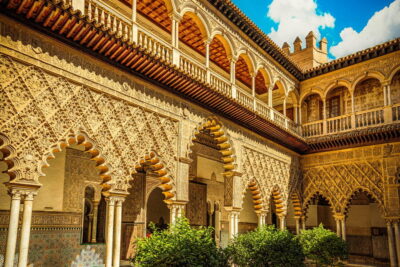
Priority Access Cathedral, Giralda & Alcázar Tour
Read our review →
Browse the lists this tour appears in