
Reviewed · MUSEUMS
Seville: Museum of Illusions Entry Ticket
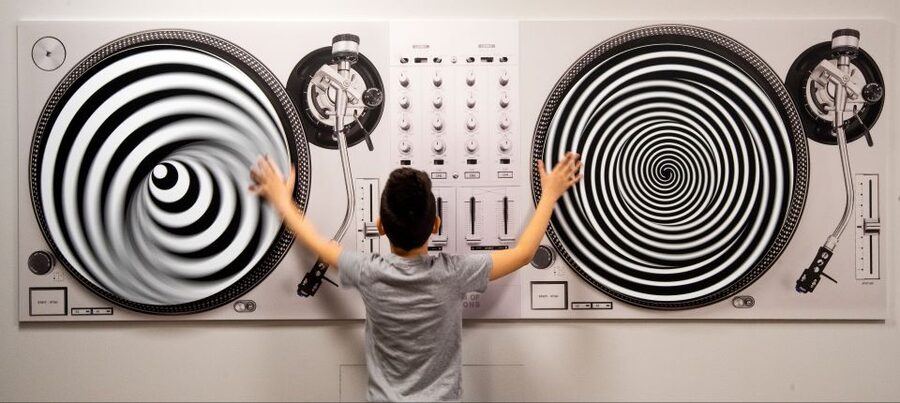
Your eyes will not stay honest in Seville. This ticket is a fun, hands-on way to play with optical tricks, from holograms to rotating rooms, all in one compact visit. I like that it is family-friendly but still smart, pushing you to notice how your brain edits what you see.
I also love the photo energy, especially in the Upside Down Room and the Infinity-style illusion zones. One possible drawback is the small size, which can mean you feel done faster than you expect, and popular time slots can get crowded.
In This Review
- Key highlights at a glance
- After you arrive: how the visit really flows
- Entering the Museum of Illusions: check-in and first-room momentum
- Upside Down Room: where gravity gets creative
- Infinity-style illusions: making space look endless
- Vortex tunnel and balance tests: fun with a caution
- Touch, puzzles, and hands-on learning that does not feel like homework
- Holograms and rotating rooms: when perspective behaves badly
- How long to plan: a 1-day ticket, but not always a long visit
- Price and value: what $17 buys you in Seville
- Who should book this ticket, and who should think twice
- Practical tips for better photos and smoother fun
- FAQ
- FAQ
- Where do I show my voucher for entry?
- How long does the Museum of Illusions visit take?
- What is included in the ticket?
- Is a guide included with the ticket?
- What languages are available?
- Is the museum wheelchair accessible?
- What should I bring with me?
- Can I cancel and get a full refund?
- Is the ticket valid for more than one day?
- Should you book the Seville Museum of Illusions ticket?
Key highlights at a glance
- Upside Down Room flips your sense of gravity for instant camera laughs
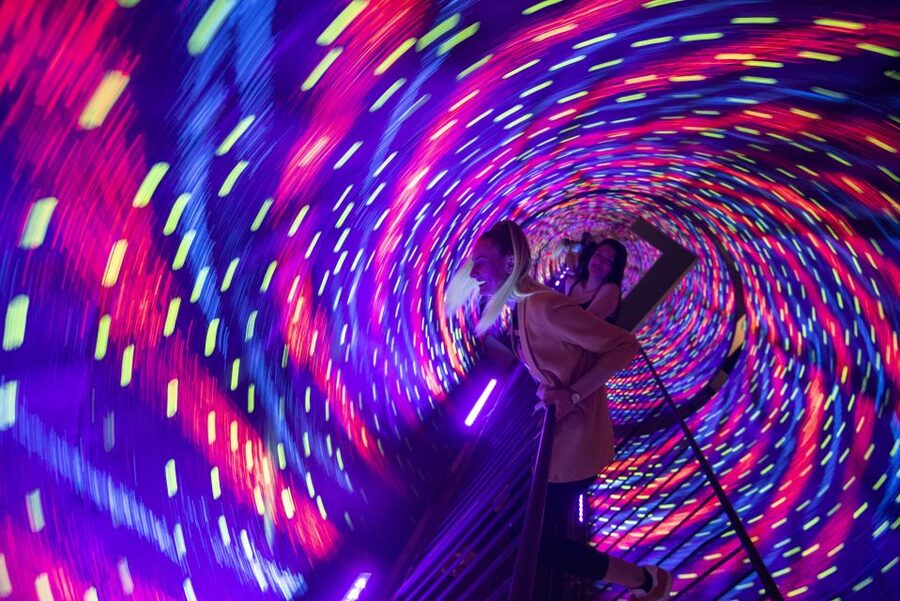
- Vortex tunnel tests your balance and can make some people feel dizzy
- Infinity Room uses perspective to create space where none exists
- Touch-interact exhibits and 3D puzzles reward slow, close looking
- Holograms and mirage-like effects play with depth and distance
- Staff help with photos, so you do not have to wrestle your camera the whole time
After you arrive: how the visit really flows
Plan this as a stop you can do without a strict itinerary. You show up at Museo de las Ilusiones, present your voucher at the desk, and then you just start moving through the rooms and installations. There is no guide included with this ticket, so the experience is mostly self-directed, with staff there to help when you need it.
That matters. Self-guided can feel freeing in a museum like this, because the best moments are often the ones you take slowly. With optical illusions, you are not just viewing. You are testing. You look from one angle, step back, then move again. You try to figure out why your brain is misreading the scene. If you like that kind of playful challenge, this format works.
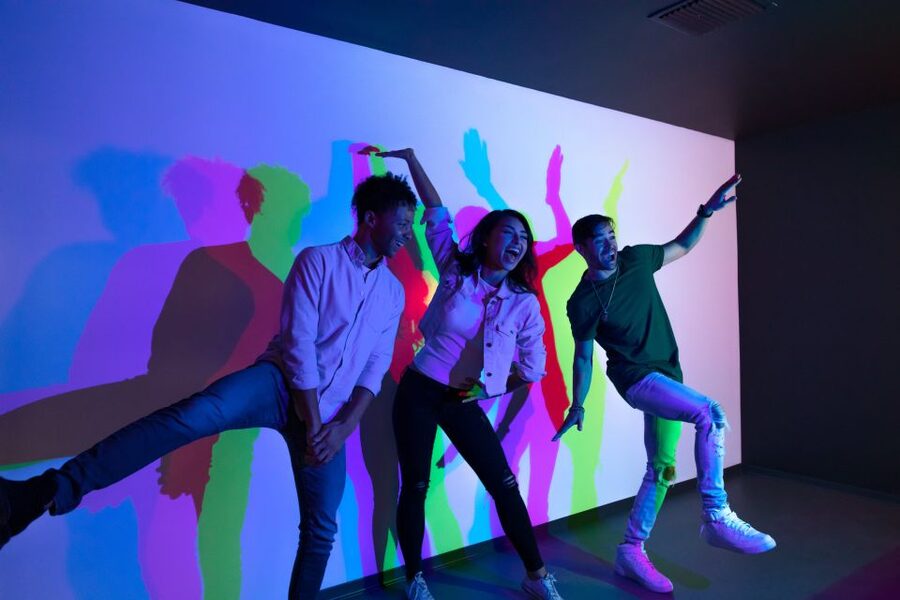
The basics are simple, and the entry ticket is straightforward: it gets you in. You will want a camera (phone works too) because a big part of the fun is perspective photos you can share right after. Staff are also described as helpful with taking pictures, which is handy if you travel with kids or you are trying to avoid awkward self-timer attempts.
Because the museum is compact, I suggest you do not overstuff your day in Seville. Give yourself enough buffer to re-do favorites, and to pause when a room gets a line.
More Spanish halls of paint and armour:
- Seville: Puro Flamenco Show with Optional Museum Ticket
★ 4.8 · 6,088 reviews - Seville: Puro Flamenco Show – Museo del Baile Flamenco
★ 5.0 · 781 reviews - A Fantastic Visit To The Museum Of Illusions Seville
★ 4.5 · 390 reviews - Madrid: Prado Museum Entry Ticket
★ 4.6 · 20,699 reviews
Entering the Museum of Illusions: check-in and first-room momentum
Your first job is to get your bearings fast. Once you are inside, start with whatever catches your eye first. The installations are designed to be instinctive: you walk in, see the setup, and then your body responds before your brain catches up. That quick reaction is part of the point.
Also, pay attention to the language environment. The host or greeter is listed with Spanish and English, so you should be able to ask basic questions if you are unsure where to go next or how to handle a specific photo moment.
There is no separate guide covering the science behind each display, so you are your own interpreter. That can feel less formal, but it also keeps the pace lively. You learn by doing, and the museum nudges you into observation without turning it into a lecture.
Upside Down Room: where gravity gets creative
The Upside Down Room is one of the headline experiences, and for good reason. You rotate your world so it feels like gravity is working the wrong way, and your camera becomes the evidence. The effect is not just visual. It changes how you move, how you stand, and how you look like you are interacting with objects that should not be reachable.
This is where the museum’s best “play” happens. Go in with a simple plan: take a few normal shots first, then switch to silly ones. Stand in the same spot twice and compare the difference. If you bring kids, this is usually the first moment that gets them fully on board, because it looks instantly funny.
A practical note: these rooms can attract a lot of attention at peak times. If there is a wait, do not drift away too far. Instead, use the gap to watch how other people frame the shot, then copy their angle when it is your turn. It saves time and helps you get a result you actually like.
Infinity-style illusions: making space look endless
The Infinity Room (and similar perspective installations) is built around the same principle: your brain tries to interpret depth and distance, and the display feeds you a convincing lie. You are likely to notice it most when you try to line up a photo or when you move your body toward the illusion.
I love these moments because they are easy to understand without any explanation. You do not need a science degree. You just need a willingness to trust what your eyes say for a few seconds, then question it.
For photos, this is where you can get the most dramatic results with the least effort. Try taking pictures from slightly different heights, and step a little left or right each time. Small movement changes how the illusion stacks, and it often makes the difference between a flat photo and a true “wow, how did that happen” shot.
More Things to Do in Seville
- Seville: Royal Alcázar Entry Ticket★ 4.6 · 28,378 reviews
- Seville: Live Flamenco Dancing Show Ticket at the Theater★ 4.7 · 16,396 reviews
- Seville: Alcázar, Cathedral & Giralda Skip-the-Line Tour★ 4.8 · 11,525 reviews
Vortex tunnel and balance tests: fun with a caution
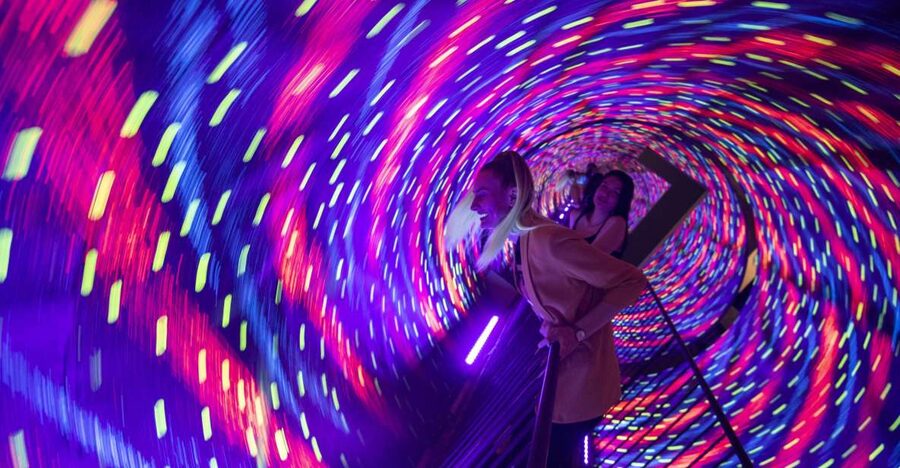
The vortex tunnel is another standout. It is specifically called out as a place to test your senses as you cross the tunnel. That is a big hint: some people feel that effect strongly. If you are prone to motion sensitivity, or if you get dizzy easily in immersive visual setups, I would treat this one as optional.
How do you handle it in real life? You can stand at the entrance and watch the flow for a moment. Then decide. If you go in, go slowly and keep your eyes moving in a controlled way, rather than staring too hard at a single point. You are trying to avoid over-focusing on the trick.
Even if you skip the tunnel, you can still enjoy the rest of the museum. The display set is varied: upside down rooms, holograms, touchable exhibits, and puzzle stations all help you get the “illusion” fix without relying on one intense effect.
Touch, puzzles, and hands-on learning that does not feel like homework
Not all the fun is about rooms you walk through. The ticket also gets you access to interactive zones where you can touch and interact with exhibits and solve 3D puzzles. This is where the museum shifts from purely visual tricks into tactile problem-solving.
I like this part because it slows you down. When a display asks you to solve a 3D puzzle or test a physical relationship, you stop relying only on your eyes. You combine vision with hands, and that makes the trick more memorable.
For families, this is also a win. Kids can switch from “stand there and look” to “try this, move that, see what happens.” It keeps the visit moving even if a child loses interest in one specific room. The puzzle pieces and interactive tasks help you rotate attention without feeling stuck.
A good strategy: if a puzzle is busy, do not hover. Step back and look at how the room is set up. Then jump in when you can focus. Optical and tactile exhibits often reward patience more than speed.
Holograms and rotating rooms: when perspective behaves badly
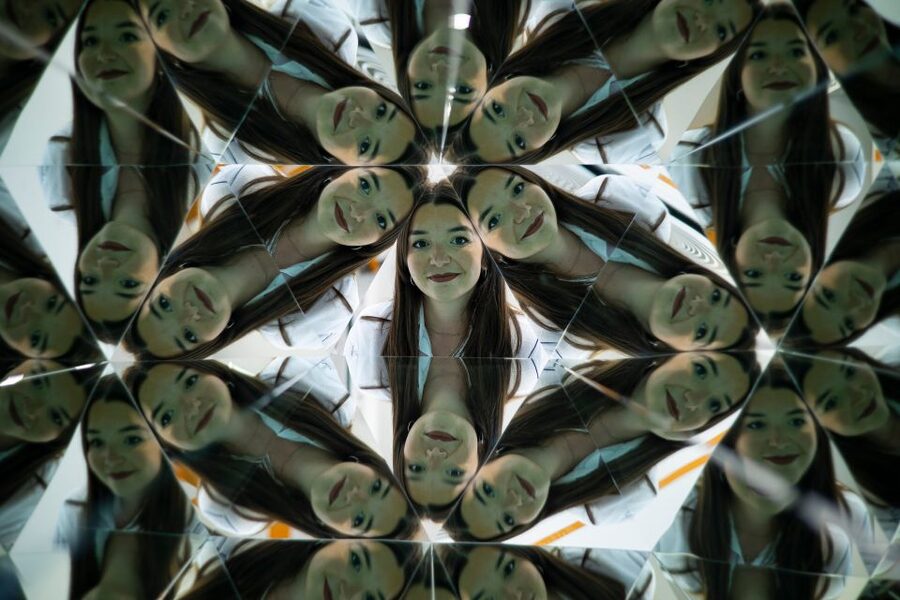
Holograms and rotating rooms bring a different flavor to the experience. Hologram effects are great for teaching the idea that a picture is not the same thing as reality. Your eyes accept the depth cues, then the setup challenges what you assume about distance.
Rotating rooms do similar work with motion. As the room shifts, your body expects one kind of geometry, and the installation gives you another. You end up in that slightly confused but delighted zone, where you laugh because you cannot fully explain it, even though you can feel the logic in the trick.
If you are the type who enjoys photography, these rooms are prime spots. Move around a subject to see how the “lie” changes with camera position. Even if you are not trying to be artistic, you can get practical shots: a clear angle that proves the illusion, plus a second angle that shows how your interpretation changes.
How long to plan: a 1-day ticket, but not always a long visit
The ticket is valid for 1 day, but your actual time inside depends on your pace. Some people spend close to two hours, while others finish in a much shorter window. That range is normal for this kind of museum because it is compact and photo-focused.
So here is my practical advice: plan on 45 minutes to 2 hours depending on how many illusions you redo and how long you wait for photo opportunities. If you like taking your time and examining each installation thoroughly, lean toward the longer end. If you want a quick, fun break from Seville heat and crowds, lean shorter.
Crowds can affect your timing. If your entry time overlaps with many other groups, you may need to wait in the popular rooms, especially those with photo-ready setups. If that happens, do not rush. Use the wait to check out nearby installations so your time still feels full.
Also, this is a good stop during shoulder hours, when the rest of the city is active but you are not stuck in long lines for every attraction.
Price and value: what $17 buys you in Seville
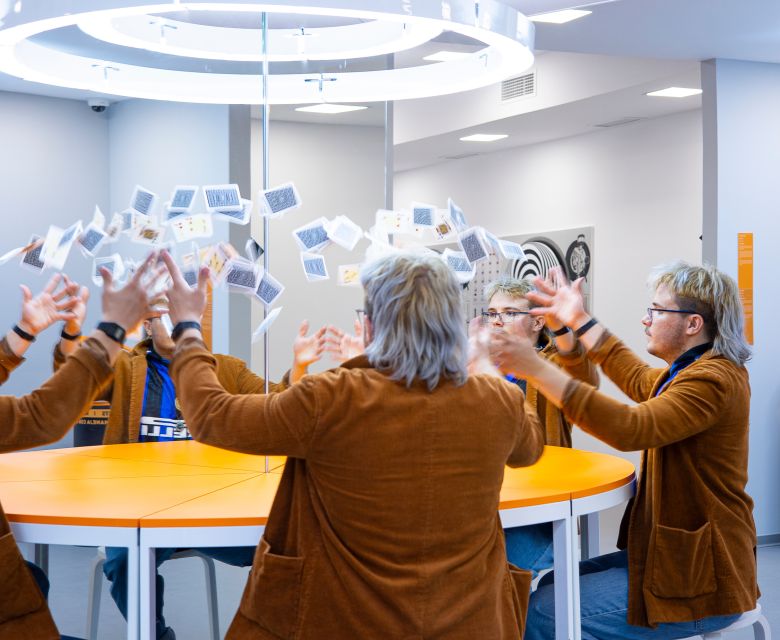
At $17 per person, the value comes from interaction. You are not paying for one static exhibit. You are paying for multiple rooms and activities that you actively participate in, with lots of photo moments baked in.
There is a fair question here: the museum can feel small. Based on what people experience, you might finish quickly, and that can make the price feel steep if you expected a bigger attraction. But if you go in with the right mindset, it often feels like a decent deal for an afternoon of laughs, puzzles, and mind-bending effects.
It also helps to compare ticket purchasing channels. One booking record in the supplied information notes door pricing around 15, while an online deal was around 12. That suggests you might want to check advance options so you are not surprised at the register.
Finally, remember there is no guide included. That is either a downside or a plus, depending on your style. If you want someone explaining the physics of the illusions, you will not get that here. If you want a playful, self-paced experience, this setup fits.
Who should book this ticket, and who should think twice
This is a strong pick if you are traveling with kids. The interactive exhibits, photo-ready rooms, and touch-and-puzzle areas tend to keep children engaged. It is also a great option when you want something indoors in Seville, especially if the weather is hot or you want a break between outdoor sightseeing blocks.
Adults also enjoy it, especially if you like playful challenges and you do not take the concept too seriously. The best way to get value is to treat it like an activity, not a quiet museum.
If you are sensitive to dizziness, be cautious with the vortex tunnel. The museum is family-friendly, but some visual setups can still trigger that feeling in certain people. You can always choose not to do the tunnel and still have a complete visit.
If you are traveling solo, you may find it harder to fully enjoy the camera moments unless you are comfortable taking shots on your own. The upside is that staff are described as helpful with taking photos, so you can ask for assistance to improve your results.
Practical tips for better photos and smoother fun
Bring your camera and keep it ready. In these rooms, the “best” photo often comes quickly, then the moment passes. If you are filming or taking long videos, you might miss the quick peak reaction.
Use staff help when offered. The information you have here indicates staff are helpful and often assist with taking photos. If you see someone in a photo-ready position and you want a clean result, ask. It saves time and makes the photo look like it was planned.
Take a slow approach to the illusions you like most. Many exhibits reward close looking. Step in, then step out. Angle your phone slightly, then compare. If you only take one photo per room, you might miss the trick’s strongest version.
Finally, build in a small buffer for waiting. If a room is busy, you might spend more time queuing than you expected. That is not a sign you chose wrong. It just means you should schedule the museum like a flexible indoor block, not a tight timed appointment.
FAQ
FAQ
Where do I show my voucher for entry?
Show your voucher at the Museo de las Ilusiones.
How long does the Museum of Illusions visit take?
The experience is listed as 1 day. Your time inside may vary based on pace, but it is typically a shorter indoor activity rather than an all-day museum marathon.
What is included in the ticket?
Your ticket includes Museum of Illusions entrance.
Is a guide included with the ticket?
No. A guide is not included with this ticket.
What languages are available?
The host or greeter is listed as Spanish and English.
Is the museum wheelchair accessible?
Yes, it is listed as wheelchair accessible.
What should I bring with me?
Bring a camera.
Can I cancel and get a full refund?
Yes. Free cancellation is available up to 24 hours in advance for a full refund.
Is the ticket valid for more than one day?
No. It is valid for 1 day.
Should you book the Seville Museum of Illusions ticket?
If you want an indoor activity with hands-on optical tricks, photo-ready rooms, and puzzle-style fun, this ticket makes sense. It is especially worth it for families, since the exhibits are designed to be interactive and keep kids engaged.
I would book it if you are okay with a compact museum and a self-guided format. I would think twice if you strongly prefer a guided, in-depth explanation for every exhibit, or if you are very prone to dizziness from visual effects, since the vortex tunnel is specifically described as a sensory test.
Latest Seville reviews into the ledger






Museums, compared.

FC Barcelona Museum “Barça Immersive Tour” Ticket
Read our review →
Park Güell and Gaudí House Museum Entry Ticket
Read our review →
Puro Flamenco Show with Optional Museum Ticket
Read our review →
Moco Museum Barcelona: Modern & Contemporary Art
Read our review →Browse the lists this tour appears in