

Reviewed · HISTORICAL TOURS
Tenerife: History The Evolution of Music Show Entry Ticket
One of the best nights in Las Américas is a stage show with momentum. History of Music at the Piramide de Arona turns music history into a live production with singing, dancing, and big-screen style visuals. I especially like how the show moves through decades instead of getting stuck in one genre.
What I like most is the scale and precision: a large cast including musicians, singers, and dancers plus acrobatic moments, all staged inside a purpose-built auditorium. You get a clear sense of performance quality, right down to the costume changes that help each musical era land fast.
One thing to consider: if you’re buying mainly for one name on the poster like Michael Jackson, you may find that the show’s spotlight spreads across many artists rather than lingering a long time in any single segment.
In This Review
- Key highlights you should know
- History of Music in Tenerife at Piramide de Arona, what it really feels like
- The setting: why the Piramide de Arona makes a difference
- The show concept: music evolution as a live storyline
- What you’ll see: the performers, the eras, and the famous names
- A typical timing rhythm: plan for the 2.5 hours and the midpoint break
- Seating and the line outside Hard Rock Café
- Sound, vocals, and the kind of crowd the show attracts
- Costumes and stagecraft: why it’s more than just a song list
- Drinks and breaks: what to expect at the bar
- Who should book this show?
- Value and price: is 58 USD worth it?
- Practical details you should plan for
- Should you book History of Music Tenerife?
- FAQ
- Where is the meeting point for History of Music in Tenerife?
- How long is the History of Music show?
- What is included in the ticket price?
- What languages are available for the host or greeter?
- Is the venue wheelchair accessible?
- How much are tickets?
Key highlights you should know
- Arona Pyramid venue: a modern, purpose-built auditorium in Playa de las Américas
- Music through the ages: eras and styles from classical to rock and film soundtracks
- Big international cast: billed as 30 artists from 15 countries, with live music, vocals, dance, and acrobatics
- A real break halfway: the pacing includes a pause mid-show so you can reset
- Go early for queues: expect a line outside the Hard Rock Café area and plan around it
History of Music in Tenerife at Piramide de Arona, what it really feels like
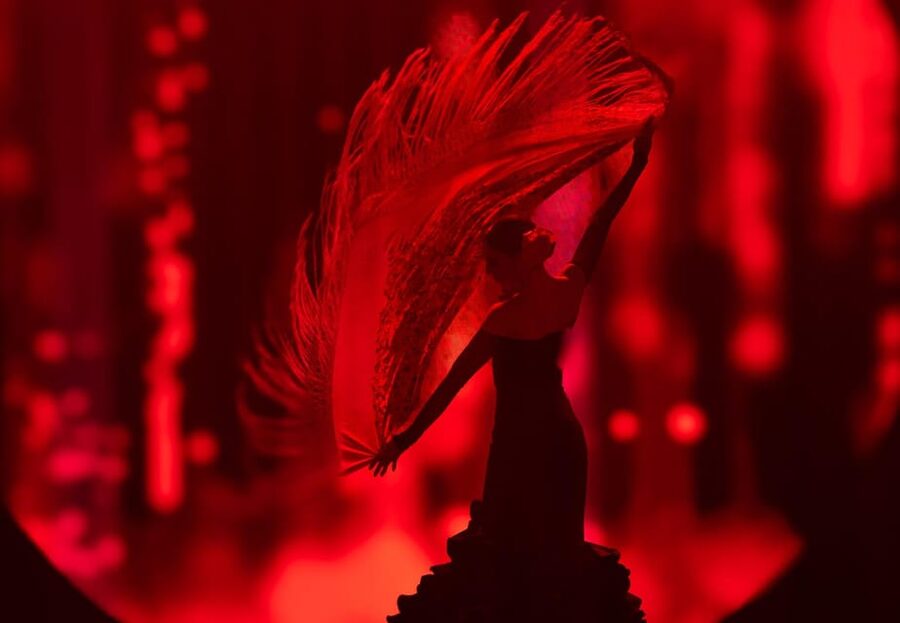
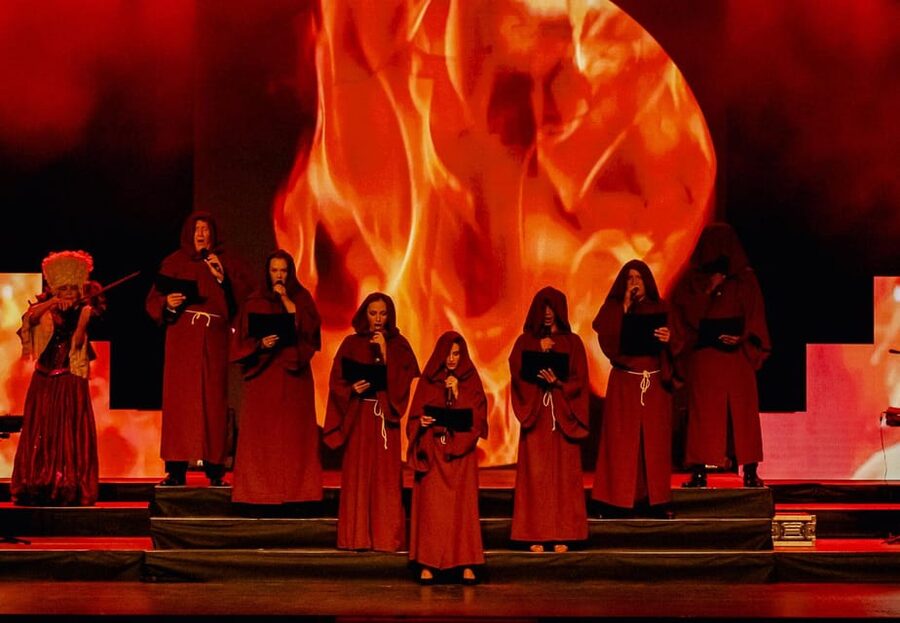
Tenerife’s south has a strong “show night” culture, and History of Music is one of the headline productions. It’s not a small local review band. This is a themed musical performance that tries to stitch together how music evolved, using live vocals and music alongside dance, theatre-style staging, and audio-visual montages.
The location matters. The performance happens in the Piramide de Arona, a striking auditorium in Playa de las Américas, right by the Hard Rock Café. The setting keeps things easy. You can make it part of a normal evening stroll, then settle in without complicated logistics.
And the show’s theme is built for variety. You’re going from the world of classical composers through twentieth-century pop and rock, with recognizable names like Mozart, Beethoven, The Beatles, Queen, ABBA, Pink Floyd, and then into pop icons such as Elvis and Michael Jackson. It’s a fast tour of the moments people actually remember, not a lecture.
A few more Tenerife verdicts worth reading
- Madrid Essential: Historic Center, Plaza Mayor & Royal Palace
★ 5.0 · 6,416 reviews - Barcelona: Tapas Walking Tour with Food, Wine, and History
★ 4.8 · 4,261 reviews - Sevilla Food Tour: Tapas, Wine, History & Traditions
★ 5.0 · 3,468 reviews - Valencia Old Town Tour with Wine & Tapas in 11th Century Historic Monument
★ 5.0 · 3,234 reviews
The setting: why the Piramide de Arona makes a difference
When I look for a good stage show, I care about the room. Here, the venue is one of the reasons the experience works.
First, it’s built as a true auditorium. That means sound and visibility are designed for an audience, not a street-level performance space. In practice, that matters for an action-heavy show that includes vocals, live musicians, dance, and acrobatics. You want the energy to land cleanly, not get swallowed by echo or weak speakers.
Second, the venue is convenient. Your meeting point is Pirámide de Arona in front of Hard Rock Café. That’s about as straightforward as it gets in Las Américas. You can eat beforehand, walk over, and handle the evening without a car or complicated directions.
Finally, the show is designed for comfort. One of the most repeated practical wins is that the theatre has air-conditioning, which is a big deal in Tenerife evenings when temperatures can still feel warm.
The show concept: music evolution as a live storyline
The basic promise is simple: you’ll relive important moments in music history. But the way it’s structured is what makes it entertaining instead of overwhelming.
The production blends several performance styles:
- live music with a multi-musician setup
- vocal performances intended to sound like the era, not just the song
- dance and theatre staging that visually marks the transition between time periods
- acrobatic and gymnastic-style moments for variety and spectacle
- audio-visual montage elements that help you track the timeline
That mixture is especially useful if you’re going with a group where tastes vary. Some people want classical cues. Others want rock or pop. The show tries to hit multiple generations, so you’re less likely to have half the group bored during long stretches.
What you’ll see: the performers, the eras, and the famous names

You should expect a high-energy production. It’s billed as a show performed by musicians, singers, and dancers from 15 countries, with 30 artists on stage. The live cast is described as 8 musicians, 8 singers, and 15 dancers and acrobats, so you get that “many moving parts” feeling from start to finish.
In terms of content, it’s built around a timeline that moves through eras and styles. The show specifically references:
- Mozart and Beethoven (classical anchor points)
- Caruso (vocal tradition)
- Elvis and The Beatles (early rock and pop crossover)
- Queen, ABBA, and Pink Floyd (big chart eras and rock identities)
- plus Michael Jackson as one of the headline artists
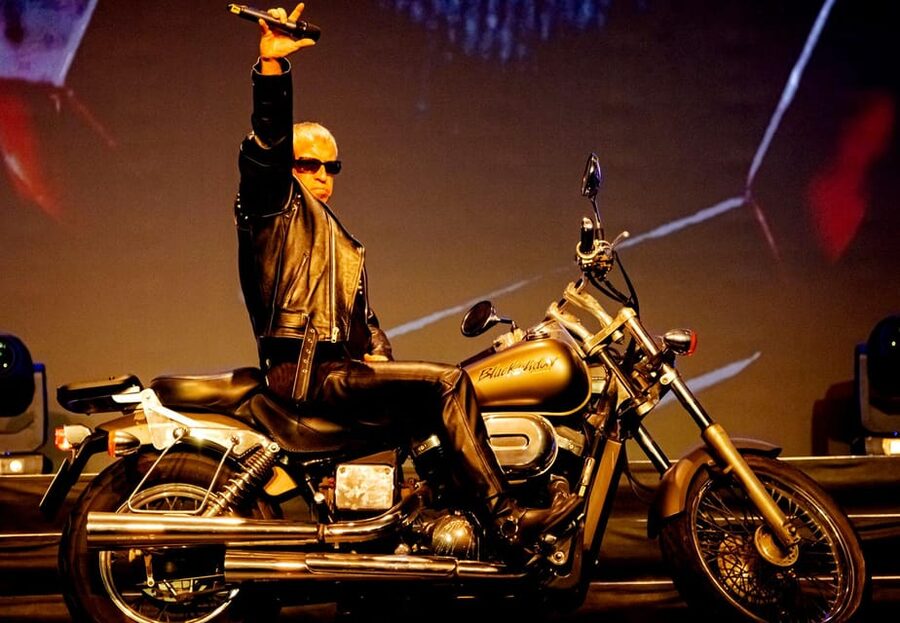
It also uses broader categories like Renaissance and Middle Ages, plus segments tied to silent film, soul and gospel, rock, and more. You’ll even see recreations that connect to film and theatre soundtracks, including Broadway-style musical theatre.
Here’s how that plays out for you in the audience: you’re not waiting for one big medley to make the evening worthwhile. You’re watching constant costume shifts, set changes, and staged performance transitions so you always have something happening, even if you don’t know every song in the setlist.
Tenerife, continued down the scoresheet:
- Siam Park Entry Tickets★ 4.5 · 15,710 reviews
- Tenerife: Eco-Yacht Whale and Dolphin Watching and Swimming★ 4.7 · 15,619 reviews
- Los Cristianos Respectful No-Chase Whale and Dolphin Safari★ 4.6 · 12,782 reviews
A typical timing rhythm: plan for the 2.5 hours and the midpoint break
The show lasts 2.5 hours. That’s long enough to feel like a real production, but short enough that you won’t feel stuck.
One of the most practical details you’ll want to plan around is that there’s a break about halfway through. That pause is often valued because it gives families and couples a moment to stand, use the restroom, and reset without missing the momentum of the storyline.
So what should you do with that info? If you’re pairing the show with dinner, aim to eat earlier rather than assuming you can squeeze in a full meal right before you take your seat. If you like drinks during the performance, plan for the fact that concessions can take time.
Seating and the line outside Hard Rock Café
This is one of those real-world details that changes your night.
Seats are not assigned. You choose your own seating once you enter. That means earlier arrival usually equals better picks, especially if you care about being closer or having a clearer view of the stage action.
People also recommend arriving early because there can be a significant queue outside the Hard Rock Café. A common tip is to get there around 7:30, since the line can build quickly. If you’re traveling with kids, or you simply hate waiting, that advice is worth taking seriously.
My practical take: treat it like a concert rather than a casual theatre stop. Arrive early enough to settle down, not just early enough to barely get in.
Sound, vocals, and the kind of crowd the show attracts
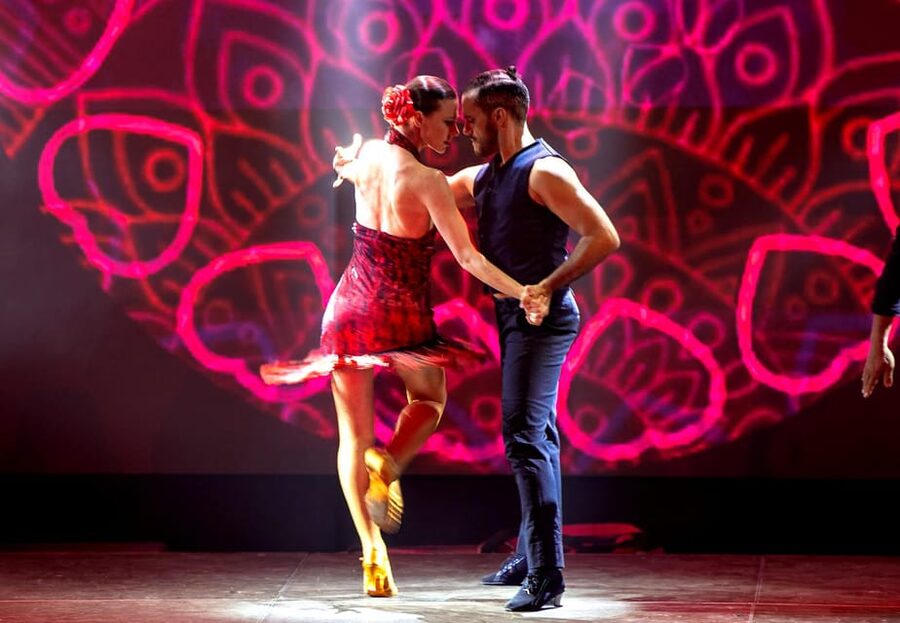
This is the part you can’t fake. The show is built on live singing and live musicians, and the quality of that live performance is a major reason the ratings stay high. With an audience spread across generations, the production leans on recognizable melodies and performance styles that land quickly.
A recurring strength is that the show often invites interaction. You’ll likely find yourself singing along at times, not just watching from the dark. That kind of participation makes the show feel less like background entertainment and more like a shared experience.
Also, the cast energy matters. The choreography and staging include humour mixed into the transitions, which keeps the serious parts of the music history from feeling too rigid.
If you’re wondering about modern music: the show covers multiple decades, but it’s not a “latest hits only” concept. One downside you might notice is that someone expecting a lot of post-2020 chart music could find the focus skews more historical. In other words, the show’s goal is evolution, not immediacy.
Costumes and stagecraft: why it’s more than just a song list
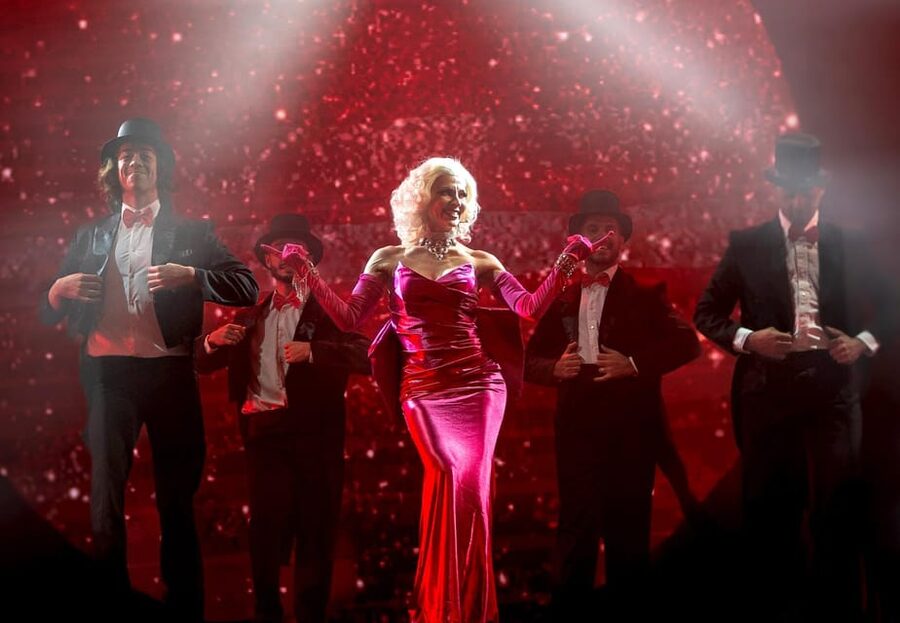
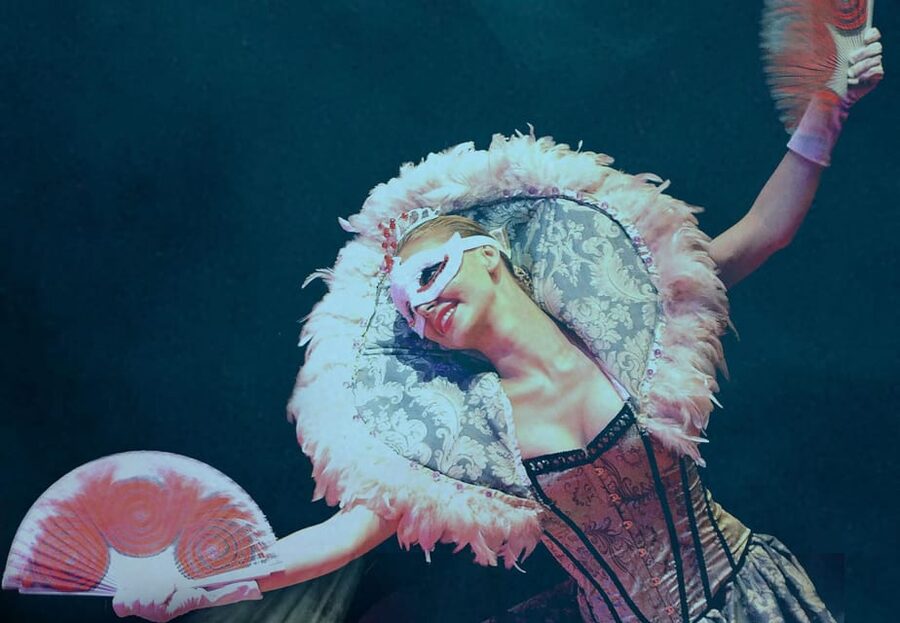
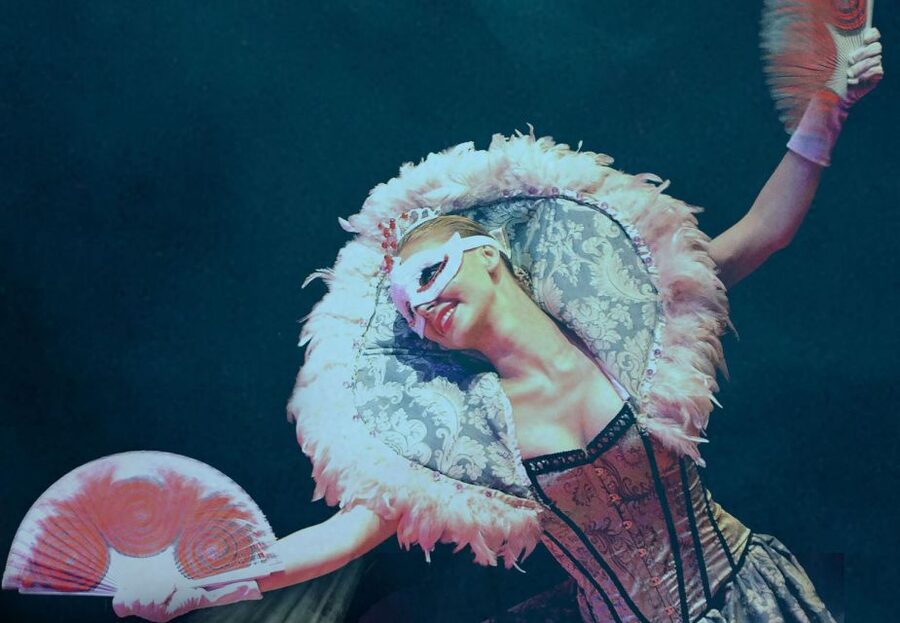
One of the biggest visual payoffs is the costume work. The production has frequent outfit changes tied to each era, and that helps you stay oriented. Even if you’re not deeply familiar with a specific composer, the costume and staging make it clear what time period you’re in.
You’ll also see audio-visual montage elements used to connect eras. That helps the show keep its timeline moving, instead of stopping every ten minutes for someone to explain context. It’s entertainment-first, so the visuals are doing storytelling work.
And because the cast includes dancers and acrobats, the stagecraft stays kinetic. You’re not watching one static line of performers. It’s built for movement, and that adds variety across the 2.5 hours.
Drinks and breaks: what to expect at the bar
Food or drinks are not included in the ticket. That means you’re relying on on-site options if you want a drink.
A practical caution from experience patterns: bar service can feel slow at peak times, especially if the break hits and everyone stands at once. If you’re sensitive to waiting, consider getting your drink earlier in the evening or around the start of the break rather than waiting until the very end.
You may also notice that the venue uses plastic cups. Not a dealbreaker, but it changes the vibe if you’re expecting a polished cocktail-service style.
Who should book this show?
History of Music is a strong fit if you want:
- a big production in a convenient location (no car required once you’re in Las Américas)
- a show that covers many genres, so groups are less likely to argue about what to watch
- a night out that works for adults and kids, with a mix of theatre, dance, and live vocals
- a comfortable indoor option when the island schedule has you tired
It’s also a good choice if you love music but don’t want a museum-like pace. This show is about feeling the transitions between eras through performance.
If you’re the type who hates large crowds, the queue and the popular timing may be a mismatch. If your priority is a long, deep dive into one artist, you might prefer a different format.
Value and price: is 58 USD worth it?
Tickets are listed at $58 per person. That’s not budget-level pricing, but it also isn’t “only for special occasions” pricing. The value comes from the production scale.
You’re paying for:
- a cast billed at 30 artists with musicians, singers, dancers, and acrobats
- a purpose-built venue experience at Piramide de Arona
- a 2.5-hour full production with costume changes, staging, and visual components
When a show has enough performers to keep the stage active and varied for the entire runtime, the ticket starts to feel more like a theatre bargain than a casual attraction.
The biggest value check for you is timing. Since seating is unassigned and queues build, you’ll get better value by arriving early enough to place yourself well. A $58 ticket can feel different if you’re stuck far back, so treat the arrival time as part of the cost.
Practical details you should plan for
Before you go, keep these in mind so the night feels smooth:
- Meeting point: Pirámide de Arona in front of Hard Rock Café
- Duration: 2.5 hours with a break halfway through
- Language: English and Spanish host or greeter
- Ticket contents: the ticket includes entry only, no food or drinks
- Venue access: the venue is wheelchair accessible, and there is a host or greeter on hand
If you have mobility concerns, plan to arrive early so you can handle getting settled without stress. One detail in the conversation around access has to do with lift sizes, so it’s smart to arrive prepared and allow extra time if you’re using a mobility scooter.
Should you book History of Music Tenerife?
Yes, I think you should book it if you want a high-energy indoor night that mixes genres and generations. The show’s main strengths are the live music, the international cast, and the way it keeps moving through eras instead of lingering in one style. At a $58 price point, it makes sense for a 2.5-hour production when you factor in the size of the on-stage team and the purpose-built venue.
Skip it or switch plans if you’re only interested in one artist for an extended set, or if you know you hate queues and choose to arrive late on purpose.
If your goal is a classic all-ages evening out in Playa de las Américas that’s more than just background entertainment, History of Music is a solid bet.
FAQ
Where is the meeting point for History of Music in Tenerife?
You meet at Pirámide de Arona, in front of Hard Rock Café.
How long is the History of Music show?
The show lasts about 2.5 hours.
What is included in the ticket price?
The ticket includes entry to History The Evolution of Music. Food or drinks are not included.
What languages are available for the host or greeter?
The host or greeter is available in English and Spanish.
Is the venue wheelchair accessible?
Yes, the venue is listed as wheelchair accessible.
How much are tickets?
Tickets are listed at $58 per person.
Latest Tenerife reviews into the ledger






Historical Tours, compared.
Madrid Essential: Historic Center, Plaza Mayor & Royal Palace
Read our review →
Tapas Walking Tour with Food, Wine, and History
Read our review →
Sevilla Food Tour: Tapas, Wine, History & Traditions
Read our review →
Valencia Old Town Tour with Wine & Tapas in 11th Century Historic Monument
Read our review →
Madrid Tapas & Taverns Small Group Food & History Tour
Read our review →
Barcelona Tapas Walking Tour: Food, Wine & History
Read our review →
Ultimate Seville Tapas, Wine & History Small Group Tour
Read our review →
Skip-the-Line Great Mosque-Cathedral History Tour
Read our review →Browse the lists this tour appears in