
Reviewed · THINGS TO DO IN TENERIFE
Tenerife: La Casa de Los Balcones Entrance Ticket
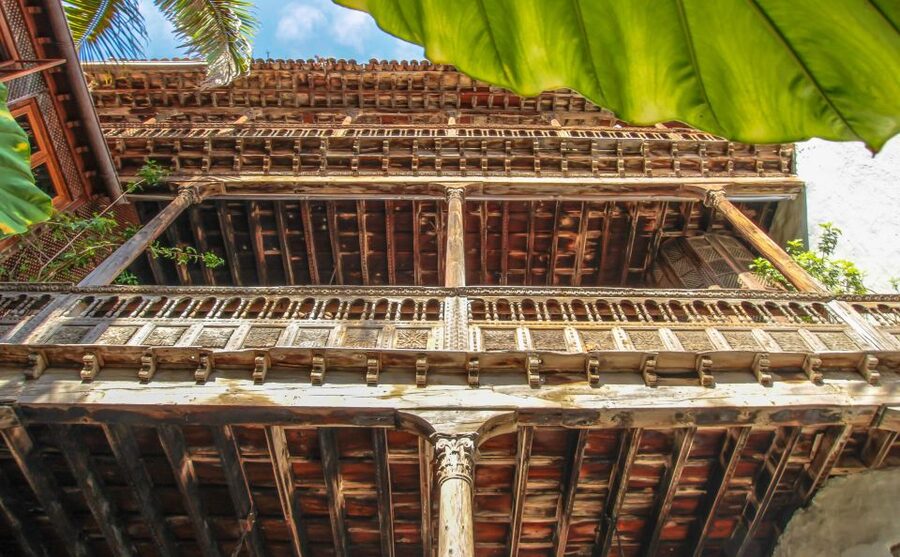
Old rooms, modern audio, real craftsmanship. La Casa de Los Balcones turns a former 19th-century Canarian townhouse into a museum you can walk through, with preserved family spaces and local art. I especially loved seeing the personal antiques and belongings from the original owners, and then shifting to the handcraft focus, including the intricate threadwork known as Calados.
The main thing to plan for is that the experience is intentionally focused and can feel short for some people, and the included audioguide relies on your own phone and headphones. One verified booking specifically flagged an issue with the audioguide working on Apple devices, so it’s worth being prepared.
In This Review
- Quick hits before you go
- La Casa de Los Balcones: a 19th-century townhouse museum on Tenerife
- Ticket value for a short, focused one-day visit
- Walking your way through the visit flow inside the museum
- Antiques and the family-owned collection that makes it feel lived-in
- Calados threadwork: why this craft is the heart of the museum
- How the museum connects the house to town roots and Canarian traditions
- Audio guide in four languages, plus a key practical tip
- What to buy at the gift shop, including miniature La Orotava balconies
- Time, pace, and who will enjoy this most
- The main drawback to plan around
- Should you book La Casa de Los Balcones entrance tickets?
- FAQ
- How much is the entrance ticket for La Casa de Los Balcones?
- What’s included with the entrance ticket?
- Which languages are available on the audio guide?
- What do I need to use the audio guide?
- Where do I show my voucher when I arrive?
- How long is the activity, and is the ticket valid for one day?
- Is there free cancellation?
- Is La Casa de Los Balcones suitable for wheelchair users or mobility impairments?
Quick hits before you go
- A preserved 19th-century Canarian townhouse that you walk through room by room
- Personal antiques collection from the former home owners
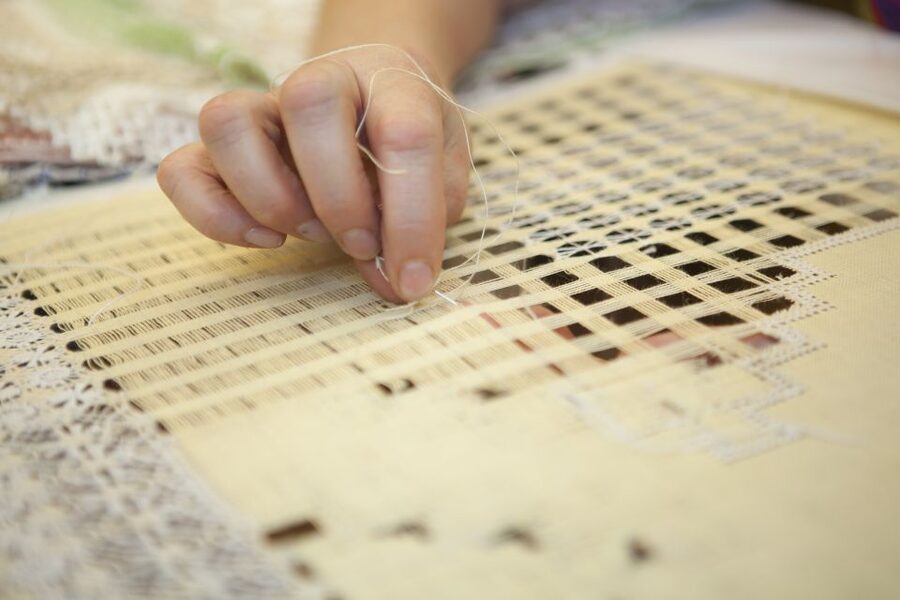
- Calados threadwork displays, including the history and techniques behind it
- Local art plus traditional handcraft exhibits, not just static information
- Downloadable audio guide in four languages on your own phone with headphones
- Gift shop shopping, including embroidery, lace, pottery, and miniature La Orotava balconies
La Casa de Los Balcones: a 19th-century townhouse museum on Tenerife
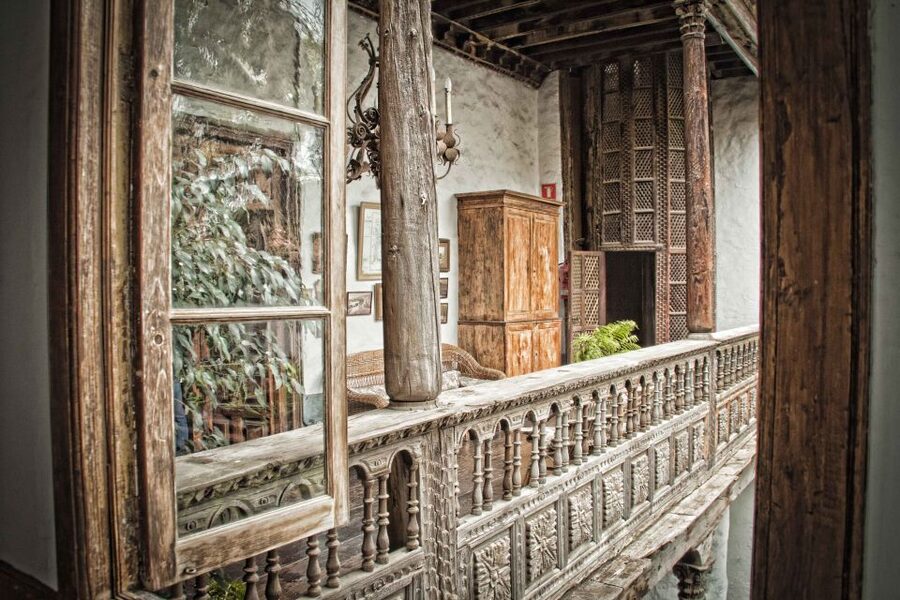
This is the kind of stop that works when you want more than another quick photo spot. La Casa de Los Balcones is a cultural museum built inside a traditional Canarian home, so you’re not reading about the past from behind glass panels all day. You’re moving through a real domestic layout, the sort of house that helped shape day-to-day life in the 1800s.
The tone is intimate. The museum isn’t trying to be huge or loud. Instead, it leans into small details: the preserved setting, the idea of someone’s everyday belongings kept with care, and the way local craft traditions are shown with enough context for you to actually understand what you’re looking at.
If you like houses and hands-on craft, you’re in the right place. If you expect a long, guided, must-see marathon, you may feel underfed.
More Things to Do in Tenerife
- Siam Park Entry Tickets
★ 4.5 · 15,710 reviews - Tenerife: Eco-Yacht Whale and Dolphin Watching and Swimming
★ 4.7 · 15,619 reviews - Los Cristianos Respectful No-Chase Whale and Dolphin Safari
★ 4.6 · 12,782 reviews - Tenerife: Loro Parque Entry Ticket
★ 4.8 · 12,411 reviews
Ticket value for a short, focused one-day visit
At about $7 per person, the entrance ticket lands in the budget-friendly range. The value comes from two things: you get the museum entry, and you also get a downloadable audio guide in multiple languages.
That combination matters because it turns the visit into a self-paced mini tour. You can spend a bit longer in the parts that catch your interest, then move on before you get tired of reading. In my view, this price makes sense for a 1-day stop when you’re pairing it with other Tenerife activities nearby.
That said, I’ll be honest about the trade-off. Some people feel the museum is small, and when the space is limited, it can make the price feel higher than it is, simply because you’re done sooner than you expected.
Walking your way through the visit flow inside the museum
Your day here is straightforward. You show your voucher at the museum’s entrance ticket collection point, then you go inside and start exploring on your own. The museum doesn’t ask you to follow a complicated route. You move through the townhouse spaces, and the experience is built around those rooms and exhibits.
Here’s the practical rhythm I’d plan for:
First, start with the overall layout. Even before you go deep into exhibits, take a minute to notice how the house is arranged. That makes the “life of the family” theme click faster once you hit the personal objects and antiques.
Next, focus on the room sections that highlight preserved belongings and antiques. This is where the museum feels most personal, because you’re seeing the kind of objects that would have surrounded a real household.
Then, shift your attention to the handcraft displays, especially Calados. This part works best when you slow down and actually read what the display explains about technique and tradition.
Finally, plan a little time for the gift shop. The shop is not an afterthought here. It’s where you can bring a piece of the culture home, including items tied to local craft traditions.
Antiques and the family-owned collection that makes it feel lived-in
One of the best parts of this museum is the emphasis on the former home owners’ belongings. You’re not just looking at “artifacts” in the generic sense. You’re looking at the kinds of personal antiques that help you picture what a 19th-century family kept close.
This matters because a townhouse museum can easily become a stage set. Here, the presentation keeps pulling you back to daily life. You get that slow mental shift from seeing objects to imagining hands using them, meaning you’re not only sightseeing. You’re learning a bit about how people lived, what they valued, and how household life connected to local identity.
The antiques also give you a good contrast point when you move to the craft exhibits. You start to see that the art of the home was never separate from the art of the island. It all sits in one place.
If you like interpretation that connects objects to everyday life, this is the section that will likely hold your attention the longest.
A few more Tenerife verdicts worth reading
- Loro Parque and Siam Park Combined Admission Tickets★ 4.7 · 7,307 reviews
- Tenerife: Mount Teide Tour with Cable Car Ticket & Transfer★ 4.3 · 5,094 reviews
- From South Tenerife: Loro Park Zoo Ticket & Hotel Transfers★ 4.4 · 2,672 reviews
Calados threadwork: why this craft is the heart of the museum
If there’s one craft tradition tied to this museum, it’s Calados. You’ll see handcraft exhibits featuring intricately-drawn thread work, and the displays explain both the history of Calados and the techniques used to make it.
What I like about this is that you don’t just get a pretty craft display. The museum frames Calados as a skill and a cultural tradition. That’s the difference between “watching something pretty” and actually understanding why people made it, how it was made, and what made it worth the time.
When you’re looking at the threadwork, give yourself a few minutes to study the fine details. Then read the technique explanation. You’ll start to notice how the design choices reflect the work style, not just decoration.
This section is especially good if you enjoy textiles, lace-like crafts, or any kind of fine handwork. It also pairs nicely with the antiques rooms, because it reinforces the idea that art and craft lived in the household.
How the museum connects the house to town roots and Canarian traditions
Beyond antiques and crafts, the museum aims to help you understand the bigger picture: the town’s ancient roots and the ongoing cultural traditions.
You’ll notice this through the way exhibits are placed and how the museum ties together local identity. It’s not presented like a lecture. It’s presented like a walk-through where the theme grows as you move from room to room.
For me, that “connection” aspect is what turns a small museum into a satisfying one. Even when the building footprint is limited, the museum uses its spaces to tell you how people kept traditions going. You end up with a clearer sense of what made the Canarian way of life distinct, at least through the museum’s lens.
Audio guide in four languages, plus a key practical tip
The included audio guide is downloadable and available in Spanish, French, German, and English. You can use it as you walk around, which is ideal if you want context without needing a spoken group tour.
Here’s the key practical detail: to use the audioguide, you need your own mobile phone and headphones. No phone, no audio.
Also, I’ll flag a real-world caution. One verified booking said the audio guide did not work with Apple devices. I can’t tell you this is guaranteed to happen, but I strongly recommend testing your phone and headphones before you rely on the audioguide for the whole visit. If it fails, you’ll still have the rooms and exhibits to enjoy, but your experience will shift from guided context to mostly self-reading.
If you want the most value from the ticket, pack headphones and keep your phone charged.
What to buy at the gift shop, including miniature La Orotava balconies
The visit ends with a chance to shop for local items. The gift shop offers products tied to traditional Canarian crafts, including embroidery, lace, pottery, and regional costumes.
This is also where you’ll find souvenirs like miniature balconies of La Orotava. That’s a nice option if you want something tied to island architecture and local style, not just a generic magnet or keychain.
What’s the best way to shop here? Take notes in your head while you’re in the museum. If you spend time with Calados, look for lace or embroidery that matches the craft style. If you’re drawn to the antiques side, browse for small pottery or keepsakes that feel connected to household traditions. You’ll buy with more confidence because you’ll know what you’re actually responding to.
Time, pace, and who will enjoy this most
Plan for a visit that’s more “steady and thoughtful” than “big and fast.” Since it’s a 1-day ticket and the museum experience is focused inside the house, you’ll likely finish in a manageable window, especially if you’re not reading every panel.
This museum works best for:
- People who like small, room-based museums inside historic buildings
- Anyone interested in traditional handcrafts, especially Calados
- Visitors who prefer self-paced exploring with an audio guide option
- Travelers who want a quieter cultural stop between bigger Tenerife sights
It may be less satisfying if you want a long guided tour, or if you’re the kind of visitor who needs a lot of “active” content to stay engaged.
And one important fit note: it’s not suitable for people with mobility impairments and it’s not for wheelchair users, based on the activity information.
The main drawback to plan around
The biggest downside is the same for several small museums: the visit can feel limited in scope. Some visitors may leave wanting more rooms, more interpretation, or a longer experience at this price point.
The other practical concern is the audio guide setup. Because you need your own mobile phone and headphones, it can become annoying if your device has low battery, no compatible audio files, or playback issues. One booking specifically raised an Apple-device problem, so be ready to troubleshoot if your phone doesn’t cooperate.
If you go in with the right expectations, the museum’s small size becomes part of the charm. If you go expecting a full-day “festival of history,” you might feel disappointed.
Should you book La Casa de Los Balcones entrance tickets?
Book it if you want a compact cultural stop where the focus is clear: a 19th-century Canarian townhouse, personal antiques, and the craft tradition of Calados. At around $7, it’s a solid value when you pair it with other Tenerife activities and you enjoy house museums and traditional handwork.
Skip it or think twice if you need a long, guided program, or if you rely heavily on an audio guide and you’re worried about phone compatibility. If that’s you, still visit if you’re curious about the crafts, but bring headphones and have a backup mindset in case the audio guide doesn’t work as expected.
In short, this is a good choice for craft lovers and anyone who likes intimate history you can walk through.
FAQ
How much is the entrance ticket for La Casa de Los Balcones?
The price is listed as about $7 per person.
What’s included with the entrance ticket?
Your ticket includes museum entry and an audio guide download.
Which languages are available on the audio guide?
The audio guide is available in Spanish, French, German, and English.
What do I need to use the audio guide?
To use the audioguide, you need your own mobile phone and headphones.
Where do I show my voucher when I arrive?
Show your voucher at the museum’s entrance ticket collection point.
How long is the activity, and is the ticket valid for one day?
The activity is valid for 1 day. You should check availability to see starting times.
Is there free cancellation?
Yes, free cancellation is offered, with full refunds available if you cancel up to 24 hours in advance.
Is La Casa de Los Balcones suitable for wheelchair users or mobility impairments?
No. The activity information states it is not suitable for people with mobility impairments and wheelchair users.
Latest Tenerife reviews into the ledger





Things to Do in Tenerife, compared.

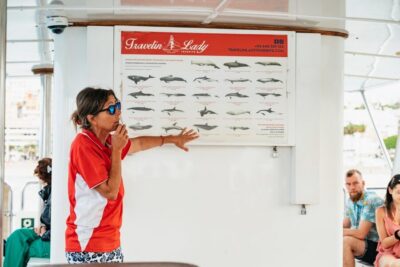
Eco-Yacht Whale and Dolphin Watching and Swimming
Read our review →
Los Cristianos Respectful No-Chase Whale and Dolphin Safari
Read our review →

Loro Parque and Siam Park Combined Admission Tickets
Read our review →
Costa Adeje: Whale & Dolphin Eco-Cruise with Snacks & Drinks
Read our review →
Mount Teide Tour with Cable Car Ticket & Transfer
Read our review →
Los Gigantes: Dolphin & Whale Watching Cruise with Swim Stop
Read our review →Browse the lists this tour appears in