
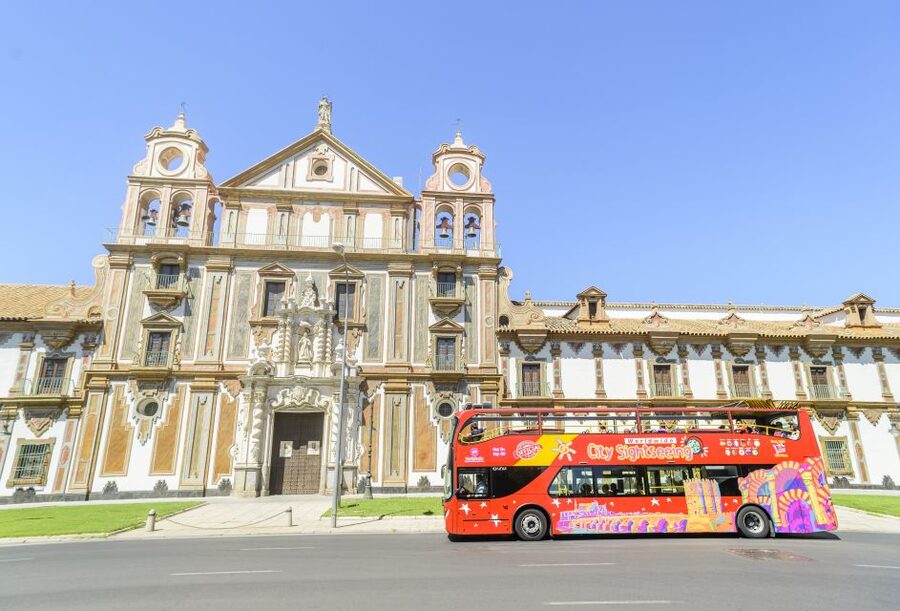
Reviewed · CITY TOURS
Córdoba: City Sightseeing Hop-On Hop-Off Bus Tour
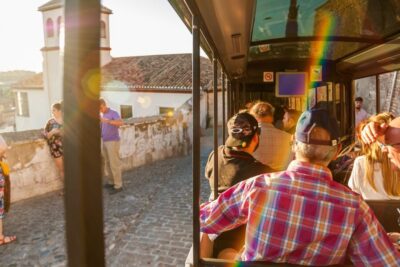
Córdoba in one day feels surprisingly manageable. This pass gives you two route options and 10-language audio as you hop past gates, palaces, and viewpoints. I like that you can ride for orientation, then jump off to linger where you want to slow down.
The routes aim you at big hitters like the Mosque-Cathedral, Alcázar de los Reyes Cristianos, and the Roman Temple, with stops placed close to major sights. You also get a feel for how the city layers Roman, Islamic, Jewish, and Christian eras along the Guadalquivir River.
The main catch is that the audio or onboard sound can be inconsistent, so I recommend sitting upstairs when you can and staying alert at your stop.
In This Review
- Key reasons this bus tour is worth your attention
- How Córdoba’s hop-on hop-off setup saves you time
- Red Line panoramica (70 minutes): gates, monuments, and river views
- Blue Line Intima microbus (30 minutes): narrow streets and extra character
- The Judería walking tour at 6pm: a smart way to finish the day
- Stops and monuments that deserve your time on foot
- Mosque-Cathedral of Córdoba area
- Alcázar de los Reyes Cristianos area
- Palacio de Viana and Palacio de la Merced
- Roman connections: Templo Romano and Puente Romano
- Original gates and city defenses
- Audio, headphones, and getting the most from the ride
- Price and value: is $32 a good deal?
- Who this bus tour is best for
- Should you book this hop-on hop-off bus tour in Córdoba?
Key reasons this bus tour is worth your attention
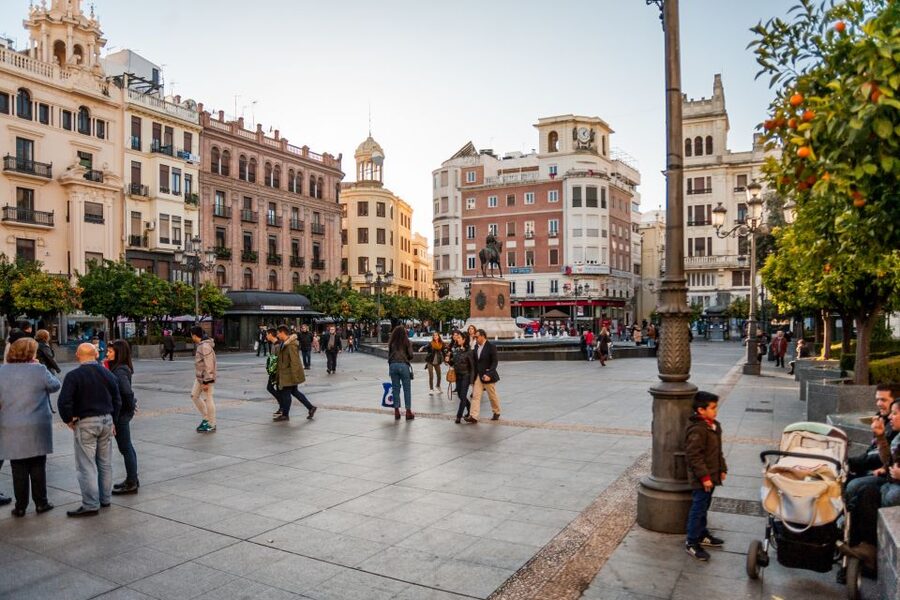
- Two distinct routes: the Red Line panoramica loop for the main sights, plus the smaller Blue Line microbus for tighter streets
- Audio in 10 languages with included headphones, plus kids audio commentary in Spanish
- Big stop coverage around Córdoba’s gates, towers, palaces, and viewpoints, so you can build your own mini itinerary
- Original city gates on your route including Puerta de Almodóvar, Puerta de Sevilla, and Puerta del Puente
- A built-in evening add-on: the Judería walking tour starts at 6pm from Puente Romano (Stop 16 on the Red Line)
How Córdoba’s hop-on hop-off setup saves you time
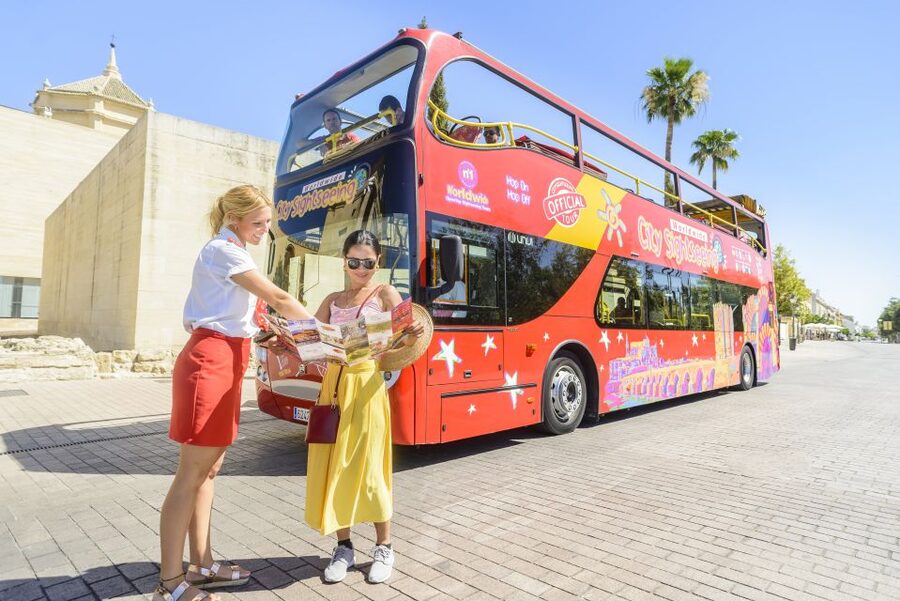
Córdoba is one of those cities where the highlights are spread out, but the streets are tight, twisty, and made for walking. This tour helps you avoid the tricky part, figuring out where to start and how to hop between neighborhoods without spending your whole day studying routes.
The value is not just that it is a bus. It is the pacing. You get a 24-hour hop-on hop-off ticket, so you can do one loop to get your bearings, then return later for a longer stop at the Mosque-Cathedral area or one of the palaces. That matters because Córdoba rewards lingering, not rushing.
And the stops are positioned for practical sightseeing, not just convenience. You can get close to things like gates, towers, and major monuments, then decide on the spot whether you want a quick photo stop or an actual ticketed visit (tickets to attractions are not included).
More Things to Do in Cordoba
- Córdoba: Skip-the-Ticket-Line Mosque-Cathedral Guided Tour
★ 4.6 · 9,634 reviews - Cordoba Mosque-Cathedral: Skip-the-Line Guided Tour
★ 4.7 · 6,610 reviews - Córdoba: Jewish Quarter, Mosque, and Alcázar Tour
★ 4.6 · 5,143 reviews - Cordoba: Mosque-Cathedral E-Ticket with Audio Guide
★ 4.1 · 2,895 reviews
Red Line panoramica (70 minutes): gates, monuments, and river views
The Red Line is the one I would use to orient yourself first. It runs on a 70-minute loop, and the first departure from Stop 1 is 9:30am with the last departure at 6pm. Buses run every 70 minutes (every 60 minutes on Friday, February 20).
You can start at any allocated stop, but for the Red Line the listed meeting point for Stop 1 is Avenida Fray Albino 2 (Panoramica del Rio). From there, the route sets you up for the city’s structure, moving you between river panoramas, historic gates, and major landmarks.
Here is the kind of sightseeing rhythm you will get:
- Panoramica del Rio (Stop 1): start with the river angle. Even if you are not jumping off, it helps your brain map where the old center sits.
- Puerta de Almodóvar: you get one of the original city gates, and it is the sort of landmark that instantly makes the medieval scale feel real.
- Mercado de la Victoria: a great “pause point” if you want to snack or simply watch Córdoba life slow down around you. Even if you do not go inside, being close to the market area helps you time meals between big-ticket sights.
- Ayuntamiento – Templo Romano: this is one of those moments where you feel the Roman layers under everything. If you like evidence-based travel, this is a useful stop to take in before you tackle the more famous Islamic-Christian blend of sites.
- Arco del Portillo: a compact photo and history stop. Think of it as a way to connect streets to the idea of defensive city planning.
- Puente Romano: one of the most important stops on the day. You will cross back into the historic core, and it is also where the evening Judería walking tour begins.
- Puente Romano connections into Alfaros and Alcázar areas: the route passes the Alcázar zone and Banos Califales – Alcazar is listed on the Red Line. It is a useful area cluster if you want to spend more time around the palace/courtyard vibe.
- Mezquita – Catedral: you cannot miss this one. You will want to plan this as your main on-foot visit because it is one of Córdoba’s signature sites. Tickets are not included, so treat the bus stop as your arrival point, not the entry itself.
- Palacio de Viana and Palacio de la Merced: the palaces are big for a reason. They are where Córdoba’s history shows up as living space, not just monuments on a map. These stops also support one of my favorite things about the city, the gardens and quiet courtyards.
A practical note: the Red Line is straightforward enough that you can use it like a moving guidebook. But it also means it can get busy around the big sights. If you want photos without crowd pressure, hop off for a short walk, then return later to catch the bus again.
Blue Line Intima microbus (30 minutes): narrow streets and extra character
The Blue Line is the “small streets” option, run as a minibus. It loops in about 30 minutes, and it shares the same daily window as the Red Line, first departure 9:30am and last departure 6pm, with buses every 70 minutes.
For the Blue Line, the listed meeting point for Stop 1 is Calle Caballerizas Reales (Alcazar de los Reyes Cristianos).
This line is especially valuable if you want two things at once:
1) closer access to neighborhood streets that larger vehicles cannot comfortably reach
2) more of that old-city feel, where the best views appear around turns
The most common advantage people talk about is that the microbus can go through narrower lanes. That is not just a convenience, it changes the experience. You get a better sense of how Córdoba is arranged street by street, rather than only seeing it from wide corridors.
What you are likely to notice on the Blue Line is the concentration of compact historic elements. The tour highlights include towers and fortifications such as Malmuerta, Belén, Puerta del Rincón, Calahorra, and Donceles towers. Even if you do not get off at each one, passing through areas linked to those towers gives you a better mental picture than a single monument stop.
One consideration: the Blue Line can be full, and some people end up waiting longer for seats on busy days. If your plan depends on catching the microbus at a specific time, it helps to build in a little slack.
Also, if you care about photos, this line is a little more unpredictable, because you are moving through tighter spaces. In return, your pictures look less like a postcard parade and more like real street travel.
The Judería walking tour at 6pm: a smart way to finish the day
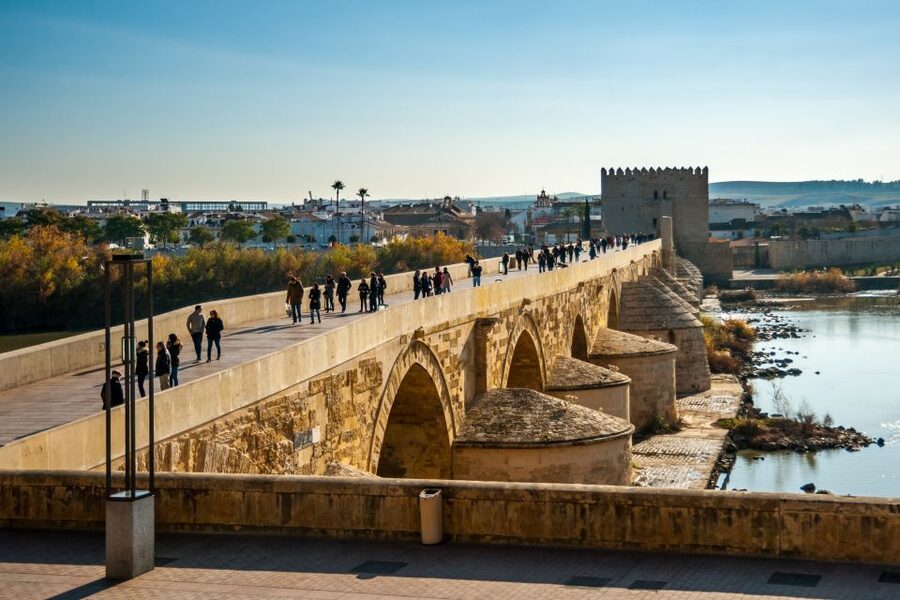
If you pick the right timing, the Judería walk is a great final piece. It starts at 6pm from Puente Romano, Stop 16 (Panoramica Route) and lasts 1 hour. It is available in Spanish and English.
This is valuable for two reasons. First, it turns the bus day into actual neighborhood exploration. Second, it anchors what you saw earlier, because the Judería area makes the city’s layered identity easier to understand while you walk.
If you are building your day around this, I suggest you treat 4pm to 6pm as your transition window. Use the bus loops earlier in the afternoon to get close to the big monuments you care about most, then shift into a slower, foot-friendly pace as evening arrives.
A few more Cordoba verdicts worth reading
- Córdoba: Guided City Tour by Tuk-Tuk★ 4.9 · 245 reviews
- Madrid: Panoramic Route City Tour★ 4.1 · 12,259 reviews
- Barcelona: City Sightseeing Hop-On Hop-Off Bus Tour★ 4.4 · 10,061 reviews
Stops and monuments that deserve your time on foot
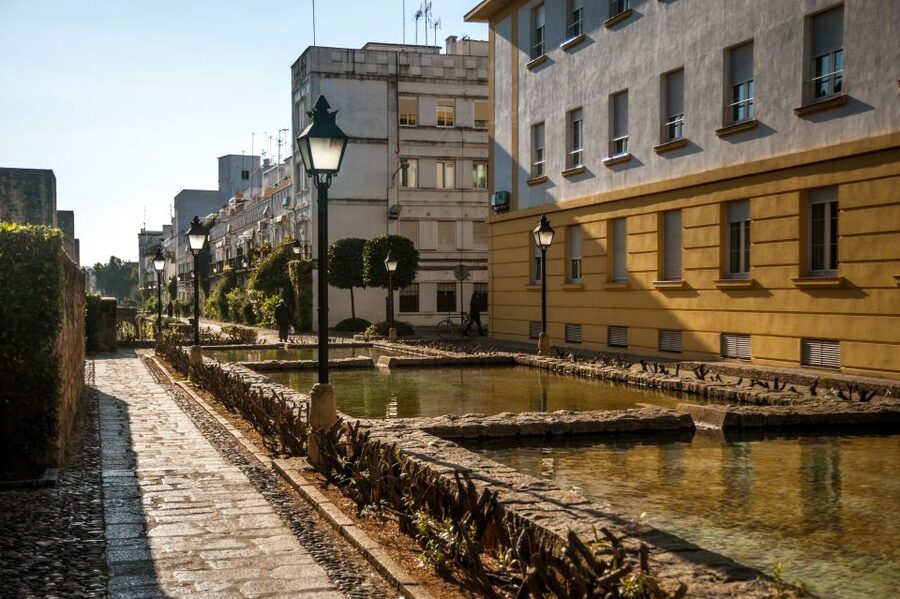
The tour covers a lot of ground, but it still helps to be selective. Córdoba is not a checklist city. It is a “choose your mood” city.
Here are the stops and highlights that I would prioritize if you have limited time or limited patience for lines:
Mosque-Cathedral of Córdoba area
This is the stop most people plan for, and for good reason. The tour explicitly calls out learning about the religious history tied to the Mosque-Cathedral, so use the bus ride audio to set context, then get off ready to see the details for yourself. Attraction tickets are not included, so check entry requirements before you commit your time.
Alcázar de los Reyes Cristianos area
This shows up both in the Blue Line meeting point and in the tour highlights tied to the palace zone. It is one of those stops where even a short visit can pay off, especially if you like gardens and the feeling of a lived-in historical site. Tickets to attractions are not included, so again, the bus is your arrival, not your ticket.
Palacio de Viana and Palacio de la Merced
These two palace stops are especially good if you enjoy courtyard design. They also support one of Córdoba’s best experiences, watching how light and space work in enclosed gardens. Even if you only do a partial visit, they give you a break from the big monument crowd energy.
Roman connections: Templo Romano and Puente Romano
The route lists Ayuntamiento – Templo Romano and Puente Romano. If you want your day to feel coherent, these stops link different eras without needing a lecture. They also tend to be useful “time savers” because you can walk nearby afterward and keep exploring.
Original gates and city defenses
The highlights call out seeing Puerta de Almodóvar, Puerta de Sevilla, and Puerta del Puente, three of the original 13 gates. Even if you are not a fortress-history fan, gates help you understand where the city boundaries were, and why streets developed the way they did.
Audio, headphones, and getting the most from the ride
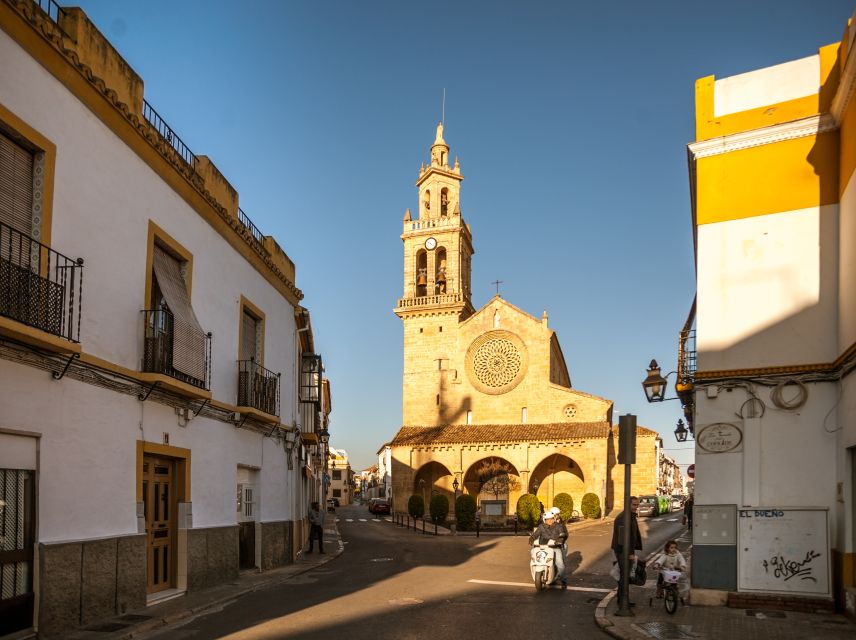
The audio commentary is included in Spanish, Chinese, English, French, German, Italian, Japanese, Arabic, and Russian, plus kid audio commentary in Spanish. Headphones are provided, and the tour notes specify audio guidance with those languages. That is already a big help if you are not fluent in Spanish.
A few real-world things to watch:
- Some riders reported the audio can be slightly out of sync with the bus. Keep an eye out for your stop name so you are not relying on sound alone.
- One rider specifically pointed out that the lower level of a double-decker had fewer working audio outlets, which is a practical reason to sit upstairs when possible.
- There were also reports of microphone or hearing-related issues. If the sound seems weak at a stop, swap sides or move to a different row and re-check the headphones.
My best advice is simple: treat the audio as helpful background, not your only navigation tool. You will have route stops across the city, and getting off at the right place matters more than perfect narration timing.
Price and value: is $32 a good deal?
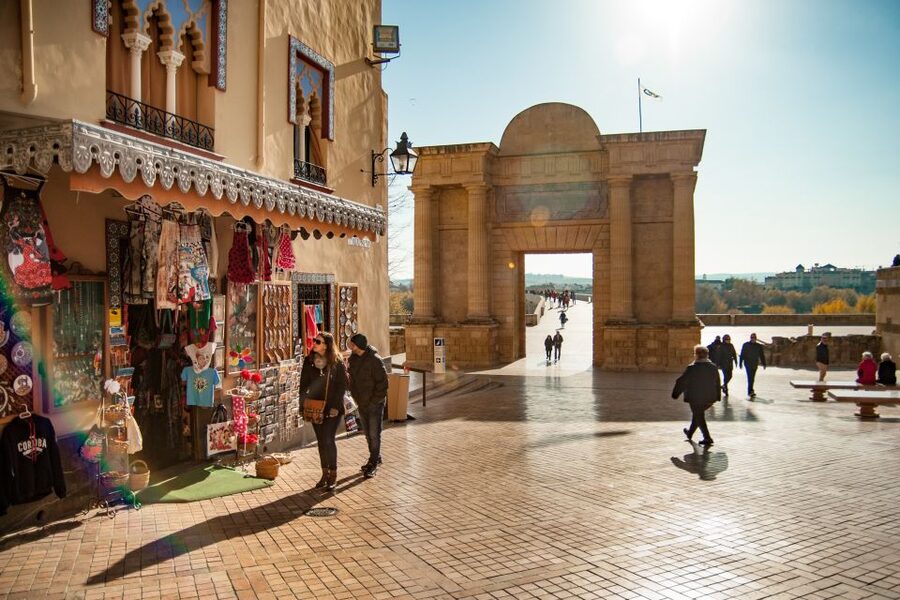
At about $32 per person for a 24-hour hop-on hop-off pass, the value depends on how you plan to use it.
This price feels fair when:
- You want a one-day overview of major sites without paying for separate transfers.
- You like flexibility, because you can ride one loop, then hop off again later.
- You want the audio in multiple languages plus headphones, and you are also interested in the included Judería walking tour at 6pm.
It is less of a bargain if your plan is to visit only one attraction for a few hours. Tickets to attractions are not included, so you will still pay for entry where needed. But the bus is a strong “connector” tool, especially in Córdoba where walking distances are real and streets do not always make sense until you have mapped them visually.
Who this bus tour is best for
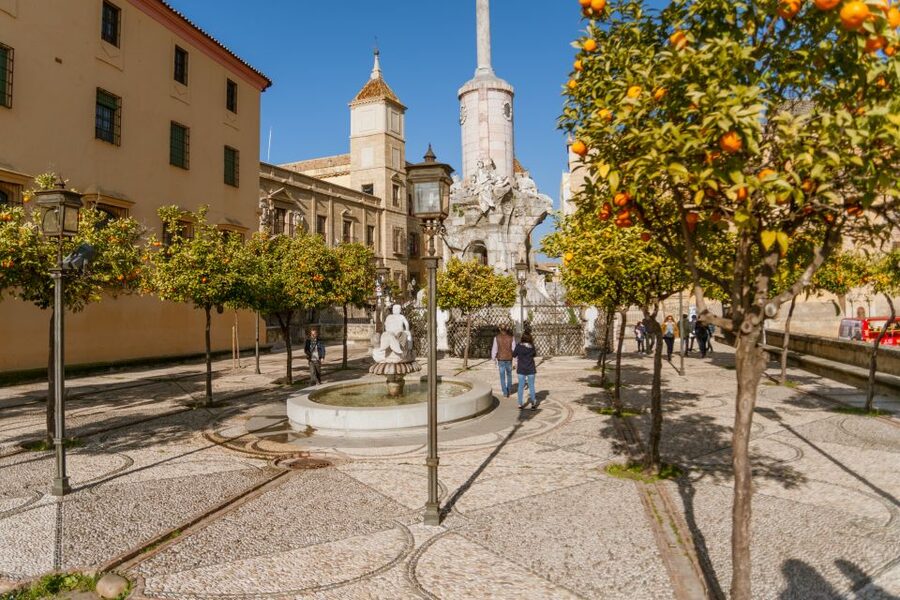
This tour is a good fit if you:
- want an easy first day to understand where things are
- do not want to rent a car or figure out local buses
- like having an on-board guide while you choose your own stop schedule
- are traveling with kids and can use the kid audio commentary in Spanish
It can also help if mobility is limited, because multiple stops are placed near key areas. One review experience noted that the bus saved the day when walking was difficult, thanks to the convenience of nearby stops. If you are using crutches or want to minimize long walks, this is exactly the kind of “get close to the sights” setup that helps.
Should you book this hop-on hop-off bus tour in Córdoba?
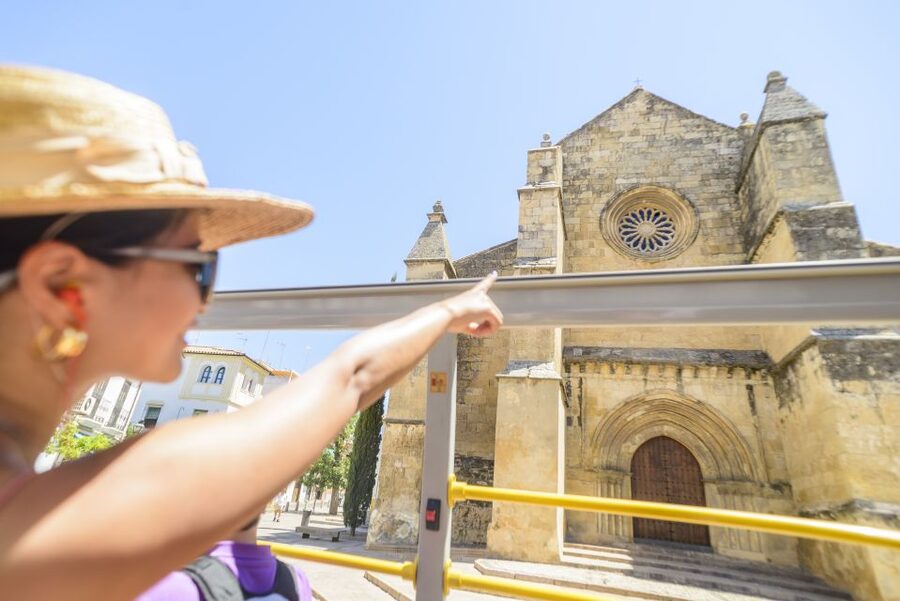
Book it if you want an efficient, flexible way to see Córdoba’s big monuments, gates, and palaces while still having time to wander on your own. The two-route system is the key advantage, because the Red Line helps you cover the core quickly, and the Blue Line helps you experience the tighter streets and extra tower areas.
Skip it only if you are the type who prefers one neighborhood with deep exploration and you already know exactly where you want to go. Córdoba can be walked without a bus, but you need a plan. Without one, this tour acts like a moving map and a practical schedule.
Latest Cordoba reviews into the ledger


City Tours, compared.


City Sightseeing Barcelona Hop-On Hop-Off Bus Tour: 24 or 48-Hour
Read our review →
Palma de Mallorca: City Sightseeing Hop-On Hop-Off Bus Tour
Read our review →
Granada City Train 1 or 2-Day Hop-On Hop-Off Ticket
Read our review →
Browse the lists this tour appears in