
Reviewed · THINGS TO DO IN CORDOBA
Cordóba: Gardens & Fortress of Catholic Monarchs Guided Tour
A palace-fortress on a hill, layered with power. That is what you get here, at Cordoba’s UNESCO-listed Fortress of the Catholic Monarchs, set in formal gardens and built on top of an earlier caliph’s palace site. You will walk with a local guide through key rooms and garden areas, and you will get the story behind how this place kept changing jobs, from royal residence to courts to prisons.
I especially like two things about this tour. First, the setting does not stay in one era, it moves. The fortress sits above earlier Islamic remains, and the guide ties that to the Catholic Monarchs era and beyond. Second, the gardens and the Avenue of the Monarchs make the visit feel like more than just walls and dates, you actually move through the space that shaped the palace’s daily life.
The main drawback to keep in mind is that access can change. The fortress and gardens have, at times, been closed for restoration, so you may need a flexible plan for what you can see on your day.
In This Review
- Key things to know before you go
- Fortress of the Catholic Monarchs in Cordoba: why this place feels different
- What you actually visit: fortress rooms, royal residence, and the gardens circuit
- The fortress portion, guided for about an hour
- Gardens you can walk through, plus the Avenue of the Monarchs
- Start location and meeting point: get oriented fast
- Royal residence meets prison history: the building’s “job changes”
- The Avenue of the Monarchs and gardens: why this part earns its time
- When the fortress is closed: how the tour still works in real life
- Price and value: what $35 buys you in a one-hour format
- Language and group experience: Spanish, French, English with a live guide
- What to bring, what not to bring, and what to wear
- Who this tour suits best
- Final verdict: should you book the Fortress and Gardens tour?
- FAQ
- How long is the tour?
- Where is the meeting point?
- Is the fortress admission included in the price?
- What languages is the live guide available in?
- Is transportation or food included?
- What should I bring and wear?
- Are large bags allowed?
Key things to know before you go
- Start at Avenida del Alcázar at the main door, in front of the river.
- You get a local guide plus admission, so you are not hunting tickets or translating key clues alone.
- Expect palace layers, the building shifted from royal residence to courts of the Holy Offices, then prisons, then military prison use.
- Plan for gardens and Avenue of the Monarchs, including statues tied to monarchs linked with the palace-fortress.
- Bring ID and comfy shoes, and travel light since large bags are not allowed.
- Know that closures can happen, so ask what your guide will do if parts are closed.
Fortress of the Catholic Monarchs in Cordoba: why this place feels different
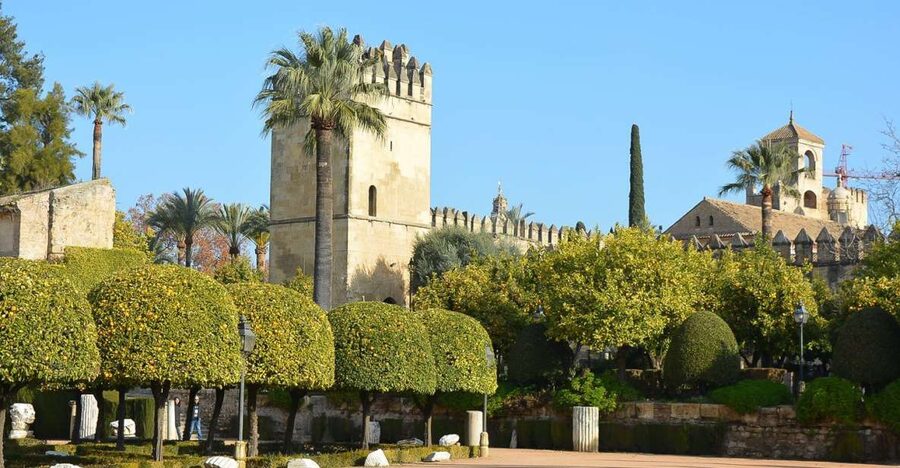
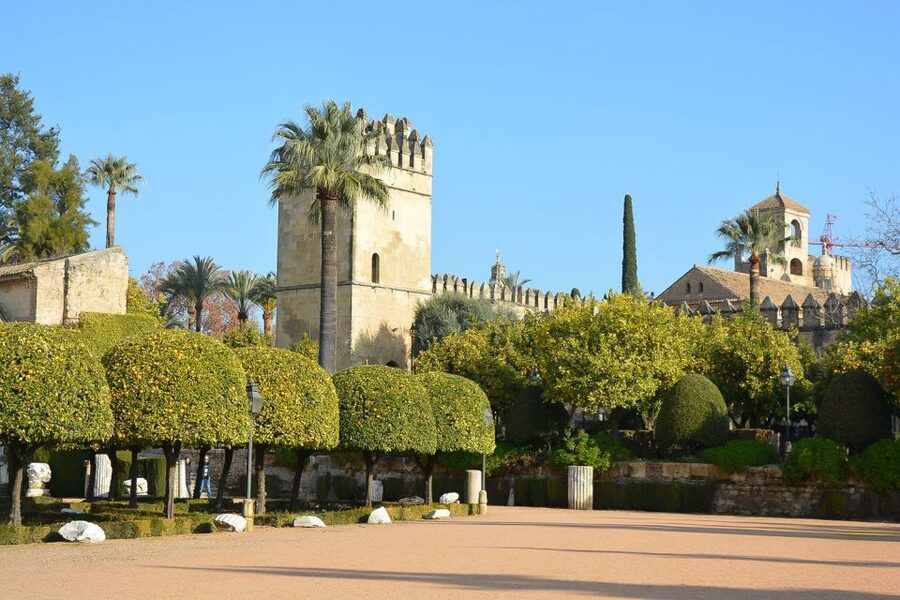
This is not just a stop for pretty views. The Fortress of the Catholic Monarchs in Cordoba is a history machine you can walk through. The building is officially tied to the Catholic Monarchs era, but it also reflects earlier power that was already here. The fortress sits on top of the remains of a former caliph’s palace, so you get the sense that each regime inherited, reshaped, and reused the same strategic spot.
That matters because it changes how you understand what you see. Instead of thinking of the fortress as one “time period,” you start thinking of it as a reused stage. The structure became the residence of the Christian monarchs, later served as the site of the Courts of the Holy Offices, and then it went through a series of prison roles, including a civil prison and later a military prison. When you hear that sequence while you walk, the rooms and layout stop feeling abstract.
Also, the fortress and gardens are protected and recognized at the official level. The fortress became a Historical Monument in 1931, and it is part of the larger UNESCO World Heritage area designated in 1994. The gardens have their own protection story too, with town planning laws safeguarding them since 1986. That is a clue you are not just looking at decorative landscaping, you are visiting designed space with legal protection behind it.
More Things to Do in Cordoba
- Córdoba: Skip-the-Ticket-Line Mosque-Cathedral Guided Tour
★ 4.6 · 9,634 reviews - Cordoba Mosque-Cathedral: Skip-the-Line Guided Tour
★ 4.7 · 6,610 reviews - Córdoba: Jewish Quarter, Mosque, and Alcázar Tour
★ 4.6 · 5,143 reviews - Cordoba: Mosque-Cathedral E-Ticket with Audio Guide
★ 4.1 · 2,895 reviews
What you actually visit: fortress rooms, royal residence, and the gardens circuit
Your tour is built around two parts: the fortress interior and the palace gardens.
The fortress portion, guided for about an hour
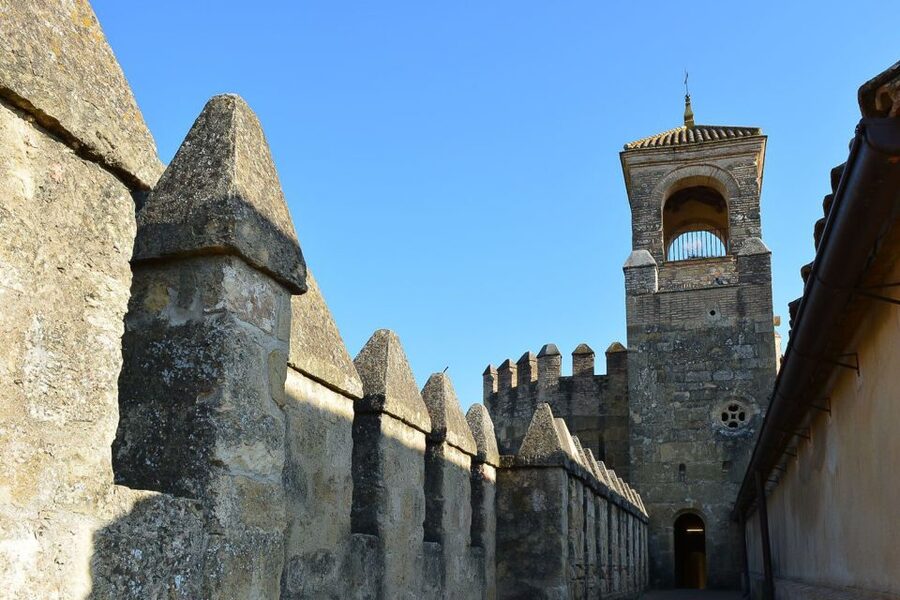
The scheduled guided time is listed as 1 hour, focused on the Alcazar of the Christian Monarchs. In plain terms, you do not wander at your own pace for long stretches. You follow your guide from room to room, and you learn what those spaces were used for. You should expect the emphasis to be on the building itself: where the royal presence was, how the court functions fit in, and how later prison use reshaped the feel of the site.
Since the fortress has gone through multiple functions, your guide’s job is to connect physical space to historical purpose. That is where a good guide makes a real difference, because otherwise you are just looking at walls.
Gardens you can walk through, plus the Avenue of the Monarchs
The description for this experience also calls out a longer gardens visit, and it specifically mentions a 90-minute tour context for the gardens portion. Since the total duration can vary by start times and how the day runs, I suggest you treat this as a focused, guided route that includes garden time, not just a photo stop.
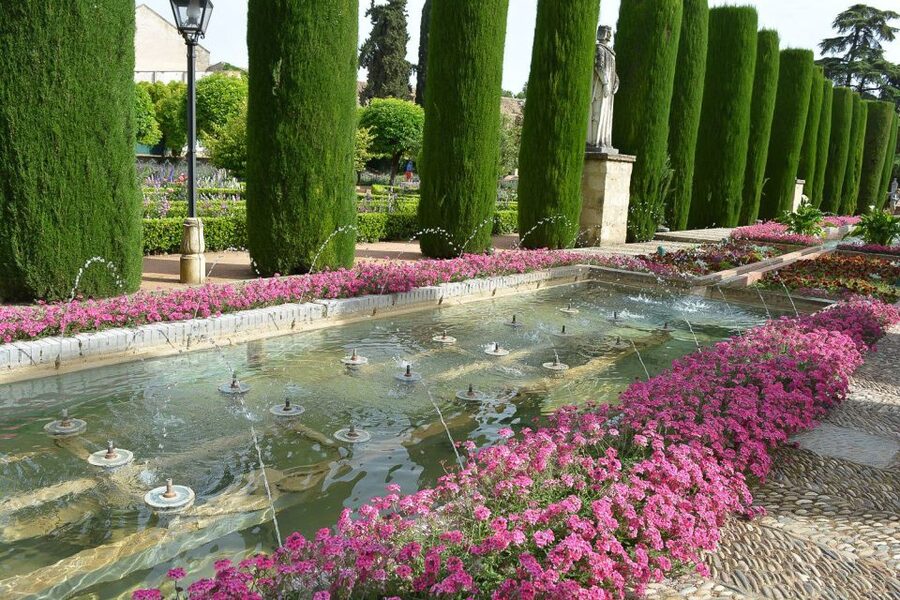
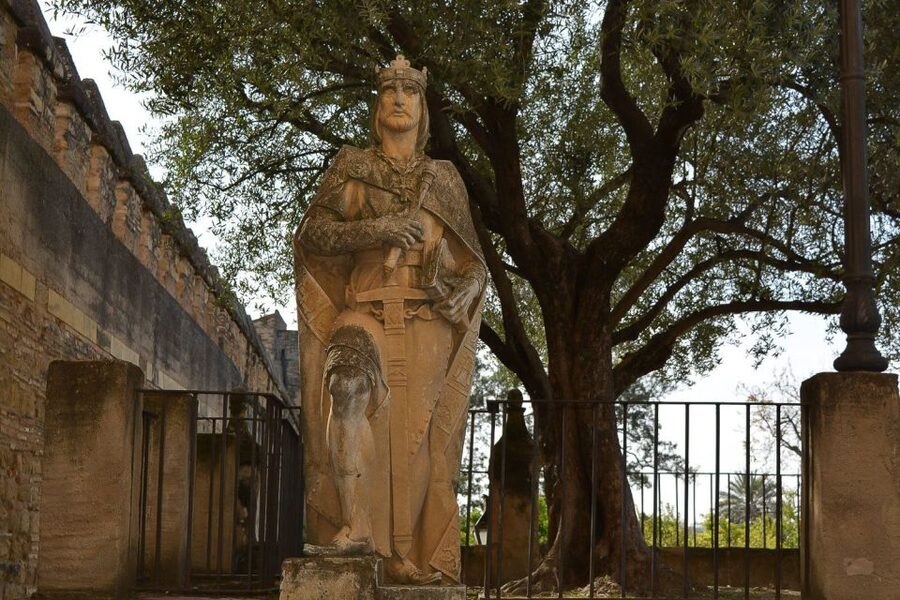
In the gardens, you should look out for the Avenue of the Monarchs. It features statues of the monarchs who had connections to the palace-fortress. Even if you do not memorize the names, this avenue gives you a visual timeline. It is also a nice contrast to the interior, because gardens slow you down a bit. You get to read the palace as a lived-in place, not only an administrative building.
And because the gardens are protected by planning laws, the “look” is meant to stay consistent. That helps your photos and your sense of place.
A few more Cordoba verdicts worth reading
- Cordoba: Alcazar Guided Tour and Skip-the-Line Ticket★ 4.2 · 1,792 reviews
- Mosque-Cathedral of Córdoba Guided Tour with Tickets★ 4.5 · 1,649 reviews
- Córdoba: Guided Tour of Azahara Medina★ 4.5 · 1,042 reviews
Start location and meeting point: get oriented fast
Meet your guide at the main door of the Fortress of Catholic Monarchs, on Avenida del Alcázar, in front of the river. That is simple, but it is also the kind of detail that can save you from a small stress spiral.
Come on foot if you can. The meeting point is a key part of the day, because once you miss it you are stuck trying to catch up with a group that is already moving.
Practical move: wear comfortable shoes. You will be inside and outside, with garden paths and time standing while the guide explains.
Royal residence meets prison history: the building’s “job changes”
One of the smartest ways to think about this fortress is as a sequence of roles.
You begin with the royal residence period tied to the Catholic Monarchs. Then the site connects to the Courts of the Holy Offices. After that, it becomes a civil prison site, and later a military prison. That is not just a list. It affects what you should listen for during the tour.
When you hear about the Holy Offices connection, you should pay attention to how authority was administered in that kind of setting. When you hear prison history, you might find the tone shifts, the explanations become more about function and control than courtly life. A good guide keeps those shifts clear, so you are not left guessing what you are looking at.
Also, the “built on earlier caliph’s palace remains” detail is more than a trivia point. It is a reminder that the Spanish-Christian era did not erase the earlier footprint. It often built over it, and that is why this fortress can feel like it carries multiple layers at once.
The Avenue of the Monarchs and gardens: why this part earns its time
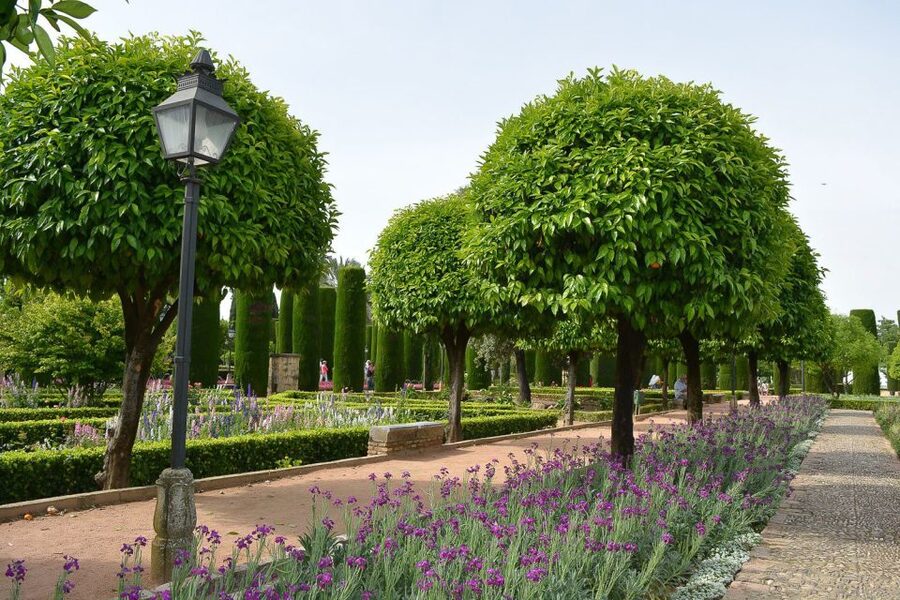
Garden tours can sometimes feel like filler. Here, the gardens earn their minutes because they connect directly to the palace-fortress function. The description makes it clear that the fortress is set in the middle of significant gardens, and that you will visit them as part of the experience.
Two things make the gardens portion worthwhile.
First, the Avenue of the Monarchs turns the palace story into something you can walk along. Instead of only hearing names and dates, you see commemorations tied to monarchs connected with the site.
Second, the gardens help you understand scale and intention. A palace fortress is not just a defensive block. It includes controlled outdoor space, places where power could be performed in a less formal way than inside courts or residences.
A small caution: if you arrive on a day with closures, the gardens may still be accessible when interior areas are not, or the reverse. So I recommend you accept that the best tour day is the one where your guide can adapt.
When the fortress is closed: how the tour still works in real life
Here is the reality check. The fortress has been reported as closed for restoration on some dates. On those days, your experience can change.
What matters is that guides can pivot. For example, one guide named Paquita has offered alternate substitutions when the fortress interior could not be accessed, steering people toward nearby options such as the Caliphal Baths area. Another guide, Carmen, has also been recognized for strong, lively explanations, even when the day’s access is not exactly what you pictured.
So what should you do?
- On arrival, ask your guide what is open right now and what they are focusing on.
- Keep expectations flexible, especially if you booked for a specific interior highlight.
- If the fortress interior is closed, ask what alternative sites match the same themes, royal power, Cordoba’s layered story, and the surrounding context.
This is one of those tours where a strong guide can turn a disappointment into a different kind of win.
Price and value: what $35 buys you in a one-hour format
At about $35 per person, you are paying for three items bundled together:
- A qualified local guide
- Fortress admission
- VAT
You are not paying for transportation or for food and drinks, so you should plan your day accordingly. The biggest value question is how much you can actually see.
If the fortress interior and garden areas are open, you get a guided orientation to a UNESCO-area monument plus a coherent storyline about royal residence and later institutional uses. That kind of guided context often makes the “same building” feel twice as rewarding because you know what you are looking at.
If the fortress is closed for restoration, value perception can drop. That has happened on some days, when people felt the cost was high relative to what was accessible. In those situations, the best outcome is when your guide adds meaningful substitutions that still connect to the palace-fortress theme.
Bottom line: if you hate uncertainty, this might feel like a gamble. If you like history plus a guide who can adapt, it is a fair way to spend a morning or afternoon in Cordoba.
Language and group experience: Spanish, French, English with a live guide
This is a live guided tour in Spanish, French, or English. That matters here because the fortress story depends on clear explanations. You are walking through a site where multiple eras overlap, so you want a guide who can connect the dots out loud.
Also, the fact that it is “live” affects your pacing. Instead of reading labels, you follow the guide’s emphasis. It is a good fit if you want structure and if you prefer learning while you walk.
What to bring, what not to bring, and what to wear
You are asked to bring passport or ID card. Bring comfortable shoes since you will be moving between interior rooms and outdoor garden areas.
Large bags or luggage are not allowed. If you are traveling with more than a small daypack, think ahead. This reduces the hassle at the entrance and keeps you from waiting while the group rearranges what people can carry.
Who this tour suits best
This is a strong choice if you:
- Like guided history that explains why places changed over time
- Want a compact visit instead of a long self-guided loop
- Enjoy structured garden time, not only museum rooms
- Want an easy-to-find meeting point and a simple route based on the fortress
It is less ideal if you:
- Plan to visit only one specific interior room you have heard about and you want guaranteed access
- Need a lot of unstructured wandering time
- Are carrying bulky luggage and do not want to deal with restrictions
Final verdict: should you book the Fortress and Gardens tour?
I think it is worth booking if you want a guided, themed walk through a UNESCO-area monument, and you like the idea of hearing how one building shifted from royal residence to courts and prison uses. The gardens and Avenue of the Monarchs add enough outdoor time to make the visit feel complete, not rushed.
Book with one expectation adjustment: closures for restoration can happen. If you are the type who can roll with a pivot and still enjoy learning on the day, you will likely get a good experience. If you need the exact interior access no matter what, you might want to build in a backup plan for nearby sights so your day stays enjoyable.
FAQ
How long is the tour?
The duration is listed as 1 hour. Some tour descriptions also mention a 90-minute context that includes the gardens, so plan for a focused visit that may run a bit longer depending on how the day is handled.
Where is the meeting point?
Meet your guide at the main door of the Fortress of Catholic Monarchs on Avenida del Alcázar, in front of the river.
Is the fortress admission included in the price?
Yes. The tour price includes the fortress admission fee, plus VAT, and a qualified local guide.
What languages is the live guide available in?
The live guide is available in Spanish, French, and English.
Is transportation or food included?
No. Transportation and food and drinks are not included.
What should I bring and wear?
Bring your passport or ID card and wear comfortable shoes.
Are large bags allowed?
No. Luggage or large bags are not allowed.
Latest Cordoba reviews into the ledger



Things to Do in Cordoba, compared.
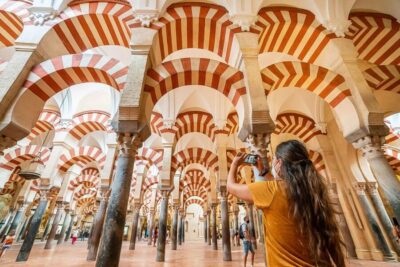
Skip-the-Ticket-Line Mosque-Cathedral Guided Tour
Read our review →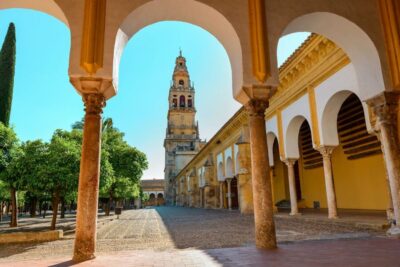
Cordoba Mosque-Cathedral: Skip-the-Line Guided Tour
Read our review →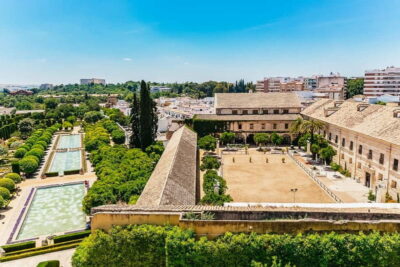

Cordoba Mosque & Jewish Quarter Tour with Tickets
Read our review →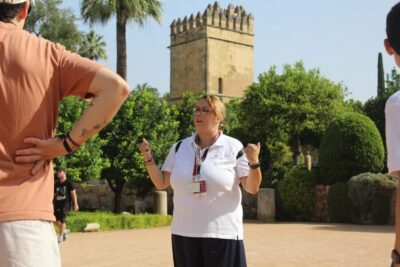

Mosque-Cathedral, Jewish Quarter and Alcázar Tour
Read our review →Browse the lists this tour appears in