
Reviewed · SCUBA DIVING
Gran Canaria: Discover Scuba Diving Beginner Program
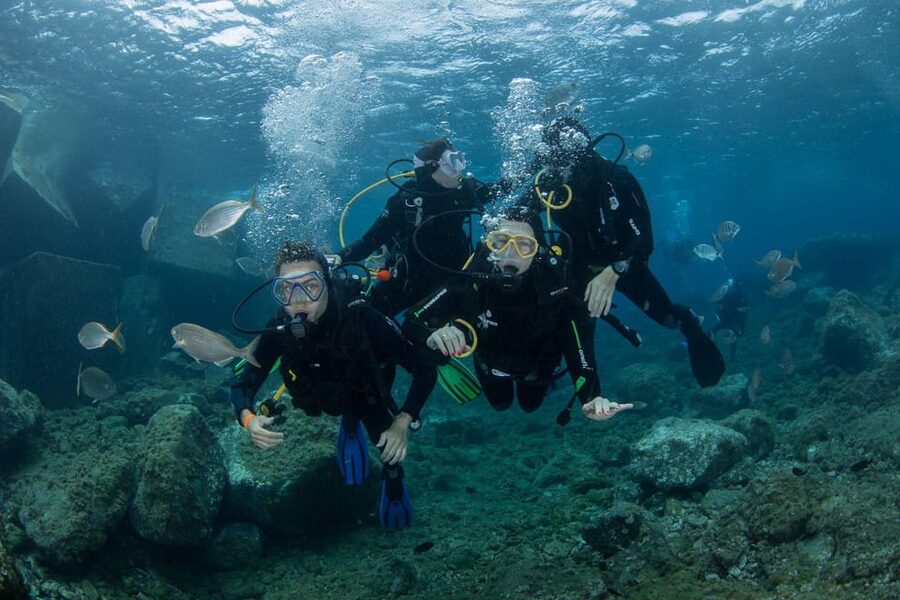
First scuba lessons should not feel like a test. This 4-hour beginner program in Mogán gives you a quick theory chat, hands-on practice in shallow water, and then a guided look at marine life in the Atlantic with a small group. I like that it’s built for first-timers, with time spent getting comfortable with equipment before you head out.
Two things I really appreciate: the small group size (max 2 participants) and the professional instruction that keeps you safe and comfortable underwater. The main drawback to consider is that conditions can vary, so some sessions may have limited visibility or less open-water time than you hoped for.
In This Review
- Key takeaways before you go
- Mogán Sets You Up for an Easier First Scuba Experience
- The 4-Hour Schedule: Theory, Shallow Water Skills, Atlantic Sea Life
- 1) Getting oriented and learning the basics
- 2) Practice in shallow water
- 3) Open-water Atlantic experience
- A reality check on conditions
- Small Group Learning: When It’s Just Two People, You Move Faster
- Equipment, Insurance, and the Extra Costs You Should Know
- Languages, Comfort, and Being Able to Ask Questions
- Sea Life in the Atlantic: What You Can Expect to See
- Transfers and Timing: Why 09:30 Matters More Than You Think
- Price and Value: Is $117 Reasonable for a First Program?
- Who This Program Fits Best
- Should You Book This Beginner Scuba Program?
- FAQ
- How long is the Gran Canaria beginner scuba session?
- Where does the experience take place?
- What’s included in the price?
- What should I bring?
- What are the age and health requirements?
- What languages are available for instruction?
Key takeaways before you go
- Max 2 participants means more attention when you’re learning gear and basic skills
- Shallow-water practice first helps you feel settled before the Atlantic experience
- Equipment and insurance included keeps the first-timer costs and stress lower
- Mogán’s calm waters are a smart choice for a beginner program
- Transfers depend on your hotel so build in a little extra time for pickup timing
Mogán Sets You Up for an Easier First Scuba Experience
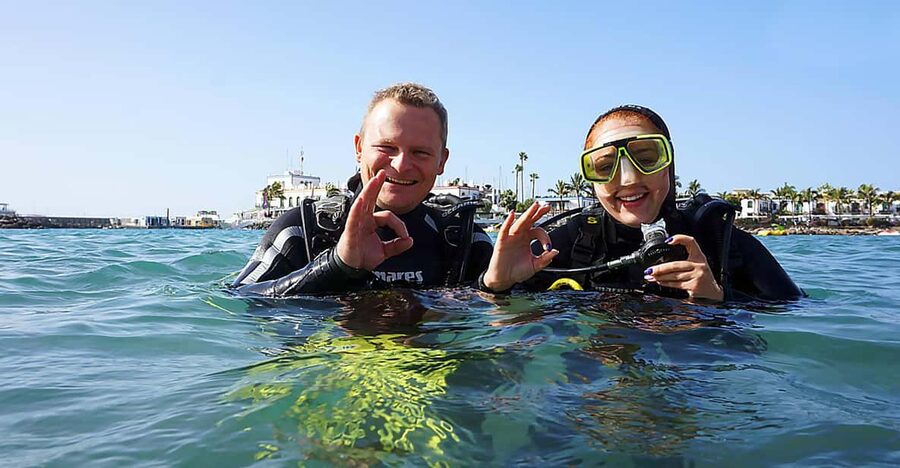
Mogán, on Gran Canaria’s south coast, is a solid pick for a beginner program because you’re starting in calmer, shallower waters rather than jumping straight into deep open water. For you, that matters. When you’re new, the real challenge is staying relaxed while you manage breathing, buoyancy, and equipment at the same time.
I also like the mix of land time and water time. You get theory plus skill practice, then you shift into the fun part, the ocean itself. The Atlantic around Gran Canaria can feel inviting in warm weather, and the nearby beaches are part of the overall setup, even if you mostly experience them from the water and from the training center schedule.
One more good sign: the course is designed for a first step, not a full certification grind. You’ll leave with a participant guide you can keep if you want to continue or upgrade your scuba level.
A few more Gran Canaria verdicts worth reading
- Scuba Diving Experience for Beginners in Gran Canaria
★ 5.0 · 561 reviews - Gran Canaria: Try Scuba Diving for Beginners
★ 4.9 · 403 reviews - Beginners Scuba Diving Experience in Gran Canaria
★ 5.0 · 254 reviews - Gran Canaria: Discover Scuba Diving – Free Transfers
★ 4.9 · 115 reviews
The 4-Hour Schedule: Theory, Shallow Water Skills, Atlantic Sea Life
This is a half-day format, listed as 4 hours, with the meeting time at 09:30 AM at the training center. From there, the flow is straightforward and beginner-friendly:
1) Getting oriented and learning the basics
You start with a theory lesson. Think of this as the “how it all works” part, so you’re not trying to figure things out while wearing a regulator and moving through water. For first-timers, this is where the instructor sets expectations about safety and how your gear will feel.
You also get guidance on how to handle the equipment. That’s not just technical, it’s confidence-building. When you know what each piece is for, you spend less energy panicking and more energy paying attention.
2) Practice in shallow water
Next comes shallow-water practice. This is the part where you rehearse basic scuba skills in a controlled setting. It’s the difference between feeling like you’re “learning” and feeling like you’re “surviving.”
A useful detail here: shallow practice also lets you get comfortable with breathing rhythm and buoyancy control while you’re close to the surface and still able to settle fast if something feels off.
More Things to Do in Gran Canaria
- Poema del Mar Skip-the-Line Ticket★ 4.8 · 3,856 reviews
- Puerto de Mogán: Submarine Tour★ 4.4 · 3,792 reviews
- Guided tour of the Banana World★ 5.0 · 3,431 reviews
3) Open-water Atlantic experience
Then you head out for an open-water scuba session. The main goal is to see marine life while keeping things safe, with instructors watching and guiding you. If you’re expecting a long exploration, adjust your expectations. This is a beginner experience, so it’s typically about doing it right, not testing limits.
A reality check on conditions
One consideration: visibility and “how far out” the group can go may depend on water conditions that day. You might find that some sessions stay closer to shore, especially if the water is less clear than expected. If you care most about seeing lots of sea life, you’ll want to ask the day-of what the visibility looks like and what the plan is if conditions change.
Small Group Learning: When It’s Just Two People, You Move Faster
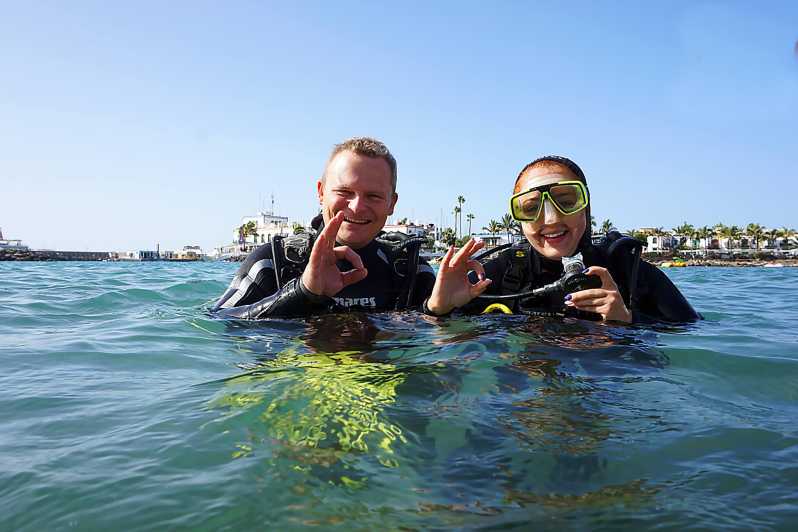
The program is limited to 2 participants, which is a big deal for a first lesson. With smaller ratios, you’re more likely to get corrections that click immediately, instead of general feedback that takes longer to apply.
It also helps with comfort. If you’re nervous, you’ll feel that difference right away when you have one-on-one attention. Even in a calm setup, learning scuba can feel mentally busy at first, so extra personal coaching matters.
If your group is exactly two people, you’re also less likely to end up waiting around. When group size stays tiny, you can keep the energy focused instead of stretched thin across a larger class.
Equipment, Insurance, and the Extra Costs You Should Know
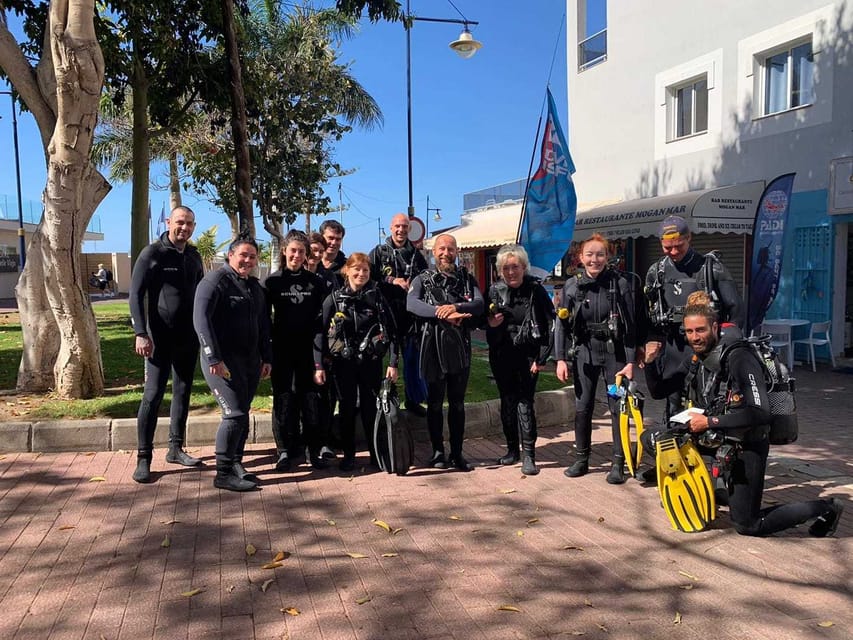
This course includes all scuba equipment and diving insurance. That’s the good news, because those two items are often what surprises beginners at the checkout counter with other operators.
Here’s what you still might pay for:
- An individual mouthpiece costs €4 (listed as not included)
- Underwater photography costs €34 (also not included)
For value, I think the mouthpiece add-on is reasonable since it’s specifically for personal use. The photography package is optional. If you’re hoping for “keep every shot” underwater images, consider whether it’s worth it for you before you decide. If you only want a few memories, you can always keep your own expectations simple and focus on the experience.
Also, since insurance is included, you’re not juggling paperwork or extra add-ons. For a beginner, that’s peace of mind.
Languages, Comfort, and Being Able to Ask Questions
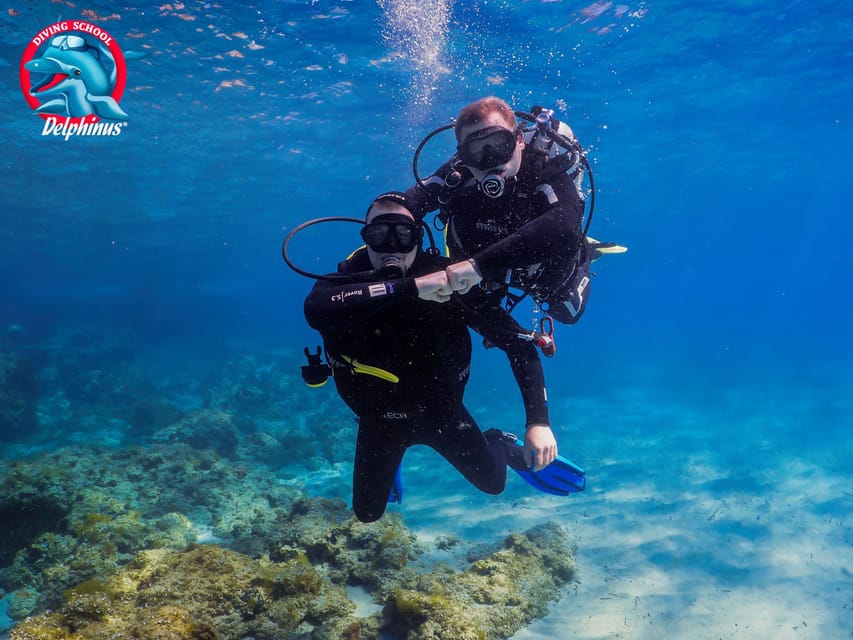
Instructors offer instruction in English, German, Spanish, French, Polish, and Italian. If you want the fastest learning, pick the language you’re most comfortable speaking during questions. It’s not just about understanding the course content, it’s about getting reassurance when you feel uncertain.
One note to plan around: if you’re relying on Spanish specifically and you’re in a situation where the instructor or the group setup doesn’t align, you may feel a small friction point. If language is a deal-breaker for you, confirm what language your instructor will use before you arrive, and ask questions early.
When communication is clear, the whole experience feels easier. You’ll be less likely to second-guess instructions once you’re underwater.
Sea Life in the Atlantic: What You Can Expect to See
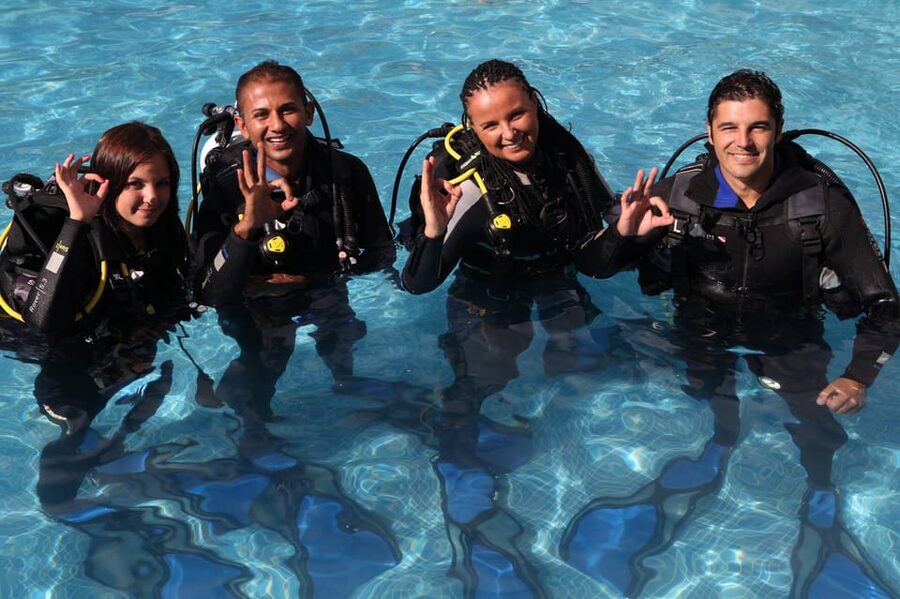
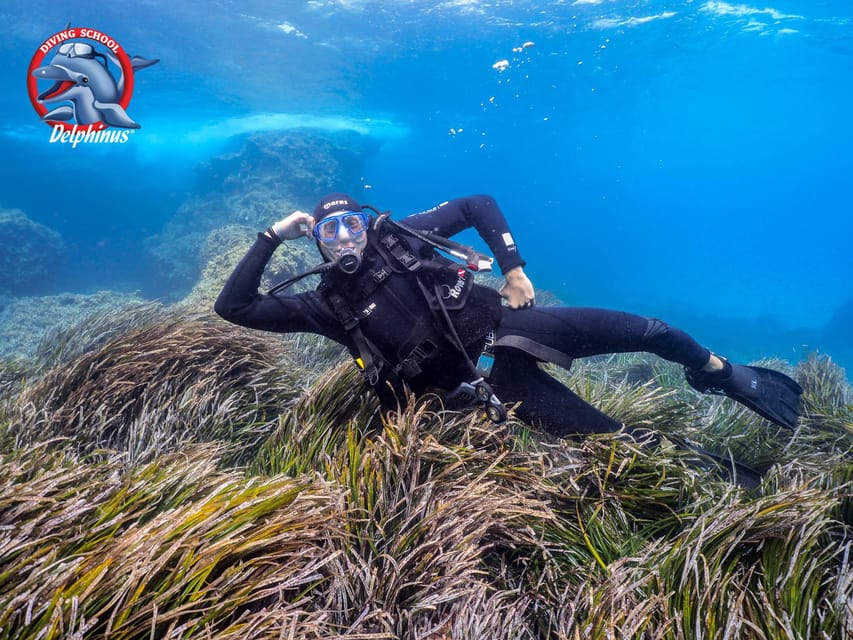
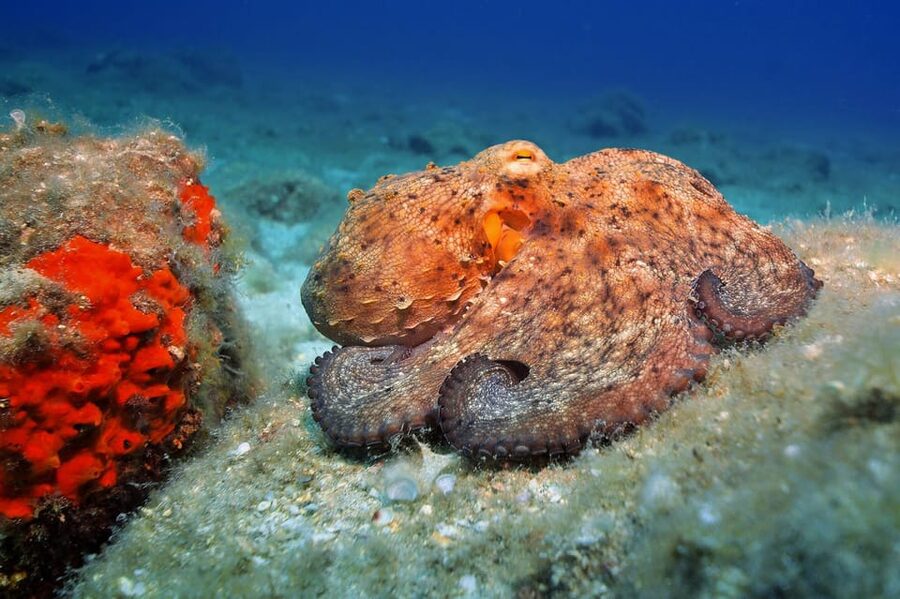
The promise is marine life in the Atlantic, guided in a safe beginner setup. In practical terms, that means you’re there to observe, not to chase every animal like you’re on a research mission.
If your water conditions are clear, you’ll likely enjoy a better view and more confidence to look around. If conditions are murky, you may see less and spend more time focusing on staying relaxed and holding your position.
So, here’s how I’d frame it for your expectations:
- Go in expecting to learn and observe, not to guarantee a spectacular “wow” visibility day every time
- If you love sea life, ask about current visibility and whether the plan includes more open-water time when water is good
The good part is that this course is designed to keep the experience smooth for beginners. That means you’re still getting value even if the ocean is not cooperating on clarity.
Transfers and Timing: Why 09:30 Matters More Than You Think
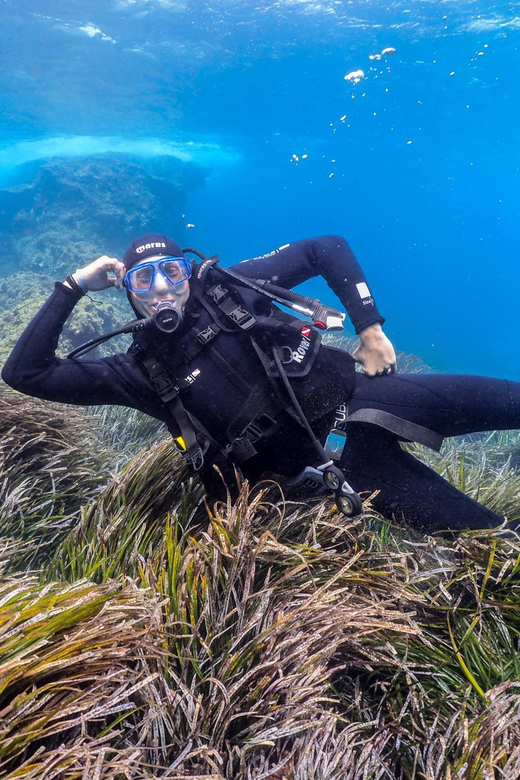
Pickup and drop-off are included, with transfer time depending on where you’re staying. The transport is provided by minivan or bus. The meeting time at the training center is 09:30 AM, so the real question for you is: how early will pickup arrive?
You should plan for some variation. If your hotel is not on the first stop, you might start later and still feel rushed if you show up without buffer time. If you can, I recommend building in extra margin for pickup.
The course also says you can request pickup from your hotel or accommodation. You’ll need to contact the dive school by email or phone to confirm your specific pickup place from hotels or apartments. Do that ahead of time so you don’t end up trying to match your location to a group list while everyone is waiting.
Price and Value: Is $117 Reasonable for a First Program?
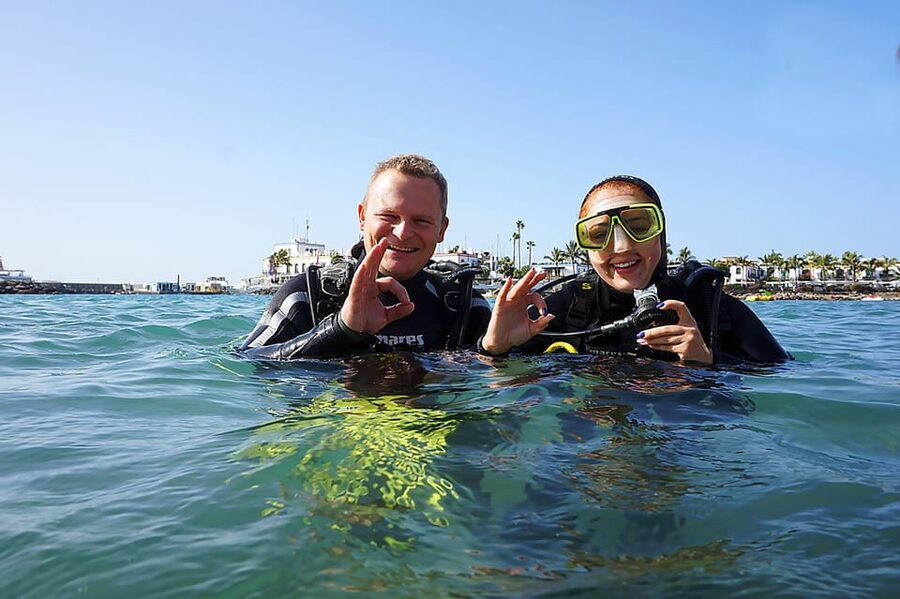
At $117 per person for a 4-hour experience, the value is strongest if you compare what’s included.
You get:
- all scuba equipment
- diving insurance
- hotel pickup and drop-off
- qualified instruction and guiding
- a participant’s guide souvenir
- a discount on continuing education courses
That package makes sense for first-timers because the biggest costs and uncertainties are handled for you. Equipment rental, safety coverage, and guided coaching are usually not cheap when you add them up separately.
Where value might vary for you is based on your priorities:
- If your goal is learning comfort fast, the small group size supports that value
- If your goal is lots of open-water time and maximum visibility, you may feel the limited format more strongly on days with less clear water
Still, as a first scuba step, the cost is in line with what you typically pay for structured coaching plus gear, and the included insurance reduces surprises.
Who This Program Fits Best
This is a great fit if you:
- want a first scuba experience without feeling rushed
- appreciate tight instruction and a calm start in shallow water
- prefer a small group (max 2) so you can get questions answered quickly
- are considering continuing education and like that a discount is included for later courses
It may not fit if you:
- are very sensitive to transport timing and prefer extremely predictable schedules
- want long, free exploration time rather than guided beginner practice
- need full Spanish language support at all moments and cannot confirm instructor language ahead of time
Also, it is not suitable for pregnant women, and you must be at least 10 years old. You should be fit and healthy, and if you have medical issues, check with your doctor and bring medical certification if needed.
Should You Book This Beginner Scuba Program?
I’d book it if you want a safe, coached first step with small-group attention, all equipment included, and a structured path from theory to shallow-water skill practice to a guided Atlantic experience. The meeting time at 09:30 AM and the 4-hour length are both clear enough that you can plan your day without guesswork.
I’d hesitate if your top priority is maximum visibility and maximum time in open water, because conditions can change and some setups may keep things closer to shore. If that’s you, ask what the water clarity looks like on the day and whether the plan can expand if conditions are good.
If you’re the cautious type who wants instruction, this course is likely the right kind of first contact with scuba.
FAQ
How long is the Gran Canaria beginner scuba session?
It runs for 4 hours.
Where does the experience take place?
You practice off the coast of Gran Canaria, starting in the calm waters of Mogán, then enjoy an open-water session in the Atlantic Ocean.
What’s included in the price?
All scuba equipment and diving insurance are included, along with hotel pickup and drop-off, guiding and instruction by a qualified team member, and a discount on continuing education courses. You also receive a participant’s guide as a souvenir.
What should I bring?
Bring swimwear and a towel.
What are the age and health requirements?
You must be at least 10 years old. You should be fit and healthy before enrolling, and if you have medical issues you should check with your doctor and bring medical certification if needed. Pregnant women cannot take part.
What languages are available for instruction?
Instruction is available in English, German, Spanish, French, Polish, and Italian.
Latest Gran Canaria reviews into the ledger



Scuba Diving, compared.
Your First Scuba Diving Experience in Turtle Area
Read our review →
Scuba Diving Experience for Beginners in Gran Canaria
Read our review →
Tenerife First Time Scuba Dive – Turtle Habitat, Small Groups
Read our review →

Tossa de Mar: PADI Discovery Scuba Diving in Costa Brava
Read our review →
Browse the lists this tour appears in