
Reviewed · FARMS
Guided Tour to the only coffee farm in Europe
That European coffee farm in Malaga? Yes, really. You get a private open-air walk in La Herradura where coffee grows right alongside tropical fruit. It is a small-group tour, run by the finca owner, and the focus is practical: how the farm works, what the plants need, and how water and soil get treated like something precious.
Two things I especially loved: first, the sheer variety of fruit trees you pass through, including mango, lychee, avocado, custard apple, pitaya, and more. Second, the guide style, with Manolo Mateos (many people also heard him as Manuel) mixing clear explanations with humor, and communicating in English and other languages. You should also know one key drawback up front: the property is on a steep slope, so you’ll want closed shoes and to avoid the hottest part of the day.
In This Review
- Key highlights you should circle on your map
- La Herradura’s coffee claim, and why it feels so real
- The walk you’re actually doing (and what it teaches)
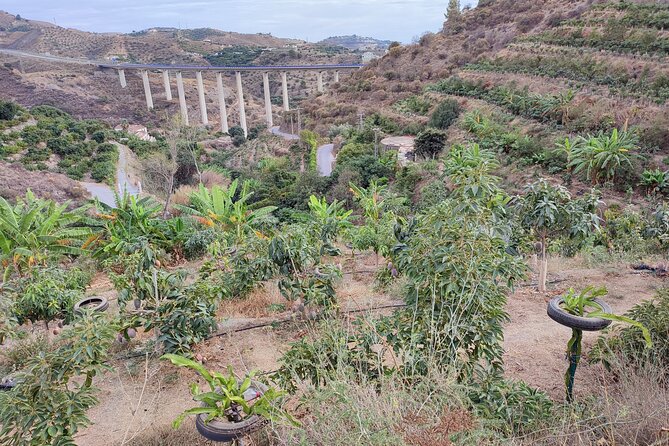
- Stop 1: La Herradura coffee plantation and the tropical fruit jungle
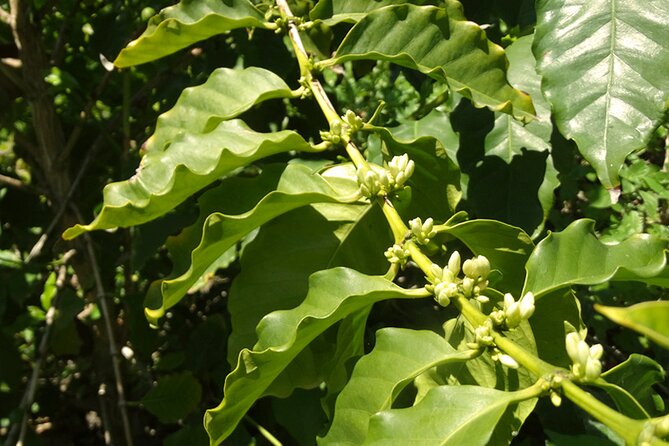
- Coffee plants, not just coffee talk
- What you might spot in the trees (the fun, unpredictable part)
- Sustainable farming ideas you can actually understand
- The slope factor: how to make the tour easy on your body
- Price and value: why $18.15 can still feel like a steal
- Who this tour suits best
- Meeting point, return reality, and the “don’t assume Uber” lesson
- What to bring, and who should check allergies first
- The guide factor: small-group energy with multilingual communication
- Should you book this coffee farm tour?
- FAQ
- How long is the coffee farm tour in La Herradura?
- Is the tour offered in English?
- What is included in the tour price?
- Can I buy coffee or fruit after the tour?
- Where does the tour start and end?
- How many people are in each group?
- Is it okay to bring a service animal?
- What should I bring for comfort?
- Is cancellation free, and does weather affect it?
Key highlights you should circle on your map
- The only coffee plantation in Europe, plus a stop at the most northern coffee plantation in the world
- Up to 30 tropical fruit types growing together, with examples like lychee, mango, custard apple, red bananas, macadamias, and pitayas
- Sustainable farming taught on the ground, including biological balance and “closing the circle” of water and matter
- Small group size (maximum 15), so questions actually land
- A steep-slope walk that rewards comfy shoes and good hydration
- A fruit purchase moment at the end, plus a 15% discount on fruit
La Herradura’s coffee claim, and why it feels so real
If you’re the type who gets skeptical when you hear a big headline, good. This one still holds up because the experience is hands-on. The tour takes place at a finca in La Herradura, where coffee plants grow in a Mediterranean region and where the “coffee farm” label is not just marketing.
The big hook is the farm’s position in the coffee world: you visit what they describe as the most northern coffee plantation in the world, and the only one in Europe. That matters because you’re not just watching coffee in a pot. You’re walking through the real growing setup, and you can understand why it is possible here, not just that it exists.
A few more Malaga verdicts worth reading
- Ría de Arousa: Boat Ride to Mussel Farm with Tasting
★ 4.7 · 845 reviews - Valencia: Orange Farm and Orchard Trip with Tastings
★ 4.9 · 702 reviews - La Herradura Coffee Farm: tour in Europe’s only plantation
★ 4.8 · 430 reviews - Alicante : E-Bike Coast Tour, Roman Fish Farm and Snorkeling
★ 4.8 · 250 reviews
The walk you’re actually doing (and what it teaches)
This is a one-stop experience built around a guided open-air walk. Expect roughly 1 hour 10 minutes to 1 hour 30 minutes, depending on the pace and how many questions people ask. It is not rushed, and the guide keeps shifting between plant stories and how the system is managed.
The core experience is simple: you walk the plantation paths while the guide points out crops, explains ecological farming ideas, and ties it all together with what you can see. If you like tours where your brain keeps getting new facts every few minutes, this is your format.
Stop 1: La Herradura coffee plantation and the tropical fruit jungle
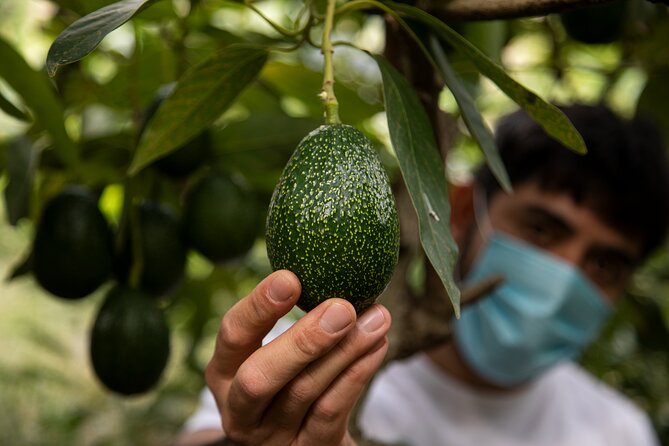
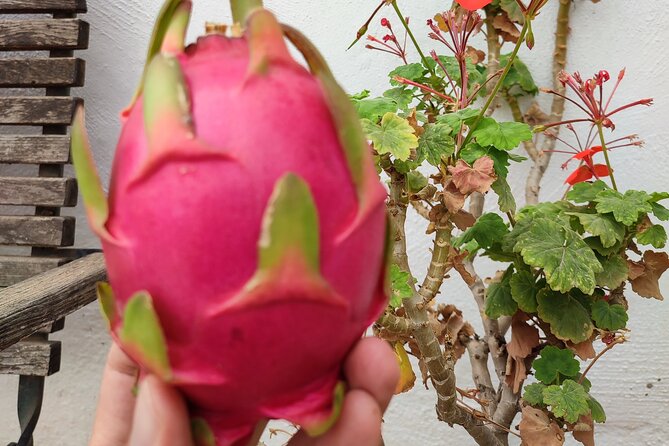
You start with a private open-air tour through the coffee plantation and what they grow around it. The fruit list is part of the fun because it turns the farm into a living classroom. You can expect to pass fruit trees such as avocados, mangoes, custard apples, lychees, red bananas, macadamias, and pitayas, plus other exotic varieties.
Here’s what makes that list more valuable than a standard garden tour: the guide uses those plants to explain farm choices. Instead of memorizing species names, you learn how an ecologically minded farm tries to work with nature, including the biological balance on site.
Coffee plants, not just coffee talk
The tour culminates with a visit to their coffee areas, including the moment they describe as the most northern coffee plantation in the world and the only one in Europe. Even if you’re not a coffee nerd, you’ll come away with a clearer sense of how coffee fits into a broader tropical-or-not-tropical mix.
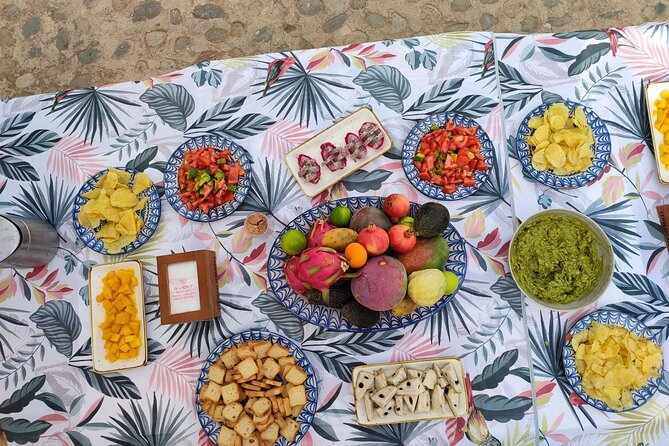
The tour also gives you a reason to care about the farm beyond curiosity. At the end, you’ll have a chance to buy coffee and fruit grown on site, and many visitors say they leave with something tasty in hand.
More Things to Do in Malaga
- Malaga: Catamaran Sailing Trip with Sunset Option★ 4.4 · 8,613 reviews
- Málaga: Alcazaba and Roman Theatre Guided Tour With Entry★ 4.8 · 5,792 reviews
- Ronda and Setenil Tour with Free Time and Map from Málaga★ 4.8 · 5,344 reviews
What you might spot in the trees (the fun, unpredictable part)
This is not a zoo, and wildlife sightings are not guaranteed. But with a bit of luck, the guide says you could see animals like chameleons, eagles, partridges, owls, wild goats, and wild boars.
The practical takeaway is how you should look. Keep your eyes open low and mid-level in the trees, and also glance around when the guide stops. Wildlife in farms usually shows up when you pause, not when you sprint ahead.
If wildlife is a major goal for you, go in with the right mindset: you’re touring a working farm, not chasing a checklist.
Sustainable farming ideas you can actually understand
A lot of tours say sustainable and then show you a brochure. Here, the sustainability theme stays tied to what you see and how the farm operates.
During the walk, the guide shares their sustainable agricultural practices and their approach to biological balance. They also explain what they call the closing of the circle of water and matter, which you can think of as the goal of using resources wisely and reducing waste.
Why this is worth your time: you get to connect farming choices to real-world outcomes. When the guide points out why certain crops are placed where they are, it’s easier to understand sustainability as a system, not a slogan.
The slope factor: how to make the tour easy on your body
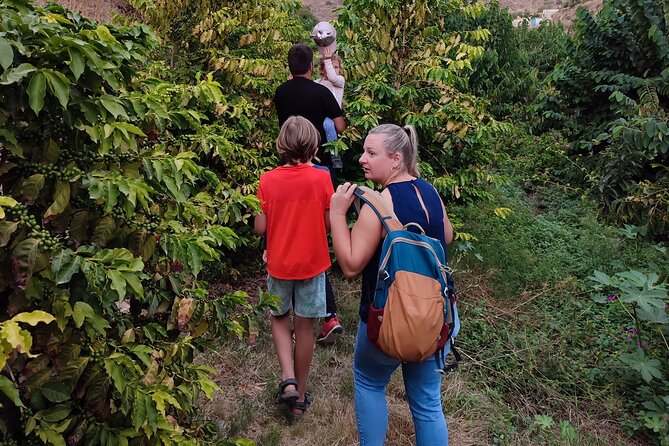
Let’s talk feet and heat. The plantation has a steep slope, and the tour suggests you avoid the hottest hours. Bring comfortable closed shoes and hydrate properly.
This is not the kind of walk where flip-flops make sense. Even if you’re fit, you’ll appreciate decent grip underfoot, because steep paths feel different when you’re focused on learning and looking up at plants.
If you are coming with kids, you’ll still have fun, but plan to move at the pace of the youngest legs. Family reviews in the provided information describe visits with children in the toddler to school-age range, and that usually works when the group stays calm and the guide involves kids in what they’re seeing.
Price and value: why $18.15 can still feel like a steal
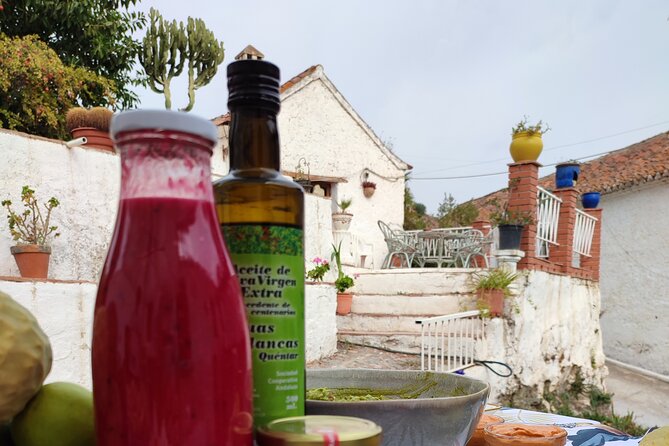
The price is $18.15 per person, and the tour runs about 1 hour 10 minutes to 1 hour 30 minutes. On paper, it looks modest. In practice, the value comes from three things.
First, you get a small-group, owner-led walk. The experience caps at 15 travelers, which matters because you can ask questions about specific fruit types, farming choices, or coffee without your guide tuning out to “tour mode.”
Second, you get more than coffee. The farm is also a tropical fruit showcase, and that variety adds entertainment value even if you’re not buying souvenirs.
Third, there’s a practical money hook: you receive a 15% discount on fruit purchases. That turns the tour into something you can convert into a real take-home benefit. Several visitors mention buying coffee and fruit at the end, which is where the discount feels most useful.
Not included: local wine and tapas. If you want them, add your own stop elsewhere. Think of this as a focused farm experience, not a food-and-drink package.
Who this tour suits best
I’d especially recommend this tour if you like:
- Learning how food is grown, not just how it tastes
- Unique agriculture stories, like coffee in a European setting
- Family outings where kids can experience fruits on the plant and ask questions
- Smaller, more personal tours led by someone invested in the place
It is also a good fit if you want an in-between activity while you’re in the area. People in the provided information mention using it as a stop when traveling through the region, including an outing on the way to Malaga.
Meeting point, return reality, and the “don’t assume Uber” lesson
The start point is given at Q723+V5 in La Herradura, Spain. The tour ends at a listed farm address in the wider Granada area: Diseminado Rio Jate Pol 21, 162, 18690, Granada, Spain (as shown in the provided details).
One practical tip from a visitor: if you’re arriving by taxi, contact the guide in advance so he can meet you and help with the uphill part. That makes a big difference, because the finca is not set up for simple roadside drop-offs.
Another reality check: the same visitor notes that there is no Uber service for return. So plan your ride after the tour. If you’re staying in a bigger town, arrange a local taxi or a pickup so you’re not standing around figuring it out at the end of your walk.
What to bring, and who should check allergies first
The tour is open-air and plant-focused, so come prepared.
Bring:
- Comfortable closed shoes
- Enough water to hydrate properly
- Basic sun protection if you’re going in daytime heat (the tour itself warns to avoid the hottest hours)
Allergy note: the tour is not recommended for seasonal pollen allergy sufferers, and the provider suggests consulting beforehand if you have allergies to plants or pollen. If you have any known sensitivities, treat this as a “check first” situation, not a “maybe it’ll be fine” situation.
The guide factor: small-group energy with multilingual communication
This experience often works because of the guide. In the provided information, the owner-guide is repeatedly credited as Manolo Mateos (and sometimes referred to as Manuel in different languages). People describe him as entertaining and friendly, and they mention he speaks multiple languages, including English plus others such as French and German.
Even if you only need English, that multilingual ability still matters. It usually means the guide can tailor explanations and connect with the whole group, not just the one language on the ticket.
With a max of 15 people, you’re more likely to get personalized moments, like a follow-up question about a fruit tree or coffee growing conditions.
Should you book this coffee farm tour?
I think you should book it if you want a short, high-reward farm visit where you walk through coffee plants plus a wide range of tropical fruit, learn sustainable practices, and leave with the option to buy farm-grown goods at a discount.
Skip it or at least think twice if:
- You don’t do well with steep slopes or long outdoor walking
- You have pollen or plant allergies and you haven’t confirmed the situation with the provider
- You want a big “food tour” with wine and tapas included, because those are not included
If you’re on the fence, here’s my simple decision rule: choose this tour when you want authentic agriculture, not a showroom. At roughly $18.15 for 1.5 hours on a real finca, it’s priced like a friendly local experience, not a tourist-only show.
FAQ
How long is the coffee farm tour in La Herradura?
It runs about 1 hour 10 minutes to 1 hour 30 minutes.
Is the tour offered in English?
Yes. English is listed as one of the available languages.
What is included in the tour price?
The tour includes the guided farm visit experience, and there is also a 15% discount on fruit purchases. Local wine and tapas are not included.
Can I buy coffee or fruit after the tour?
Yes. The information provided includes a fruit discount, and the experience ends with the opportunity to purchase fruit and coffee from the farm.
Where does the tour start and end?
It starts in La Herradura at Q723+V5 (La Herradura, Spain). It ends at a listed farm address in the Granada area: Diseminado Rio Jate Pol 21, 162, 18690, Granada, Spain.
How many people are in each group?
The tour has a maximum of 15 travelers.
Is it okay to bring a service animal?
Yes. Service animals are allowed.
What should I bring for comfort?
The tour notes a steep slope, so bring comfortable, closed shoes and hydrate properly. It also suggests avoiding the hottest hours of the day.
Is cancellation free, and does weather affect it?
Cancellation is free. You can cancel up to 24 hours in advance for a full refund, and the tour requires good weather, so it may be rescheduled or refunded if canceled due to poor weather.
Latest Malaga reviews into the ledger



Farms, compared.
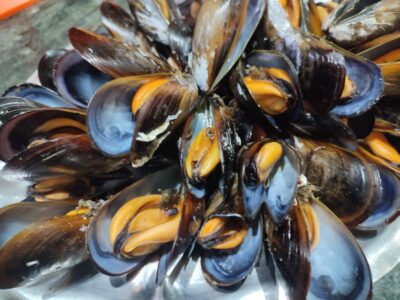
Ría de Arousa: Boat Ride to Mussel Farm with Tasting
Read our review →
La Herradura Coffee Farm: tour in Europe’s only plantation
Read our review →
E-Bike Coast Tour, Roman Fish Farm and Snorkeling
Read our review →
Browse the lists this tour appears in