
Reviewed · THINGS TO DO IN VALENCIA
Valencia: Orange Farm and Orchard Trip with Tastings
A 2-hour orange farm tour in Valencia can still surprise you. At Huerto Ribera, you walk through groves that have been farmed since 1870, and you get to pick your own oranges in season before learning how they’re selected and calibrated at the packing stage. I also like the variety, because you’re not limited to just oranges, you move through the orchard and meet other citrus types like Buddha’s hand and citrus yuzu, then end with typical Valencian tastings.
One thing to plan for: transportation is on you. The tour starts in Carcaixent, about 35 km from Valencia, and while there is a direct train from Valencia Nord, the final stretch may mean extra walking or arranging a taxi.
In This Review
- The quick, practical take: what you’ll actually do
- Key highlights you should care about
- Entering Huerto Ribera in Carcaixent, where oranges are the main character
- The grove walk: varieties, pruning, grafting, and flowering explained in plain terms
- Picking your own oranges, then making your way to Naranjas Ribera
- The well and irrigation: why water matters in Valencia citrus
- The tasting hour: orange juice, liqueurs, jams, and orange blossom honey
- Who this tour suits best (and who might want a different plan)
- Price and value: what $35 buys you in the real world
- Getting there from Valencia: train time, station to farm reality, and meeting point
- Should you book Huerto Ribera?
- FAQ
- How long is the Valencia orange farm and orchard trip?
- What is the price per person?
- Where does the tour start?
- What’s the best way to get there from Valencia by train?
- Is transportation included in the price?
- What’s included in the tour?
- Can I pick my own oranges, and which months are included?
- What kind of citrus and fruit varieties will I see?
- What do you taste at the end of the tour?
- Is the tour wheelchair accessible?
- What should I bring?
The quick, practical take: what you’ll actually do
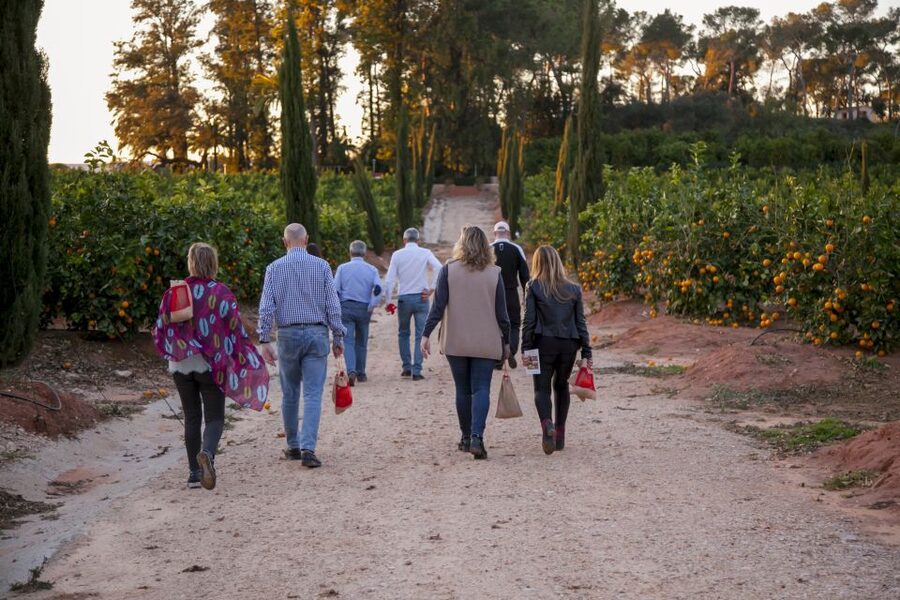
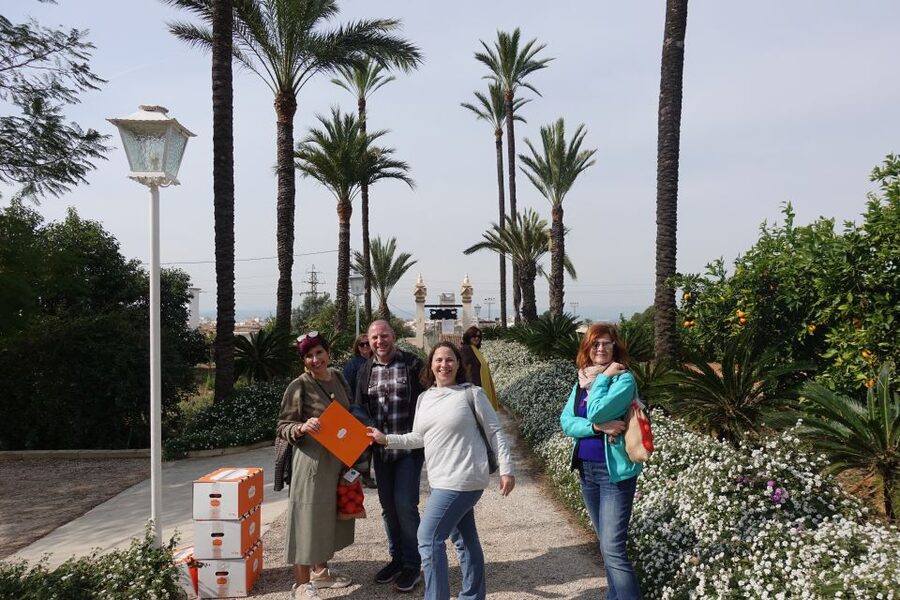
You’ll start at Huerto Ribera in the 19th-century modernist house area, then move through gardens and orange groves with a guide explaining how traditional cultivation differs from modern methods. Expect a walk that covers pruning, grafting, flowering, and citrus varieties, then a visit to the Naranjas Ribera warehouse to see how oranges get calibrated and selected for shipping across Europe.
Finish with tastings like fresh orange juice, orange blossom honey, homemade jams, and Valencian liqueurs, with tangerines if they’re in season. Guides are often family members and English is available, with names you might meet including Teresa, Ana E., Claire, Luis, and Mylene.
Key highlights you should care about
- Pick-your-own oranges in season, with an included bag (February to June) and fruit availability roughly from October to June
- Naranjas Ribera calibration and selection, so you see what makes good fruit “good enough” for packing
- A real mix of citrus, including Sanguinelli, citrus yuzu, Buddha’s hand, and citrus caviar
- Irrigation details at the well, where the orchard’s water comes from
- Tastings focused on Valencia, including orange juice, orange blossom honey, jams, and Valencian liqueurs
A few more Valencia verdicts worth reading
- Ría de Arousa: Boat Ride to Mussel Farm with Tasting
★ 4.7 · 845 reviews - La Herradura Coffee Farm: tour in Europe’s only plantation
★ 4.8 · 430 reviews - Alicante : E-Bike Coast Tour, Roman Fish Farm and Snorkeling
★ 4.8 · 250 reviews
Entering Huerto Ribera in Carcaixent, where oranges are the main character
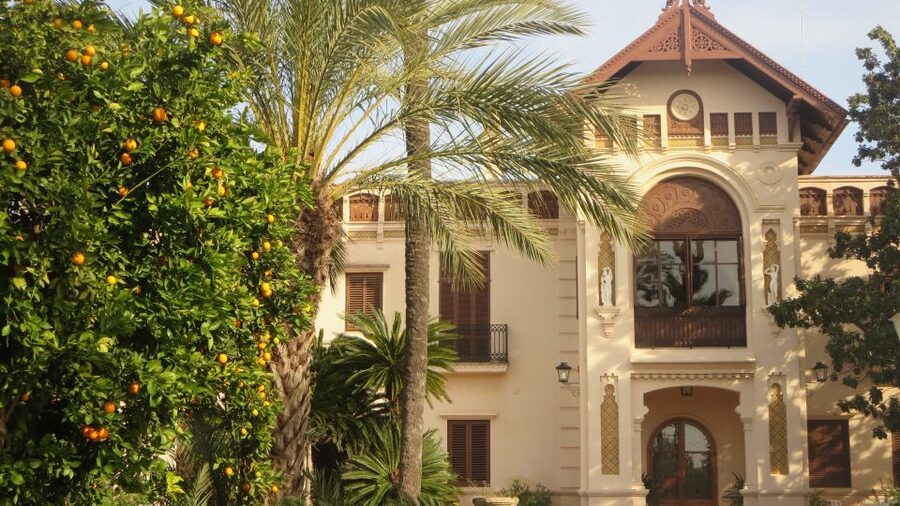
The tour begins at Huerto Ribera in Carcaixent, and the setting does a lot of the work. You’re not in a sterile “look at this tree” display. Instead, you start around the property’s eclectic 19th-century modernist house (at least the exterior), then move into gardens and working groves.
This matters because you’re seeing oranges as a crop, not a souvenir. The guide sets the tone fast, with history and practical farming concepts you can follow even if you’re not a plant person. If you like asking questions, this part is where you’ll get good, clear answers.
You’ll also learn how the orchard balances different citrus types grown in the same overall environment. That’s one reason this feels more personal than a typical city food tour. You can literally see how pruning and grafting affect what you’re looking at next.
The grove walk: varieties, pruning, grafting, and flowering explained in plain terms
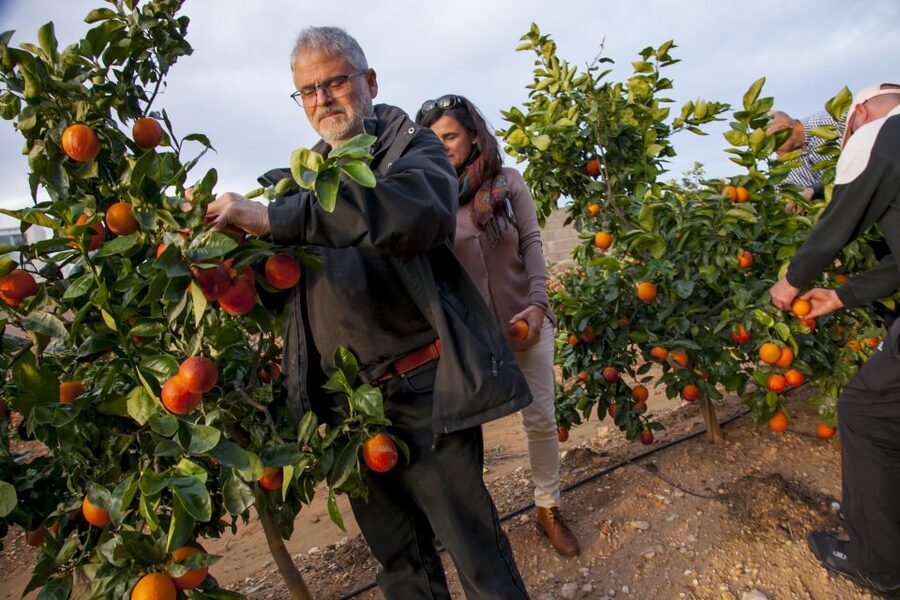
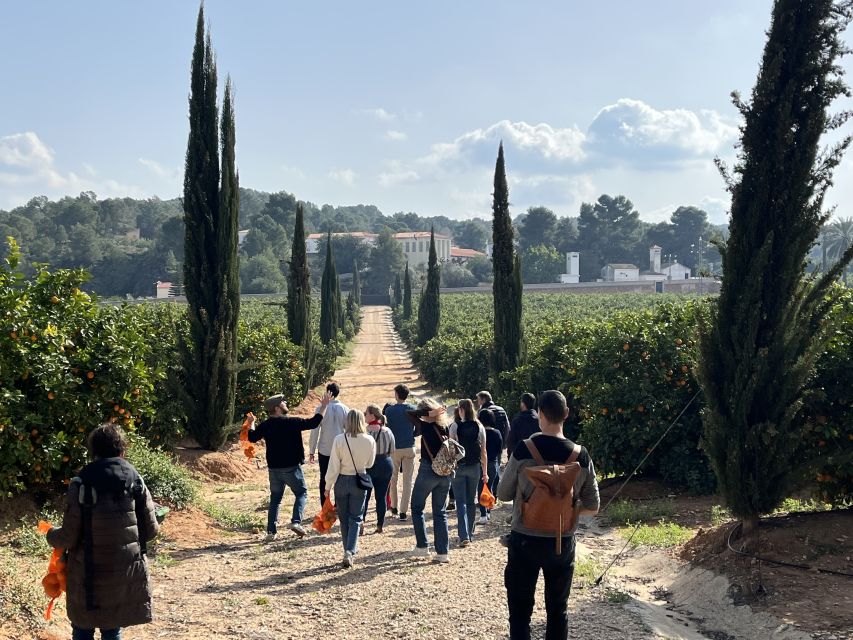
Here’s the heart of the experience: a guided stroll through fruit trees where the guide connects what you’re seeing to how citrus is grown.
You’ll move among oranges and tangerines, but also other plants in the orchard like avocados, Buddha’s hand, citrus caviar, lemons, kumquats, grapefruit, pomegranates, papayas, and medlars. Whether you’re here for the oranges or just for the “anything citrus goes” day, the range keeps it interesting.
The guide also compares traditional cultivation with modern techniques. That’s not just trivia. It helps you understand why Valencia oranges have a reputation for flavor and why growers pay attention to timing, pruning, and how trees are trained to produce.
One detail I really like is that the explanation stays tied to the trees. Instead of hearing a list of terms, you’re walking past branches and blossoms while the guide connects it to grafting, flowering, and how harvest decisions get made.
Picking your own oranges, then making your way to Naranjas Ribera
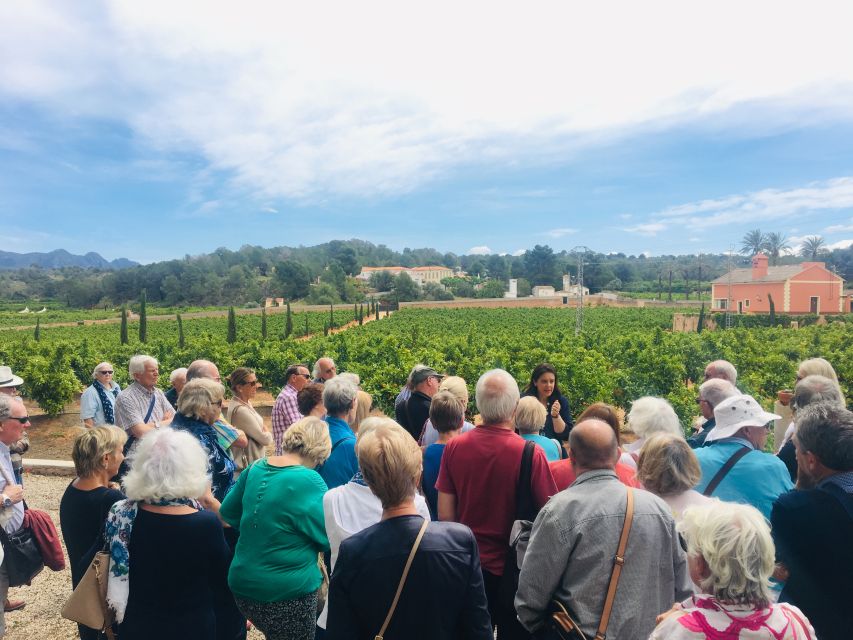
The most satisfying part for most people is the hands-on moment: collecting your own seasonal oranges. The included pick is February to June, but the orchard’s picking season is described more broadly as October through June, so the exact fruit you’ll find depends on what’s ripening during your visit.
You’ll take part in picking and then bring your bag along to the next stage. Even if you’re just picking for fun, you’ll start noticing differences in fruit size and color that line up with what the warehouse checks later.
After picking, you’ll head to the Naranjas Ribera warehouse. This is where the tour levels up from “cute orchard walk” to real-world production. You’ll learn how oranges are calibrated and selected, and how that process feeds into boxing for shipment across Europe.
This packing stage is valuable because it answers the question most people don’t think to ask. What happens after fruit is harvested, and how do growers make sure the oranges you buy actually match expectations?
More Things to Do in Valencia
- Valencia: Oceanogràfic Entry Ticket★ 4.7 · 9,893 reviews
- Valencia: 24 or 48-Hour Hop-on Hop-off Bus Ticket★ 3.9 · 5,611 reviews
- Valencia: Sailing Catamaran Cruise with Sunset Option and DJ★ 4.1 · 4,270 reviews
The well and irrigation: why water matters in Valencia citrus
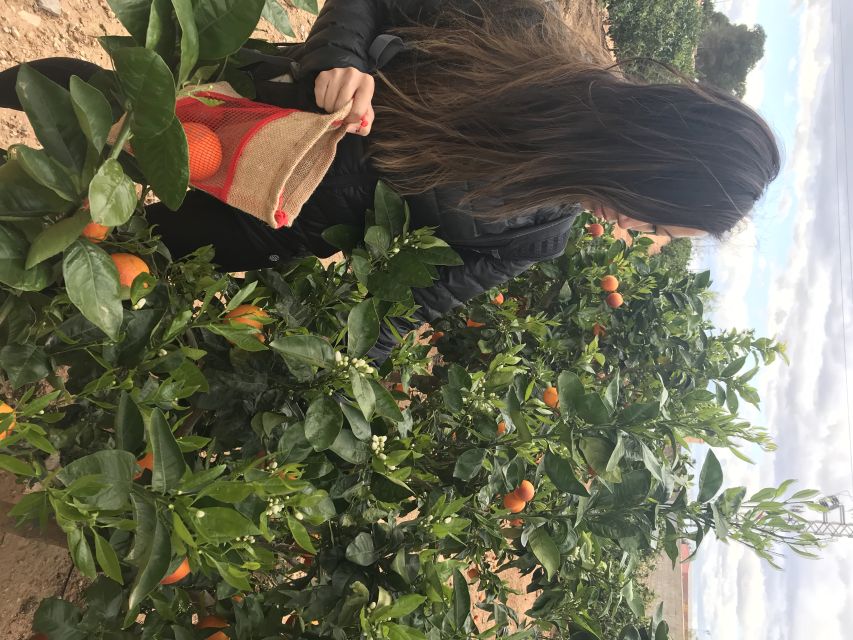
You’ll also visit the well that irrigates the orchard. It’s a small stop, but it’s a smart one, because citrus growing is never just about sunlight. Valencia’s citrus culture is tied to water access and irrigation practices that help orchards keep producing year after year.
I like this because it helps you connect the farm’s daily rhythm to the bigger regional picture. Without talking about politics or economics, you get a grounded sense of how growers manage resources in a place where citrus is a serious long-term crop.
The tasting hour: orange juice, liqueurs, jams, and orange blossom honey
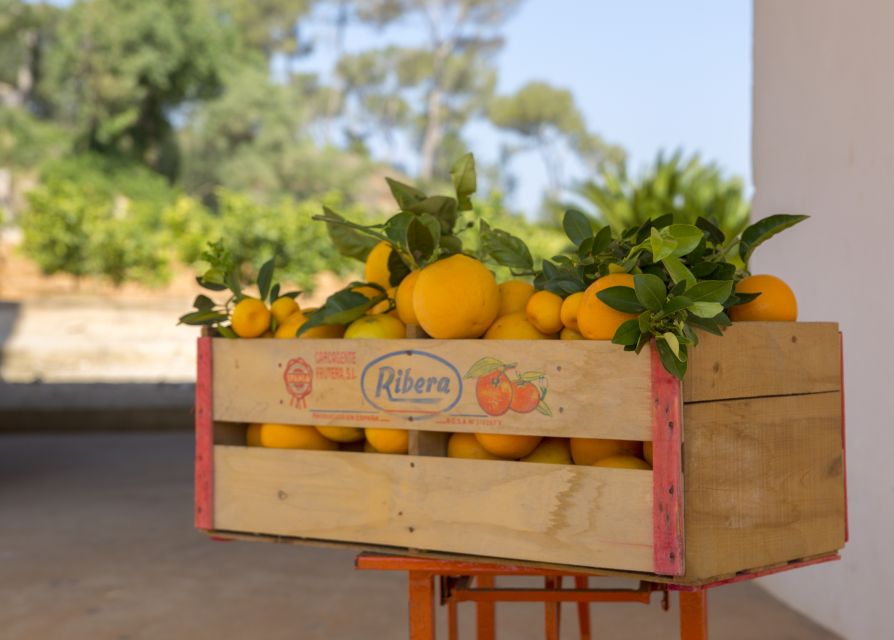
The end of the tour is about flavor. You’ll taste typical Valencian products such as orange juice, tangerines if they’re in season, Valencian liqueurs, homemade jams, and orange blossom honey.
This is where your orchard walk comes full circle. After you’ve seen blossoms and varieties up close, you taste like you’re matching names to flavors instead of just working through small samples.
In some visits, you may also get a small welcome such as fresh lemonade and orange-blossom cookies, and multiple guides run with a warm, family-style hospitality. Either way, the tastings are paced so you still feel like you’re part of the process, not just consuming at the end.
If you have a sweet tooth, the orange blossom honey and jams are usually the type of products that make it hard to leave without thinking about gifts. If you’re more citrus-forward, the fresh juice and the seasonal fruit tastings are the big win.
Who this tour suits best (and who might want a different plan)
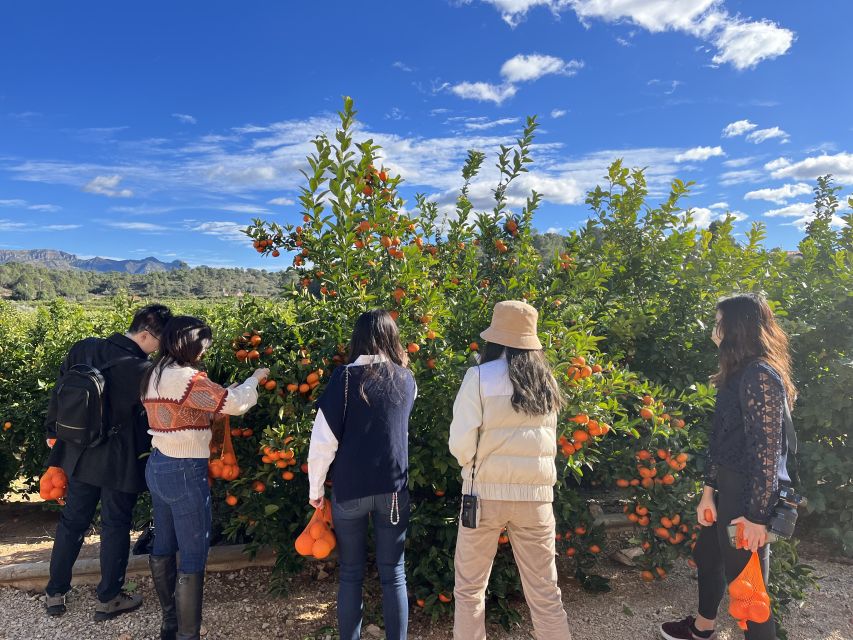
This is a great fit if you want something more active than a museum, but still easy to do. It works well for couples, solo travelers, and families because it’s hands-on without being physically hard.
It also suits foodies who care where ingredients come from. The orange farm history, the orchard walk, and the warehouse calibration stage make this a production-focused outing, not a generic “taste and go” experience.
What may not fit as well:
- If you’re limited on mobility, the operator notes the tour is not suitable for wheelchair users.
- If you hate extra logistics, factor in transportation since it’s not included.
- If you’re short on time, it’s only a 2-hour tour once you arrive, but the journey to Carcaixent can take additional time depending on your route.
Price and value: what $35 buys you in the real world
At $35 per person for a 2-hour guided visit, I think the value is strong for a few reasons.
First, you’re not just walking. You get a guide, you learn how citrus is grown, you see the warehouse calibration and selection step, and you end with multiple local tastings. That turns it into a full “farm-to-pack-to-flavor” experience.
Second, you get something tangible to take home. The included pick-your-own bag is listed for February to June, which can feel like the tour pays for itself if you actually plan to buy oranges anyway.
Third, the setting is productive, not staged. You’re spending time in working groves with a real packing operation, which is harder to replicate with a typical food tour in the city.
Getting there from Valencia: train time, station to farm reality, and meeting point
The meeting point is Huerto Ribera, Polígono Nº 53, 5, 46740 Carcaixent, Valencia, Spain.
If you’re coming by train, the tour description says the train is direct and takes about 35 minutes from Valencia Nord Station. That’s a straightforward start.
Then you have two realities to consider:
- Some people plan to add time on foot, and this can become a long walk from the station to the property.
- Others arrange a taxi for the final stretch, which can save time when you have less buffer.
If you prefer the simplest plan, I’d check your schedule early and build in margin, because missing timing could make a 2-hour tour feel rushed.
For what to bring: the official note is comfortable shoes. If you’re traveling in warmer months, you might want to wear light clothing. Some visits include sun hats, which can help if the grove walk gets hot.
Should you book Huerto Ribera?
Book it if you want an authentic Valencia orange experience that mixes hands-on picking, orchard education, and a peek into how fruit becomes packaged produce. The tastings are a real payoff, and the price feels reasonable for the combination of farm time plus selection and calibration at the packing stage.
I’d skip it if you don’t want to deal with getting to Carcaixent on your own, or if you need wheelchair-accessible routes, since the tour is listed as not suitable for wheelchair users. Also, if you’re the type who dislikes any walking at all, plan extra time for the station-to-farm connection.
FAQ
How long is the Valencia orange farm and orchard trip?
The tour lasts about 2 hours.
What is the price per person?
The price is $35 per person.
Where does the tour start?
Meet at Huerto Ribera, Polígono Nº 53, 5, 46740 Carcaixent, Valencia, Spain.
What’s the best way to get there from Valencia by train?
You can take a direct train from Valencia Nord Station, and the ride takes about 35 minutes.
Is transportation included in the price?
No, transportation is not included.
What’s included in the tour?
You get a tour guide, tastings of local products, and an included pick-your-own bag of oranges in season (listed as February to June).
Can I pick my own oranges, and which months are included?
The included pick-your-own bag is February to June. The orchard picking season is described as in season roughly from October through June.
What kind of citrus and fruit varieties will I see?
You’ll see a range of citrus varieties such as Sanguinelli, citrus yuzu, Buddha’s hand, citrus caviar, plus oranges, tangerines, lemons, kumquats, and grapefruit, along with other fruits grown on the property.
What do you taste at the end of the tour?
You’ll taste typical Valencian products such as orange juice, tangerines in season, Valencian liqueurs, homemade jams, and orange blossom honey.
Is the tour wheelchair accessible?
The tour is listed as not suitable for wheelchair users.
What should I bring?
Wear comfortable shoes.
Latest Valencia reviews into the ledger






Things to Do in Valencia, compared.



Sailing Catamaran Cruise with Sunset Option and DJ
Read our review →

Valencia Old Town Tour with Wine & Tapas in 11th Century Historic Monument
Read our review →
Oceanogràfic, Hemisfèric & Science Museum Combo
Read our review →
Browse the lists this tour appears in