
Reviewed · MUSEUMS
Seville: Museum of Fine Arts Guided Tour
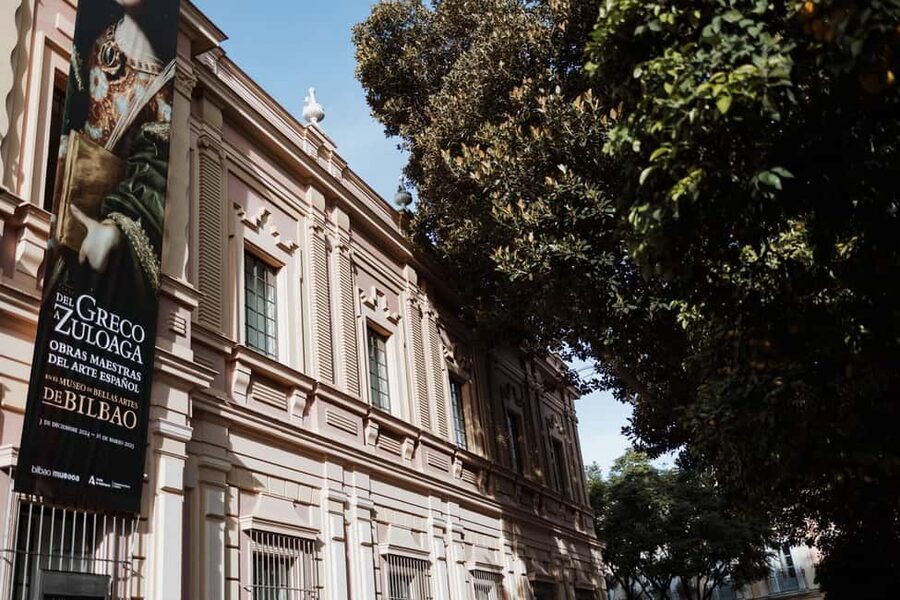
Seville’s art clues are hiding in plain sight. This 2-hour small group tour walks you through the Museo de Bellas Artes of Seville inside the historic La Merced convent, where Renaissance and Baroque art sit in cloisters with real quiet atmosphere. I like how the tour uses a licensed local guide to connect artworks to the world that made them, and I also love the focus on Seville and Andalusia rather than generic art talk. One consideration: 2 hours goes fast, so you will see selected highlights, not every painting and sculpture in the museum.
My favorite part is the way the guide turns a stop-and-stare museum into a guided story. I went in hoping for context, and the tour delivers it, including why certain works matter to Seville’s artistic identity and how religious subjects were understood at the time. A second big plus is the small group format, limited to 8 participants, which makes questions feel normal and not like shouting in a gallery.
There’s also a practical upside: you get express security to keep things moving, so the day doesn’t get eaten by waiting. If you are arriving late or you struggle with meeting points in busy historic streets, you’ll want to plan extra time to find the guide at Plaza del Museo.
In This Review
- Quick hits before you go
- La Merced Convent Setting: Why the Museo de Bellas Artes Feels Special
- Meeting Up at Plaza del Museo and Getting Inside Fast
- The 2-Hour Guided Format: What You’ll Gain From a Local Expert
- Cloisters With Claustro de los Bojes and Claustro Mayor in Your Route
- Renaissance and Baroque Masterpieces: Following the Artistic Evolution
- Murillo in the Spotlight: Seeing Sevillian Identity Up Close
- Price and Value at Around $23 for a 2-Hour Small Group
- Who This Tour Fits Best (and Who Might Want to DIY)
- Should You Book This Tour?
- FAQ
- How long is the Museum of Fine Arts guided tour in Seville?
- What is the price per person?
- Where does the tour meet?
- What is included in the tour price?
- Is there an option to choose English or Spanish?
- Will I be able to skip the line for security?
- How big is the group?
- Is the museum tour wheelchair accessible?
- Are pets allowed on the tour?
- What flexibility do I have if my plans change?
Quick hits before you go
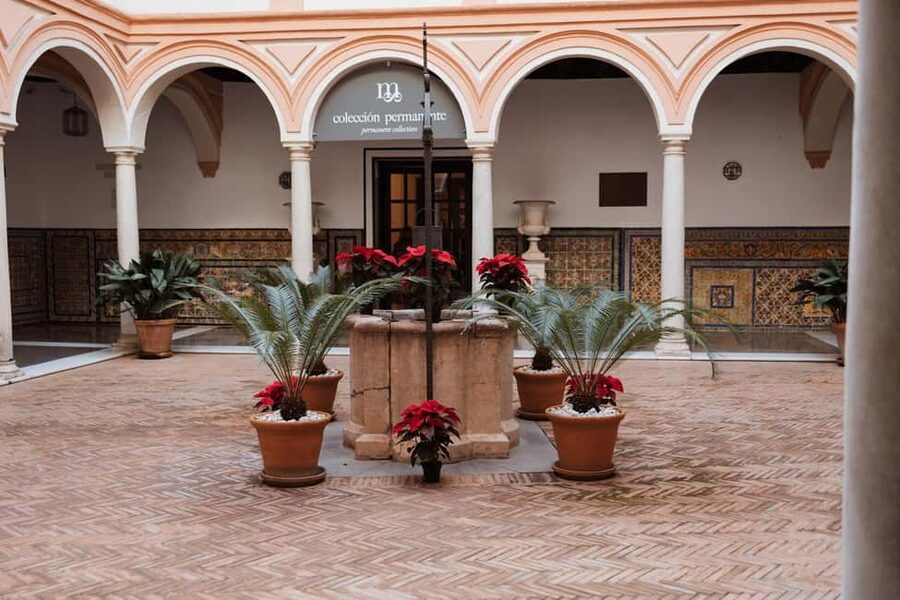
- La Merced convent setting: Renaissance and Baroque architecture inside a museum that feels like part of old Seville, not just a box for art
- Expert guide in English or Spanish: the tour is built around interpretation, not just reading labels
- Cloisters that change the pace: Claustro de los Bojes and Claustro Mayor give you a natural route through masterpieces
- Murillo-focused room: you spend time with works tied to Bartolomé Esteban Murillo and other Sevillian artists
- Major names get explained: including Torrigiano’s Saint Jerome Penitent and Gothic pieces across Andalusia
- Small group limit of 8: better listening, better questions, less crowd-pressure in key rooms
La Merced Convent Setting: Why the Museo de Bellas Artes Feels Special
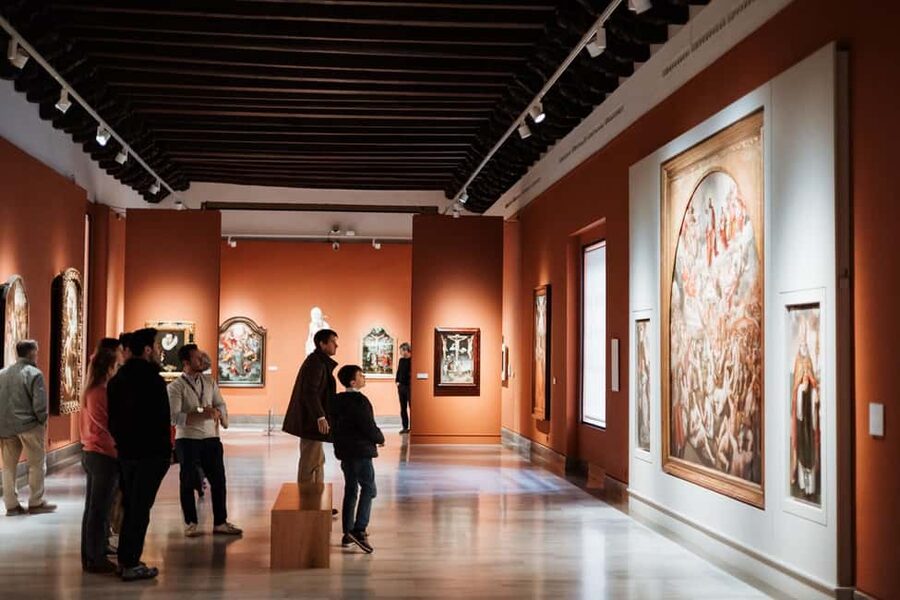
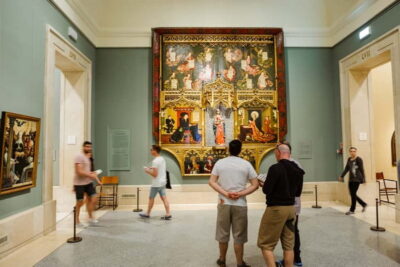
The Museo de Bellas Artes of Seville is housed in the historic convent of La Merced, and that matters more than you might think. You are not just walking through galleries, you are moving through a real architectural framework designed for contemplation. That shift in setting changes how art lands, because cloisters and corridors give you pauses between heavy religious and dramatic scenes.
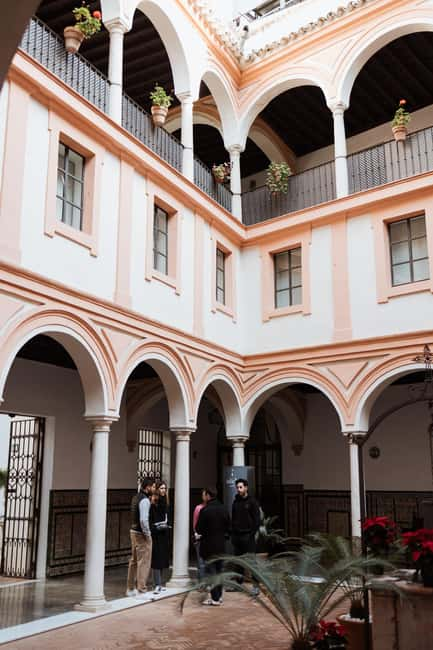
One standout area is the convent’s cloisters, including the Claustro de los Bojes and the Claustro Mayor. In a museum, cloisters can sound like filler. Here, they actually help you understand how Renaissance and Baroque works were experienced in a slower rhythm, where viewing art was tied to daily spaces and communal life.
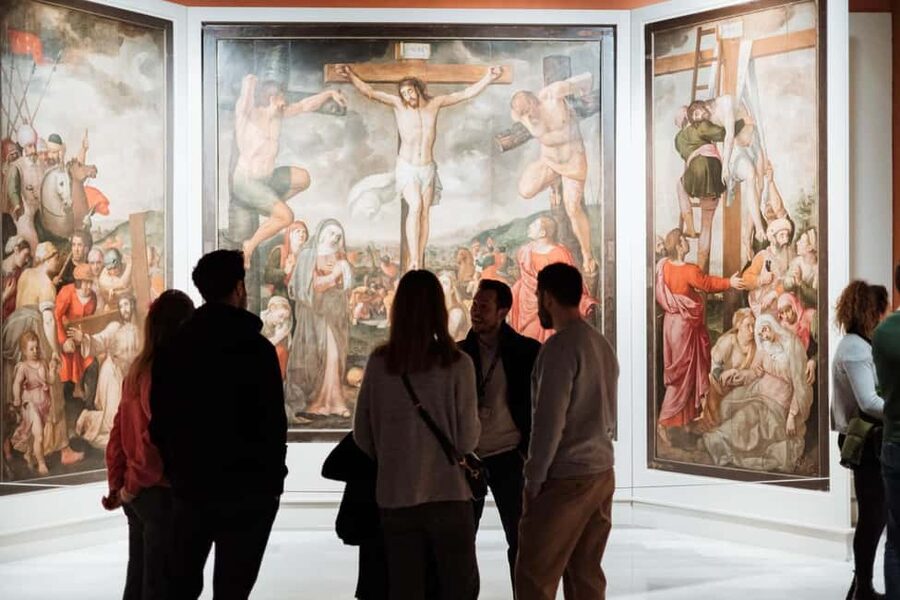
And yes, the museum is known for being Spain’s second-largest art gallery, so there’s plenty to see. The guided approach is what keeps it from becoming overwhelming. Instead of treating this place like a marathon, you get a guided pathway through major periods that connect to Seville’s artistic evolution.
More Spanish halls of paint and armour:
- Seville: Puro Flamenco Show with Optional Museum Ticket
★ 4.8 · 6,088 reviews - Seville: Museum of Illusions Entry Ticket
★ 4.2 · 1,196 reviews - Seville: Puro Flamenco Show – Museo del Baile Flamenco
★ 5.0 · 781 reviews - A Fantastic Visit To The Museum Of Illusions Seville
★ 4.5 · 390 reviews
Meeting Up at Plaza del Museo and Getting Inside Fast
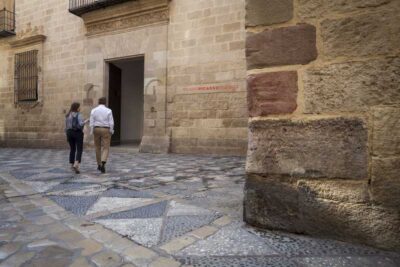
Your tour starts at the Asociación Amigos del Museo de Bellas Artes, then you head into the museum for the guided route. The guide meets you at Plaza del Museo, next to the statue of Murillo, using a blue umbrella or a name tag that says Sevilla Guías & Tours.
This is one of those practical details that can make or break your experience. If you show up right at the start time, you can still be fine, but you will feel better if you arrive a few minutes early. Plaza del Museo is central, yet it can still look chaotic when you are searching for one specific person in a crowd.
Once you’re set, you benefit from express security. That means less time stuck in line, more time in rooms where the guide can actually explain what you are looking at. The tour is wheelchair accessible, and pets are not allowed, so plan accordingly if anyone in your group relies on an assistive mobility device.
The 2-Hour Guided Format: What You’ll Gain From a Local Expert
This tour is built for focus. Two hours is enough time to learn how to look, without turning into label-reading fatigue. The guide is a professional and licensed, and you can do it in English or Spanish.
I like that the tour doesn’t treat art as random masterpieces. It treats the works like evidence. You learn the stories behind iconic artworks, and you also get help understanding how symbols, style, and subject choices relate to the period and the place. That connection is the big reason a guided visit can beat a DIY walk-through, especially in a museum with as many rooms and eras as this one.
The guide you might meet is often Julio, and multiple visitors highlight how he connects paintings and sculptures to their historical period. You might also be guided by someone else, like Lorraine, who was praised for friendly delivery and humor. The consistent theme is interpretation: the works are explained at a pace that fits both people with art background and those without.
Also, pay attention to how you listen. One guest mentioned an ear piece that makes hearing the guide easier than straining in quieter rooms. Even if it’s not always the same setup, the tour approach is clearly designed so the guide can be heard during walkways and gallery stops.
Cloisters With Claustro de los Bojes and Claustro Mayor in Your Route
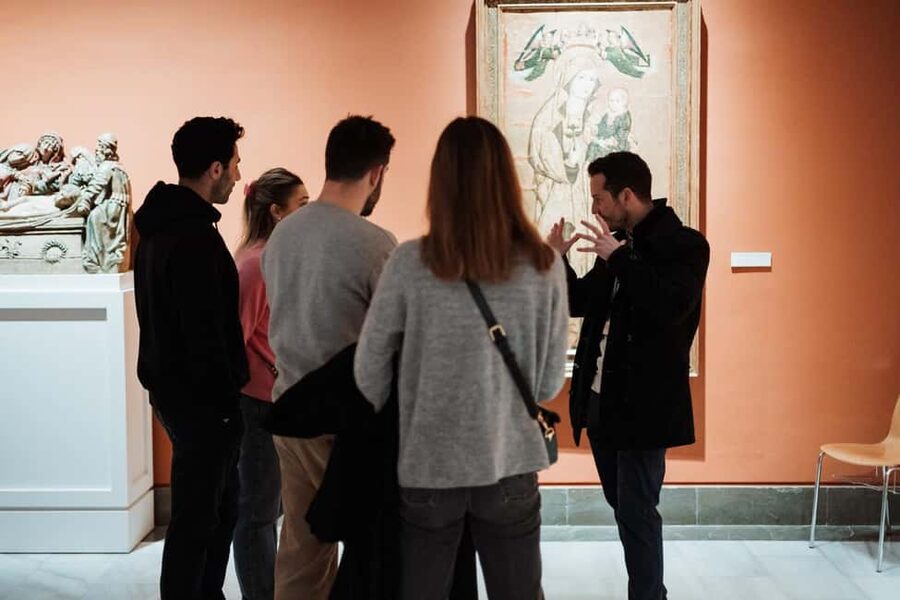
If you only cared about paintings, you could skip the architecture and save time. You shouldn’t here. The cloisters are part of the experience, and they help you move from one art period to another without losing your sense of place.
Claustro de los Bojes is one of the calmer stops, a place where the museum breathes and you get a break from the intensity of religious imagery. Then you continue toward the Claustro Mayor, which feels more monumental. This shift in space helps you understand why Renaissance and Baroque art often carried bigger emotional weight than earlier approaches.
From a practical standpoint, cloisters also do what you want in a 2-hour tour: they keep the route logical. You do not bounce randomly between rooms. You travel through connected parts of the convent, and each shift makes the art periods feel like they flow rather than compete.
More Things to Do in Seville
- Seville: Royal Alcázar Entry Ticket★ 4.6 · 28,378 reviews
- Seville: Live Flamenco Dancing Show Ticket at the Theater★ 4.7 · 16,396 reviews
- Seville: Alcázar, Cathedral & Giralda Skip-the-Line Tour★ 4.8 · 11,525 reviews
Renaissance and Baroque Masterpieces: Following the Artistic Evolution
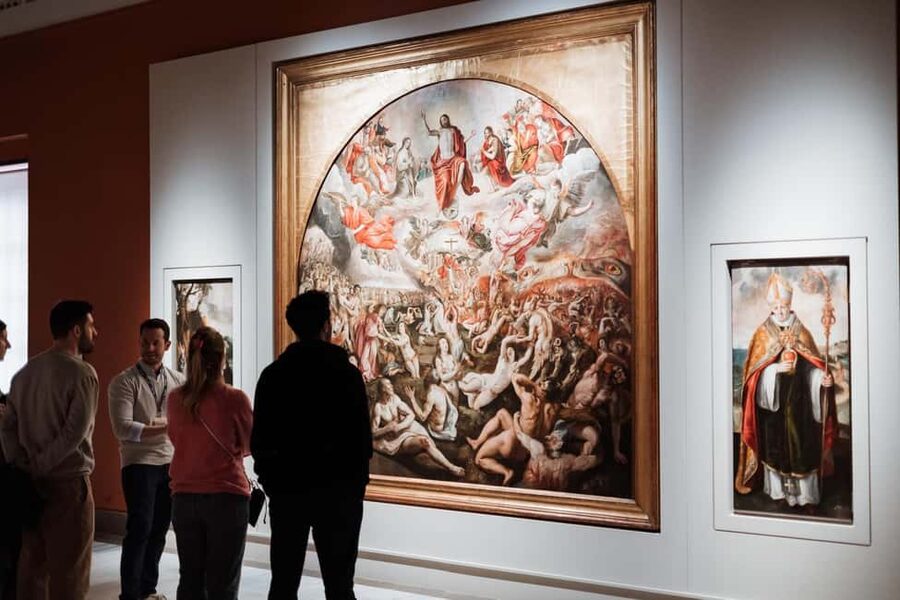
This museum tour does something smart: it doesn’t just name periods, it shows you how the art evolves. You move through Renaissance and Baroque masterpieces and also into Sevillian Gothic pieces, so you see how artistic choices changed over time.
One anchor work mentioned is Saint Jerome Penitent by Torrigiano. When the guide talks about a work like this, it’s not just about who painted it. You get the kind of context that helps you read posture, symbolism, and how religious figures were meant to be understood.
Then, as you shift toward Baroque works, the mood tends to intensify. Baroque art in particular often feels more dramatic, more emotionally direct. In a guided format, you can actually notice why. Without context, it’s easy to lump “old paintings” together. With a guide, you learn to tell what is changing and why.
The tour also includes Gothic masterpieces from Seville and beyond, across Andalusia. That matters for understanding Seville’s cultural position. You are not just seeing one local style. You’re seeing the artistic conversation that shaped Europe and then arrived in Andalusia through Seville.
Murillo in the Spotlight: Seeing Sevillian Identity Up Close
One room is dedicated to Bartolomé Esteban Murillo, and that stop deserves your full attention. Murillo is central to Sevillian painting, and a dedicated room gives you the chance to understand why his style became so influential. The guide helps you connect the works to Sevillian society and the expectations around religious and everyday subjects.
Murillo is not the only focus, though. The museum tour also explores selected works by other renowned Sevillian artists, which gives you a wider frame for what makes a style feel Sevillian. You start to recognize patterns in themes and visual language, and the guide helps explain the logic behind what you see.
If you are a fan of studying how art communicates without modern explanations, this is where the tour really shines. Instead of rushing past faces and gestures, you learn what stories were supposed to land with viewers. One guest even mentioned special timing, like catching a Pedro Roldan exhibition when it was on, which shows that the tour can overlap with temporary programming you might want to see.
Price and Value at Around $23 for a 2-Hour Small Group
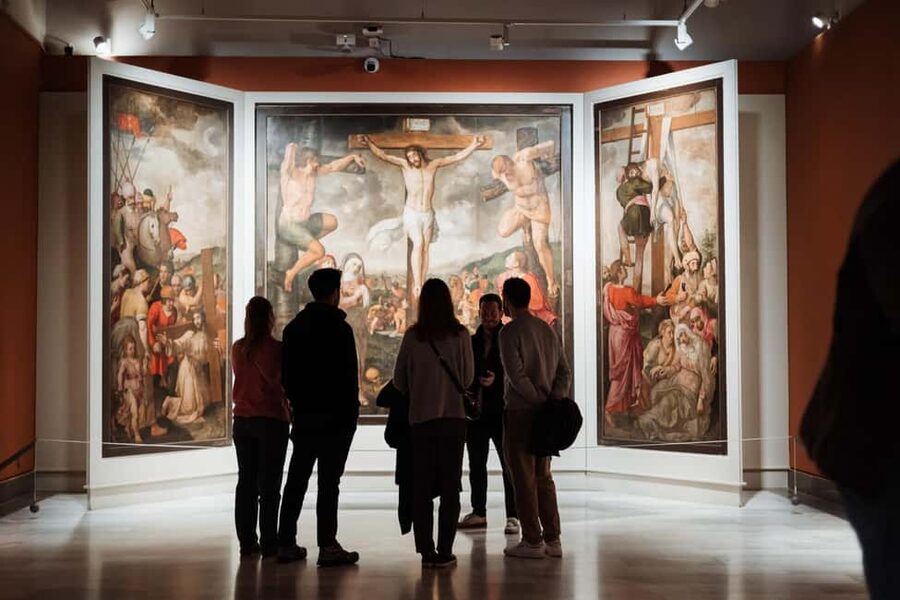
At about $23 per person for a 2-hour guided tour, the value comes down to what you choose to get out of Seville’s biggest art moments. If you love art but struggle to connect periods and symbolism, a guide is worth it. This tour includes museum entrance plus a licensed guide, so you are not paying extra to access the building.
The real value is efficiency. You get express security, a focused route through major works, and a guide who can answer questions on the spot. In a large museum, that combination saves you time and mental energy. You are less likely to miss what matters most, and you are more likely to remember what you saw because it was explained in context.
Could you do it alone? Of course. But if your goal is to understand why the museum is important to Seville and Andalusia, the guided format is the shortcut that still feels authentic, not like a rushed checklist.
Who This Tour Fits Best (and Who Might Want to DIY)
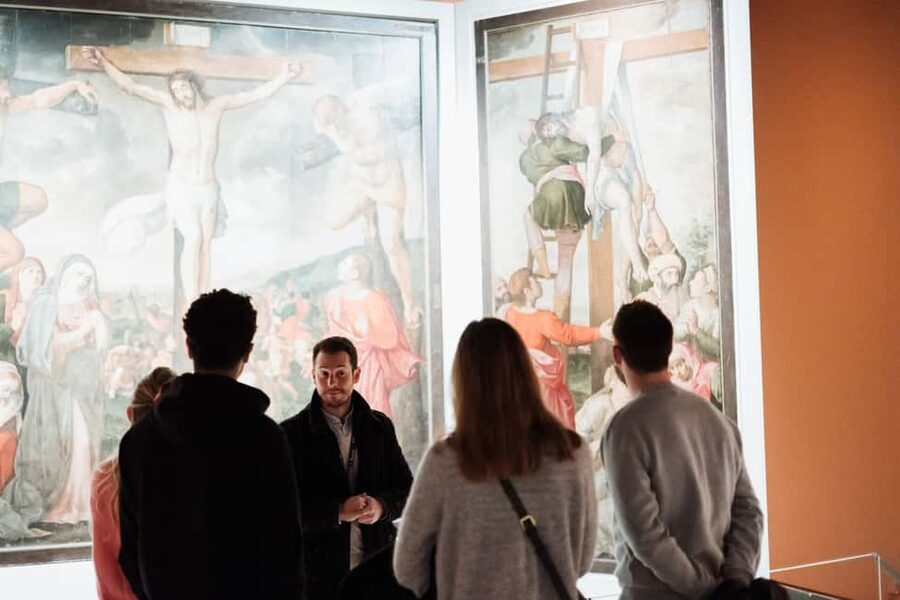
This guided tour is perfect if you want a strong overview and you like having a local interpret the art for you. It’s also ideal for first-time visitors to Seville, because the guide’s perspective naturally connects the museum to the city outside the building.
You will also enjoy it if you are not an art superfan. The guide approach has been praised for making explanations accessible, so you do not need a degree in art history to follow. Even if you bring a background interest, you can still benefit from the local context and the symbolism breakdown.
If you are the type who loves wandering room to room with total control of pace, this tour might feel like a guided highlight reel. Remember, it’s 2 hours. You will see key pieces and key periods, not everything.
Should You Book This Tour?
Book it if you want the fastest way to understand what makes the Museo de Bellas Artes of Seville important, and you want your questions answered by a local expert. This is especially compelling in a small group, with the route designed around cloisters, major periods, and a Murillo highlight.
Skip it only if you are set on a slow, self-directed museum day where you can choose every stop with zero guidance. For most people, the guide-first format makes this museum feel clearer, more personal, and a lot more fun than reading labels alone.
FAQ
How long is the Museum of Fine Arts guided tour in Seville?
The tour lasts 2 hours.
What is the price per person?
The price is $23 per person.
Where does the tour meet?
The guide waits at Plaza del Museo next to the statue of Murillo, using a blue umbrella or a name tag that says Sevilla Guías & Tours.
What is included in the tour price?
It includes entrance to the Museum of Fine Arts of Seville and an expert licensed guide. The tour is also run as a small group for a more personalized experience.
Is there an option to choose English or Spanish?
Yes. The guide is available in English or Spanish.
Will I be able to skip the line for security?
Yes. The tour includes an express security check.
How big is the group?
The small group is limited to 8 participants.
Is the museum tour wheelchair accessible?
Yes. The tour is wheelchair accessible.
Are pets allowed on the tour?
No. Pets are not allowed.
What flexibility do I have if my plans change?
You can cancel up to 24 hours in advance for a full refund, and you can reserve now and pay later to keep plans flexible.
Latest Seville reviews into the ledger



Museums, compared.

FC Barcelona Museum “Barça Immersive Tour” Ticket
Read our review →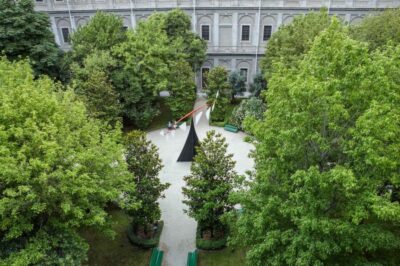
Park Güell and Gaudí House Museum Entry Ticket
Read our review →
Puro Flamenco Show with Optional Museum Ticket
Read our review →
Moco Museum Barcelona: Modern & Contemporary Art
Read our review →Browse the lists this tour appears in