
Reviewed · SCUBA DIVING
Tenerife: Beginner Scuba Dive Experience
First underwater breath can feel nerve-wracking at first. This beginner Discover Scuba session in Tenerife keeps things controlled with a PADI guide and a small group of up to 3, so you get steady, personal attention. The one drawback: you need to be comfortable in the water, because it can feel intense mentally at the beginning.
I love how practical the setup is for first-timers. You meet at the Aquarius base in El Fraile area (near Las Galletas), do a focused 30-minute safety briefing, get fitted with equipment, then head to a local site for your shallow-water underwater work. Total time is about 3 hours, and the price is $83 per person, which is strong value for a full guided intro plus gear, transport, and insurance.
In This Review
- Key points before you go
- Tenerife’s best angle for a first underwater experience
- Aquarius base in El Fraile: where your day really starts
- The 30-minute safety briefing that keeps you focused
- Shallow-water practice: what you actually do under supervision
- The underwater time: 40 to 60 minutes of Tenerife marine life
- Equipment, guide support, and why Doina’s style matters
- Price value: why $83 makes sense for a beginner session
- Who this is best for, and who should skip it
- Should you book this Tenerife beginner scuba session?
- FAQ
- How long does the experience last in total?
- What’s included in the $83 per person price?
- Do I need to be certified to join?
- What do I need to bring?
- Is pickup offered from resorts and nearby areas?
- What languages will the instructor speak?
Key points before you go
- Small group of 3 participants, so you are not stuck watching from the back
- 30-minute safety briefing before any time in the water
- Shallow, clear-water practice to learn breathing and control first
- A 40 to 60 minute underwater session, paced around comfort and air use
- Guides include Doina, often praised for clear explanations and steady reassurance
- Equipment rental, full cylinder, transport to the site, and insurance are included in the $83 price
Tenerife’s best angle for a first underwater experience
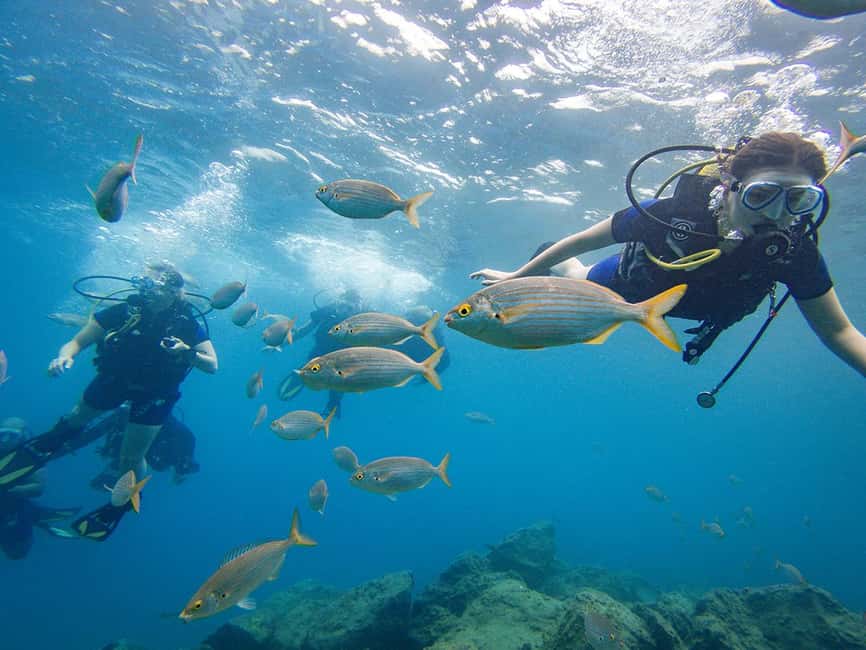
Tenerife is a smart place to try scuba for the first time because conditions are usually friendly for beginners, and the wildlife is easy to spot once you are calm. The program is built around shallow water and controlled skills, not a long, intimidating push into deep blue. You are there to learn how breathing and movement work underwater, then enjoy what is around you.
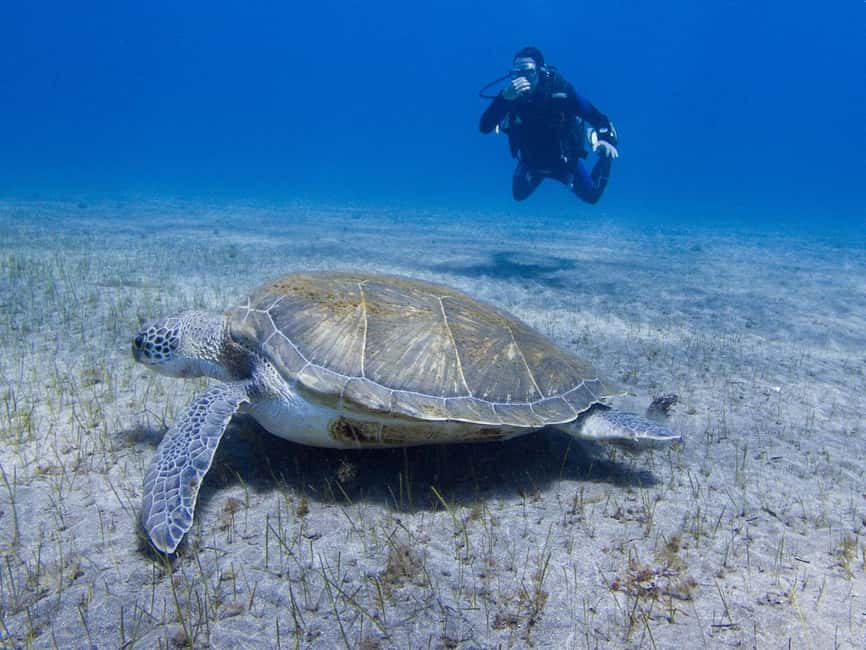
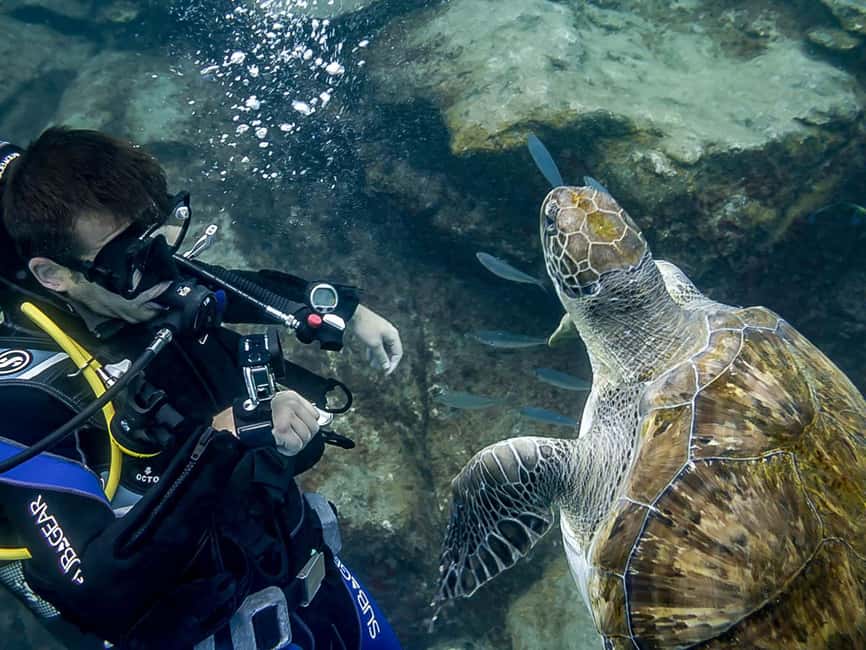
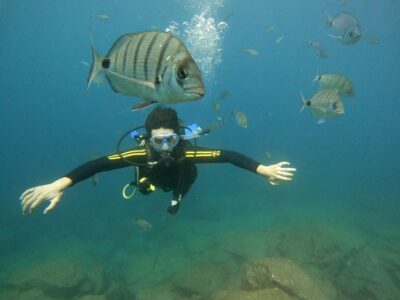
You are likely to see colorful fish close by. The experience is described as a chance to look out for parrotfish and damselfish, plus the possibility of a ray or turtle depending on the day and site. Several people also mention standout sightings like seahorses and a stingray or large ray. The point is not just the animals, it is how quickly your brain starts connecting what you learned in training to what you see underwater.
One more reason I like this idea for beginners: the guides focus on making you comfortable before they let you explore. In practice, that means you are not dropped into the deep end of equipment and rules at the same time.
A few more Tenerife verdicts worth reading
- Tenerife: Your First Scuba Diving Experience in Turtle Area
★ 4.7 · 1,679 reviews - Tenerife First Time Scuba Dive – Turtle Habitat, Small Groups
★ 4.5 · 456 reviews - Barcelona: PADI Discover Scuba Diving
★ 4.7 · 1,016 reviews - Mallorca: Discover Scuba Diving for Beginners
★ 4.7 · 805 reviews
Aquarius base in El Fraile: where your day really starts
Your session checks in at the Aquarius location in the El Fraile area, at C. las Lagunetas, 2. You can choose either a morning start at 9:00 AM or an afternoon start at 2:00 PM. If you are not driving, there is pickup for stays in Las Americas, Los Cristianos, Palm Mar, Costa del Silencio, and Las Galletas, but you need to contact them in advance so the local partner can arrange your exact pickup time.
If you do have a car, parking is available at the center. That matters more than you might think. On a first scuba session, you want a smooth arrival, not a scramble for transfers.
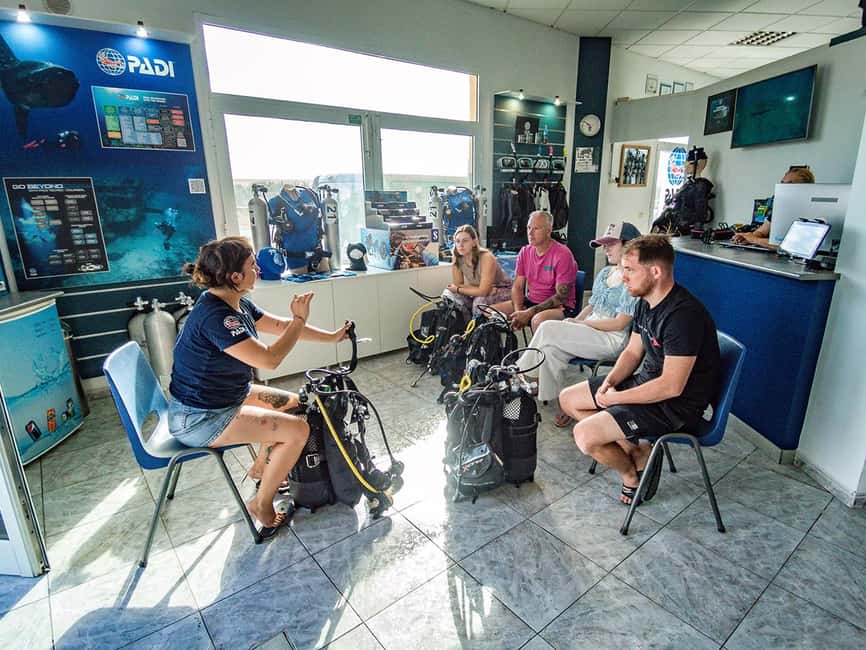
When you arrive, you get a warm welcome, brief paperwork, and a rundown of what comes next. Then your instructor (languages listed as Spanish, English, and Romanian) introduces the essentials you need to know. Based on the feedback connected to this program, the instruction style tends to be patient and step-by-step, including for people who feel nervous going into the water.
Also, the gear is described as up to date and used at the center. That is not just comfort. With first-time scuba work, good gear fit and function help you focus on breathing and body position instead of fighting the equipment.
The 30-minute safety briefing that keeps you focused
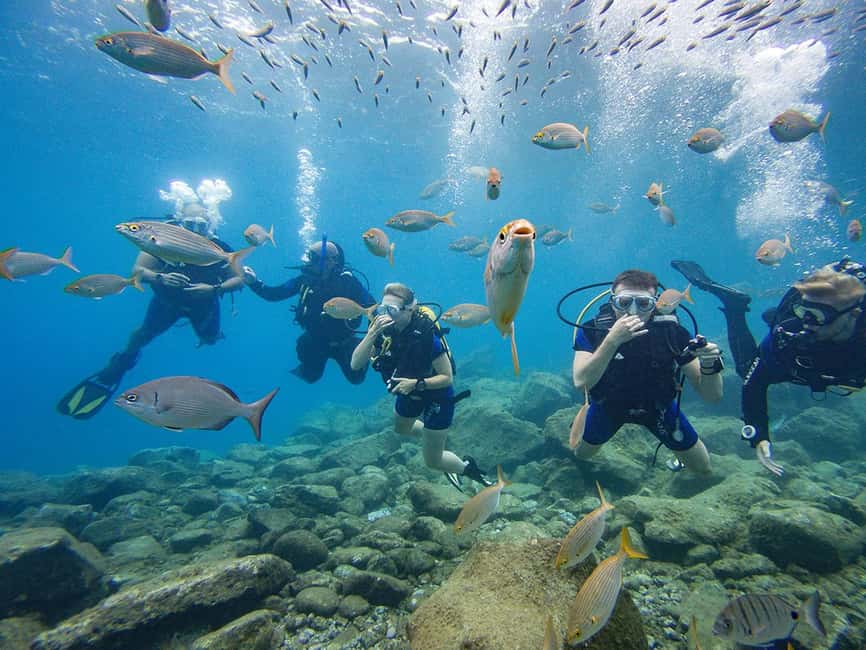
Before you ever head underwater, you get a 30-minute safety briefing. This is where the guide sets expectations and teaches the basic knowledge you need to feel in control. The vibe here is not fear-based. It is practical: what to do, what to avoid, and how to follow instructions quickly.
For first-timers, this part is huge. When you are anxious, your brain skips details. A structured briefing helps because you already know the sequence once you are in the water.
You will also get practice right away in shallow, clear water. The goal is to learn the breathing rhythm and how to manage your body with the scuba equipment. In one example, people mention practicing what actions to take if the breathing equipment comes out of your mouth during training. That kind of scenario practice is exactly what you want early on, because it turns an unknown into a known.
During your underwater time, your guide stays close and helps you adjust. If you are the kind of person who gets tense or panicky, this close support is often the difference between struggling and relaxing enough to enjoy the experience.
Shallow-water practice: what you actually do under supervision
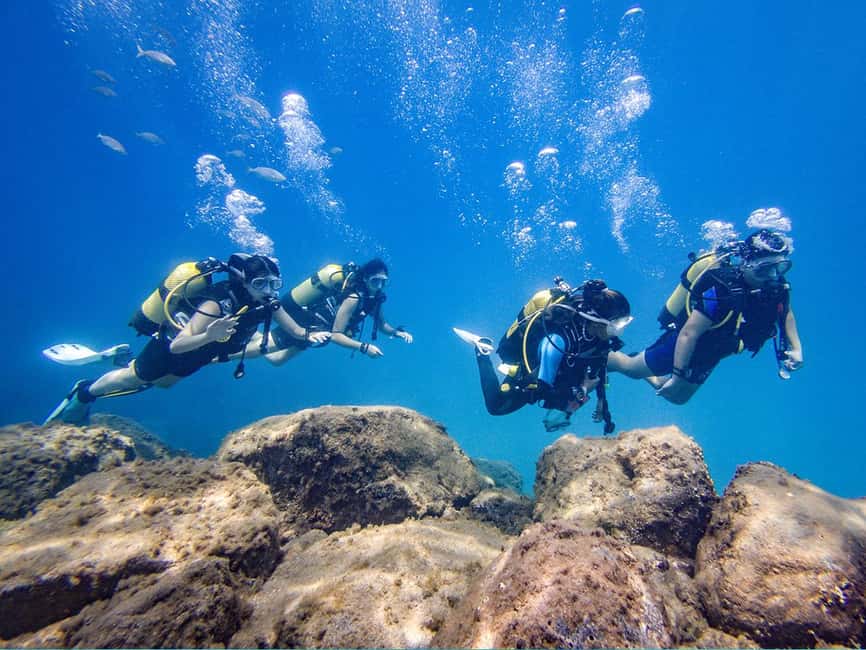
Your underwater session is preceded by shallow-water exercises. You start with a few simple steps in clear, calm water so you can get comfortable with the feeling of breathing underwater using the scuba equipment. After that, you move into the main underwater portion under the guide’s close supervision.
The program is designed for non-certified participants. That means you are not expected to have advanced buoyancy skills already. Instead, the guide takes you through the essentials, then uses the group’s comfort level to pace what happens next.
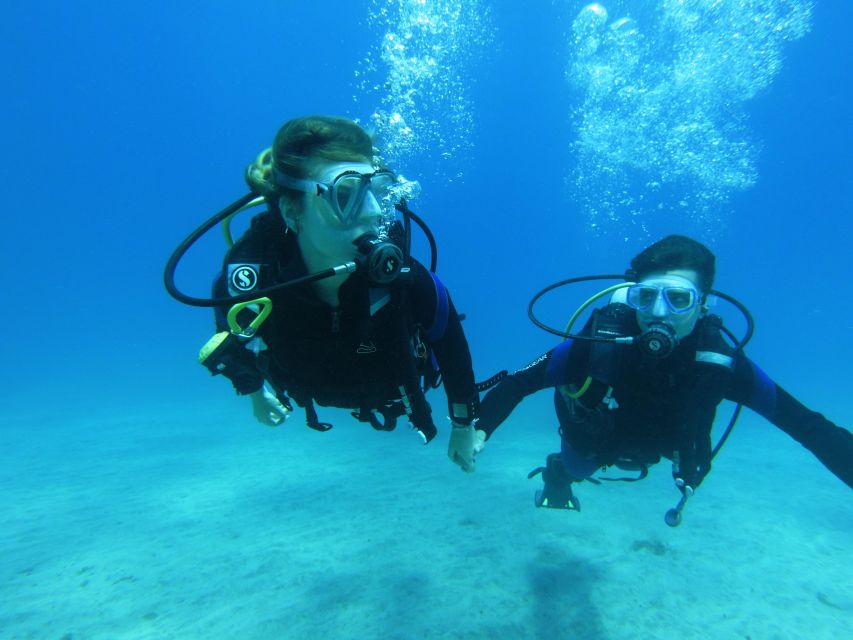
It is normal to feel a little weird at first. Breathing underwater is not automatic, and your body reacts in its own way when you lose that familiar up-and-down sense. The guide helps you settle into the right tempo, and several people specifically mention hands-on reassurance, like holding a participant’s hand during the early stage.
What I think is especially valuable is the balance between practice and wonder. You do not spend the whole time doing drills. You learn the basics fast enough that you can still enjoy the marine life once you are comfortable.
Also note what you should not do: feeding animals and touching animals are not allowed. That is both for safety and for protecting the underwater life.
More Things to Do in Tenerife
- Siam Park Entry Tickets★ 4.5 · 15,710 reviews
- Tenerife: Eco-Yacht Whale and Dolphin Watching and Swimming★ 4.7 · 15,619 reviews
- Los Cristianos Respectful No-Chase Whale and Dolphin Safari★ 4.6 · 12,782 reviews
The underwater time: 40 to 60 minutes of Tenerife marine life
The main underwater portion typically lasts 40 minutes to 1 hour, depending on air consumption and how comfortable you feel. That timing is part of the beginner-friendly design. You are getting enough time to enjoy the experience without exhausting yourself while still learning.
Your guide helps you feel stable, then you get to discover the underwater world at a comfortable pace. Wildlife sightings are the big payoff. You are asked to keep an eye out for parrotfish darting among damselfish, and there is a chance you see a ray or turtle. People also mention seahorses, which is the kind of sight that makes you forget you were nervous ten minutes earlier.
Visibility is often described as good, which helps beginners because you can track your movement and see what is around you. When visibility is clear, it also makes you less likely to feel disoriented.
Here is how to maximize the experience as a beginner. Focus on your breathing and your posture first. If you keep your pace calm, you will notice more. If you race your brain, you miss the best parts.
Equipment, guide support, and why Doina’s style matters
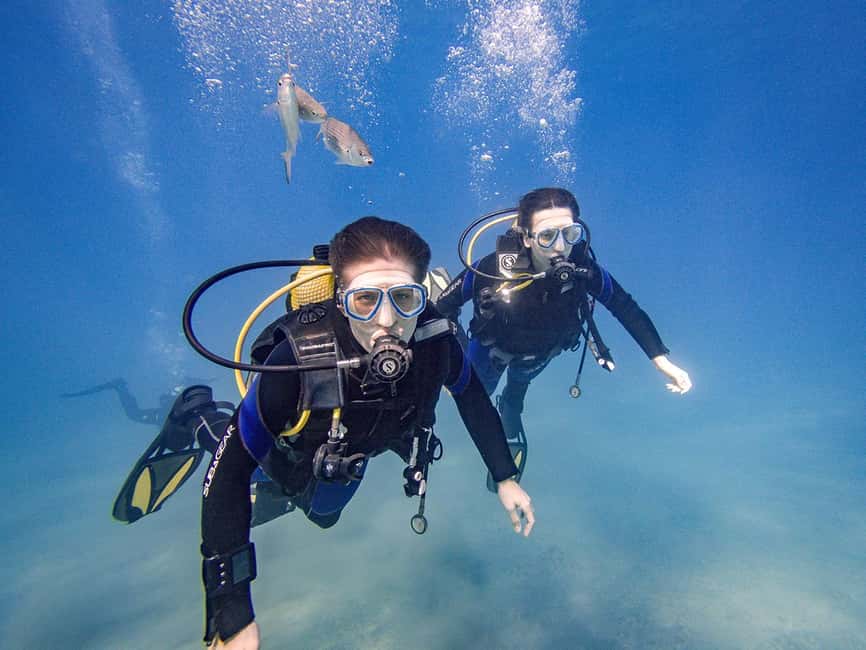
One of the most praised aspects of this program is the guiding approach. Doina is repeatedly named for being patient, with clear explanations and a calm tone once you are underwater. People also describe her as professional and attentive, including when someone feels scared at the start.
That matters because beginner scuba work is as much mental as it is physical. You are learning a new coordination system. The more your guide helps you understand what to do next, the easier it is to stop fighting your body and start enjoying the experience.
The program runs as a small group limited to 3 participants. That smaller size usually means less waiting and more direct correction when something feels off. In a beginner setting, that is a big deal.
The instruction team is listed as Spanish, English, and Romanian. If you want a language you are comfortable with, this is a strong point. Even if you only speak one language, you will still get clear guidance through a method that tends to be visual and hands-on.
Your day also includes rental equipment and a full cylinder, plus dive insurance for the activity. There is less friction because you are not juggling gear shopping or worrying about basic coverage.
One more detail from the experience: you might have the option to purchase underwater photos or videos as an add-on. That is not unusual in this type of program, and people mention it as a nice way to remember the moment.
Price value: why $83 makes sense for a beginner session
At $83 per person for a roughly 3-hour experience, the value comes from what is bundled. You are not just paying for a guide’s time. You get:
- Transport to the dive site (included)
- A safety briefing and basic knowledge instruction
- Rental scuba equipment
- A full cylinder
- Dive insurance included
For a first scuba setup, these inclusions matter because the real cost is often hidden in extras: transport, gear rental, and insurance. Here, those are part of the package, so it is easier to compare fairly to other options.
You are also paying for the “teach you first” approach. A controlled shallow session with a professional PADI guide is not the same as renting gear and hoping for the best. The training time is the value.
If your goal is to test whether scuba is for you, this is the kind of experience that can save you money later. If it clicks, you might want to continue with more formal training. If it does not, at least you know quickly with a supported first session.
Who this is best for, and who should skip it
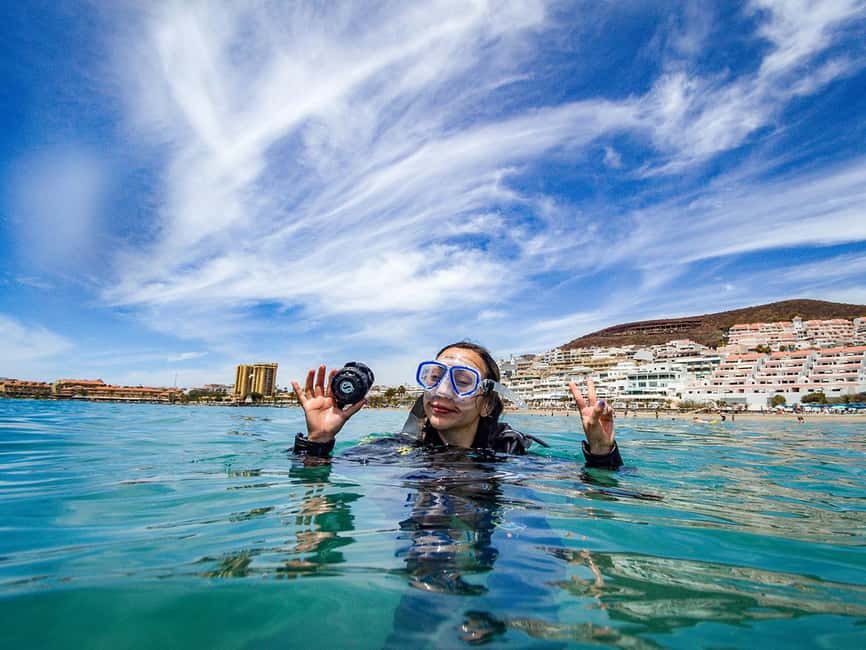
This program is best for people who are at least 10 years old and comfortable in the water. It is also for non-certified participants. If you have never used scuba equipment before, this is built for you.
You should also consider the health notes. This program is not suitable if you have asthma or respiratory conditions. If you have any heart problems, it is also not suitable. It is not suitable for pregnant women. Mobility and accessibility limits are listed too, including that it is not suitable for wheelchair users and people with mobility impairments.
If you are unsure, the safe move is to talk to your clinician first, especially because underwater breathing changes how your body feels.
One more planning note: a minimum pre-flight surface interval of 12 hours is suggested after the experience. If your trip includes same-day flying, plan for that.
Should you book this Tenerife beginner scuba session?
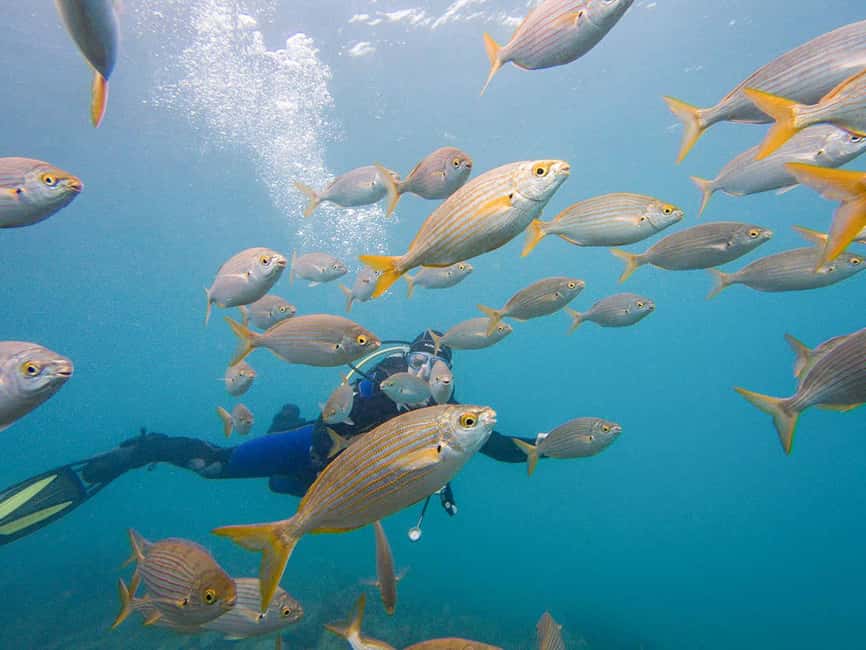
If you want a first scuba experience that prioritizes clear instruction, close guide support, and a shallow-water start, this is a strong choice. The small group size and the teaching style linked to guides like Doina are exactly what beginners need when the equipment feels new and your brain is still adjusting.
Book it if:
- you can handle being in water and following instructions closely
- you want to see marine life soon after learning basics
- you prefer a small group experience rather than a crowd tour
Skip it if:
- you have asthma or respiratory conditions
- you have heart problems
- you fall into the listed unsuitability categories like pregnancy or mobility limits
If you are excited but nervous, that is normal. The program is built for that moment, with the right kind of supervision so you can relax and actually enjoy Tenerife underwater, not just survive the first minute.
FAQ
How long does the experience last in total?
The full experience is about 3 hours.
What’s included in the $83 per person price?
It includes free transport from the center to the site, a briefing on basic scuba knowledge, one underwater session of 40 minutes to 1 hour, rental scuba equipment, a full cylinder, and dive insurance.
Do I need to be certified to join?
No. This program is for non-certified participants.
What do I need to bring?
Bring swimwear and a towel.
Is pickup offered from resorts and nearby areas?
Yes, pickup is offered for stays in Las Americas, Los Cristianos, Palm Mar, Costa del Silencio, and Las Galletas if you contact them in advance. The local partner will tell you the exact pickup time.
What languages will the instructor speak?
Instructors are listed as Spanish, English, and Romanian.
Latest Tenerife reviews into the ledger



Scuba Diving, compared.
Your First Scuba Diving Experience in Turtle Area
Read our review →
Scuba Diving Experience for Beginners in Gran Canaria
Read our review →
Tenerife First Time Scuba Dive – Turtle Habitat, Small Groups
Read our review →

Tossa de Mar: PADI Discovery Scuba Diving in Costa Brava
Read our review →
Browse the lists this tour appears in