
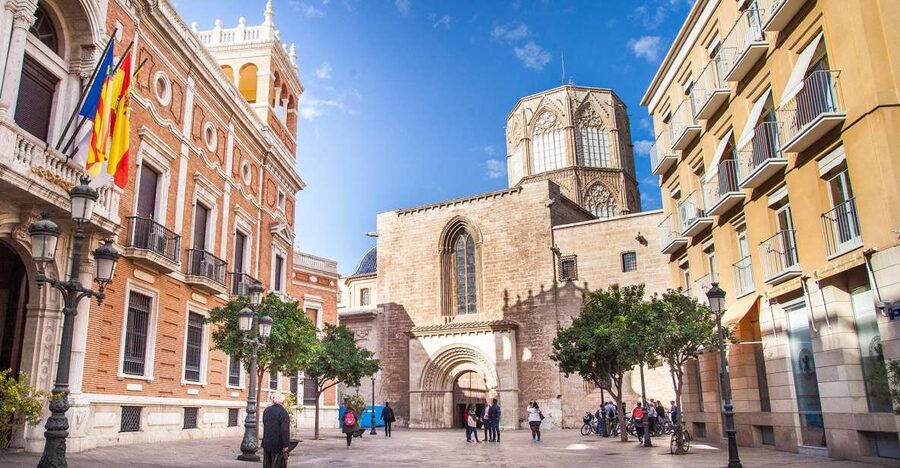
Reviewed · WALKING TOURS
Valencia: Essentials and World Heritages Sites Walking Tour
Valencia hits you fast, and this walk helps you read it. In just two hours, you’ll connect three UNESCO World Heritage stories to real streets and real buildings, with a stop inside the Lonja de la Seda (Silk Exchange).
I especially love how this tour is built for orientation. You get practical context about Valencia’s past and present while you’re seeing the city center up close, not just staring at monuments from the outside. And I also like that the tour is guided in English by a local who can explain what you’re looking at in plain terms, with guides such as Gabor, Maria, Sara, and Sofi earning standout praise.
One consideration: parts of the route depend on conditions. The City Hall visit is on working days except during official events, and the Silk Exchange can close during special happenings, in which case you may be offered ticket options for later entry.
In This Review
- Key Highlights in Plain Terms
- How a 2-Hour Tour Gets Valencia Working for You
- Meeting at Estación del Norte, Then Walking Into the Real Center
- City Hall Visits: Where Civic Power Meets Local Storytelling
- Lonja de la Seda: The Silk Exchange You Can Step Into
- If the Silk Exchange Is Closed
- UNESCO in Motion: Silk, Water, and the Fallas
- The Water Tribunal (Tribunal de las Aguas)
- The Fallas Festival
- Why UNESCO Themes Work Better Together
- Pacing, Crowd Flow, and What the Best Guides Do
- What You’ll Actually See Along the Way
- Price and Value: Is $21 a Fair Deal?
- Who This Tour Is Best For
- What to Bring and How to Prepare
- Should You Book This Valencia Walking Tour?
- FAQ
- What is the duration of the Valencia walking tour?
- Which World Heritage sites are included in the tour?
- Does the tour include entrance fees?
- What if Lonja de la Seda is closed during our visit?
- Where is the meeting point?
- Is the tour wheelchair accessible and in what language?
Key Highlights in Plain Terms
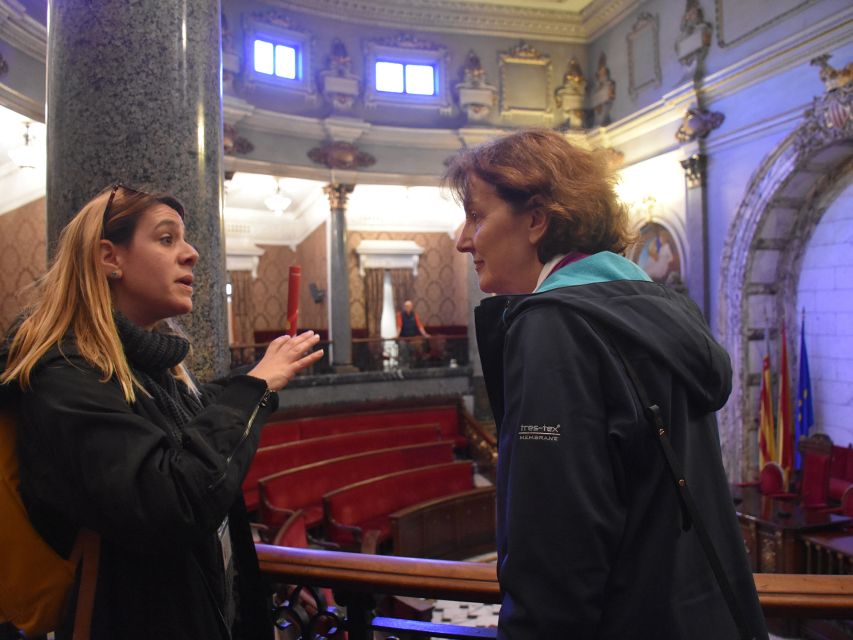
- Inside Lonja de la Seda: you don’t just hear about the Silk Exchange, you see it with an entrance ticket.
- UNESCO trio: the tour focuses on Valencia’s three UNESCO World Heritage properties, including the Water Tribunal and the Fallas.
- City Hall entry when open: you can go inside the civic heart of Valencia based on opening and schedules.
- English guidance that lands: past groups mention strong English and clear explanations, often with guides like Gabor or Maria.
- Manageable pacing: it’s designed as a short, practical city-center walk with minimal long stretches.
How a 2-Hour Tour Gets Valencia Working for You
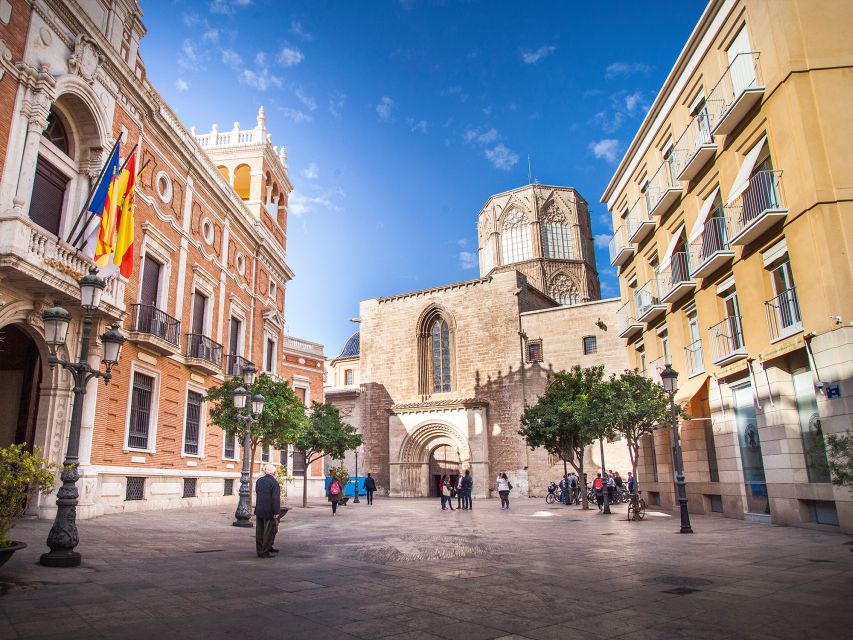
If Valencia is on your shortlist, you probably have a busy itinerary. This tour is a smart way to turn the historic center into something you can actually navigate on your own afterward. In two hours, you get a “map in your head,” not just photos.
The biggest value is focus. You’re not trying to cover everything, you’re learning how Valencia connects its major UNESCO stories to daily life in the old town. That makes your later visits feel faster, because you’ll recognize patterns instead of collecting random landmarks.
Also, the price is unusually friendly for what’s included. At $21 per person, you’re paying for a guided walk plus entrance fees for the Lonja de la Seda and City Hall, depending on opening conditions. For many travelers, that’s the difference between “a nice stroll” and “a day that starts with confidence.”
More Walking Tours in Valencia
- Valencia: Historical Walking Tour
★ 4.6 · 390 reviews - Valencia: Private Walking Tour with a Local
★ 4.8 · 298 reviews - Valencia: City Walking Tour with Top Attractions – ITALIAN
★ 4.9 · 242 reviews
Meeting at Estación del Norte, Then Walking Into the Real Center
You meet at the Tourism Hub at Estación del Norte (north station), at the West Tower on the ground floor, Carrer de Xàtiva 24. The metro station is Xàtiva, which makes it easy to reach from most hotels in the center area.
I like starting at a transport hub because it gives you a reference point for the rest of your trip. After the tour, when you’re tired and hungry and trying to find the right streets, you can anchor yourself to where you began.
From there, you’ll head into the historic center at a pace that keeps the group together. Several guides are praised for keeping walking distances reasonable, which matters if you’re balancing sightseeing with jet lag or a tight schedule.
City Hall Visits: Where Civic Power Meets Local Storytelling
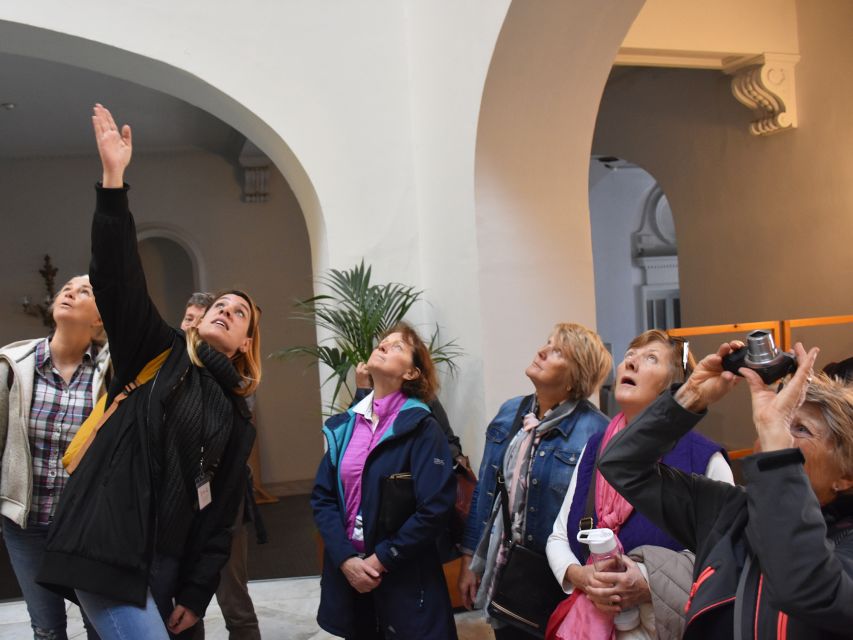
One of the tour’s built-in perks is the entrance to City Hall (access is based on opening and working days, unless an official event is taking place). Even if you’ve visited city halls elsewhere, this one tends to land differently because it’s framed as part of Valencia’s living identity, not just a pretty façade.
What makes this stop useful is the way the guide connects civic space to what Valencia values. You’ll hear stories about how the city organized itself over time and how traditions shaped community decisions. That context helps you understand why the old center feels structured and purposeful, not accidental.
If City Hall is closed due to an official event, the tour provider would follow its operational logic for that day. For you, the practical takeaway is simple: aim to schedule this early if you can, so route adjustments do not wreck your overall plan.
Lonja de la Seda: The Silk Exchange You Can Step Into
This is the anchor stop for many people, and for good reason. The tour includes entrance to the Lonja de la Seda (Silk Exchange), and the “walk-and-learn” format helps you notice details you’d likely miss on your own.
Why it’s worth the entry fee: the Silk Exchange is not just a landmark, it’s a window into how Valencia’s trade shaped its architecture and mindset. When you see it in person during a guided visit, the building’s purpose becomes clearer. You’re not learning random dates, you’re learning why the space was built the way it was.
Also, the guide doesn’t treat the Silk Exchange as a standalone stop. You’ll connect it to other UNESCO themes on the route, especially how Valencia’s culture and institutions grew from everyday systems like commerce and community governance.
More Spanish cities taken on foot:
- Barcelona Tapas and Wine Experience Small-Group Walking Tour★ 5.0 · 5,804 reviews
- Barcelona: Tapas Walking Tour with Food, Wine, and History★ 4.8 · 4,261 reviews
- Madrid Tapas & Wine Tasting Walking Tour – Small Group Local Bars★ 5.0 · 3,644 reviews
If the Silk Exchange Is Closed
There’s a specific contingency. If the Lonja de la Seda is closed due to an event during your visit, you’ll be offered the possibility to have tickets sent so you can enter in the afternoon, or they may try to exchange for another monument ticket of the same value. That’s a helpful backup plan, but it does mean your day may shift slightly, especially if you were counting on a strict schedule.
UNESCO in Motion: Silk, Water, and the Fallas

This tour earns its title by keeping the UNESCO theme practical. You’re not just ticking boxes, you’re seeing how three different kinds of heritage tell one bigger story about Valencia.
The Water Tribunal (Tribunal de las Aguas)
The Water Tribunal is one of the three UNESCO World Heritage properties focused on by this walk. Even without getting technical, you’ll learn what it represents in Valencia: a tradition tied to water management and community decision-making. The guide’s job here is to help you understand why a local system can become internationally meaningful.
This portion matters because it reframes Valencia beyond monuments. You realize culture is not only stone and art. It’s also rules, habits, and ways people settle real-world issues.
The Fallas Festival
Next comes the Fallas, the annual festival featuring ephemeral art, fire, and fireworks. The key word here is ephemeral. The guide helps you understand how a temporary spectacle still becomes a serious expression of identity, creativity, and collective rhythm.
If you’re visiting during Fallas season, this part of the tour can give you extra context before you even see the main events. If you’re visiting outside the season, it still helps you understand what people are excited about and why it matters.
A good tour here will also help you spot clues around town. You’ll start to recognize how Valencia’s sense of play and craftsmanship shows up in everyday conversations, not only during the festival.
Why UNESCO Themes Work Better Together
Seeing the Silk Exchange, the Water Tribunal, and the Fallas in one short session gives you a cleaner mental model. Trade explains the economic engine. Civic traditions explain the social engine. Festivity explains the cultural engine.
That combination is why this tour feels like more than a checklist. It helps you interpret the city rather than just observe it.
Pacing, Crowd Flow, and What the Best Guides Do
A walking tour succeeds or fails on pacing. This one is designed for a short duration, and many groups report minimal walking and not-too-far distances, making it workable for different ages.
The guide style can make a huge difference, and the reviews reflect that strongly. Names that show up repeatedly in high ratings include Gabor, Maria, Sara, and Sofi. The common theme is not just facts, it’s how the information is delivered: clear explanations, a friendly approach, and lots of room for questions when the group size is small.
I also pay attention to practical help, like restaurant recommendations. Some guides are praised for suggesting solid local food stops, which can save you time when you’re deciding where to eat after the tour.
If you like photos, it can also be a small win. One review mentions a guide helping take photos, which is helpful if you’re traveling with family or you want memories without playing photographer for everyone.
What You’ll Actually See Along the Way
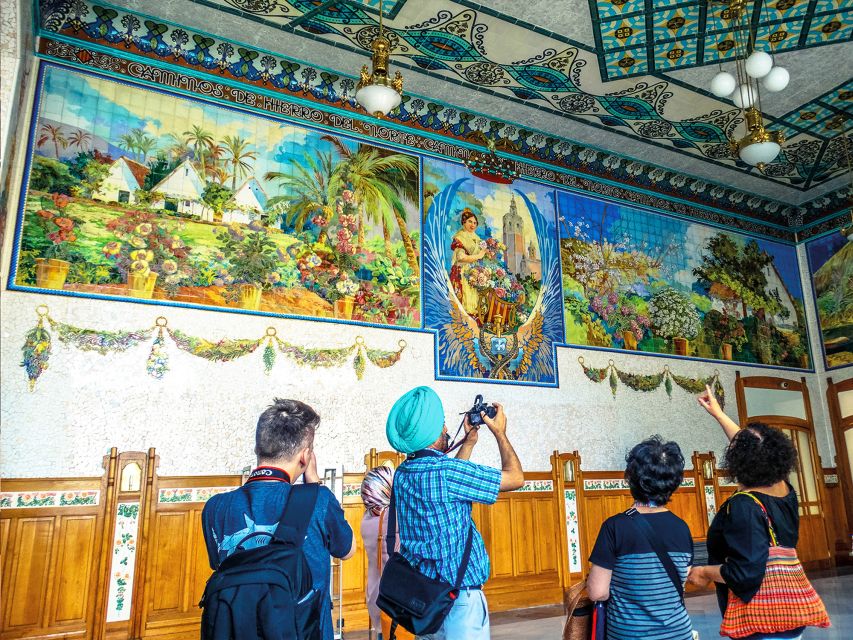
The core stops are the Silk Exchange and the City Hall entrance. Everything else is focused on getting you oriented around the historic center while you learn about the UNESCO trio: Lonja de la Seda, the Water Tribunal, and the Fallas.
Depending on the day’s flow, you may also pass key city-center spaces and other landmarks that help you picture Valencia as a working city, not a museum. For example, some guided routes have included plazas and the central market area, and others have ended near major cathedral sights. The exact ending point can vary by day and logistics, so I recommend keeping your schedule flexible enough to absorb a short route change.
What stays consistent is the narrative. You’ll learn how Valencia’s 21-plus centuries shaped what you’re seeing now, and you’ll hear stories that connect monuments to daily life.
Price and Value: Is $21 a Fair Deal?
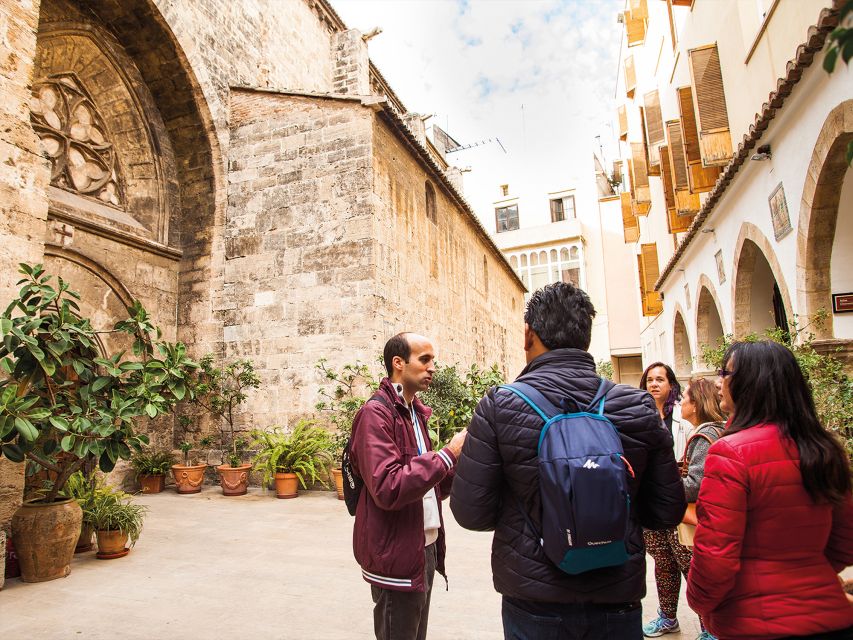
Let’s talk straight value. At $21, you’re paying for:
- a live guided walk,
- entrance to Lonja de la Seda (when open),
- and entrance to City Hall (when open).
In most cities, entrance fees plus guided interpretation can add up fast, especially for major historic interiors. Here, the entry costs are folded into the price, which makes the tour easier to justify, even if you’re traveling on a budget.
The other hidden value is time. Two hours is short enough to fit on your first day, but long enough that you return to your hotel with a solid sense of direction. That can prevent wasted hours wandering the old town without a plan.
If you only do one guided experience in Valencia, this is the type that can give you momentum for the rest of your trip.
Who This Tour Is Best For
This tour fits best when you want an efficient intro to Valencia’s big cultural themes. If you’re doing a first visit and you want to leave with a map in your head, it’s a great match.
It’s also a good choice if you like history, but only when it comes with real context and usable information. The UNESCO focus helps you understand why people care about these sites.
Finally, it works well for groups with different energy levels because it’s a short walk. Reviews note that it can feel appropriate for all ages, and the route aims for manageable distances.
What to Bring and How to Prepare
Because this is a walking tour, I’d plan like you’re sightseeing for two hours straight. Wear comfortable shoes you trust, and bring water if you tend to get thirsty while walking.
Since Valencia weather can shift, a light layer or umbrella can save your day if conditions change. One review mentions rainy conditions handled during the experience, and guides who know the route well can help you find better spots while still keeping things moving.
If you’re the kind of person who likes to ask questions, this tour rewards you. A guide who can explain in English and adapt to your interests makes the walk feel less like a lecture and more like a conversation.
Should You Book This Valencia Walking Tour?
I’d book it if you want a clean, high-value introduction to Valencia’s UNESCO highlights without spending half your day figuring things out. The mix of Lonja de la Seda entry, City Hall access when open, and the interpretation of the Water Tribunal and Fallas gives you context you can carry to your other sightseeing.
Skip it only if you already know Valencia deeply and you specifically want a slower, more expanded itinerary that focuses on fewer themes. For a first taste or a time-crunched trip, this is one of those practical choices that tends to make the rest of your days easier.
If you do book, I suggest scheduling it early in your trip. You’ll get the most mileage out of the “orientation” effect, and you can adjust the rest of your plans with better instincts.
FAQ
What is the duration of the Valencia walking tour?
The tour lasts 2 hours.
Which World Heritage sites are included in the tour?
The tour focuses on Valencia’s three World Heritage properties: Lonja de la Seda (Silk Exchange), the Water Tribunal (Tribunal de las Aguas), and Fallas.
Does the tour include entrance fees?
Yes. It includes entrance fee to the Silk Exchange and entrance fee to the City Hall, based on opening conditions.
What if Lonja de la Seda is closed during our visit?
If the Silk Exchange is closed due to an event during your visit, the provider will offer the possibility to send tickets so you can enter in the afternoon, or they will try to exchange for a ticket of the same amount to another museum or monument.
Where is the meeting point?
Meet at the Tourism Hub at Estación del Norte (north station), West Tower, ground floor, Carrer de Xàtiva 24. The metro station is Xàtiva.
Is the tour wheelchair accessible and in what language?
The tour is wheelchair accessible and the guide provides English.
Latest Valencia reviews into the ledger




Walking Tours, compared.
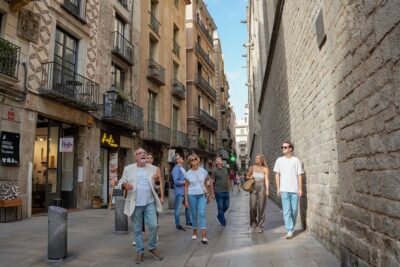
Barcelona Tapas and Wine Experience Small-Group Walking Tour
Read our review →
Tapas Walking Tour with Food, Wine, and History
Read our review →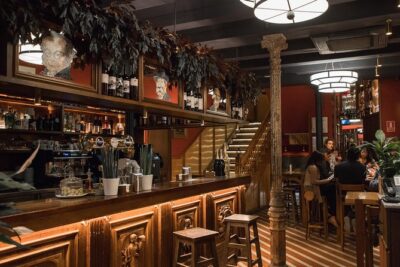
Madrid Tapas & Wine Tasting Walking Tour – Small Group Local Bars
Read our review →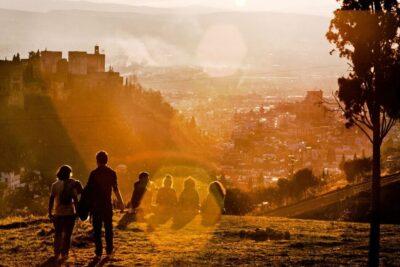
Albaicín and Sacromonte Guided Sunset Walking Tour
Read our review →
Toledo Tour & Vineyard Walk with Wine Tasting from Madrid
Read our review →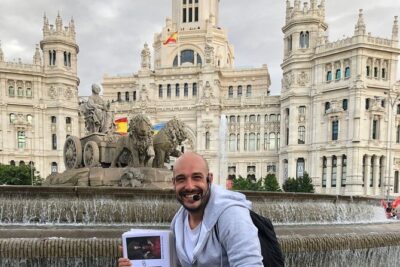
Madrid Walking Tour from Puerta del Sol to Retiro Park
Read our review →
Barcelona Tapas Walking Tour: Food, Wine & History
Read our review →Browse the lists this tour appears in