
Reviewed · EL ESCORIAL DAY TRIPS
From Madrid: El Escorial and Valley’s Basilica Half Day Tour
Madrid to El Escorial feels like time travel. In five hours you’ll see Spain’s royal monuments and the Valley of the Fallen basilica with a guided, no-hassle format.
I like how the tour gives you a real guided walkthrough at El Escorial rather than a rushed bus stop, and I also like that you get inside the Valley of the Fallen basilica, not just the outside views.
One consideration: the day is tight, so the Valley stop is brief, and a few people reported occasional hearing issues with the audio headset.
In This Review
- Key highlights I’d plan around
- El Escorial and the Valley of the Fallen, in one half-day
- Getting from Madrid: a comfortable, scheduled coach ride
- El Escorial: where monarchy, monastery, and art all meet
- The Cloister of the 4 Evangelists and the feel of the complex
- The Palace of Philip II: power you can picture
- The Royal Pantheon: the emotional center
- The Valley of the Fallen: scale, symbolism, and the basilica interior
- The 150-meter cross and the hard-rock design
- The basilica interior: where the tour time actually pays off
- What the timing really means for you
- Price and value: why $78 can be fair for this route
- Guides and pacing: what makes the experience smoother
- Practical expectations on what you can and can’t bring
- Who this tour is best for, and who should skip it
- Should you book this El Escorial and Valley of the Fallen half-day tour?
Key highlights I’d plan around
- El Escorial guided access, including major sights like the Cloister of the 4 Evangelists and the Palace of Philip II
- Royal Pantheon visit at El Escorial, where you connect architecture to monarchy
- Valley of the Fallen interior time, including the basilica’s interior and the crypt built into rock
- 150-meter cross landmark, plus the Guadarrama Mountains setting that frames the scale
- Audio headset included, which helps you follow the guide without straining
- Pace that usually feels comfortable, with guides like Pilar, Ana, and Sylvia noted for keeping groups moving smoothly
El Escorial and the Valley of the Fallen, in one half-day
This is the kind of tour that works best when you want big contrasts without burning a whole day. You start with a monument built to project royal power, then you move to a 20th-century memorial built as a response to the Spanish Civil War. That shift can feel heavy, but it also helps you understand Spain in layers, not as a single postcard.
The total time is five hours, and that includes travel. You’ll get about two hours at El Escorial, then a shorter visit at the Valley of the Fallen, plus bus rides that add up quickly. If you enjoy structure and expert commentary, that time allocation is a strength. If you want long, slow wandering, you might feel the Valley is over fast.
More visits to the granite monastery:
- Escorial Monastery and the Valley of the Fallen Tour from Madrid
★ 5.0 · 2,494 reviews - From Madrid: Escorial Monastery and the Valley of the Fallen
★ 4.7 · 1,434 reviews - Escorial Monastery and the Valley of the Fallen from Madrid
★ 4.0 · 1,023 reviews - From Madrid: Escorial Monastery & Valley of the Fallen Trip
★ 4.4 · 389 reviews
Getting from Madrid: a comfortable, scheduled coach ride
You meet at VPT Tours, then head out by bus/coach. The drive is about one hour, and it’s another 15 minutes between El Escorial and the Valley of the Fallen. The return ride is about 50 minutes. That’s a lot of moving parts for a short total day, but the upside is you don’t have to plan transport or figure out timing between sites.
One practical detail that matters: the tour is designed around keeping the group together, with audio headsets included. That helps, especially inside large complexes where sound bounces around. A few people mentioned headset issues or trouble hearing in certain moments, so if you’re sensitive to audio, bring this kind of tour expectation with you. Still, most feedback is positive on guidance and pace.
El Escorial: where monarchy, monastery, and art all meet
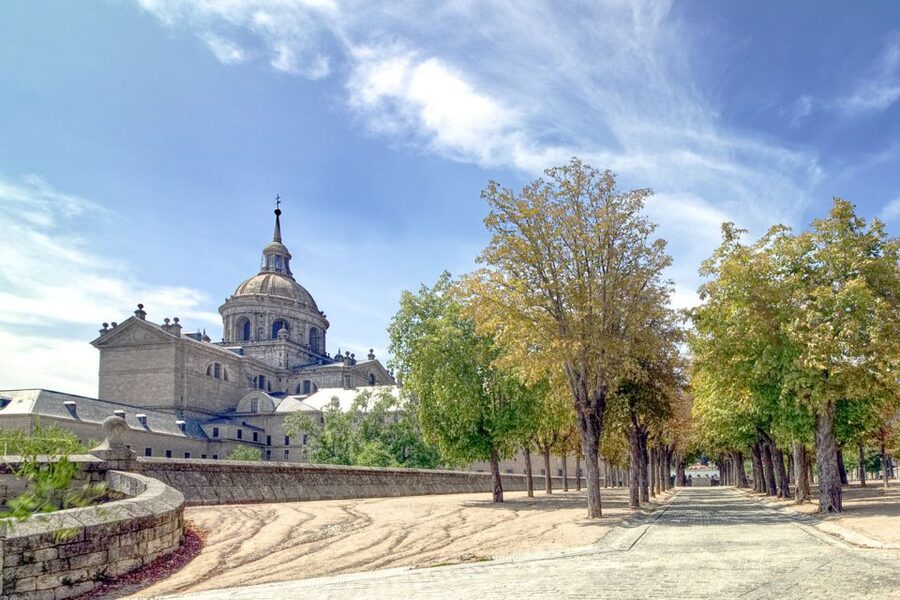
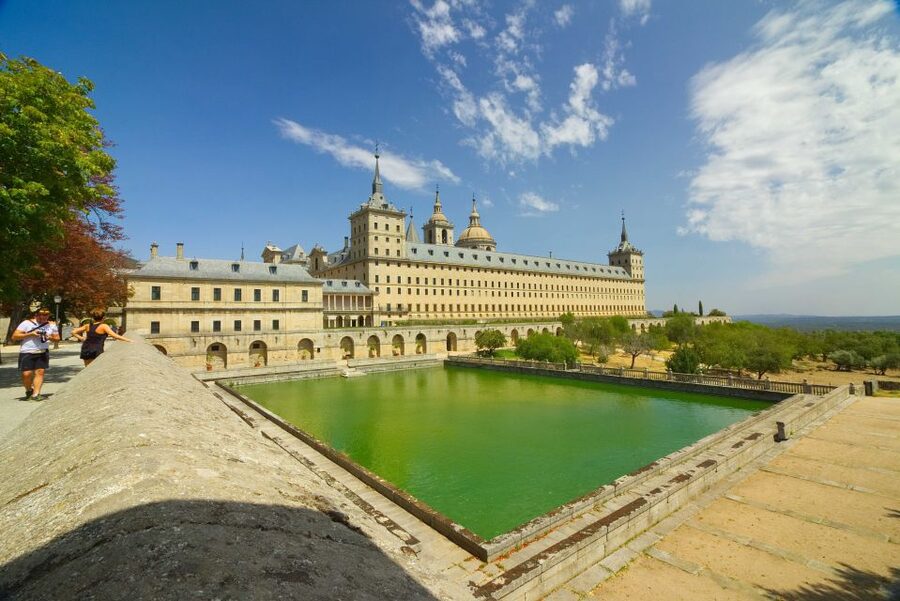
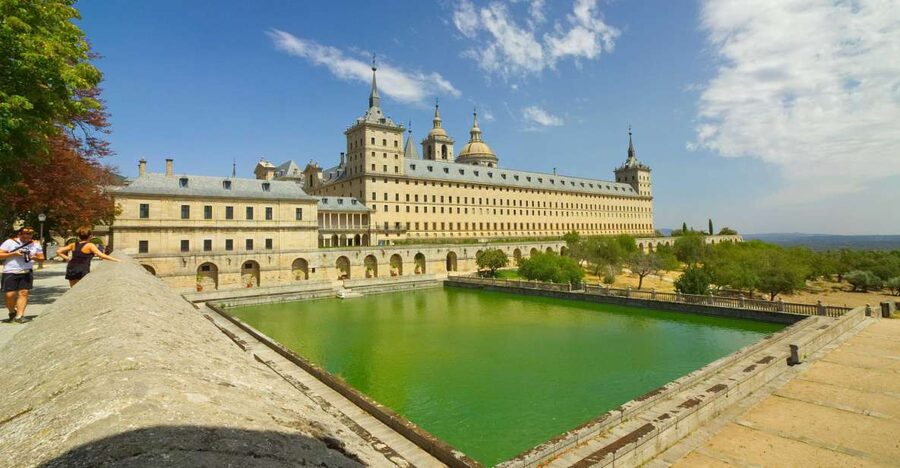
At San Lorenzo de El Escorial, you’re stepping into a place King Philip II shaped as a residence, a monastery, and a royal pantheon. The site is a UNESCO World Heritage Site, and it’s easy to see why. Even before you go deep, the sheer scope signals that this was meant to communicate authority.
You get two hours here, guided. That means you’re not just walking and hoping to connect the dots. Instead, you’re shown the main architectural and royal spaces that turn this complex into more than a big church complex.
The Cloister of the 4 Evangelists and the feel of the complex
One of the specific highlights is the Cloister of the 4 Evangelists. This is the kind of space that makes you slow down without anyone telling you to. Cloisters naturally pull your attention inward, and they’re a good “pause point” during a tour when the rest of the site can feel like a lot of corridors and rooms.
More Things to Do in Madrid
- Madrid: Tour Bernabéu Entry Ticket★ 4.5 · 21,573 reviews
- Madrid: Prado Museum Entry Ticket★ 4.6 · 20,699 reviews
- Madrid: Royal Palace Fast-Access Admission Ticket★ 4.6 · 13,856 reviews
The Palace of Philip II: power you can picture
You’ll also see the Palace of Philip II. Even if you are not an architecture fanatic, this is where the royal side becomes tangible. The palace rooms help you visualize how the monarchy lived, not just how it ruled. And since Philip II is such a central figure in Spanish history, you’ll likely understand the political context as the guide connects the dots between reign, religion, and empire.
The Royal Pantheon: the emotional center
Another key stop is the Royal Pantheon. This is where the tone changes. You move from grandeur to remembrance, and the whole visit starts feeling more personal. If you like sites that hold both art and meaning, this part is often the highlight.
One theme that comes through in strong feedback is that guides help you see the details without turning it into an exhausting lecture. People specifically credited guides like Pilar, Carlos, Ana, and Sylvia for knowing the material and guiding at a pace that doesn’t feel like a sprint.
The Valley of the Fallen: scale, symbolism, and the basilica interior
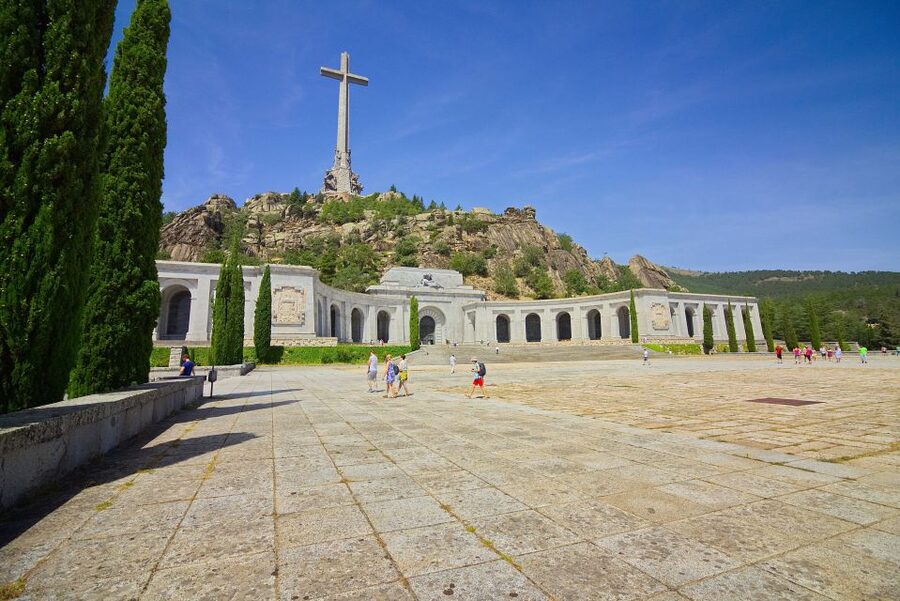
After El Escorial, you’ll drive about 9 kilometers to the Valley of the Fallen area in the Guadarrama Mountains. The setting alone matters. A dramatic landscape changes how you experience monuments, and this valley setting is part of what makes the complex feel so imposing.
The visit is about 45 minutes. That’s not a lot of time, but the tour does include entrance to the Valley and the interior of the basilica. For many people, that combo is exactly what they want from a half-day plan: you see the major exterior scale, then you get inside the basilica where the experience becomes more intense.
The 150-meter cross and the hard-rock design
The Valley is associated with a memorial purpose, built in 1936 as a memorial to those who died during the Spanish Civil War. The monument includes a cross that rises more than 150 meters high, and the overall project is built into hard rock. Knowing that the basilica and crypt were carved into the mountain gives you a different kind of appreciation while you’re looking around.
The basilica interior: where the tour time actually pays off
The tour includes the basilica’s interior, and that is a smart inclusion. Outside, you can register the size. Inside, you connect the meaning to the space. Even with a shorter visit, this interior access tends to be where the tour justifies itself, because it turns a memorial you see from afar into one you experience in person.
There’s also a clear emotional split that comes up in feedback: some people love the architecture and scale, while others find the Valley’s purpose somber and difficult. I’d treat it as a must-see with the right mindset. If you’re sensitive to memorial sites tied to political violence, plan a calm pace for this part of the day, even if the tour schedule keeps you moving.
What the timing really means for you
This tour lasts five hours, and you’re spending time in transit between the two major stops. The schedule adds up like this: about one hour to reach El Escorial from Madrid, two hours exploring El Escorial, 15 minutes traveling to the Valley, 45 minutes at the Valley, then 50 minutes back.
That timing explains the most common “value sweet spot” for a half-day. You get meaningful time at El Escorial, which is the bigger complex, and you still get the Valley basilica interior, which is the part many people would otherwise miss on a quick stop.
The main trade-off is simple: the Valley is short. If you want long reading time, extra time in the crypt, or slower photo sessions, this format may feel constrained. Still, if you’re balancing this with other Madrid plans, it’s hard to beat a tour that packs both destinations without making you figure out logistics.
Price and value: why $78 can be fair for this route
The price is $78 per person, and at this length, value comes from what’s bundled. Here, you’re getting transportation, a tour guide, and entrance and guided visits to El Escorial plus entrance to the Valley and the basilica interior. You also get an audio headset, plus the tour is designed to help you skip the ticket line.
What that means for you is time saved and stress reduced. El Escorial is not a casual walk-up attraction. When a guided tour handles entrances and timing, you’re more likely to see the important spaces that a first-time visit can miss. Also, guided context matters a lot at both sites. At El Escorial, you’re dealing with royal quarters, religious spaces, and symbolism. At the Valley, you’re dealing with memorial design and meaning.
If you compare this to the “DIY” approach, the money is often worth it when you value:
- fewer decisions during the day
- guided commentary to connect what you’re seeing
- included access for the interior basilica
A few people noted good value for money, and one person described the overall value as perfect. The rating average is 4.4 across 638 reviews, which usually signals that most people feel they got what they paid for, even if a handful ran into hearing or pacing quirks.
Guides and pacing: what makes the experience smoother
A huge part of the quality is the guide. Multiple people singled out guides by name, including Pilar, Carlos, Anne, Ana, and Sylvia. The praise pattern is pretty consistent: guides were described as friendly, thorough, and able to answer questions. Another repeated theme is that the pace lets you see the main sights without feeling rushed.
That matters for these two sites because both have lots of moving parts. When pacing is off, you either feel lost in a big complex or you end up standing with your phone out trying to interpret stonework on your own. Good guides make the route make sense.
Audio support also plays into this. The tour includes headsets, but some people reported the headset not working properly for English-speaking participants, or that hearing was difficult due to wind and microphone placement. If you’re the type who hates missing parts of a narration, you might want to position yourself where you can hear the guide clearly during the stops.
Practical expectations on what you can and can’t bring
This tour has clear rules designed to keep the day moving smoothly. Pets are not allowed. Oversize luggage is not allowed, and there’s no food in the vehicle. Flash photography is not allowed, and video recording is also not allowed.
You’ll want to plan for standing and walking on uneven museum and monument surfaces, so comfortable shoes are a must. The tour also lists that it’s not suitable for wheelchair users.
These rules aren’t there to ruin your trip. They’re there to protect the experience for others and to keep you on schedule. If you show up prepared, you’ll spend less time dealing with restrictions and more time looking at what you came for.
Who this tour is best for, and who should skip it
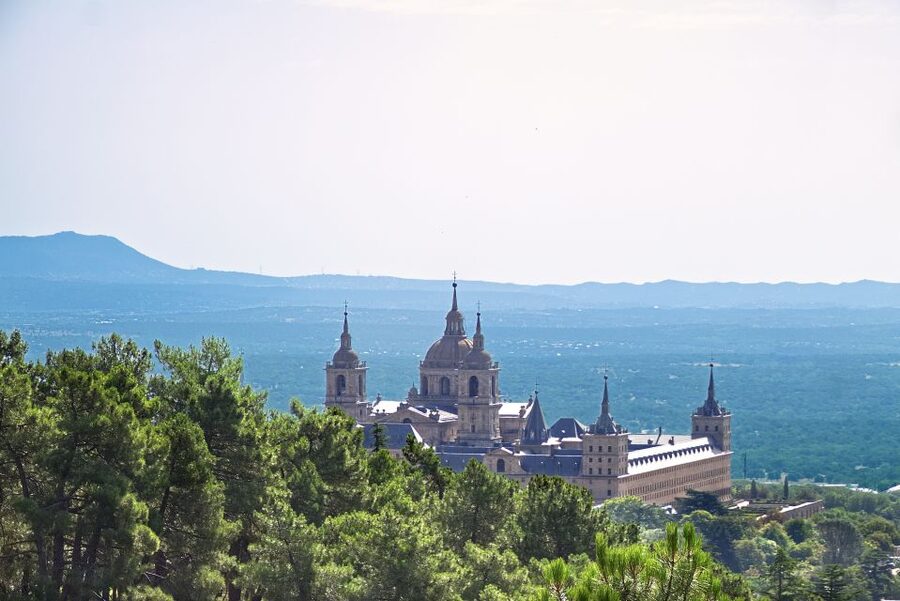
I think this tour is a strong match if you want:
- a half-day plan that hits both El Escorial and the Valley
- guided access to the Royal Pantheon and the basilica interior
- a historical route that connects monarchy and 20th-century memorial meaning
It’s also a good choice for your first or second day in Madrid when you want a structured day trip without overthinking transport.
You may want to pick a different approach if you:
- want lots of quiet time for reading, reflection, and photos at the Valley
- need wheelchair accessibility
- feel strongly about being able to pause freely, away from group pacing
Should you book this El Escorial and Valley of the Fallen half-day tour?
Yes, I’d book it if your goal is to see both sites in one efficient plan and you value guided context. The tour’s strongest points are clear: you get major monuments at El Escorial with guided access, then you get interior time at the basilica at the Valley of the Fallen. For a five-hour schedule, that’s a practical win.
If you’re sensitive to memorial sites and want extra time for reflection, consider whether you’ll be okay with a 45-minute Valley stop. And if you know you have trouble hearing in windy, crowded areas, you might keep your expectations flexible around audio quality.
Overall, this is a well-structured, history-heavy day that gives you the big takeaways without making you burn a full day.
Latest Madrid reviews into the ledger




El Escorial Day Trips, compared.
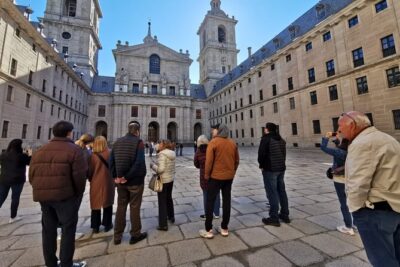
Escorial Monastery and the Valley of the Fallen Tour from Madrid
Read our review →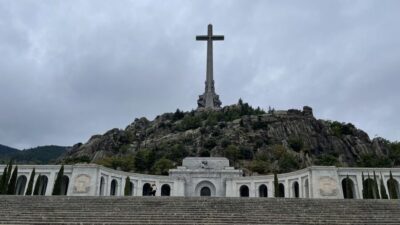
Escorial Monastery and the Valley of the Fallen
Read our review →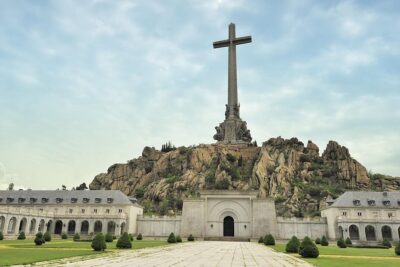
Escorial Monastery and the Valley of the Fallen from Madrid
Read our review →
Browse the lists this tour appears in