
Reviewed · EL ESCORIAL DAY TRIPS
San Lorenzo de El Escorial: Monastery and Site Guided Tour
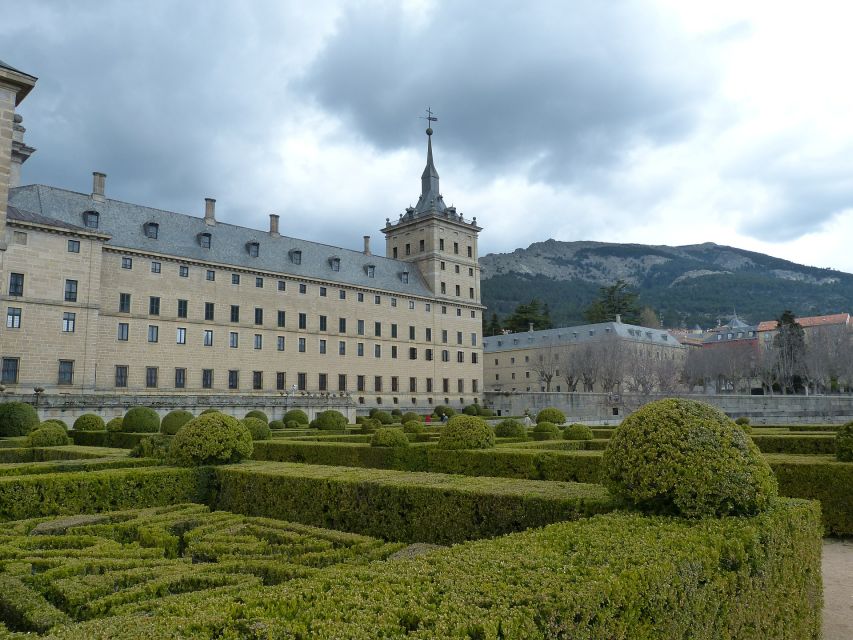
A grid-shaped monastery that still feels alive. San Lorenzo de El Escorial is one of Spain’s most striking Renaissance projects, and this guided tour is a smart way to make sense of it without losing time in the halls. I like the way the Philip II era comes alive through a local guide, and I also love the payoff of seeing the Royal Library as more than a pretty room.
What really worked for me is the sequence of stops. You move through the basilica, Battle Hall, pantheon, and key palatial spaces in a route that helps you understand why the complex was built the way it was and what it was trying to say. One consideration, though, is pace: the visit is only 2 hours, so if you want to linger over details, you may feel it is a little rushed.
In This Review
- Key moments that make this tour worth your time
- El Escorial in 2 Hours: what the tour actually covers
- Why a guided route helps more than you expect
- Basilica: where faith meets the politics of stone
- Battle Hall: the Golden Age message in one stop
- Pantheon and royal spaces: dynastic power, made visible
- The Royal Library: why learning mattered to Philip II
- What I’d prioritize during the visit
- Price and value: what you get for about $47
- Meeting point and what to look for at the monastery entrance
- Rules you should know before you go inside
- What kinds of travelers get the best fit
- Should you book this tour?
- FAQ
- How long is the San Lorenzo de El Escorial guided tour?
- Is the tour guided?
- What language is the tour offered in?
- What is included in the ticket price?
- Where is the meeting point, and how do I find the guide?
- What should I bring with me?
- Are luggage or large bags allowed?
- What clothing is not allowed inside the monastery?
- Is the tour wheelchair accessible?
- Can I cancel for a refund?
- Can I reserve now and pay later?
Key moments that make this tour worth your time
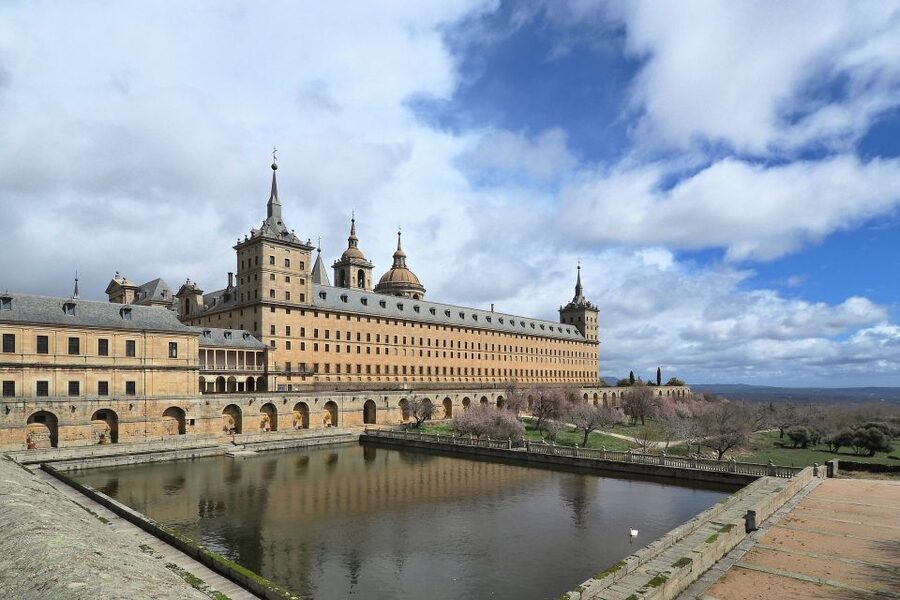
- El Escorial UNESCO setting, so the architecture is the attraction, not just the photos
- Philip II and Spain’s Golden Age context, explained in human terms you can follow
- Royal Library access, where the collections connect power with learning
- Basilica, Battle Hall, and pantheon, each with a clear role in the story
- A local guide experience you can’t fake, especially in a monumental building
El Escorial in 2 Hours: what the tour actually covers
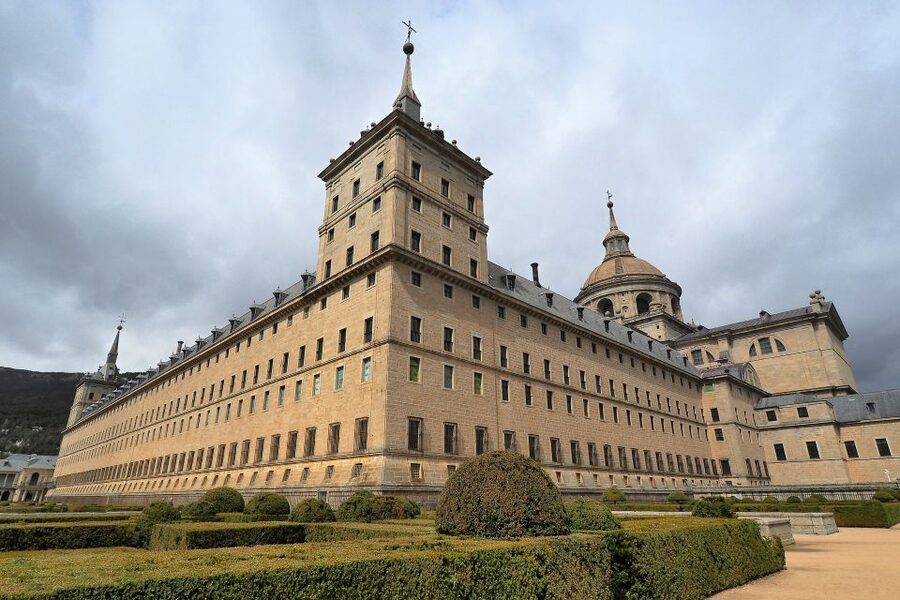
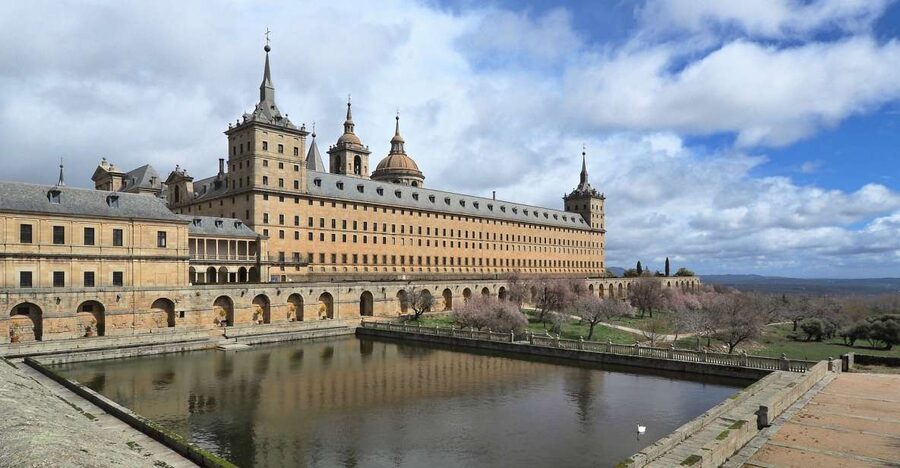
This is a tightly timed guided visit to the Monastery of San Lorenzo de El Escorial, a UNESCO World Heritage Site near Madrid. In about two hours, you get a guided walkthrough of the interior areas that most people come to see, with a guide connecting the building to the reign of Philip II and the Spanish Golden Age.
You’ll spend your time inside the complex, not on long transfers. The goal is simple: help you understand what you are looking at. That matters here because El Escorial is big, structured, and formal. Without guidance, you can end up treating it like a list of rooms instead of seeing how the whole plan communicates ideology, faith, and dynastic power.
More visits to the granite monastery:
- Escorial Monastery and the Valley of the Fallen Tour from Madrid
★ 5.0 · 2,494 reviews - From Madrid: Escorial Monastery and the Valley of the Fallen
★ 4.7 · 1,434 reviews - Escorial Monastery and the Valley of the Fallen from Madrid
★ 4.0 · 1,023 reviews - From Madrid: El Escorial and Valley’s Basilica Half Day Tour
★ 4.4 · 638 reviews
Why a guided route helps more than you expect
El Escorial is sometimes described as grid-like in feel, and that can be confusing when you are trying to orient yourself on the fly. A guided tour helps because your guide frames what to pay attention to as you walk. You don’t just move from one named room to another. You learn why each stop exists and what message it sends in 16th-century terms.
In reviews, I kept seeing the same pattern: guides were praised for making details easy to understand and for keeping the visit efficient rather than wandering aimlessly. One comparison stood out too. People who tried self-guided options ended up feeling lost in the complexity and ended up walking more than they wanted. With a guide, you get the structure built in, and you end at the entrance when the tour finishes.
Basilica: where faith meets the politics of stone
The basilica is usually the first big emotional moment, because it signals what the monastery is meant to be at its core. On this tour, you get time to visit the basilica as part of the larger complex, not as a standalone sight.
Here’s what I found useful: when your guide connects the basilica to the era of Philip II, it stops being just an impressive room and becomes a statement. The monastery is not only spiritual. It is also designed to reflect authority. Seeing it with context helps you notice the intent behind the grandeur, including how religious and royal power were meant to coexist in one architectural project.
Battle Hall: the Golden Age message in one stop
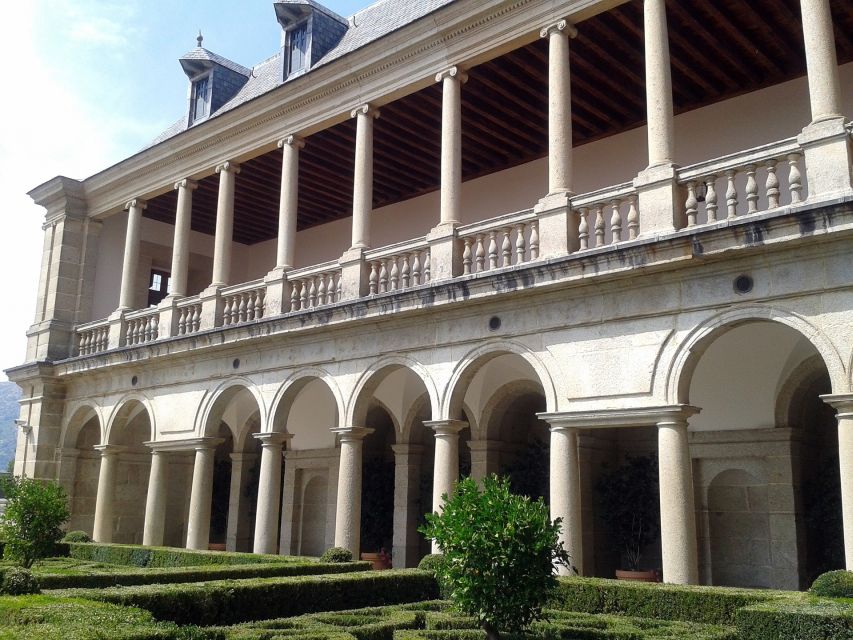
Next up is the Battle Hall, and this is where the tour’s storytelling becomes especially helpful. This hall is part of how El Escorial communicated Spain’s ambitions during the period often associated with the Spanish Golden Age.
Even if you are not a history buff, you can appreciate the logic of the layout: a state-sponsored monument that includes spaces dedicated to military memory, dynastic identity, and religious purpose. A guide makes the hall feel less like a themed room and more like a piece of the same message you are seeing elsewhere in the complex.
More Things to Do in Madrid
- Madrid: Tour Bernabéu Entry Ticket★ 4.5 · 21,573 reviews
- Madrid: Prado Museum Entry Ticket★ 4.6 · 20,699 reviews
- Madrid: Royal Palace Fast-Access Admission Ticket★ 4.6 · 13,856 reviews
Pantheon and royal spaces: dynastic power, made visible
The pantheon is one of the key reasons many people want to see El Escorial in person. It is tied to the idea of lineage and authority, and one review highlighted that almost all Spanish kings are buried there. That alone gives the space weight, because you are not just looking at architecture. You are standing inside a setting meant to anchor the monarchy to place and permanence.
On this tour, you also visit palatial rooms, which adds a different angle. These areas help you understand the monarchy’s presence inside the monastery setting. When you see the basilica, then move into spaces meant for royal life and representation, it becomes easier to grasp the monastery’s dual identity: spiritual center and political stage.
A practical tip here: the pantheon and royal rooms can feel formal and dimmer than you expect. If you rely on phone photos for everything, you might want to balance that with actually taking in what the guide is pointing out while you have the chance.
The Royal Library: why learning mattered to Philip II
If there is one stop that frequently earns extra attention on this tour, it is the Royal Library. This is included and it is one of the strongest reasons to book a guided visit. The library is not just an attractive room. It is described as a Renaissance statement of power, and that framing changes how you experience it.
You’ll learn how Philip II collected volumes to expand his humanistic knowledge. That detail matters because it shows a different side of rulers you might otherwise think of only as builders of war and empire. The library connects authority to ideas, collecting books as a form of influence.
If you are the type who enjoys seeing how art, architecture, and education connect, you will probably rate this stop highly. It is also a great way to break up the heavier feeling of tomb and religious spaces, while staying inside the same imperial narrative.
What I’d prioritize during the visit
Since the tour lasts only 2 hours, you can get more from it by mentally switching to guide mode. That means listening for what each room is trying to communicate, not just collecting facts.
Here are the priorities that made the experience click for me:
- Pay attention to the guide’s explanation of the Spanish Golden Age themes as you move between rooms
- Watch for how Philip II connects to each stop, especially the library and royal spaces
- Let the basilica and pantheon set the emotional tone, then use the halls to connect that tone to state power
This is exactly the kind of tour that rewards active attention. If you treat it like a casual walk-by, you will miss the best part.
Price and value: what you get for about $47
The price is listed at $47 per person, and the important part is what you actually receive for that number: a live guide plus an entry ticket to the Monastery.
For a complex of this scale, value comes from two places. First, you get access included in the tour rather than trying to coordinate it on your own. Second, you get someone explaining the building while you are inside it, which is when the explanations matter most. El Escorial is not the kind of place where you can confidently wander and still get the full payoff in a short timeframe.
Also, when a guided visit is rated 4.8 with 127 reviews, that usually signals consistency. In the reviews you provided, the recurring praise was about the guides: they were described as professional, witty, friendly, and very good at explaining history in an easy-to-follow way. That kind of clarity is hard to buy with a cheaper, solo approach.
Meeting point and what to look for at the monastery entrance
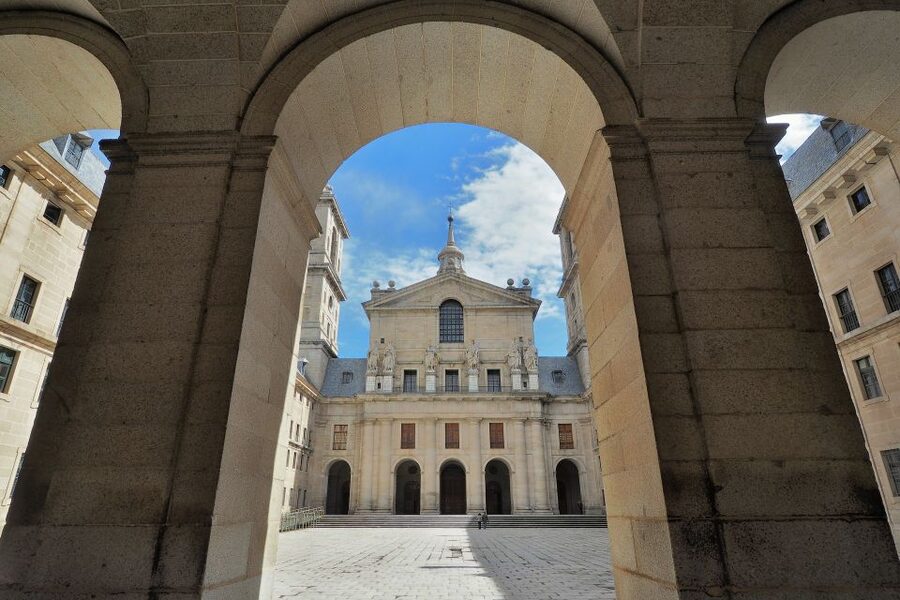
You meet at the access door to the monastery, the main entrance with the flag of Spain at the top. You should arrive 15 minutes early.
You’ll exchange your voucher at the meeting point. The guide is waiting with a blue umbrella from Todo Tour. If you are the type who gets flustered by meeting points, this is worth planning for. One review suggested the start location could be easier to spot with a clearer sign, so give yourself a few extra minutes to confirm you are in the right spot.
Also, remember this is a shared, timed visit. Showing up late can mean you miss the first explanation and the flow through the key rooms.
Rules you should know before you go inside
This is a functioning historic monument with rules that keep the visit respectful. Before you head out, plan around:
- Bring a passport or ID card
- No luggage or large bags
- Avoid short skirts, sleeveless shirts, and swimwear
- Keep things quiet, since making noise is not allowed
These restrictions matter because they affect what you wear and what you carry. If you are traveling with a day bag that counts as large for your group, it is worth downsizing at the last minute. And if you’re in warm weather, bring a light layer to cover shoulders if needed.
What kinds of travelers get the best fit
This tour is especially good if:
- You want to see El Escorial but only have a short window near Madrid
- You care about how architecture connects to politics, faith, and royal identity
- You prefer a guided explanation over wandering through rooms with a phone guide
It is also a smart choice for travelers who want the main interior highlights without stretching the day. At two hours, you get the key stops without turning this into a half-day schedule.
Should you book this tour?
Yes, I think you should book it if your goal is to understand El Escorial, not just check it off. The biggest strength is the way a guide ties the basilica, Battle Hall, pantheon, palatial rooms, and the Royal Library into one coherent story centered on Philip II and the Spanish Golden Age. With an efficient route and included entry, you get value quickly.
I would hesitate only if you strongly dislike timed visits. Because the tour is only 2 hours, you have less room to linger, and you may feel the pace if you like to spend long minutes on each artwork, tomb detail, or inscription.
If you want the best chance of walking away with real understanding, this is the kind of tour that delivers.
FAQ
How long is the San Lorenzo de El Escorial guided tour?
The duration is 2 hours.
Is the tour guided?
Yes. It includes a live tour guide.
What language is the tour offered in?
The live tour guide language is Spanish.
What is included in the ticket price?
The tour includes a guide and an entry ticket to the Monastery.
Where is the meeting point, and how do I find the guide?
Meet at the access door to the monastery, the main entrance with the flag of Spain at the top. Arrive 15 minutes early, exchange your voucher at the meeting point, and look for the guide holding a blue umbrella from Todo Tour.
What should I bring with me?
Bring your passport or ID card.
Are luggage or large bags allowed?
No, luggage or large bags are not allowed.
What clothing is not allowed inside the monastery?
Short skirts, sleeveless shirts, and swimwear are not allowed.
Is the tour wheelchair accessible?
Yes, the tour is wheelchair accessible.
Can I cancel for a refund?
Yes, there is free cancellation up to 24 hours in advance for a full refund.
Can I reserve now and pay later?
Yes, you can reserve now and pay later.
Latest Madrid reviews into the ledger





El Escorial Day Trips, compared.
Escorial Monastery and the Valley of the Fallen Tour from Madrid
Read our review →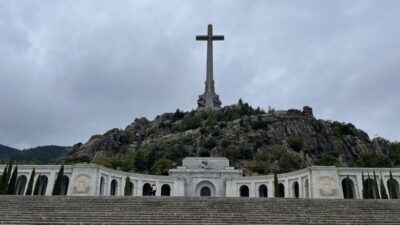
Escorial Monastery and the Valley of the Fallen
Read our review →
Escorial Monastery and the Valley of the Fallen from Madrid
Read our review →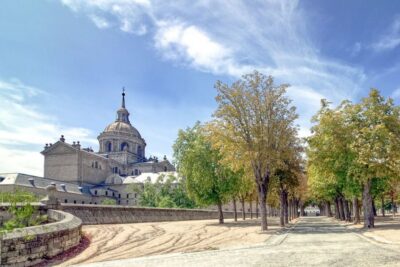
El Escorial and Valley’s Basilica Half Day Tour
Read our review →

Royal Site of San Lorenzo de El Escorial Entrance Ticket
Read our review →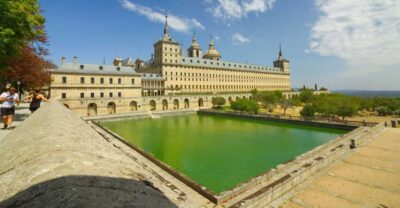
Browse the lists this tour appears in