
Reviewed · MUSEUMS
Jerez de la Frontera: Andalusian Horse Dance and Museums
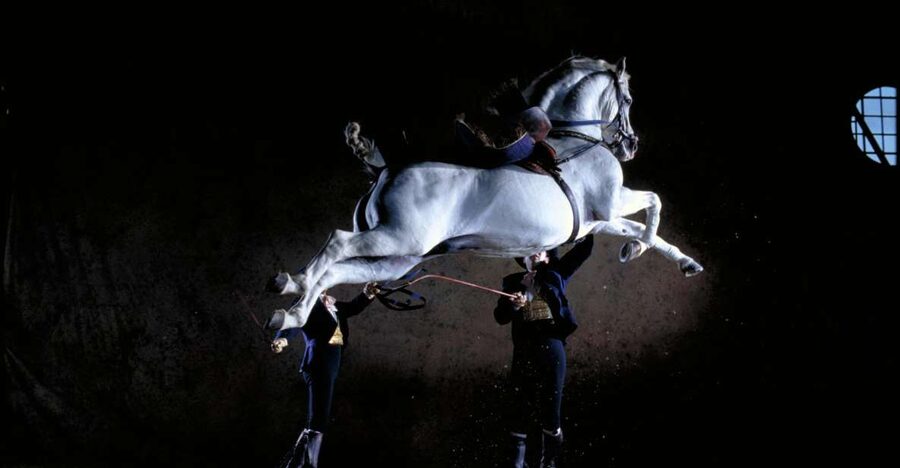
Horse ballet in Jerez is pure discipline. This experience strings together a 90-minute equestrian show at the Royal Andalusian School of Equestrian Art and then takes you into the palace museums that explain how horse culture shaped Andalusia.
Two things I really like about it are the mix of performance plus education, and the way you get close to horse craftsmanship, not just spectacle. You’ll also have a short audio-visual history stop before the show, with time to wander the grounds. One possible drawback to plan for is seating comfort, since at least a few people find the arena seats less than ideal.
In This Review
- Quick hits before you go
- First stop: the Royal Andalusian School’s Visitor Reception Centre
- Palace grounds and timing: how to fit everything into 3.5 hours
- Art Equestrian Museum: 11 rooms that explain what you’re seeing
- Saddlery and craftsmanship: harness work that keeps the school running
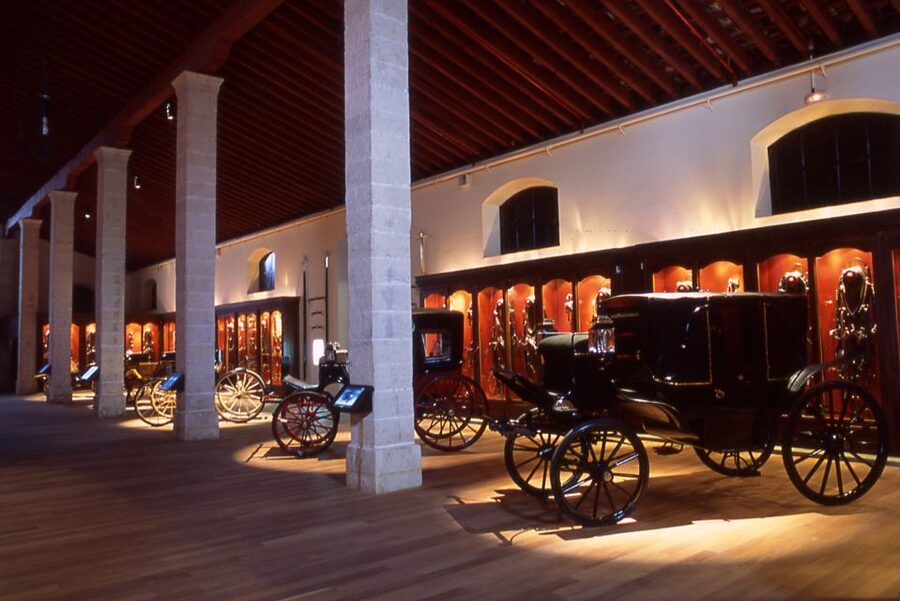
- Carriage Museum: vehicles, costumes, and the shift from transport to sport
- How the Andalusian Horses Dance: what happens in the arena
- Reading haute école: the moves you’ll recognize in real time
- Before the show: when you can spot horses warming up
- Price and value: why $38 feels fair for what you actually get
- Comfort, heat, and rules to plan around
- Who this Jerez horse experience is best for
- Should you book this Andalusian Horse Dance and Museums visit?
- FAQ
- How long is the experience?
- When does the Andalusian horse dance show take place?
- What time can I visit the museums?
- Is there a film before the show?
- Are cameras or video recording allowed?
- What do I need to bring?
Quick hits before you go
- 90 minutes of haute école on horseback, with choreographies like Pas de Deux, Passage and Piaffer, and Airs Above the Ground
- Two museum stops in one palace complex, including an Art Equestrian Museum with 11 rooms
- A pre-show digital cinema presentation, available until 11:00 AM
- Carriages, harnesses, and equestrian costumes at the Carriage Museum, plus tack details in the saddlery
- Photography rules are strict, so plan to enjoy the moment instead of documenting it all
First stop: the Royal Andalusian School’s Visitor Reception Centre
When you arrive, go to the ticket office to exchange your ticket. From there, you enter the Visitor Reception Centre, which is designed for an easy start before the arena fills up.
A big plus here is the digital cinema showing an audio-visual presentation about the history of equestrian art in Andalusia. The timing matters: it runs until 11:00 AM, so if you’re aiming to do the film and still comfortably reach the museums, you’ll want to arrive with enough slack.
You’ll also move from the indoor entry area into the gardens. This is not just decoration. The gardens give you a calmer lead-in to the experience, and they help the whole place feel like a working equestrian school rather than a generic tourist stage.
More Spanish halls of paint and armour:
- Madrid: Prado Museum Entry Ticket
★ 4.6 · 20,699 reviews - Málaga: Museo Picasso Málaga Entry Ticket
★ 4.4 · 11,138 reviews - Barcelona: FC Barcelona Museum “Barça Immersive Tour” Ticket
★ 4.4 · 10,944 reviews - Madrid: Reina Sofía Museum Entrance Ticket
★ 4.5 · 8,788 reviews
Palace grounds and timing: how to fit everything into 3.5 hours
The show itself runs from 12:00 PM to 1:30 PM. That means your morning and early afternoon planning is really about stacking the right museum time around that block.
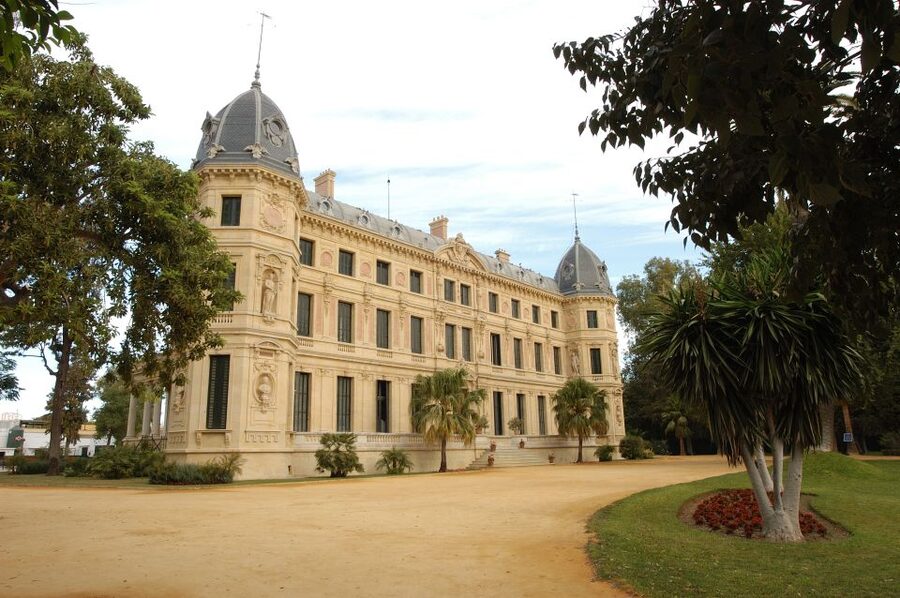
The palace rises above the gardens and is a beautiful example of 19th-century architecture. There’s also a useful practical detail to know: the Palace and the Saddlery are closed on Saturdays and public holidays. So if your trip lands on one of those days, you may still be able to do the show and other museum parts, but don’t count on every interior stop being open.
You’re allowed into the Art Equestrian Museum from 10:00 AM to 2:00 PM. The Carriage Museum is open from 10:00 AM to 3:00 PM. With a 3.5-hour total duration, you can usually see a meaningful chunk of the palace experience and still settle in for the main performance without sprinting.
Art Equestrian Museum: 11 rooms that explain what you’re seeing
In the basement, you’ll find the Museum of Equestrian Art. It’s arranged across 11 rooms, so it’s long enough to feel like a real visit but not so long that it competes with the show.
This is where the experience becomes more than pretty moves. You’ll see the origins and history of equestrian art and the horse in Andalusia. There are also film clips included in the museum area, which helps connect the written story to what you’ll see later in the arena.
English support matters here. People report that the museums have information in English as well as Spanish, which makes it easier to get context without studying every label at a snail’s pace. If you like learning while you walk, this museum is a strong reason to book the whole package instead of only attending the show.
One detail I’d pay attention to: saddlery and craftsmanship. Understanding how tack fits horse training makes the performances read differently. Those tiny choices in harness, bridle, and equipment are part of why the whole thing looks so controlled.
Saddlery and craftsmanship: harness work that keeps the school running
The saddlery stop is exactly what it sounds like: a place where harnesses are made and repaired. Even if you don’t speak equestrian jargon, you can still appreciate the realism of it. This is where the practical side of the art shows itself.
Saddlery is closed on Saturdays and public holidays, so build in a Plan B on those dates. If it is open, you’ll walk away with a better sense that this is not just a show team. It’s an ongoing school with real maintenance behind the scenes.
A few more Jerez verdicts worth reading
- Jerez de la Frontera: How the Andalusian Horses Dance★ 4.6 · 6,168 reviews
- Jerez: Yeguada de la Cartuja Carthusian Horses Tour★ 4.8 · 970 reviews
- El Salobre: Horse Riding Adventure with Transfer Options★ 4.5 · 2,034 reviews
Carriage Museum: vehicles, costumes, and the shift from transport to sport
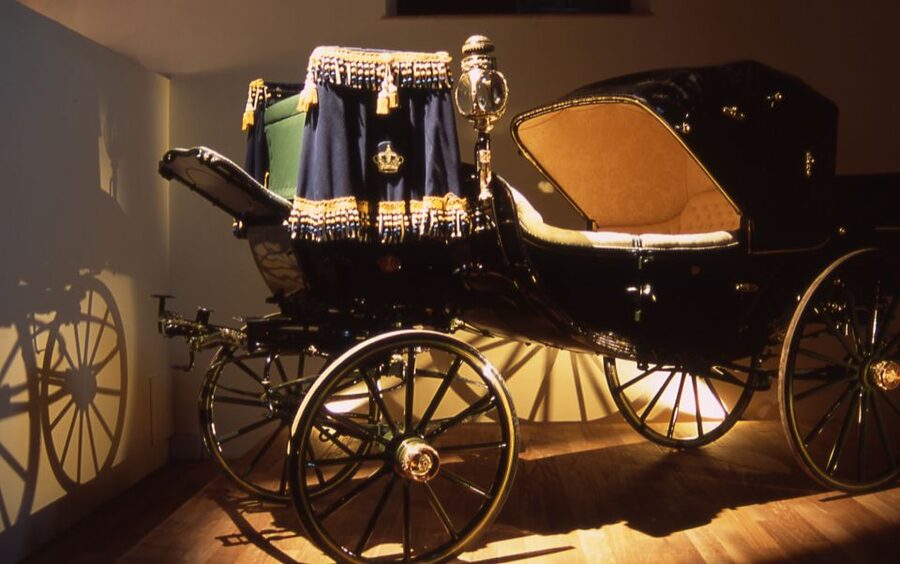
After the museum floors, the Carriage Museum rounds out the theme by showing vehicles, harnesses, and equestrian costumes. This is where the visit stops being only about horse moves and turns into a story about how people used horses across daily life.
The Carriage Museum marks the end of your journey through the palace complex. You’ll see carriages originally used for transport, now repurposed for sport and exhibitions, guided by classical harnesses and driven by coachmen.
If you love seeing how everyday tech evolves into a performance tradition, you’ll get a lot from this. And even if you’re not an equipment nerd, the sheer variety of styles makes it feel like a mini time capsule of Andalusian life.
How the Andalusian Horses Dance: what happens in the arena
Now for the main act. The show, titled How the Andalusian Horses Dance, is performed at the Royal Andalusian School of Equestrian Art in Jerez. Expect an equestrian ballet with 18th-century style costumes and quintessential Spanish music.
The choreography is built around movements based on classical dressage, Doma Vaquera, and traditional equestrian chores. That combination is part of the magic. This is not only about ring schooling techniques, it’s about translating rural horse culture into stage form.
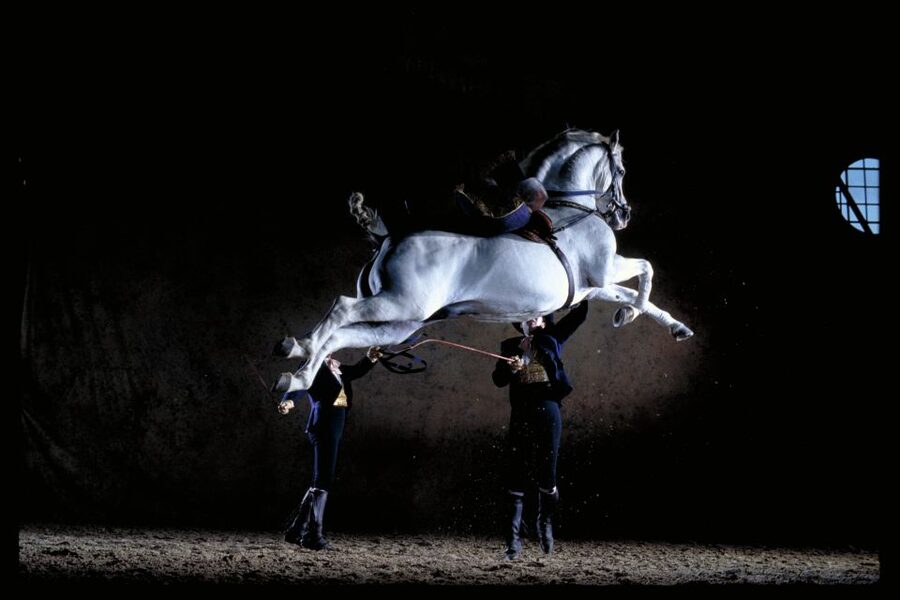
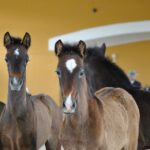
Each show includes 6 to 8 different choreographies. The program you might see can include The Colts, Airs on Horseback, Pas de Deux, Passage and Piaffer, Domino on Horseback, Airs Above the Ground, and Fantasy.
There’s also a carriage element. The horses demonstrate their ability to draw carriages using classical harnesses. Coachmen guide those setups with steady precision, which adds a different rhythm to the performance and shows another side of horse training beyond dressage in open space.
Reading haute école: the moves you’ll recognize in real time
If you have any interest in dressage, this arena is a fast lesson. The show includes classical haute école exercises like levades, caprioles, courbettes, piaffe between pillars, and the Spanish walk.
Here’s the practical way to watch: don’t just wait for the biggest jumps. Track the transitions. Haute école is about control, not only altitude or extension. When you see a change in speed, stance, or rhythm happen smoothly, that’s usually where the skill is hiding.
Also watch group moments. The show ends with advanced exercises performed in unison by the group of horses and riders. When that sync clicks, it makes the whole performance feel like a choreographed piece of music, except the music is coming from horse motion and rider timing.
Before the show: when you can spot horses warming up
One of the best parts of this outing is that it doesn’t force you to sit quietly until the curtain rises. People report being able to observe schooling and warming up areas prior to the show. If the areas are open, you might spot horses being prepared and grooms working with them.
This is one of those experiences where being a little patient pays off. You’re not just waiting for a 90-minute show. You’re watching a professional routine in progress, which makes the performance feel earned instead of manufactured.
Price and value: why $38 feels fair for what you actually get
At about $38 per person and roughly 3.5 hours total time, this is a solid value if you’re the type of traveler who likes more than one “moment” in a day.
If you only care about the arena spectacle, you could book a standalone show elsewhere. But here you’re paying for the show plus museum entry and the chance to understand the context. The Art Equestrian Museum covers origins and history across 11 rooms. The Carriage Museum adds vehicles, harnesses, and costumes. And the visitor center includes that audio-visual history presentation before 11:00 AM.
In other words, you’re not just buying a ticket to watch. You’re buying time to make sense of what you’re watching. That’s why horse lovers tend to walk away feeling satisfied.
Comfort, heat, and rules to plan around
A few practical notes can help your day feel smoother.
First, seating comfort seems mixed. One person called the seating extremely uncomfortable, while another said it had good views and plenty of leg room. You can’t guarantee your specific row, so treat the seating as a “may vary” item.
Second, Jerez can be hot. People mention temperatures around 37 C while they attended, and the horses still performed with control. If you’re sensitive to heat, plan to hydrate before you sit down, and take your time in the gardens and museum spaces.
Third, follow the site rules. Cameras and video recording are listed as not allowed. There are also clear restrictions including no pets, no smoking, and no glass objects. Bring a passport or ID card.
Finally, plan your exit. One review noted it became hard to find taxis once the crowd left, and it also caused stress when they were trying to catch trains. If you’re arriving by train or relying on public transport, it’s smart to line up your return plan early.
Who this Jerez horse experience is best for
This is a great fit if you:
- Love horses and want to see classical dressage movements performed with serious discipline
- Prefer a cultural visit where museums add meaning, not just background noise
- Like Andalusia beyond flamenco shows, with a distinctly equestrian angle
It’s less ideal if:
- You need lots of photo freedom, since cameras and video are restricted
- You strongly dislike museum walking time, because the value here is shared between show and exhibitions
The experience also works well for couples and solo travelers who enjoy focused, time-managed outings. Families can enjoy it too, especially if kids like animals, but the show length and rules mean you’ll want to go in prepared.
Should you book this Andalusian Horse Dance and Museums visit?
Yes, you should book it if you want one of the most “Spain in one place” days in Jerez. The show gives you high-level equestrian artistry, and the museums explain the why behind the choreography. Even if you only catch a few museums before the 12:00 PM start, you still get enough context to appreciate what you’re seeing in the arena.
Skip it only if you’re mainly hunting for photo-heavy attractions or you’re not interested in the equestrian story. If you love craft, tradition, and precision, this is the kind of outing that turns into a real memory, not just a quick stop on your itinerary.
FAQ
How long is the experience?
The total duration is about 3.5 hours.
When does the Andalusian horse dance show take place?
The show entrance is from 12:00 PM to 1:30 PM.
What time can I visit the museums?
The Art Equestrian Museum is open from 10:00 AM to 2:00 PM, and the Carriage Museum is open from 10:00 AM to 3:00 PM.
Is there a film before the show?
Yes. You can enter the audio-visual presentation at the Visitor Reception Centre until 11:00 AM.
Are cameras or video recording allowed?
No. Cameras and video recording are listed as not allowed.
What do I need to bring?
Bring your passport or ID card.
If you tell me your travel dates and whether you’ll be coming from Seville or Cádiz, I can suggest a simple time plan so you can catch the film and still make it to the show without rushing.
Latest Jerez reviews into the ledger
Museums, compared.

FC Barcelona Museum “Barça Immersive Tour” Ticket
Read our review →
Park Güell and Gaudí House Museum Entry Ticket
Read our review →
Puro Flamenco Show with Optional Museum Ticket
Read our review →
Moco Museum Barcelona: Modern & Contemporary Art
Read our review →Browse the lists this tour appears in