
Reviewed · SCUBA DIVING
Santa Cruz de Tenerife: Beginner’s Diving & Introduction
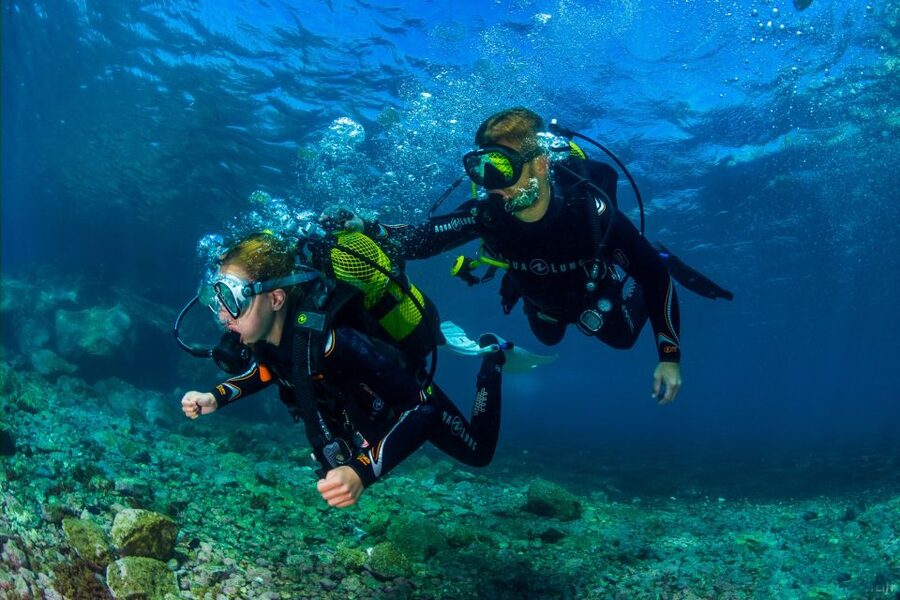
Ready for your first breath underwater? This beginner scuba try in Santa Cruz de Tenerife mixes calm coaching with real ocean time, capped at 6 meters. I especially like the mix of weightlessness and marine life you can actually see up close, with equipment explained before you ever leave the dock area.
One possible downside to plan for: this is a short, beginner-focused 3-hour session. If you want a long, sporty outing or deep-water exploration, this format may feel too gentle and too brief. Also, it is not suitable for certain health situations, so double-check the requirements before you book.
In This Review
- Key things I would zero in on
- Santa Cruz de Tenerife: why this beginner scuba try makes sense
- Where it starts: Macaronesian Divers and your prep time
- The full 3-hour flow: what happens when
- 0:00 to 1:00, arrival and instructions
- 1:00 to 2:00, into the water
- 2:00 to 3:00, finish up and review
- Underwater time at 6 meters: breathing, buoyancy, and calm
- What you’ll actually see: marine life in shallow, clear water
- Gear, safety, and comfort tips for first-time nerves
- Before you go in the water
- Once you’re underwater
- Price and value: is $89 a fair deal?
- Who should book this (and who should skip it)
- Should you book this beginner scuba try in Santa Cruz?
- FAQ
- How long is the beginner scuba try?
- How deep do you go?
- What should I bring?
- What are the age requirements?
- What languages are the instructors?
- Is it suitable for everyone?
Key things I would zero in on
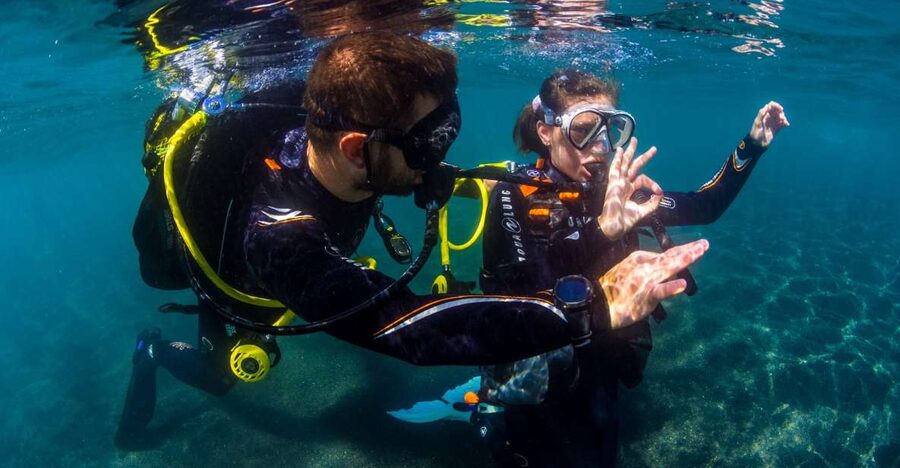
- Max 8 participants means you get more attention during your skills practice
- Equipment coaching first, then a controlled underwater time at 6 meters
- 30 to 45 minutes in the water, designed to help nerves settle fast
- English or Spanish instruction with instructors known for patient, step-by-step support
- Hot showers, changing rooms, and a free drink after, plus videos and photos
Santa Cruz de Tenerife: why this beginner scuba try makes sense
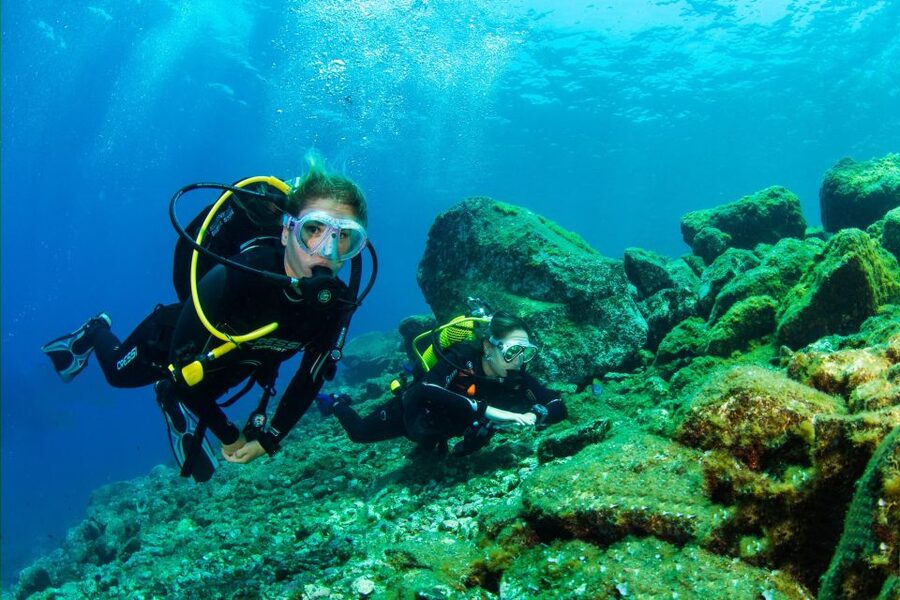
Santa Cruz de Tenerife is the kind of place where a first scuba experience feels doable. The whole plan is built around getting you comfortable quickly: you learn the gear, practice the basics, then head into the water with an instructor who stays right with you.
You’re not thrown into a complicated day. The session runs about 3 hours, and the underwater part is limited to a manageable depth of 6 meters. For many first-timers, that depth hits the sweet spot: you feel the real scuba effect (breathing underwater, buoyancy, that weightless sensation) without making it a technical or exhausting day.
The value here is how “guided” it is. You are not just paying for equipment. You’re paying for a structured introduction that treats nerves like normal. The instructors described across guides like Carla, Abigail, and Vicky are consistently associated with clear explanations and patience, especially for people who are not strong swimmers.
A few more Tenerife verdicts worth reading
- Tenerife: Your First Scuba Diving Experience in Turtle Area
★ 4.7 · 1,679 reviews - Tenerife First Time Scuba Dive – Turtle Habitat, Small Groups
★ 4.5 · 456 reviews - Tenerife: Beginner Scuba Dive Experience
★ 4.8 · 238 reviews - Try Dive – PADI Discover Scuba Diving in Tenerife
★ 5.0 · 214 reviews
Where it starts: Macaronesian Divers and your prep time
Your starting point is Macaronesian Divers – Buceo en Tenerife. Plan to arrive there 30 minutes before the activity begins. That extra buffer matters. It gives you time to check in, get your gear handled calmly, and ask questions without feeling rushed.
Once you’re there, the setup is geared toward first-timers. You’ll use the center’s facilities, including changing rooms and hot showers afterward. That might sound small, but after being in cool water, a warm shower is pure sanity. You’ll also get a drink at the end.
What I think you’ll appreciate is the small group format, limited to 8 participants. In a tight group, instructors can actually notice what’s off, like how you’re holding your mask or how your buoyancy feels before you swim away.
Bring swimwear only, since the rest of the gear is included.
The full 3-hour flow: what happens when
Here’s how the day typically unfolds, and why each part matters.
0:00 to 1:00, arrival and instructions
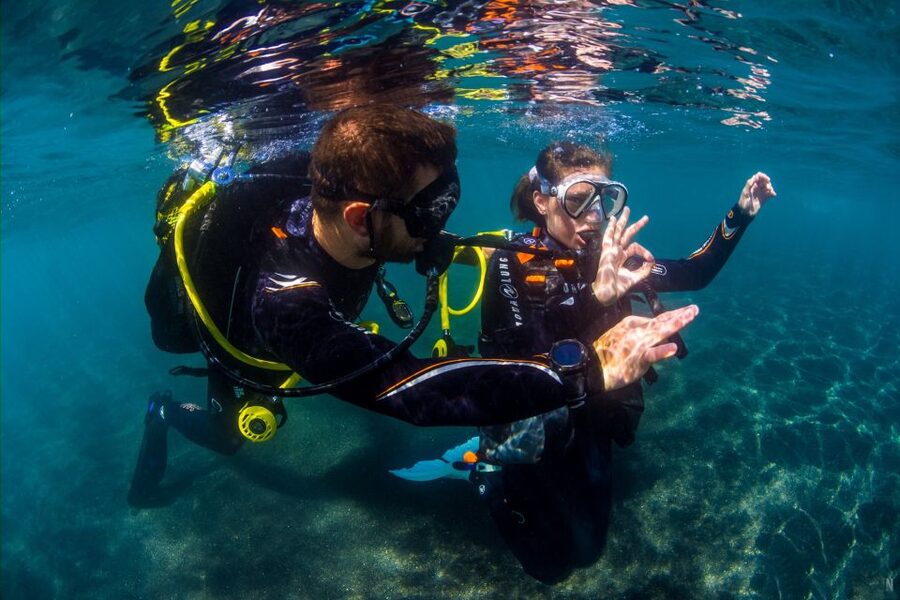
You’ll start with an onboarding block where you learn the parts of the scuba equipment, what each piece does, and how to use it underwater. This is not just a lecture. The point is simple, get you understanding gear basics before you enter the water.
If you’re nervous, this is the section that does the heavy lifting. When you understand your equipment, you stop treating every sensation as a threat. You can focus on breathing and staying relaxed.
More Things to Do in Tenerife
- Siam Park Entry Tickets★ 4.5 · 15,710 reviews
- Tenerife: Eco-Yacht Whale and Dolphin Watching and Swimming★ 4.7 · 15,619 reviews
- Los Cristianos Respectful No-Chase Whale and Dolphin Safari★ 4.6 · 12,782 reviews
1:00 to 2:00, into the water
Then you go in for a 30 to 45 minute underwater session. The maximum training depth is 6 meters, and you’ll go with your scuba instructor nearby.
One helpful thing to know for mindset: the water near the center is described as getting deep quite fast. That does not mean you will be left alone in deep water. It means you should listen closely during the “how to move and stay stable” part, and trust the instructor’s pacing. Your job is to follow instructions and keep breathing steadily.
2:00 to 3:00, finish up and review
After your session, you’ll end the activity, shower, and then do a video and photo visualisation. You’ll also get your souvenir photos.
This wrap-up is valuable because it turns a scary new experience into something you can remember clearly. When you see yourself underwater, it’s easier to understand what you did right and what you’ll improve on if you continue with scuba later.
Underwater time at 6 meters: breathing, buoyancy, and calm
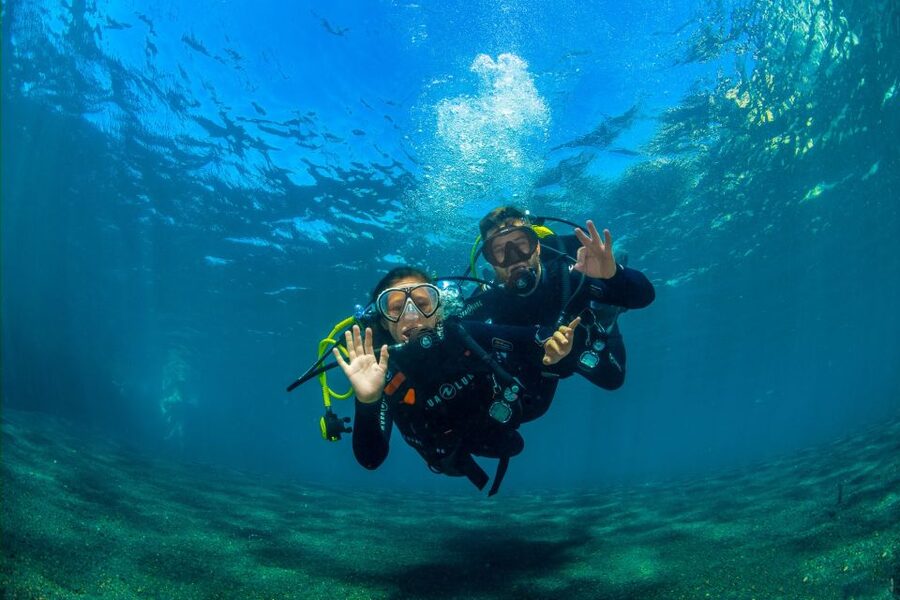
The main event is the experience people describe as almost magical: that sensation of weightlessness and the feel of breathing underwater for the first time.
In practice, the instructor’s job is to make it feel manageable. You’re at shallow depth, which helps keep things steady. The goal is not to “perform.” The goal is to get you comfortable with:
- exhaling and controlling airflow through the regulator
- staying relaxed so buoyancy feels natural
- moving slowly, so you do not fight the water
- checking in with your instructor as needed
Many first-timers worry they will panic. The best sign you’re in good hands is how often the instructor checks your comfort and positioning. Instructors like Carla are praised for being kind, funny, and extremely knowledgeable, but the biggest takeaway is the same: you are guided back on track if anything feels off.
If you’re a weaker swimmer, you’ll still be in the right place. Multiple accounts highlight patient coaching, step by step support, and reassurance during the early moments.
What you’ll actually see: marine life in shallow, clear water
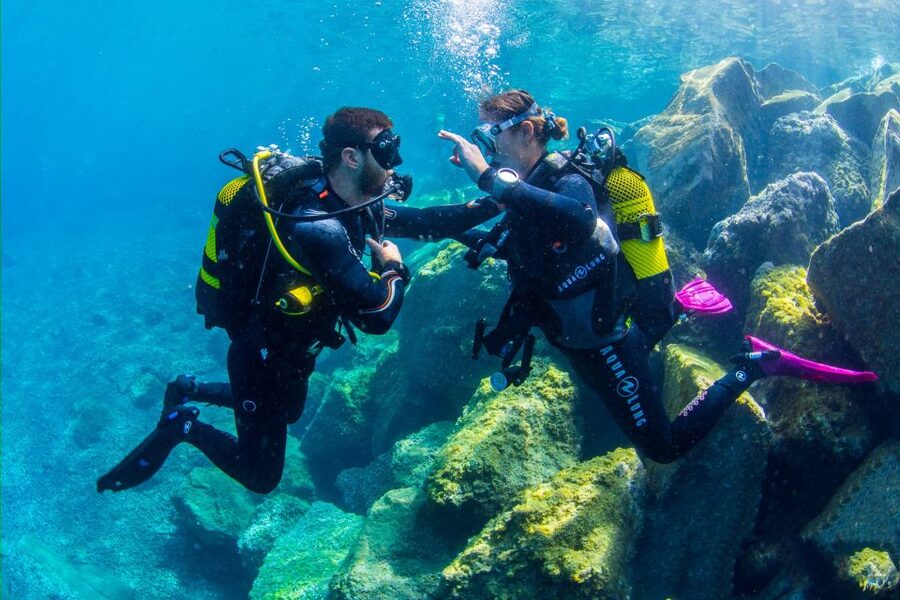
The promise is marine life and crystal clear waters, and shallow water is where you can notice the details. At around 6 meters, you often have enough visibility to spot colorful fish and other sea life without needing advanced buoyancy control or specialized underwater skills.
From the way guides are described, you can also expect instructors to actively point out what’s around you. For example, one account specifically notes attention to starfish and colorful fish, and that the instructor took time to check on divers during the swim.
What I’d do in your head while you are underwater is simple: treat it like a slow walk, not a sprint. Look around, don’t chase movement. When you stop swimming like you’re on a treadmill, your body relaxes and your eyes start finding the good stuff.
Also, shallow water has a psychological advantage. You tend to feel like you are “in control,” which makes the whole scuba sensation less stressful.
Gear, safety, and comfort tips for first-time nerves
This experience is built around safety and support, but you can still do your part to make the day smoother.
Before you go in the water
- Wear swimwear that stays put. You do not want to adjust clothing mid-prep.
- If you’re not a strong swimmer, mentally plan to move slowly and take cues from the instructor. That is how most people succeed.
- Keep your questions ready during the equipment walkthrough. The more you understand, the faster confidence comes.
Once you’re underwater
- Breathe steadily. If you feel yourself speeding up, slow everything down.
- Keep your movements small. The less you thrash, the easier it is for your buoyancy to feel right.
- If you feel unsure, do not power through. Use your instructor for check-ins.
A small but important factor is the group size. With up to 8 participants, you’re less likely to feel like “the center is just trying to move everyone along.”
Price and value: is $89 a fair deal?
At $89 per person for a 3-hour experience, you are paying for much more than a basic “look around” water session. Here’s why the value can be real for many people:
- Scuba equipment required for the activity is included
- Use of facilities, including changing rooms and hot showers
- Souvenir photos and video/photo visualisation afterward
- A drink at the end
That bundle matters because it avoids common first-try friction, like paying extra for gear, then scrambling for somewhere to shower and change.
Also, the teaching format is part of the value. The instructor time includes equipment explanation and hands-on support during your underwater minutes. Multiple accounts praise instructors for clarity, patience, and professionalism when handling minor issues. Even if your own experience is smooth from the start, that “someone has your back” feeling is part of what you’re paying for.
Who should book this (and who should skip it)
This is best for:
- first-timers who want a structured introduction
- people who are excited by marine life but prefer a controlled depth
- nervous swimmers who want patient step-by-step guidance
It may not be the right fit if you fall into the listed non-suitable categories. The activity is not suitable for:
- children under 8 years
- pregnant women
- people with back problems
- people with respiratory issues
- people with recent surgeries
- people over 70 years
If you are on the edge for any health reason, the safest move is to confirm with your doctor before you book. With scuba-related activities, your body matters more than your excitement.
One more practical note: plan your schedule. You’ll want at least 24 hours between the scuba activity and your next flight. That gives you breathing room for travel plans.
Should you book this beginner scuba try in Santa Cruz?
If you want your first real scuba experience to feel guided, this is an easy yes. The depth limit of 6 meters, the 30 to 45 minutes underwater, and the focused equipment training are exactly what most first-timers need to feel safe and successful.
I’d book it if:
- you want a clear, beginner-friendly format
- you like the idea of a small group (max 8)
- you want photos and video afterward, not just a memory
I’d think twice if:
- you need a long or advanced technical program
- you fall into the listed health or age restrictions
- you cannot meet the 24-hour buffer before a flight
FAQ
How long is the beginner scuba try?
The experience lasts about 3 hours, including time for arrival, equipment instruction, the underwater session, and the wrap-up with shower plus video and photo visualisation.
How deep do you go?
You swim to a maximum depth of 6 meters with your scuba instructor.
What should I bring?
Bring swimwear.
What are the age requirements?
The minimum age is 8 years.
What languages are the instructors?
Instructors provide guidance in English and Spanish.
Is it suitable for everyone?
No. It is not suitable for pregnant women, people with back problems, respiratory issues, recent surgeries, and people over 70 years. It is also not suitable for children under 8.
Latest Tenerife reviews into the ledger



Scuba Diving, compared.
Your First Scuba Diving Experience in Turtle Area
Read our review →
Scuba Diving Experience for Beginners in Gran Canaria
Read our review →
Tenerife First Time Scuba Dive – Turtle Habitat, Small Groups
Read our review →
Tossa de Mar: PADI Discovery Scuba Diving in Costa Brava
Read our review →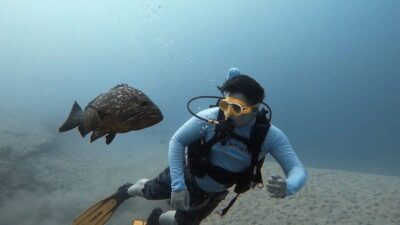
Browse the lists this tour appears in