
Reviewed · JEREZ TOURS
Jerez: Royal Andalusian School of Equestrian Art Admission
Horses, museums, and palace gardens in two hours. This guided admission at the Royal Andalusian School of Equestrian Art takes you from palace gardens into stables and the tack room, then back through halls and a museum built into the grounds. The morning audio-visual intro is the quick way to understand why Andalusia treats equestrian art as real cultural heritage.
What I also like is the chance to watch training in the outdoor rings and inside the large indoor arena, a space designed to hold 1,600 people for daily schooling. Add a basement museum with 11 rooms and hands-on style exhibits, and you get far more than a casual horse photo stop. One consideration is timing, training and harness-making are limited except Saturdays, so pick your day with that in mind.
In This Review
- Key Points You Should Know Before Going
- Before You Go: Day Choices in Jerez and the Morning Video Window
- Reception, Gardens, and the Charles Garnier Palace Setting
- Museum of Equestrian Art: 11 Basement Rooms You Can Actually Use
- Saddlery, Harness Making, and the Tack Room Where Daily Work Happens
- Watching Training in the Outdoor Rings and the 1,600-Seat Indoor Arena
- Octagonal Stables and Seeing the Horses Where They Live
- Why the Guides Matter Here (From Javi and Elena to Harry)
- Carriage Museum: The Finish Line With Costume, Craft, and Vehicle History
- Price and Value: Is $18 for Two Hours a Good Deal?
- Practical Tips That Make the Visit Smoother
- Should You Book This Royal Andalusian School Equestrian Art Admission in Jerez?
- FAQ
- How long is the Royal Andalusian School of Equestrian Art admission?
- What is the price per person?
- What does the admission ticket include?
- Can I watch horse training during the visit?
- What happens at the visitor reception center?
- What languages are the live tours offered in?
- What do I need to show at the ticket office?
- Are there any items you cannot bring into the grounds?
- Is it wheelchair accessible?
- Can I cancel and get a refund?
Key Points You Should Know Before Going
- Guided access that goes beyond the main sights, including the stables, tack room, and palace areas
- Watch horse training sessions, with schedules that run except Saturdays
- A museum built into the palace basement, split across 11 rooms on equestrian art and horses in Andalusia
- Saddlery and harness repair work by the master harness maker and apprentices, except Saturdays
- An indoor arena designed for 1,600, plus outdoor exercise rings for the same daily rhythm
- Carriage museum coverage at the end, with vehicles, horses, harnesses, and equestrian costumes
Before You Go: Day Choices in Jerez and the Morning Video Window
This is a solid two-hour plan when you want Jerez to feel more like a living workshop than a tourist showroom. The ticket includes guided access to the school facilities, and the schedule matters more than you might expect.
First, if you want to catch horse training, plan around the rule that training in the rings and the harness-making work are except Saturdays. On Saturday, you may still see a lot, but you should not assume the same behind-the-scenes activity is happening in exactly the same way.
Second, the visitor reception kicks things off with an audio-visual presentation on the history of equestrian art in Andalusia. It runs until 11:00 AM, so if you want that context, don’t show up after the morning cutoff.
Finally, the meeting point can vary depending on the option you booked. Use your confirmation details to get to the correct spot, then head straight to the ticket office when you arrive.
A few more Jerez verdicts worth reading
- Jerez de la Frontera: How the Andalusian Horses Dance
★ 4.6 · 6,168 reviews - Jerez de la Frontera: Andalusian Horse Dance and Museums
★ 4.7 · 1,289 reviews - Jerez: Yeguada de la Cartuja Carthusian Horses Tour
★ 4.8 · 970 reviews - Jerez: Bodegas Fundador Guided Tour with Tasting Session
★ 4.8 · 714 reviews
Reception, Gardens, and the Charles Garnier Palace Setting
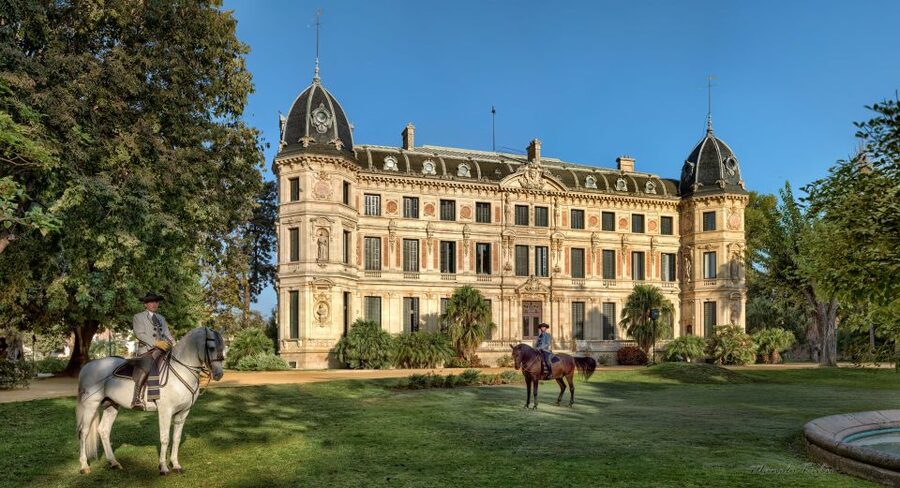
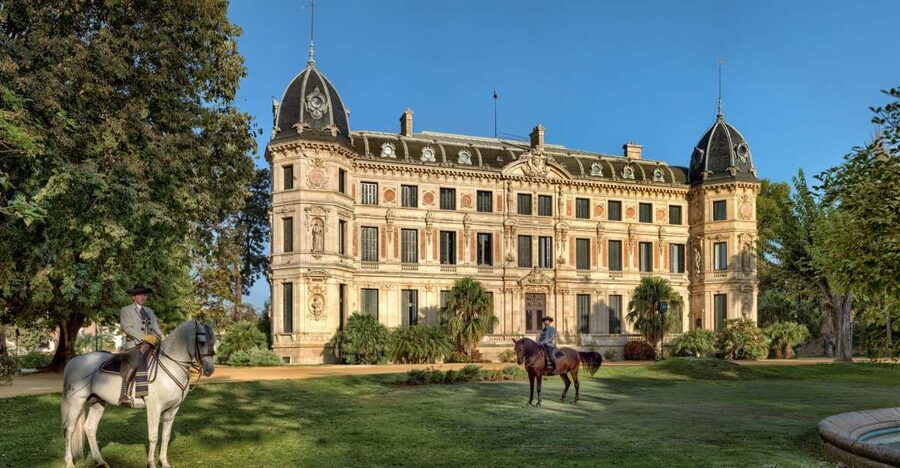
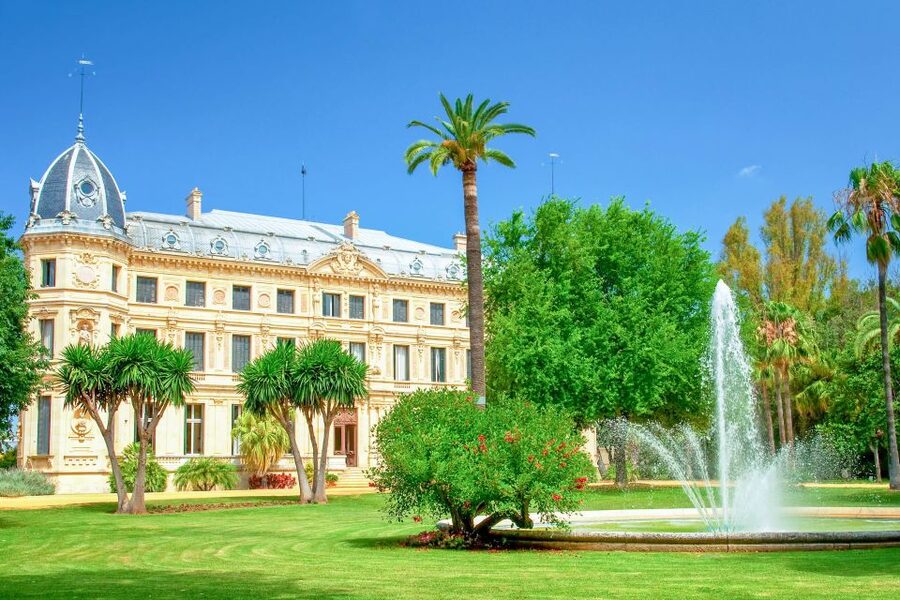
You enter at the visitor reception center, which is handy because it gives you context before you wander. The gardens come right after, with exotic plants and a central fountain where the water jets invite you onward into the grounds.
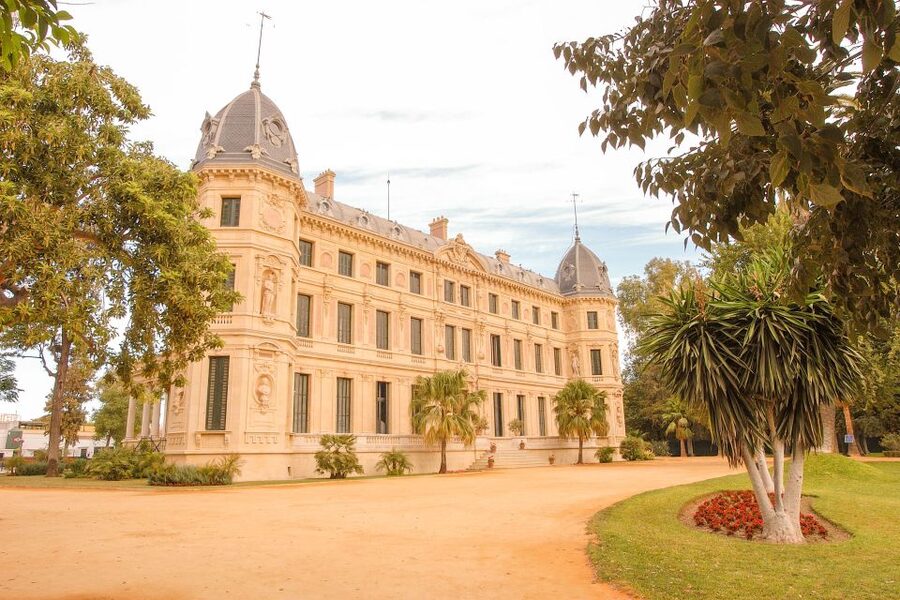
What makes the setting special is how quickly the place shifts from garden calm to serious equestrian business. Across the fountain, the palace rises above the gardens, a 19th-century design credited to Charles Garnier. Even if you’re not into architecture trivia, it gives you that “this is official, not casual” feeling.
From there, you can admire the palace halls on the ground floor as they were originally conceived. These spaces help connect the dots between art, status, and the discipline of the school, which is basically the whole point of what you’re about to see.
Museum of Equestrian Art: 11 Basement Rooms You Can Actually Use
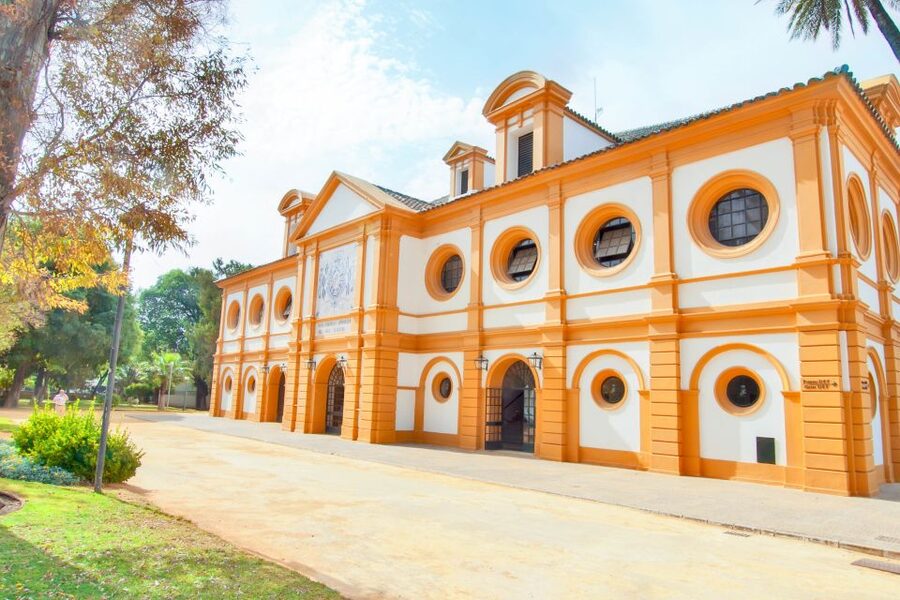
The main museum experience happens below the palace. In the basement, you’ll find the Museum of Equestrian Art, organized into 11 rooms focused on the origins and history of equestrian art, plus the role of the horse in Andalusia.
This is where your visit stops being only about watching motion and becomes about understanding why the motions matter. The museum content is set up for a walk-through, not a “stand here and read one label” situation, and you’ll see interactive museum exhibits along the way.
One practical note from real visits: some of the video-style stations can be unreliable at times. Don’t let that spoil your mindset. If one screen is down, the rooms still explain the school, the region, and the tradition behind the training.
Saddlery, Harness Making, and the Tack Room Where Daily Work Happens
After the museum, you move into the part horse lovers tend to obsess over: gear. You’ll see where harnesses are made and repaired, a laborious process handled in the saddlery by the master harness maker and apprentices. Again, this is except Saturdays, so plan accordingly if you want that step.
Then the tour leads you toward where the equipment really lives, the tack room inside the stables area. The saddlery work is about craft. The tack room is about maintenance and readiness, everything stored so the daily training and show harnesses are ready when needed.
Some visits highlight the tack room as being kept in controlled conditions, including humidity control, which makes sense if you think about leather and long-term storage. You’re basically seeing how professionals protect materials that have to stay functional day after day.
Jerez, continued down the scoresheet:
- Jerez: Guided Winery Tour with Wine Tasting★ 4.4 · 636 reviews
- Jerez de la Frontera: Sherry Winery Tour with Tasting★ 4.6 · 309 reviews
- Jerez: Historic Center Guided Tour★ 4.5 · 272 reviews
Watching Training in the Outdoor Rings and the 1,600-Seat Indoor Arena
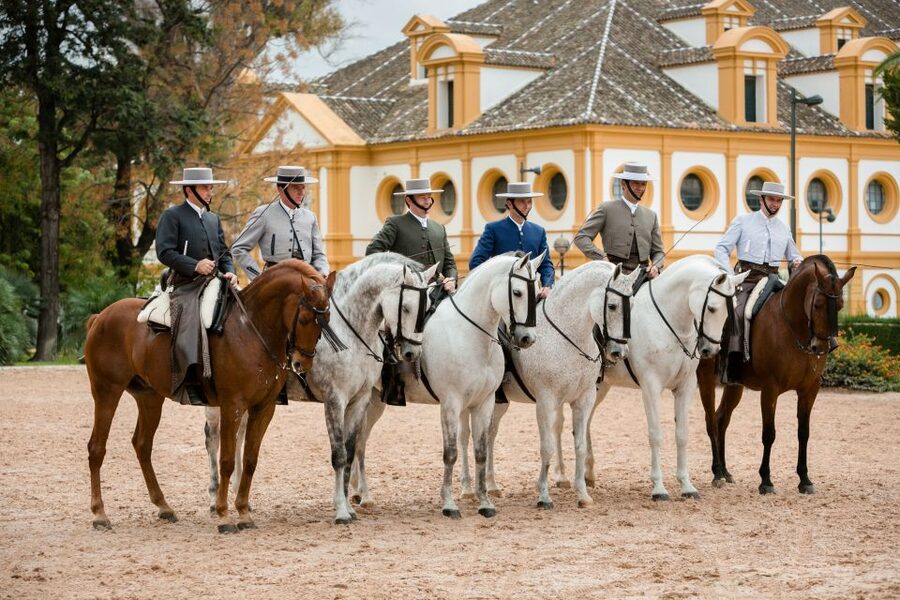
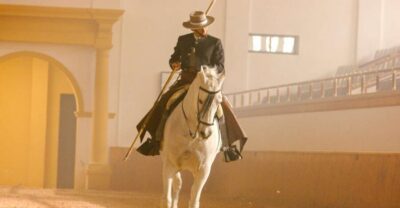
This is the segment that makes the admission feel like more than a museum ticket. The tour includes time to watch training in the outdoor exercise rings, and it also points you toward the indoor arena.
The indoor arena is built in authentic Andalusian style and has a seating capacity of 1,600. Even if you’re not focused on capacity numbers, it helps you understand the scale of the operation. This is meant for frequent schooling, with enough room for spectators to watch properly.
A small reality check: photography rules can be strict in some training areas. If you’re the type who documents everything, keep your phone ready but follow signage and guide instructions, especially near the arena floor.
Also, training is listed as available except Saturdays. That one detail changes the whole feel of the visit. On the right day, you’re watching a live training rhythm. On the wrong day, you’ll shift more toward static viewing of facilities and museum content.
Octagonal Stables and Seeing the Horses Where They Live
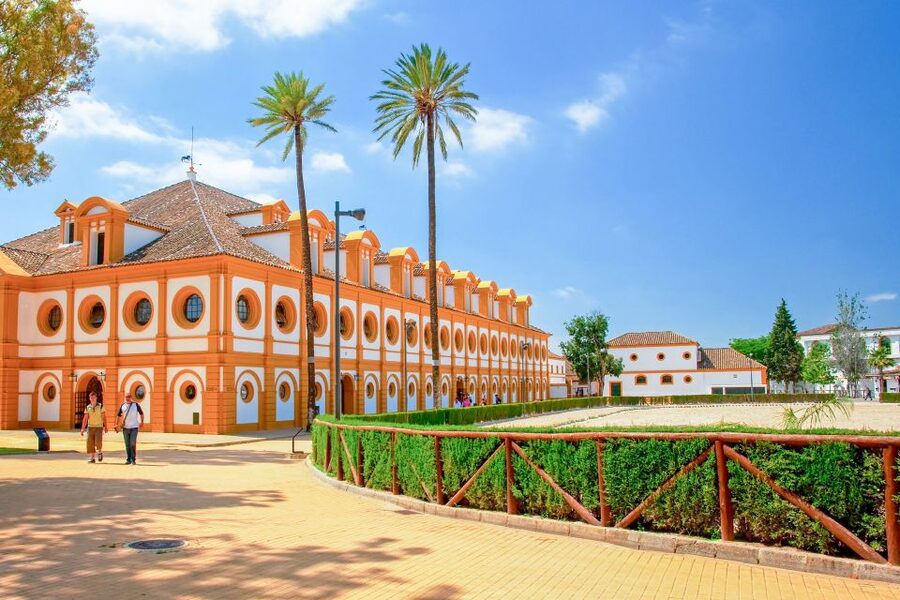
Next up is the stables, described as an octagonal complex. This isn’t just a design detail. The shape and layout help create a practical working space where horses are cared for and monitored, while visitors see without disrupting the work.
In the center of the stables is the tack room, so your first impression lines up with what you’ll actually spend time noticing: the stable organization is built around gear access and efficient daily work.
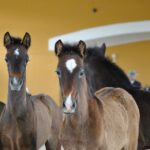
You’ll see the school’s emblematic horses in their environment. Some guided experiences let you get closer than you expect, and on certain tours visitors can even interact in a gentle way. But don’t build your whole plan around that. Bars and safety distance can affect what’s possible, depending on the moment and the session.
What really lands is how the place feels maintained. Multiple guide-led visits describe pristine premises and horses that look well cared for, and once you’ve toured the facilities, it’s easier to see how that care is part of the system, not just good luck.
Why the Guides Matter Here (From Javi and Elena to Harry)
The tour guide experience can make or break any “stables plus museum” visit, and this one tends to be strong because the guides are connected to the school itself. You may meet guides such as Javi, Elena, or Harry, and the pattern is similar: they can answer real questions about how horses are kept and how the training system runs.
That Q and A time is where you start noticing details most people miss. You’ll hear explanations about the purpose of specific equipment, why certain routines exist, and how the school’s history connects to present-day horsemanship.
If you’re bilingual in enthusiasm, bring your questions. This is the kind of place where asking why something is done can lead to a better answer than any label.
Carriage Museum: The Finish Line With Costume, Craft, and Vehicle History
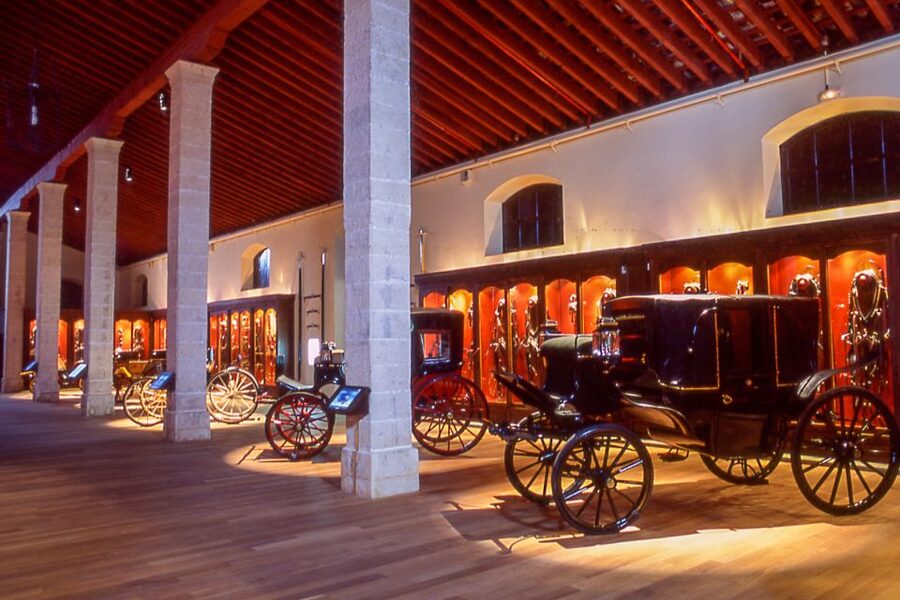
The last stop is the carriage museum. It’s included with admission, and it rounds out the equestrian theme beyond daily training.
You’ll see the collection of vehicles along with horses, harnesses, and equestrian costumes. Think of it as the “how it looked in motion” counterpart to the “how it works behind the scenes” gear moments you saw earlier.
If you’re visiting in hot weather, your energy level will decide how long you want to linger. Still, since it’s part of the ticket, it’s worth at least a slower walk through to connect the visual style of costumes and harnesses to the equipment and craft you already saw.
Price and Value: Is $18 for Two Hours a Good Deal?
At about $18 per person for a two-hour visit, the value is strong if you care about process as much as performance.
Here’s why it feels worth it:
- You get a guided tour through multiple facility zones, not just a quick viewing route
- You see the stables and tack room, plus areas tied to harness making and repairs (except Saturdays)
- You get the Museum of Equestrian Art in 11 rooms, which adds real context
- You also include the carriage museum, with vehicles, harnesses, and costume pieces
In other words, you’re paying for access and interpretation. The price is not just for being near horses, it’s for understanding the system behind the horses.
Two practical tips to protect your value:
- Plan around the 11:00 AM audio-visual window if that’s part of your interest
- Pick the day carefully if you want the full training feel, since it’s except Saturdays
Practical Tips That Make the Visit Smoother
I’d treat this like a “no surprises” kind of outing. Follow the house rules and you’ll spend your time looking, not sorting out problems.
The big rules to remember:
- You must show your printed receipt or the receipt on your mobile at the ticket office
- If you bought discount tickets, you need proof of eligibility at the ticket office
- You can’t enter the grounds with bottles, cans, animals, or any objects the management considers unsuitable
That last one matters if you’re the kind of traveler who carries a water bottle for convenience. Plan on buying or using whatever options are available on site rather than assuming you can bring your own.
Also, expect the program to be adjustable. Management has the right to alter or change the program, so a flexible mindset helps, especially if weather turns the outdoor rings into a damp wait.
Should You Book This Royal Andalusian School Equestrian Art Admission in Jerez?
Book it if you want a horse experience that feels real, not staged. This is ideal for horse lovers, museum fans who like museums with movement and purpose, and anyone looking for Jerez beyond flamenco and old-town wandering.
You should especially consider it on weekdays if your priority is the live rhythm of training, because the tour notes training and harness-making access are except Saturdays. If you go on a Saturday, you’ll still get plenty of facilities and museum time, but the “watch the work happen right now” part may be reduced.
Skip it only if you’re looking for a lightweight, no-thinking, walk-by attraction. This visit rewards attention. When you listen to the guides and slow down through the museum and stables, it stops being a quick peek and becomes a genuinely meaningful look at how Andalusian equestrian art is practiced.
FAQ
How long is the Royal Andalusian School of Equestrian Art admission?
The duration is 2 hours.
What is the price per person?
The price is $18 per person.
What does the admission ticket include?
Your ticket includes full admission to the school facilities.
Can I watch horse training during the visit?
Yes, you can watch training of horses at the Royal School, except Saturdays.
What happens at the visitor reception center?
You enter the school at the visitor reception center and view an audio-visual presentation on the history of equestrian art in Andalusia, available until 11:00 AM.
What languages are the live tours offered in?
The live tour guide is available in Spanish, English, French, and German.
What do I need to show at the ticket office?
You must present your printed receipt or the receipt on your mobile at the ticket office.
Are there any items you cannot bring into the grounds?
Yes. You are not allowed to enter with bottles, cans, animals, or any objects the management may consider unsuitable.
Is it wheelchair accessible?
Yes, the experience is wheelchair accessible.
Can I cancel and get a refund?
Yes, you can cancel up to 24 hours in advance for a full refund.
Latest Jerez reviews into the ledger
Jerez Tours, compared.
Jerez de la Frontera: How the Andalusian Horses Dance
Read our review →
Jerez de la Frontera: Andalusian Horse Dance and Museums
Read our review →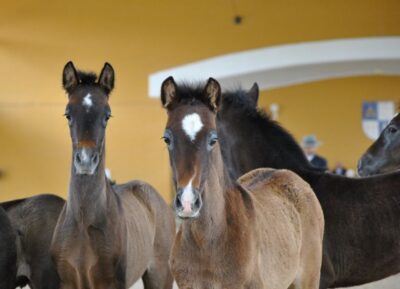
Bodegas Fundador Guided Tour with Tasting Session
Read our review →
Jerez de la Frontera: Sherry Winery Tour with Tasting
Read our review →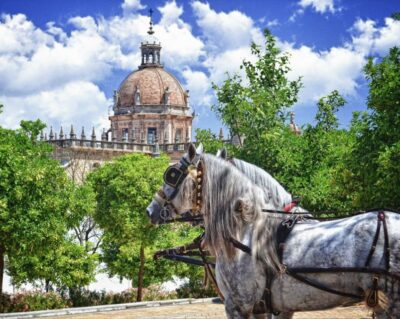
Bodegas Álvaro Domecq Guided Tour with Wine Tasting
Read our review →Browse the lists this tour appears in